

Measles Injection: How It Works, Results and What to Expect
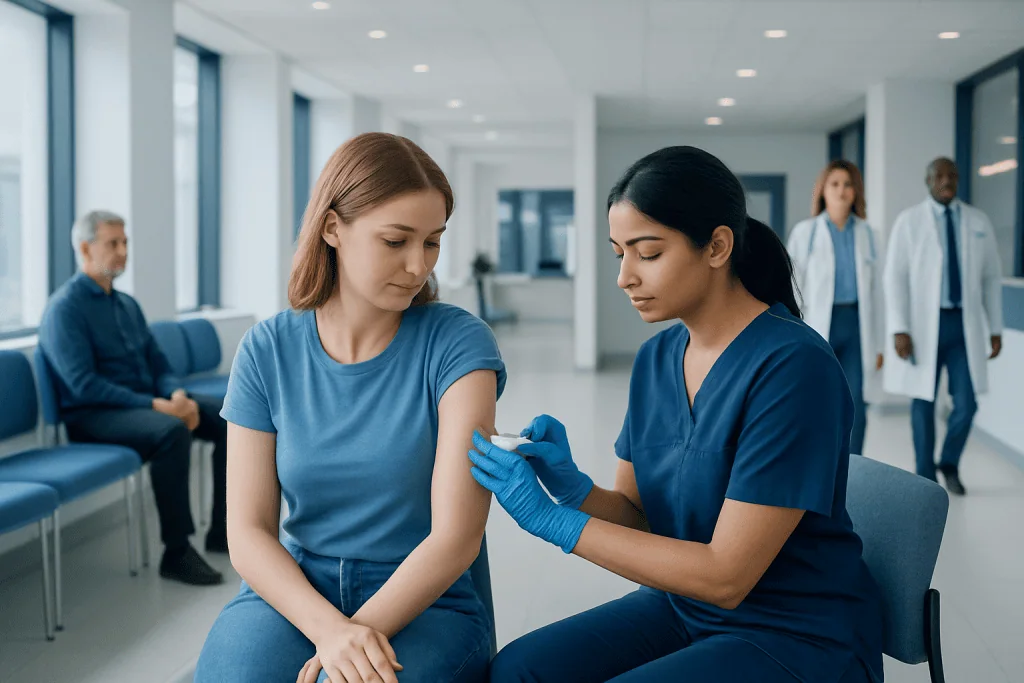
The measles vaccine is commonly given as the combined MMR vaccine and is highly effective after the recommended doses. Protection does not develop immediately; the immune system usually needs around two weeks to build a meaningful response.
Key Takeaways
- The measles vaccine is commonly given as the combined MMR vaccine and is highly effective after the recommended doses.
- Protection does not develop immediately; the immune system usually needs around two weeks to build a meaningful response.
- Most people have no symptoms or only mild, short-lived effects such as arm soreness, a low fever or a mild rash.
- Two documented doses are generally considered long-lasting protection for most adults and children.
- People who are pregnant or severely immunocompromised should discuss vaccine timing with a qualified clinician.
A measles injection is usually given as part of the combined measles, mumps and rubella (MMR) vaccine. It helps the immune system recognize and fight measles in the future, without causing measles illness in healthy people.
Overview: What Is a Measles Injection?
A measles injection is a vaccination that protects against measles, a highly contagious viral infection that can lead to serious complications in some people. In many countries, it is provided as the measles, mumps and rubella (MMR) vaccine, while some settings use an MMRV vaccine that also protects against chickenpox. The vaccine is given by injection, usually into the upper arm or thigh depending on a person’s age and local practice.
The vaccine contains weakened forms of the virus that stimulate an immune response but do not cause typical measles disease in people with a healthy immune system. This response helps the body create immune memory. If measles exposure occurs later, the immune system can recognize the virus and respond more quickly.
Vaccination protects the individual and also helps reduce spread within families, schools, healthcare settings and communities. Vaccination schedules vary by country, so children, adolescents and adults should follow local public-health recommendations and discuss incomplete records with a healthcare professional.
Measles Vaccine: How Does It Work?
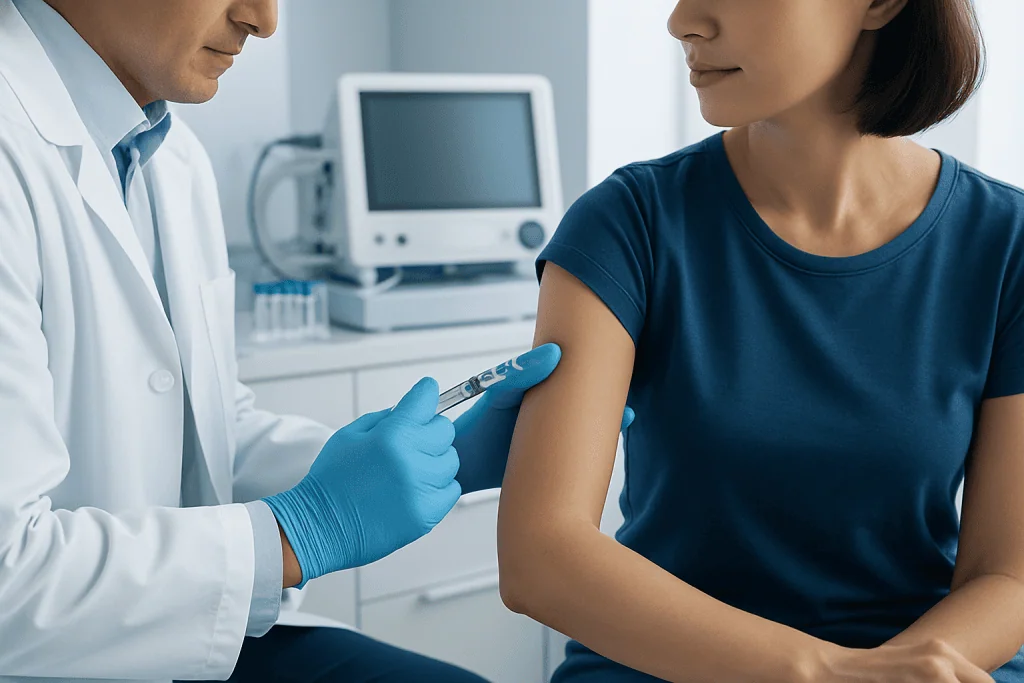
The measles vaccine works by safely presenting the immune system with a weakened measles virus. The body identifies it as foreign and develops antibodies, along with specialized immune cells that remember how to respond. This is why a future encounter with the actual measles virus is less likely to lead to infection or serious illness.
MMR is a live attenuated vaccine. “Live attenuated” means that the virus has been weakened in a laboratory so it can trigger immunity without causing the full disease in most people. Because it is a live vaccine, it is not suitable for everyone, including many people with severe immune suppression and those who are pregnant.
One dose provides substantial protection, while a second dose is intended to protect the smaller number of people whose immune system did not respond fully to the first dose. Two recommended doses are the standard approach for reliable, long-term protection in most people.
Who Can Have a Measles Injection?

Measles vaccination is routinely recommended for children according to national immunization schedules. It may also be advised for adolescents and adults who have no evidence of immunity, such as documented vaccine doses, laboratory proof of immunity, or confirmed past measles infection. Requirements can differ for travel, employment in healthcare and education settings, or during outbreaks.
Before vaccination, the clinician will review age, medical history, current health, prior vaccinations, medicines and possible allergies. A mild illness, such as a common cold without significant fever, does not always require postponement. However, a clinician may recommend waiting if a person is moderately or severely unwell.
MMR vaccination is generally avoided during pregnancy. People with certain immune conditions, those receiving immune-suppressing treatment, and people who have had a severe allergic reaction to a previous dose or a vaccine component need individualized medical advice. People who recently received blood products or antibody-containing medicines may also need to delay vaccination because these products can reduce the vaccine response.
- Children should receive doses according to their country’s routine schedule.
- Adults without clear immunity records may need one or two doses depending on age, risk factors and local guidance.
- International travelers may need vaccination earlier or on an accelerated schedule when appropriate.
What Happens During the Measles Injection Procedure?
The measles injection procedure is usually brief and performed in a doctor’s office, vaccination clinic, hospital outpatient department or public-health center. A nurse or clinician first confirms the person’s identity, vaccine history, allergies and any reasons the vaccine should be postponed. They can also answer questions about expected effects and aftercare.
The vaccine is injected just under the skin or into a muscle, depending on the vaccine product, age and local clinical guidance. For older children and adults, the upper arm is commonly used. Younger children may receive the injection in the thigh. The injection itself usually takes only a few seconds.
Afterward, the person may be asked to stay briefly for observation, particularly if there is a history of allergy or anxiety around injections. This allows staff to respond promptly to the rare possibility of an immediate allergic reaction. The person can generally return to usual activities the same day.
How Long Does It Take for a Measles Shot to Work?
A measles shot does not provide instant protection. The immune system needs time to produce antibodies and establish immune memory, with meaningful protection generally developing about two weeks after vaccination. A person exposed to measles shortly before or soon after vaccination may therefore still become ill.
In certain situations, vaccination soon after a known measles exposure may help reduce the likelihood or severity of illness. This is time-sensitive and should be arranged through a doctor or public-health authority as soon as possible. Some people who cannot receive the vaccine may be eligible for immune globulin after exposure instead.
Two doses provide stronger protection than one. For most people who receive the recommended series, measles vaccination how long it lasts is best described as long-term, and usually lifelong, protection. Routine antibody testing or routine booster doses are not needed for most fully vaccinated people.
Benefits, Side Effects and Recovery Timeline
The main benefit of a measles injection is strong protection against a virus that spreads easily through respiratory droplets and can cause complications such as ear infections, pneumonia and, less commonly, inflammation of the brain. Vaccination also lowers the chance of passing measles to people at increased risk, including babies who are too young to be vaccinated and people with weakened immune systems.
Many people feel well after vaccination. Common effects include temporary soreness, redness or swelling at the injection site, tiredness, headache, or a low-grade fever. A mild rash or fever can occur several days after MMR vaccination as the immune system responds. These effects typically settle without specific treatment.
Supportive care usually includes rest, fluids and following a clinician’s advice about suitable symptom relief if needed. A person can usually work, attend school and continue normal daily activity if they feel well enough. Severe allergic reactions are rare but require urgent medical attention; vaccine providers are trained and equipped to manage them.
Can You Still Get Measles if Vaccinated?
Yes, although it is uncommon after two recommended doses. No vaccine provides absolute protection for every individual, and a small number of vaccinated people may not develop a sufficient immune response. However, vaccination greatly reduces the chance of measles and generally lowers the risk of severe illness and complications if infection occurs.
Someone who develops fever, cough, runny nose, red eyes or a spreading rash after a possible measles exposure should contact a healthcare professional promptly. They should call ahead before visiting a clinic or emergency department so staff can take steps to avoid exposing other patients.
People who have uncertain vaccination records should not assume they are protected. A clinician can review records, determine whether vaccination is appropriate, and advise whether blood testing is useful in the individual situation.
How Long Do You Feel Sick After Taking the Measles Vaccine?
Most people do not feel sick after a measles vaccine, or experience only mild effects for one to three days. Arm discomfort often begins shortly after the injection and improves quickly. Fever, mild rash or swollen glands may appear later, commonly about one to two weeks after MMR vaccination, and are usually short-lived.
These temporary symptoms are not the same as measles infection and do not mean the vaccine has caused measles. They reflect the body’s immune response. A clinician can advise on symptom management and whether any individual symptoms need assessment.
Medical advice should be sought urgently for breathing difficulty, facial or throat swelling, widespread hives, fainting that does not quickly improve, unusual confusion, a seizure, or other severe symptoms. These reactions are uncommon, but prompt assessment is important.
Do Adults Ever Need a Measles Booster?
Most adults with documentation of two appropriately spaced measles-containing vaccine doses do not need a routine measles booster. The measles vaccine how long it lasts is generally considered long-term for people who complete the recommended series. Public-health recommendations may differ during outbreaks or for particular occupational and travel circumstances.
Adults born in certain years, those without reliable records, international travelers, healthcare workers, students in post-secondary education and people in outbreak areas may be advised to receive additional evaluation or vaccination. Recommendations vary between countries because immunization schedules and measles activity differ.
A doctor can help clarify whether a person has acceptable evidence of immunity. When records are unavailable, vaccination is often simpler than attempting to reconstruct childhood immunization history, but the appropriate decision should be based on personal medical circumstances and local guidance.
When to Seek Medical Care
A person should seek medical advice promptly after a possible measles exposure, especially if they are unvaccinated, unsure of their immune status, pregnant, an infant, or immunocompromised. Early advice can help determine whether post-exposure prevention is possible and how to reduce transmission to others.
Symptoms that may suggest measles include fever, cough, runny nose, red or watery eyes, and a rash that often begins on the face before spreading downward. Anyone with these symptoms should call a healthcare service before arriving in person. This enables the clinic or hospital to arrange safe assessment and protect other patients.
Acibadem International’s multidisciplinary specialists and JCI-accredited hospitals support international patients who need assessment, vaccination guidance or care for infectious diseases. Decisions about measles vaccination should always be made with a qualified healthcare professional who can consider individual risks, immune status and local recommendations.
Frequently asked questions
Is the measles injection the same as the MMR vaccine?
In many countries, measles protection is given as part of the MMR vaccine, which also protects against mumps and rubella. Some children receive MMRV, which additionally protects against chickenpox. The exact vaccine offered depends on age, local programs and individual circumstances.
How long does it take for a measles shot to work?
The immune system usually needs about two weeks to build meaningful protection after a measles-containing vaccine. Protection is stronger after the recommended second dose. A clinician should be contacted promptly after a known exposure because timing can affect available preventive options.
Can you still get measles if vaccinated?
It is possible but uncommon, particularly after two documented doses. Vaccination substantially lowers the chance of infection and reduces the risk of serious complications. Anyone with possible measles symptoms should call ahead to a healthcare service for advice.
How long do you feel sick after taking the measles vaccine?
Most people have no symptoms or mild effects that resolve within a few days, such as arm soreness, tiredness or a low fever. Some people develop a mild fever or rash about one to two weeks afterward, which is usually brief. Severe or concerning symptoms should be assessed urgently.
Do adults ever need a measles booster?
Most adults with evidence of two properly administered doses do not need routine boosters. Adults without records, people traveling internationally, healthcare workers and people in outbreak settings may need vaccination or individualized advice. Local public-health guidance and a clinician’s assessment are important.
Can the measles vaccine cause measles?
The MMR vaccine uses a weakened virus and does not cause typical measles illness in people with healthy immune systems. A mild fever or rash can occur as part of the immune response, but this is not the same as contagious measles. People with significant immune suppression should discuss vaccine suitability with a specialist.
References
- World Health Organization
- Centers for Disease Control and Prevention
- European Centre for Disease Prevention and Control
- American Academy of Pediatrics
- National Health Service
This article is for general information only and is not a substitute for professional medical advice. Please consult a qualified doctor about your individual situation.
Measles in Turkey — costs, top hospitals & a free quote
JCI-accredited · board-certified surgeons · reply within 24h
Add us as a Preferred Source to see more of our trusted health content across Google Search, AI Overviews and Discover.

More from the Health Library



Related Specialists

Prof. Dr. Süleyman Özyalçin
Treatment of Pain Algology
Dr. Mohammad Sevimli
Anesthesiology
Dr. Eralp Yurtsever
Emergency Service
Prof. Dr. Mehmet Akif Somdaş
Otorhinolaryngology