Meclizine: What Patients Need to Know

Meclizine is mainly used for motion sickness and for symptoms such as vertigo, nausea, and dizziness. The most common side effect is drowsiness, so patients should be cautious with driving, alcohol, and other sedating medicines.
Key Takeaways
- Meclizine is mainly used for motion sickness and for symptoms such as vertigo, nausea, and dizziness.
- The most common side effect is drowsiness, so patients should be cautious with driving, alcohol, and other sedating medicines.
- Meclizine treats symptoms but does not correct the underlying cause of dizziness.
- Patients should seek medical care for severe, persistent, or new dizziness, especially if it comes with neurological symptoms, hearing loss, chest pain, or fainting.
- Pregnancy, glaucoma, urinary retention, liver problems, and older age may affect whether meclizine is appropriate.
Meclizine is an antihistamine commonly used to help prevent motion sickness and reduce dizziness, nausea, and spinning sensations linked to vestibular problems. Many patients tolerate it well, but it can cause sleepiness and should be used thoughtfully, especially in older adults and people with other medical conditions.
Overview: what meclizine is and what it helps
Meclizine is a medication most often used to prevent motion sickness and to relieve symptoms such as nausea, vomiting, dizziness, and a spinning sensation known as vertigo. It belongs to a group of medicines called antihistamines, but in practice many patients know it as a medicine that can “settle” the balance system and reduce the discomfort that comes with travel or inner-ear-related dizziness.
It is important to understand that meclizine usually helps with symptoms rather than the root cause. For example, it may ease the sensation of spinning in some vestibular disorders, but it does not fix an infection, improve blood flow, or treat a neurological condition that may be causing dizziness. This is one reason a medical evaluation can be important when symptoms are new, severe, or recurring.
Because dizziness can have many causes, meclizine is not the right answer for every patient. Some people feel clear benefit, while others need a different approach such as vestibular rehabilitation, treatment of the underlying ear problem, hydration, migraine management, or further testing. A clinician can help decide whether meclizine is appropriate and for how long it should be used.
When meclizine is used
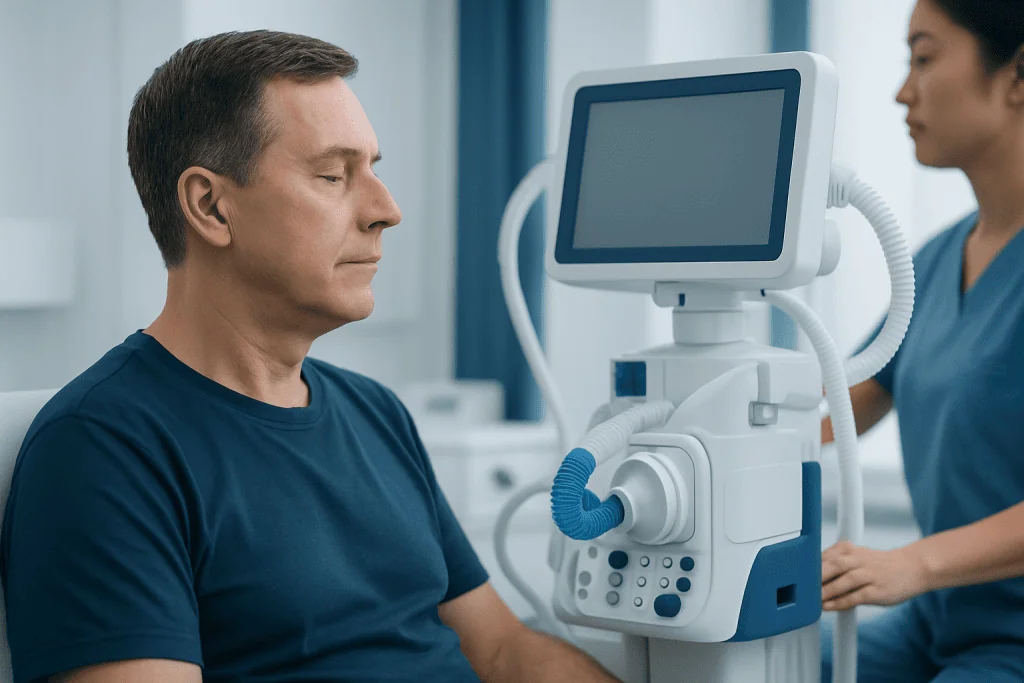
Meclizine is commonly used in two situations: motion sickness and vertigo. For motion sickness, it may be taken before travel to reduce nausea, vomiting, and dizziness triggered by car rides, boat trips, flights, or amusement rides. For vertigo, it may be used when the inner ear or balance system causes a false sensation that the room is moving or spinning.
Doctors sometimes recommend meclizine for short-term symptom control during vestibular flare-ups. This may include episodes related to inner ear conditions such as vertigo or related balance disorders. However, long-term daily use is not always ideal, especially if symptoms are ongoing, because suppressing the balance system for too long may slow the brain’s natural compensation in some patients.
Meclizine does not help every type of dizziness. Lightheadedness from dehydration, low blood pressure, anemia, heart rhythm problems, panic, or low blood sugar may need a very different evaluation and treatment. If the sensation is not true spinning or motion sensitivity, patients should not assume meclizine is the correct treatment simply because they feel “dizzy.”
How meclizine works and how to take it safely

Meclizine works by blocking certain histamine signals and reducing activity in pathways involved in nausea and balance. This can make the brain less reactive to motion or vestibular stimulation. As a result, symptoms may become milder and easier to tolerate, though the medicine can also cause sleepiness because it affects the nervous system more broadly.
Patients should follow the instructions provided by their doctor, pharmacist, or product label. The timing of use may matter. For motion sickness, it is often more helpful when taken before travel rather than after severe symptoms have already started. For vertigo, it may be used during symptomatic periods, but the best schedule depends on the cause, symptom pattern, age, and other medicines.
It is generally wise to avoid taking more than recommended or combining meclizine with other sedating drugs unless a clinician specifically advises it. Alcohol can increase drowsiness. Patients should also be cautious with driving, climbing, operating machinery, or any activity requiring alertness until they know how the medicine affects them.
For some patients with ongoing balance symptoms, non-drug strategies may be equally important. These can include hydration, sleep regularity, slow position changes, treatment of ear disease, or vestibular rehabilitation to help the brain adapt and improve balance function.
Possible side effects and drug interactions
The most common side effect of meclizine is drowsiness. Some patients also notice dry mouth, blurred vision, constipation, fatigue, or mild trouble concentrating. These effects are often related to the medicine’s anticholinergic and sedating properties. In some people, especially older adults, these effects can be more pronounced and may increase the risk of confusion or falls.
Less commonly, patients may experience urinary retention, worsening of narrow-angle glaucoma symptoms, or increased sensitivity to other medicines that depress the central nervous system. Meclizine can interact with sleeping pills, certain anxiety medicines, opioid pain medicines, muscle relaxants, and alcohol. Combining these substances may intensify sleepiness and impair coordination.
People with liver disease, enlarged prostate, glaucoma, asthma, or chronic urinary problems should let their clinician know before using meclizine. Older adults may be more sensitive to side effects, so medication review is especially important in this group. Even over-the-counter products can matter, because some cold and allergy medicines have similar sedating ingredients.
If side effects are troublesome or symptoms continue despite treatment, the next step should be reassessment rather than simply increasing the dose. Sometimes a different diagnosis, another medication, or a non-drug plan is more appropriate than continuing symptom suppression.
Who should be cautious with meclizine
Meclizine may not be ideal for everyone. Older adults often need special caution because they can be more vulnerable to sedation, slowed thinking, dry mouth, constipation, and balance problems. In a person already at risk for falls, a medicine intended to help dizziness may paradoxically make day-to-day function less safe if it causes marked sleepiness.
Pregnant or breastfeeding patients should ask a clinician whether meclizine is appropriate for their individual situation. Decisions in pregnancy depend on symptom severity, other health conditions, and whether non-drug approaches may help first. Children should use meclizine only under appropriate medical guidance or according to approved labeling for age.
Patients with ongoing dizziness should also be cautious about self-treating repeatedly without finding the cause. Vertigo can be linked to inner ear problems such as Meniere’s disease, positional vertigo, vestibular neuritis, migraine, medication side effects, or less commonly a neurological or cardiovascular disorder. A focused diagnosis helps ensure that treatment matches the real problem.
Diagnosis and treatment beyond meclizine
When dizziness or vertigo is persistent, recurrent, or atypical, doctors often look beyond symptom relief. The evaluation usually begins with a detailed description of the sensation, when it happens, how long it lasts, what triggers it, and whether it comes with hearing changes, headache, weakness, double vision, fainting, or chest symptoms. A physical examination may include blood pressure checks, neurological testing, eye movement assessment, and balance testing.
Depending on the findings, care may involve ear, nose, and throat specialists, neurologists, or cardiologists. Some patients need hearing tests, vestibular assessment, blood tests, or imaging. Others benefit from maneuvers for positional vertigo, migraine treatment, management of infections or inflammation, or review of medicines that may be contributing to dizziness.
Treatment should fit the diagnosis. For example, some patients with severe nausea from vestibular conditions may need ENT evaluation and treatment, while others with sudden severe symptoms or concern for a neurological cause may need neurology assessment. In selected cases, imaging such as MRI may be used to rule out structural causes. Symptom medicines like meclizine can be useful, but they are often only one part of the broader plan.
When to seek medical care
Medical care is important if dizziness is severe, lasts longer than expected, keeps returning, or interferes with walking, work, driving, or daily activities. Patients should also seek evaluation if meclizine does not help, if side effects are significant, or if they find themselves relying on it frequently without knowing why symptoms continue.
Urgent assessment is needed if dizziness or vertigo comes with warning signs such as chest pain, fainting, severe headache, sudden weakness, numbness, difficulty speaking, double vision, new confusion, trouble walking, or one-sided hearing loss. These symptoms can point to problems that need prompt medical attention rather than routine symptom treatment.
Patients should also contact a doctor if vomiting leads to dehydration, if dizziness follows a head injury, or if there is fever, ear pain, or new hearing change. Near the end of the care pathway, some international patients choose centers such as Acibadem International, where multidisciplinary specialists in JCI-accredited hospitals evaluate and treat balance, ear, and neurological conditions.
Frequently asked questions
What is meclizine mainly used for?
Meclizine is mainly used to prevent motion sickness and to reduce symptoms such as nausea, vomiting, dizziness, and vertigo. It is often helpful when symptoms are related to motion or the inner ear balance system.
Does meclizine make people sleepy?
Yes. Drowsiness is one of the most common side effects of meclizine. Patients should be careful with driving, drinking alcohol, or taking other sedating medicines until they know how it affects them.
Can meclizine treat the cause of vertigo?
Usually no. Meclizine helps control symptoms, but it does not correct many of the underlying conditions that can cause vertigo. If vertigo is frequent, severe, or new, medical evaluation is important to identify the cause.
Is meclizine safe for older adults?
It can be used in some older adults, but extra caution is often needed. Older patients may be more sensitive to sleepiness, confusion, dry mouth, constipation, and fall risk, so a clinician should review whether it is the best option.
Can meclizine be taken with other medicines?
Sometimes, but interactions are possible. Medicines that cause sedation, such as sleep aids, opioids, some anxiety medicines, and alcohol, can increase drowsiness and impair coordination when combined with meclizine.
When should someone see a doctor instead of just taking meclizine?
A doctor should evaluate dizziness that is severe, persistent, recurring, or accompanied by warning signs such as chest pain, fainting, weakness, trouble speaking, double vision, or sudden hearing loss. It is also sensible to seek care if meclizine does not help or causes bothersome side effects.
References
- U.S. National Library of Medicine
- MedlinePlus
- National Institute on Deafness and Other Communication Disorders
- American Academy of Otolaryngology–Head and Neck Surgery
- National Health Service
This article is for general information only and is not a substitute for professional medical advice. Please consult a qualified doctor about your individual situation.
Persistent digestive symptoms? Get evaluated in Turkey
JCI-accredited · board-certified surgeons · reply within 24h
Add us as a Preferred Source to see more of our trusted health content across Google Search, AI Overviews and Discover.
Check your numbers in seconds
BMI, calories, due date, blood pressure and 30+ more clinical calculators — free, instant, doctor-reviewed ranges.