Medical Technology in Turkey: What International Patients Can Expect

Turkey offers many modern hospital technologies, including advanced imaging, robotic and minimally invasive surgery, and digital patient systems. International patients can expect technology to be used alongside specialist evaluation, not as a replacement for clinical judgment.
Key Takeaways
- Turkey offers many modern hospital technologies, including advanced imaging, robotic and minimally invasive surgery, and digital patient systems.
- International patients can expect technology to be used alongside specialist evaluation, not as a replacement for clinical judgment.
- Pre-travel planning should include questions about accreditation, interpreter support, treatment timelines, and follow-up arrangements.
- The right technology depends on the person’s condition, goals, and overall health.
- A clear treatment plan, records review, and multidisciplinary care coordination can improve the patient experience.
Medical technology in Turkey includes advanced imaging, minimally invasive surgery, digital hospital systems, and coordinated care designed to support accurate diagnosis and treatment. For international patients, understanding how these technologies are used can make planning care abroad clearer and more reassuring.
Overview: What medical technology in Turkey means for patients
Medical technology in Turkey refers to the tools, systems, and techniques hospitals use to diagnose, treat, monitor, and support patients. For international patients, this often includes modern imaging equipment, laboratory systems, minimally invasive surgical platforms, digital medical records, and telemedicine support. These technologies are commonly found in large private hospitals and academic centers, especially in major cities.
Technology can improve the patient journey in several ways. It may help doctors identify a condition more precisely, plan treatment in greater detail, reduce the size of surgical incisions, and monitor recovery more closely. In many cases, this can support shorter hospital stays, faster return to daily activities, and better communication between departments.
It is also important to understand that advanced technology is only one part of care. Good outcomes depend on the experience of the medical team, the hospital’s safety processes, the patient’s overall health, and whether the proposed treatment is truly appropriate. International patients are often best served when technology is combined with multidisciplinary planning and clear communication.
Types of technology international patients may encounter
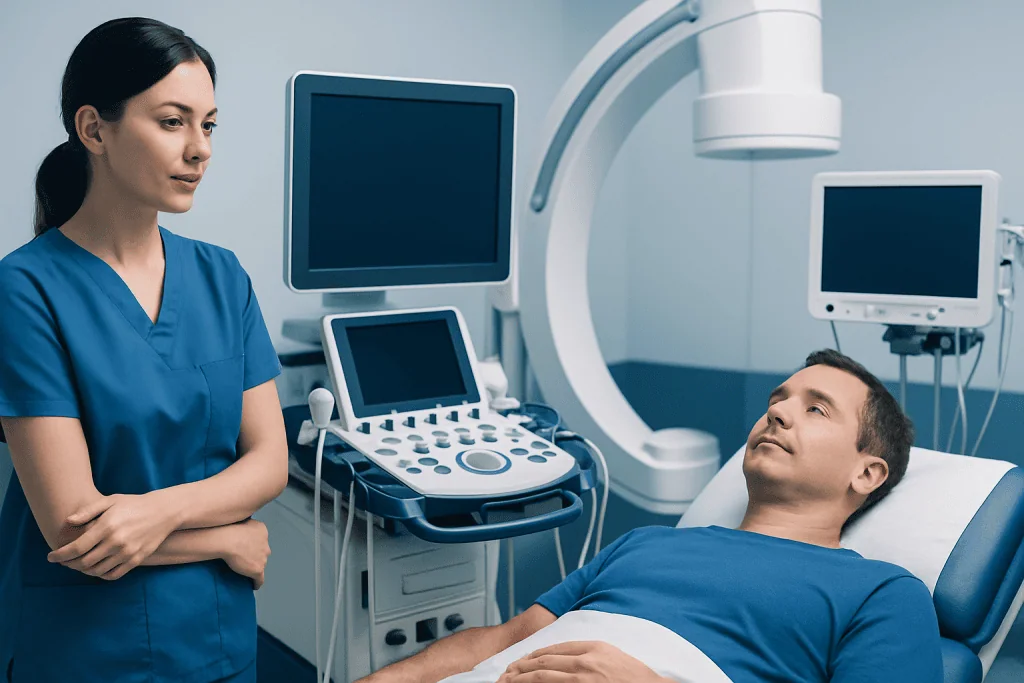
Patients traveling to Turkey may encounter a wide range of healthcare technologies depending on their needs. In diagnosis, common examples include high-resolution ultrasound, digital X-ray, computed tomography, magnetic resonance imaging, endoscopy systems, pathology platforms, and advanced laboratory testing. These tools help clinicians examine organs, blood markers, tissues, and body structures in detail.
In treatment, many hospitals use minimally invasive and image-guided methods. These may include laparoscopic surgery, endoscopic procedures, interventional radiology, navigation-assisted techniques, and in selected cases robotic surgery. Such approaches are often used to improve precision and reduce trauma to surrounding tissues.
Digital systems are another important part of modern care. Electronic health records, picture archiving systems for scans, online appointment tools, and secure sharing of reports can make pre-travel review and in-hospital coordination smoother. Some centers also use teleconsultation platforms so patients can discuss findings or follow-up plans after returning home.
Technology may also be seen in rehabilitation and monitoring. Examples include advanced physiotherapy equipment, cardiac monitoring, anesthesia safety systems, intensive care monitoring, and infection-control technologies. The exact mix depends on the hospital, the specialty involved, and the complexity of the case.
How technology supports diagnosis and treatment planning
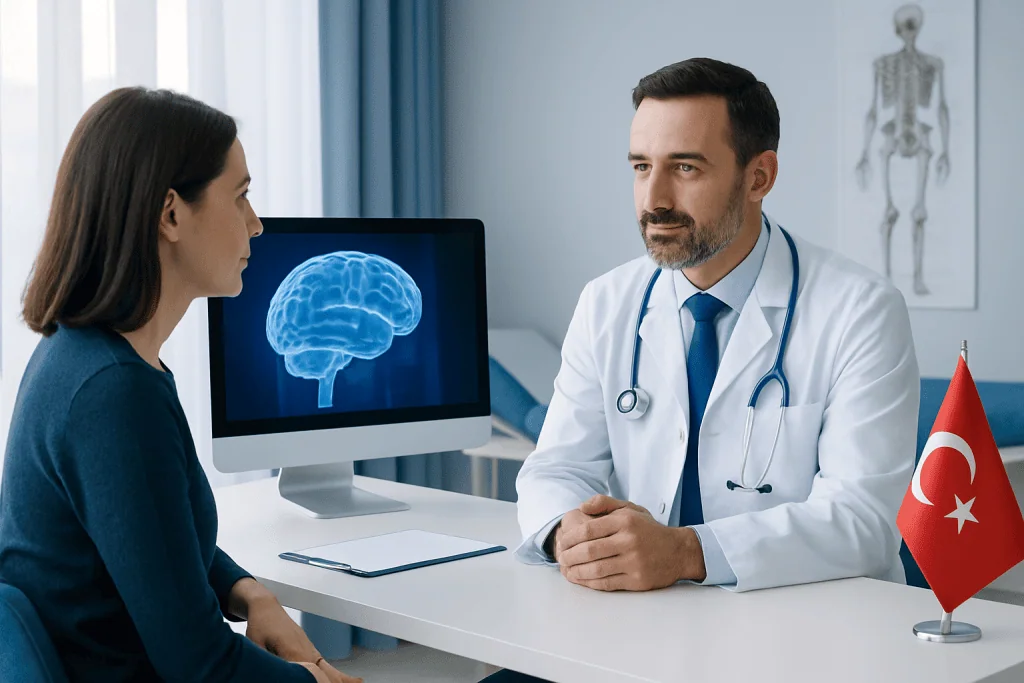
One of the main benefits of modern medical technology is more informed decision-making. Before a treatment plan is made, hospitals may review prior records, repeat key tests if needed, and use imaging or laboratory data to confirm the diagnosis. For international patients, this process can help avoid unnecessary procedures and ensure that travel is worthwhile.
Detailed imaging and digital planning are especially useful for complex care. In orthopedics, neurosurgery, cardiology, and cancer care, precise measurements and visualization can guide treatment choices. For some people, advanced diagnostic tools lead to earlier detection or help distinguish between conditions that have similar symptoms.
Technology can also support team-based care. Surgeons, radiologists, pathologists, anesthesiologists, and other specialists may review the same digital records and images, allowing coordinated decisions. This can be helpful when a person’s treatment involves more than one department, such as surgery plus rehabilitation, or diagnostics followed by targeted intervention.
Even with sophisticated tools, patients should expect doctors to focus on the whole clinical picture. Symptoms, examination findings, medical history, and personal preferences remain central. The goal is not simply to use the newest device, but to choose the safest and most suitable option for that individual.
What international patients can expect before, during, and after arrival
Before arrival, many international patients first share medical records, imaging reports, pathology results, and a summary of their condition. A hospital may ask for translations or original scan files to allow a more complete review. Based on this information, the care team can suggest whether an in-person consultation, repeat testing, or treatment abroad is appropriate.
After arrival, patients often have a coordinated schedule of consultations and tests. International patient departments may assist with appointments, interpreters, and logistics. In technologically advanced hospitals, digital systems can make it easier for different departments to access the same information, reducing duplication and helping care proceed efficiently.
During treatment, technology may be used for real-time imaging, surgical navigation, anesthesia monitoring, and post-procedure observation. Patients should still expect standard safety steps such as consent discussions, identity checks, and explanation of benefits and risks. Advanced equipment supports care, but careful clinical protocols remain essential.
After discharge, some hospitals provide digital copies of results, operative notes, and follow-up instructions. Telemedicine or remote review may be available for selected cases. This can be especially helpful for international patients who need continuity of care with both the Turkish team and doctors in their home country.
Questions to ask when evaluating hospitals and technology
Not every patient needs the same level of technology, and not every hospital offers the same services. It is reasonable to ask which tools are relevant to the planned diagnosis or treatment and how often the team uses them. A useful question is whether the technology changes the treatment approach in a meaningful way for that particular condition.
Patients may also want to ask about accreditation, specialist experience, infection prevention, intensive care support, interpreter availability, and how follow-up will be handled after returning home. If surgery is being considered, it can help to ask whether a minimally invasive option is possible and what recovery differences to expect.
Questions about diagnostics are also important. For example, patients can ask whether previous scans are sufficient or need to be repeated, how pathology is reviewed, and how long test results usually take. If a complex procedure is planned, asking how the hospital coordinates multiple specialties can provide additional reassurance.
A thoughtful discussion may include areas such as:
- Which technologies are relevant for this specific condition?
- Is the proposed treatment standard, minimally invasive, image-guided, or robotic?
- Who will review the scans, lab results, and pathology?
- What is the expected hospital stay and recovery pathway?
- How will records and follow-up recommendations be shared after discharge?
Benefits, limits, and practical considerations
Modern medical technology can bring meaningful benefits, including more accurate diagnosis, smaller incisions, less blood loss in some procedures, and more organized care coordination. Digital systems can also improve communication and allow patients to access records more easily. For people traveling from abroad, these features may make the treatment experience more structured and understandable.
At the same time, technology has limits. Not every advanced device is necessary for every patient, and newer does not always mean better. In some situations, a conventional treatment may be the safest or most appropriate option. A balanced hospital team should explain why a certain approach is recommended and whether there are alternatives.
Practical issues matter too. International patients should consider travel timing, recovery needs, possible language support, family accompaniment, and whether postoperative follow-up can be shared with doctors at home. If a procedure could require rehabilitation, wound care, or repeat assessments, these arrangements should be discussed in advance.
For patients seeking care in a major center, it may be helpful to know that Acibadem International’s multidisciplinary specialists and JCI-accredited hospitals diagnose and treat international patients using advanced digital, imaging, and surgical technologies, with coordinated support across specialties when appropriate.
Making an informed decision about care in Turkey
Choosing treatment abroad is an important decision, and technology should be viewed as one part of the overall picture. Patients are often best served when they compare specialist expertise, hospital standards, diagnostic capacity, communication quality, and follow-up planning together. A clear explanation of why a technology is being recommended is usually more important than the equipment name alone.
Patients may benefit from obtaining a second opinion, especially for major surgery, cancer treatment, neurological conditions, or heart procedures. This can help confirm the diagnosis and clarify whether travel is likely to add value. In some cases, advanced imaging or specialist review in Turkey may be enough; in others, a full treatment plan may be appropriate.
If a patient has a condition that may involve high-tech treatment pathways, it can be helpful to understand the broader clinical context. For example, modern tools may support care for cancer, heart disease, or brain tumor management, but the ideal approach still depends on the specific diagnosis, stage, symptoms, and patient goals.
Informed decisions usually come from asking practical questions, sharing complete records, and discussing expectations openly with qualified doctors. With careful planning, international patients can better understand what medical technology in Turkey can offer and whether it fits their personal healthcare needs.
Frequently asked questions
Is medical technology in Turkey comparable to that in other countries?
Many large hospitals in Turkey use modern diagnostic and treatment technologies similar to those used in established international centers. The exact level of technology varies by hospital and specialty, so patients should review the specific facility, team expertise, and accreditation before making plans.
Does advanced technology always mean better treatment?
Not always. The best treatment depends on the diagnosis, the patient’s health, and the experience of the medical team. Advanced tools can improve precision and planning, but they should be used when they are truly appropriate for the individual case.
Will international patients need to repeat tests after arriving in Turkey?
Sometimes. A hospital may accept previous reports, but repeat imaging, blood tests, or pathology review may be recommended if earlier studies are incomplete, outdated, or not directly comparable. This is often done to confirm the diagnosis and plan treatment safely.
Are digital records and remote follow-up commonly available?
Many modern hospitals provide digital access to reports, imaging, and discharge summaries. Some also offer telemedicine or remote follow-up for selected patients, which can be helpful after returning home. Patients should ask in advance how records will be shared and who will manage follow-up questions.
What should patients ask before choosing a hospital in Turkey?
It is helpful to ask about accreditation, specialist qualifications, the technologies relevant to the condition, interpreter support, expected timelines, and post-treatment follow-up. Patients should also ask whether the recommended approach is standard for their condition and what alternatives may exist.
Is robotic surgery available for all conditions?
No. Robotic surgery is used for selected procedures and is not necessary or suitable in every case. Whether it is recommended depends on the type of condition, the patient’s anatomy, the surgeon’s expertise, and whether it offers a real clinical advantage.
References
- World Health Organization
- Joint Commission International
- Organisation for Economic Co-operation and Development
- European Society of Radiology
- American College of Surgeons
This article is for general information only and is not a substitute for professional medical advice. Please consult a qualified doctor about your individual situation.
Explore treatments in Turkey — costs, top hospitals & a free quote
JCI-accredited · board-certified surgeons · reply within 24h
Add us as a Preferred Source to see more of our trusted health content across Google Search, AI Overviews and Discover.