Medicines for Stroke: What Doctors Give, When They Help, and Important Limits

Stroke medicines differ for ischemic stroke, hemorrhagic stroke, and transient ischemic attack (TIA). Timing matters greatly, especially for clot-busting treatment in ischemic stroke.
Key Takeaways
- Stroke medicines differ for ischemic stroke, hemorrhagic stroke, and transient ischemic attack (TIA).
- Timing matters greatly, especially for clot-busting treatment in ischemic stroke.
- Some medicines treat the emergency, while others help prevent another stroke later.
- Doctors choose treatment based on brain imaging, symptoms, medical history, and bleeding risk.
- No medicine can reverse every stroke, so rapid emergency care remains essential.
Medicines for stroke can be lifesaving, but they are not one-size-fits-all. The right treatment depends on whether the stroke is caused by a blocked blood vessel or bleeding in the brain, how quickly care begins, and the person’s overall health.
Overview: What medicines for stroke are used for
Medicines for stroke are used for two main goals: treating the stroke emergency and reducing the chance of another stroke in the future. Which medicines a person receives depends first on the type of stroke. An ischemic stroke happens when a blood clot blocks blood flow to part of the brain. A hemorrhagic stroke happens when a blood vessel ruptures and causes bleeding in or around the brain. Because these two situations are very different, the medicines used can also be very different.
For ischemic stroke, doctors may use medicines to dissolve a clot, prevent a clot from growing, or lower the risk of new clots forming later. For hemorrhagic stroke, the focus is usually not on clot-dissolving drugs. Instead, treatment may involve medicines that help control blood pressure, reduce complications, and reverse the effects of blood thinners if a person was taking them before the stroke.
Many people also hear the term TIA, or transient ischemic attack, sometimes called a mini-stroke. A TIA does not cause permanent brain injury in the same way a full stroke can, but it is a serious warning sign. Medicines after a TIA may help reduce the risk of a future stroke, especially when started promptly under medical supervision.
Medicines are only one part of stroke care. Brain imaging, close monitoring, supportive care, and sometimes procedures are also important. In some patients with a blocked large artery, a doctor may recommend mechanical thrombectomy to physically remove the clot. This is why emergency evaluation is so important whenever stroke symptoms begin.
When doctors give stroke medicines and why timing matters
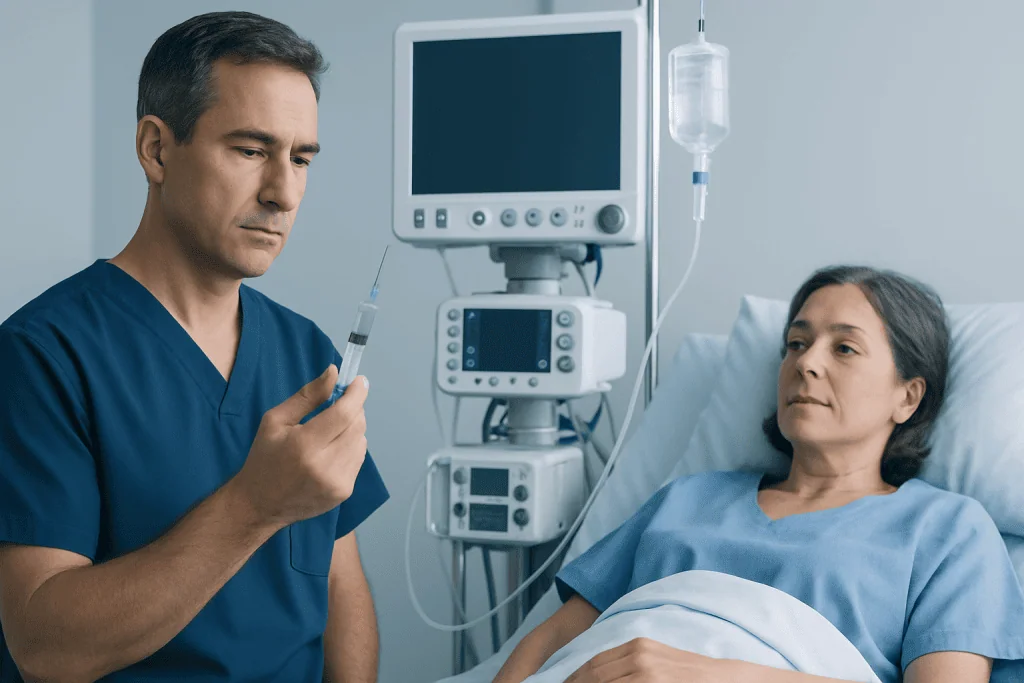
Stroke treatment is highly time-sensitive. In ischemic stroke, part of the brain is being deprived of oxygen, so restoring blood flow as quickly as safely possible may improve the chance of recovery. Doctors often say that rapid treatment helps save brain tissue. This is one reason why sudden weakness, facial drooping, speech difficulty, severe confusion, vision changes, or loss of balance should be treated as a medical emergency.
Before giving any stroke-specific medicine, the medical team usually performs urgent brain imaging, often with a CT scan or MRI. These tests help determine whether the stroke is caused by a blockage or by bleeding. Giving a clot-busting medicine to someone who is actually having a hemorrhagic stroke could be dangerous, so identifying the stroke type comes first.
Some emergency medicines can only be used within a certain time window after symptoms begin, and only if the person meets strict safety criteria. Doctors also consider blood pressure, blood sugar, current medications, recent surgery, and any history of bleeding. Even when a medicine is effective, it may not be suitable for every patient.
After the emergency phase, treatment often shifts toward preventing another stroke. That may include antiplatelet medicines, anticoagulants, cholesterol-lowering drugs, and medicines to control blood pressure or diabetes. People recovering from a stroke may also need rehabilitation and evaluation for underlying causes such as carotid artery disease or heart rhythm problems.
Medicines used for ischemic stroke

In an acute ischemic stroke, one important medicine may be an intravenous clot-busting drug, also called thrombolytic therapy. This medicine is designed to dissolve the clot and reopen the blocked blood vessel. It is used only in selected patients after imaging confirms there is no brain bleeding and after doctors assess whether the expected benefit outweighs the risk of serious bleeding.
Not everyone with ischemic stroke receives a clot-busting medicine. Some people arrive too late for the treatment window, while others have medical reasons that make it unsafe. Even when it is given promptly, it does not guarantee a full recovery. Still, in the right setting, it can be an important part of emergency care. In some cases, doctors may combine medication-based treatment with comprehensive stroke treatment in a specialized stroke center.
After the emergency phase, many patients are prescribed antiplatelet medicines. These help reduce the tendency of platelets to clump together and form clots. Aspirin is a common example, and some people may need short-term dual antiplatelet therapy or a different antiplatelet medicine depending on the cause of the stroke and their overall risk profile.
Other medicines may also be started after ischemic stroke, including statins to lower cholesterol and help stabilize blood vessel plaques, as well as medications to control blood pressure, diabetes, or other risk factors. If the stroke is linked to severe narrowing in the neck arteries, doctors may investigate whether carotid endarterectomy could be helpful in carefully selected patients.
Medicines used when stroke is caused by bleeding
Hemorrhagic stroke is treated very differently from ischemic stroke. In this situation, the problem is bleeding in the brain rather than a clot blocking blood flow. For that reason, clot-busting drugs and many blood-thinning medicines are not used in the acute phase. Instead, treatment focuses on stabilizing the patient, limiting further bleeding, and reducing pressure or other complications.
One of the most important medical steps may be careful blood pressure control. High blood pressure can worsen bleeding in some patients, so doctors may use intravenous medicines to lower it safely. The exact target depends on the person’s condition, imaging findings, and overall neurological status.
If the person was already taking an anticoagulant or other blood thinner before the stroke, doctors may give reversal medicines to counteract its effect. The choice depends on which medicine the person had been taking. This is an important reason patients and family members should tell the medical team about all prescription drugs, over-the-counter medicines, and supplements as soon as possible.
Some patients with hemorrhagic stroke also need neurosurgical or endovascular treatment, especially if there is significant pressure, a vascular abnormality, or bleeding around the brain. The medical team may investigate causes such as uncontrolled hypertension, aneurysm, or other vessel disorders. Conditions such as brain aneurysm can require specialized treatment in addition to supportive medical care.
Medicines that help prevent another stroke
After the immediate emergency is treated, preventing a second stroke becomes a major goal. The best preventive medicines depend on why the stroke happened. If the stroke was caused by a clot from a heart rhythm problem such as atrial fibrillation, doctors often prescribe anticoagulants rather than antiplatelet drugs. Anticoagulants lower the blood’s ability to form dangerous clots, but they also increase bleeding risk, so the decision must be individualized.
If the stroke was due to artery disease rather than a heart-origin clot, antiplatelet medicines are often the main option. Some people may take a single antiplatelet medicine long term, while others may need a combination for a limited period after a minor stroke or TIA. Doctors balance the benefit of preventing clots with the risk of stomach irritation, bruising, or bleeding.
Statins are also commonly used after ischemic stroke or TIA, even in people who do not think of themselves as having high cholesterol. These medicines help reduce future vascular risk and may stabilize plaques inside arteries. Blood pressure medicines, diabetes treatment, and smoking cessation support are equally important parts of prevention.
Doctors also look for treatable structural causes. For example, narrowing in the carotid arteries, a heart valve problem, or a small opening in the heart may change the prevention plan. Stroke prevention is most effective when medication is combined with risk-factor control, follow-up visits, and adherence to the plan recommended by a qualified clinician.
Important limits, side effects, and safety concerns
Medicines for stroke can be very helpful, but they have important limits. First, they are not interchangeable. A drug that helps one type of stroke may be harmful in another. That is why people should never take extra aspirin, stop prescribed medicines, or try to self-treat new stroke symptoms at home unless a doctor specifically advised a plan for them.
Second, even the right medicine cannot always undo brain injury that has already occurred. Clot-busting therapy works best in carefully selected patients treated quickly, but some people are not eligible because they arrive too late or have a high bleeding risk. Likewise, preventive medicines reduce risk; they do not remove it completely.
Side effects vary by medicine. Antiplatelet drugs can increase bruising and bleeding. Anticoagulants can cause serious bleeding in some patients and may interact with other medicines or supplements. Blood pressure medicines may need dose adjustments, and statins can sometimes cause muscle symptoms or changes in liver tests. This is why regular follow-up matters.
Patients should tell their doctor about any falls, black stools, unusual bruising, severe headaches, weakness, confusion, or new neurological symptoms while taking stroke-related medicines. A care plan may also include rehabilitation, lifestyle counseling, and, when appropriate, specialized hospital-based care. Near the end of treatment planning, some international patients choose centers such as Acibadem International, where multidisciplinary specialists in JCI-accredited hospitals diagnose and treat stroke and related conditions.
Self-care, recovery, and when to seek urgent help
Recovery after stroke often includes much more than medication. Physical therapy, speech therapy, occupational therapy, and emotional support can all play an important role. Taking medicines exactly as prescribed is essential, but so is managing blood pressure, cholesterol, blood sugar, sleep, nutrition, and exercise according to the medical team’s advice.
People recovering from stroke should keep an up-to-date list of their medicines and know why each one is prescribed. It can help to use a pill organizer, set reminders, and attend follow-up visits. Family members or caregivers may also be encouraged to learn the warning signs of stroke recurrence and the possible side effects of blood-thinning medicines.
Urgent medical help is needed right away for possible stroke symptoms, even if they seem to improve. Warning signs include sudden face drooping, arm weakness, speech trouble, sudden severe imbalance, vision loss, or confusion. Sudden severe headache, especially with vomiting or loss of consciousness, also needs emergency evaluation because it may suggest bleeding in the brain.
Patients should also contact a doctor promptly if they have medication-related concerns such as heavy bleeding, repeated falls, fainting, severe weakness, allergic symptoms, or troubling side effects. Timely communication can help doctors adjust treatment safely and support the best possible recovery.
Frequently asked questions
What is the main medicine doctors give for a stroke?
There is no single medicine used for every stroke. For an ischemic stroke, some patients may receive a clot-busting medicine if they arrive quickly and meet safety criteria. For a hemorrhagic stroke, treatment usually focuses on blood pressure control, supportive care, and reversing blood thinners when needed.
Can aspirin be taken during a stroke?
Aspirin may be helpful after some ischemic strokes, but it should not be taken automatically when symptoms first start. The stroke type must be confirmed first because aspirin can be unsafe in a bleeding stroke. Emergency evaluation is the safest first step.
Do stroke medicines cure the damage completely?
Stroke medicines can improve outcomes, but they do not always reverse all damage. Their benefit depends on the type of stroke, how quickly treatment begins, and the area of the brain involved. Many patients also need rehabilitation to regain function.
What is the difference between antiplatelets and anticoagulants after stroke?
Antiplatelets reduce the clumping of platelets and are often used when stroke is related to artery disease. Anticoagulants affect clotting proteins and are commonly used when the stroke risk comes from conditions such as atrial fibrillation. Doctors choose between them based on the cause of the stroke and the person’s bleeding risk.
Are blood thinners always given after a stroke?
No. Some patients need antiplatelet medicines, some need anticoagulants, and some should avoid blood-thinning drugs for a time, especially after a hemorrhagic stroke. The decision depends on brain imaging, stroke cause, and overall safety considerations.
How long do people need to take medicines after a stroke?
The duration varies. Some medicines are used only in the emergency phase, while others, such as blood pressure treatment, statins, or antiplatelet therapy, may be needed long term. A doctor should decide the plan based on the patient’s stroke type and risk factors.
This article is for general information only and is not a substitute for professional medical advice. Please consult a qualified doctor about your individual situation.
Explore treatments in Turkey — costs, top hospitals & a free quote
JCI-accredited · board-certified surgeons · reply within 24h
Add us as a Preferred Source to see more of our trusted health content across Google Search, AI Overviews and Discover.
Check your numbers in seconds
BMI, calories, due date, blood pressure and 30+ more clinical calculators — free, instant, doctor-reviewed ranges.

More from the Health Library

Stroke vs Seizure: How Doctors Tell the Difference in an Emergency

How Is a Stroke Diagnosed? Brain Scans, Exams, and Emergency Tests
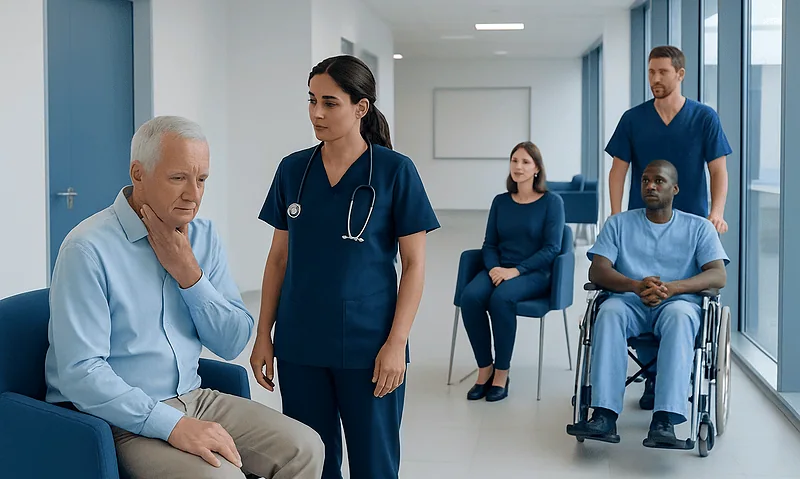
Swallowing Problems After Stroke: Aspiration Risk, Testing, and Safe Eating
Stroke Aftercare at Home: Safe Eating, Mobility, and Medication Tips
What Causes a Stroke? Common Triggers and Modifiable Risk Factors