Meibomian Gland Dysfunction Treatment: How It Works, Results and What to Expect

Meibomian gland dysfunction (MGD) is a common cause of evaporative dry eye, often linked with thickened or blocked gland secretions. Treatment is usually gradual and ongoing because the condition can be chronic, but symptoms often become more manageable with consistent care.
Key Takeaways
- Meibomian gland dysfunction (MGD) is a common cause of evaporative dry eye, often linked with thickened or blocked gland secretions.
- Treatment is usually gradual and ongoing because the condition can be chronic, but symptoms often become more manageable with consistent care.
- An eye examination can assess gland openings, tear-film stability, eyelid inflammation and other possible causes of discomfort.
- Office-based heating and gland expression may be considered when home care alone does not adequately improve blockage or symptoms.
- Urgent assessment is important for severe eye pain, sudden vision loss, marked light sensitivity, injury or a very red eye.
Meibomian gland dysfunction treatment aims to restore the oily layer of the tear film, reduce tear evaporation and ease symptoms such as burning, fluctuating vision and eyelid irritation. Most people benefit from a consistent care plan that may include warm compresses, eyelid hygiene, lubricating drops and, when needed, office-based treatment guided by an eye specialist.
Overview: How Meibomian Gland Dysfunction Treatment Works
Meibomian gland dysfunction treatment works by improving the flow of meibum, an oil made by tiny glands along the eyelid margins. This oil forms the outer layer of the tear film and slows tear evaporation. When the oil becomes thick, the gland openings become blocked, or the glands produce too little oil, tears evaporate quickly and the eye surface may feel dry or irritated.
Care is tailored to the person’s symptoms, examination findings and contributing conditions. A plan may begin with regular heat, gentle lid hygiene and preservative-free lubricating eye drops. If blockage, inflammation or persistent symptoms are present, an ophthalmologist may recommend prescription treatment or an in-office procedure that heats the eyelids and expresses obstructed gland contents.
The goal is not simply to make the eyes feel wet for a short time. Effective care supports healthier tear-film function, protects the ocular surface and helps prevent recurring irritation. Since MGD may be long-lasting, maintenance treatment is commonly needed even after symptoms improve.
Symptoms, Causes and Who May Benefit From Treatment
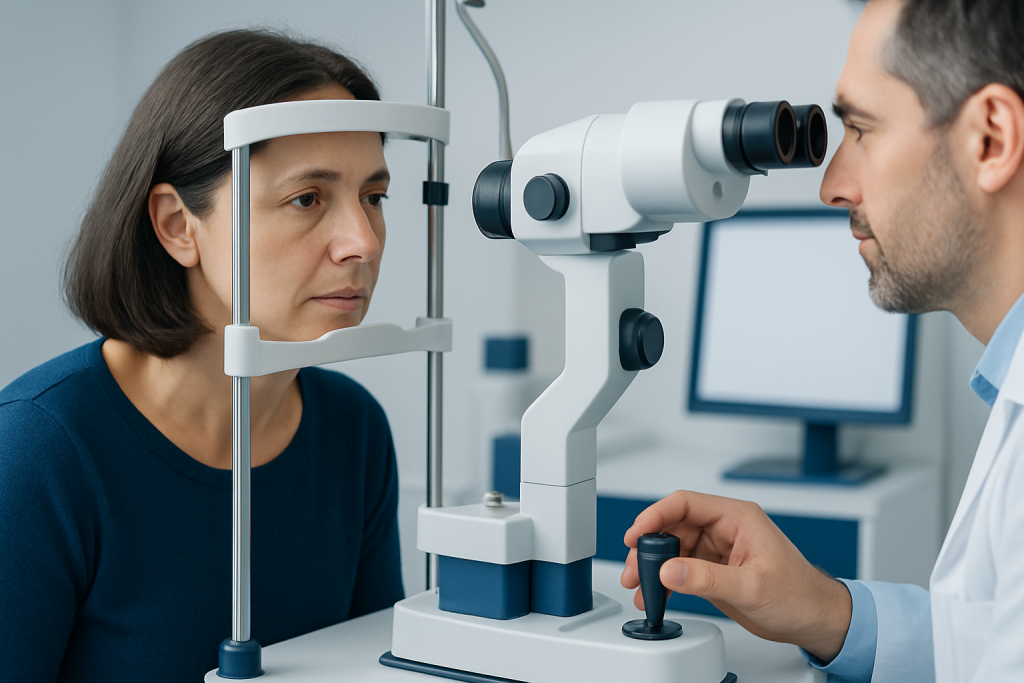
MGD can cause burning, stinging, grittiness, itching, watering, red eyes, crusting at the lashes and a sensation that something is in the eye. Vision may blur intermittently, especially during reading, computer use or driving, then clear after blinking. Paradoxically, watery eyes can occur because surface dryness triggers reflex tearing.
People may be more likely to develop MGD with increasing age, rosacea, blepharitis, allergic eye disease, hormonal changes, contact lens wear or prolonged screen use. Some medicines and environmental factors, including dry air, wind, smoke and air conditioning, can worsen dry-eye symptoms. Makeup residue or incomplete removal of eye cosmetics may also contribute to eyelid-margin irritation.
People with symptoms suggestive of evaporative dry eye may benefit from assessment by an optometrist or ophthalmologist. Treatment can also be useful for people whose symptoms continue despite over-the-counter drops, those with visible lid-margin inflammation, and those preparing for certain eye procedures where a stable tear film is important.
MGD often occurs alongside other eye-surface conditions. An eye specialist can distinguish it from <a href="https://acibademinternational.com/diseases/allergic-conjunctivitis/”>allergic conjunctivitis, infection, aqueous-deficient dry eye and other causes of red or uncomfortable eyes.
How to Tell If Meibomian Glands Are Working

Meibomian glands cannot be reliably assessed by symptoms alone. During an eye examination, the clinician looks at the eyelid margins and gland openings, evaluates the quality of the tear film and may apply gentle pressure to the lids to see whether oil is expressed. Healthy meibum is generally clear and flows relatively easily; obstructed glands may release thick, cloudy, toothpaste-like material or no secretion.
Tests may also assess tear breakup time, staining of the eye surface and the amount of tear production. Some practices use meibography, a non-invasive imaging method that shows the structure and possible loss of meibomian glands. These findings help guide treatment and establish a useful baseline for follow-up.
At home, comfort after blinking and reduced dryness can suggest that tear-film function is improving, but they do not prove that gland function has fully recovered. Squeezing the eyelids to express glands is not recommended, as excessive pressure can irritate the lid margin or eye surface. Professional assessment is the safest way to monitor progress.
Treatment Options and What an Office Procedure Involves
Initial meibomian gland dysfunction treatment commonly includes warm compresses, followed by gentle lid massage or cleaning as instructed by an eye-care professional. Warmth helps soften thickened oil, while careful cleaning can reduce debris and inflammation around the lash line. Preservative-free artificial tears may reduce symptoms by improving lubrication and supporting the tear film.
Depending on the cause and severity, a clinician may also advise treatment for associated blepharitis, rosacea, allergy or ocular-surface inflammation. Prescription eye drops, ointments or oral medicines may be appropriate for selected people, but the choice depends on examination findings, medical history and potential side effects. Antibiotics are not routinely needed for every case of MGD.
For persistent blockage, office-based therapies may combine controlled heat with pulsation, massage or manual expression to loosen and clear gland secretions. The clinician first reviews symptoms and eye health, then positions a device or applies heat to the eyelids. After the oil has softened, gentle pressure may be used to encourage drainage. The appointment is generally performed without surgery, and the exact technique varies by device and clinical need.
These procedures are most suitable when there is evidence of obstructed glands and symptoms have not responded sufficiently to a consistent home routine. They may not be appropriate during an active eye infection or in every type of dry eye. An ophthalmologist can explain whether an office procedure is likely to add benefit alongside daily care.
How Long Does It Take to Unblock Meibomian Glands?
The time needed to unblock meibomian glands varies considerably. A single professionally supervised heating and expression session may improve the release of thickened oil immediately, but it does not necessarily resolve chronic gland dysfunction in one visit. The surrounding inflammation, gland structure and consistency of ongoing eyelid care all affect the response.
With home measures, it can take several weeks of regular warm compresses and lid hygiene before changes are noticeable. Glands that have been blocked for a long time may need repeated treatment, and severely damaged or lost glands cannot always be restored. The aim is to improve the function of remaining glands and reduce symptoms, rather than promise complete reversal.
Patients should follow the schedule recommended by their eye specialist and avoid increasing heat or pressure in an attempt to speed results. Excessive heat can injure the skin, and vigorous massage can worsen irritation. A review appointment allows the care plan to be adjusted according to gland expression, tear-film findings and comfort.
How Long Does It Take for MGD to Improve? Recovery, Benefits and Risks
Some people notice less burning, grittiness or fluctuating vision within days to weeks of beginning a consistent routine. More meaningful improvement often develops over several weeks, while treatment of persistent MGD may take months and require long-term maintenance. Symptoms can fluctuate with weather, screen use, general health and adherence to treatment.
The potential benefits of treatment include more stable vision, less eye-surface irritation, reduced dependence on frequent lubricating drops and improved contact lens comfort for some people. Results differ because dry eye commonly has more than one cause. Addressing meibomian gland blockage may help substantially, but additional treatment may be needed if tear production is low or inflammation is significant.
Warm compresses and office-based therapies are usually well tolerated when provided or recommended by qualified professionals. Temporary redness, tenderness, irritation or blurred vision can occur after gland expression or other procedures. Prescription medicines can have their own risks, which should be discussed with the prescribing clinician. Contact an eye-care professional promptly if symptoms become substantially worse after treatment.
Acibadem International’s multidisciplinary specialists and JCI-accredited hospitals assess and treat eye-surface conditions, including MGD, for international patients when specialist evaluation is needed.
What Worsens Meibomian Gland Dysfunction? Prevention and Self-care
MGD may worsen when blinking is reduced during screen work, reading or other close visual tasks. Incomplete blinking allows the tear film to evaporate more quickly and may reduce the natural movement of oil from the glands. Taking regular visual breaks, blinking fully and adjusting screen height can help support comfort.
Dry, smoky, windy or air-conditioned environments may increase symptoms. Humidifying indoor air where appropriate, avoiding direct airflow toward the face and using protective eyewear outdoors can be useful. Good hydration supports general health, although drinking extra water alone does not treat blocked glands.
Eye makeup and skin-care products should be removed gently and completely, particularly along the lash line. People should avoid sharing eye cosmetics and replace them regularly. Contact lens users who develop discomfort should discuss lens wear, cleaning practices and possible temporary breaks with their eye-care professional.
Managing associated rosacea, allergies and eyelid inflammation may also reduce flare-ups. It is best not to use redness-relieving drops frequently without advice, because some products can worsen dryness or cause rebound redness. A clinician can recommend an appropriate lubricating drop and an eyelid-care routine.
When to Seek Medical Care
Arrange a non-urgent eye-care appointment for persistent dryness, burning, fluctuating vision, repeated styes, eyelid crusting or symptoms that do not improve with basic measures. Assessment is particularly important before starting prescription treatment or an office procedure, since symptoms similar to MGD can have other causes.
Seek urgent medical care for severe eye pain, a sudden decrease in vision, a new curtain or shadow in vision, marked sensitivity to light, significant swelling, chemical exposure, eye injury or a very red eye with discharge. These symptoms are not typical of uncomplicated MGD and require timely evaluation.
People with autoimmune disease, prior eye surgery, contact lens-related pain or immune suppression should seek individualized advice promptly if they develop eye symptoms. A qualified eye-care professional can determine whether MGD is present and create a safe treatment plan based on the health of the eyes and eyelids.
Frequently asked questions
Can meibomian gland dysfunction be cured?
MGD is often a chronic condition, so it may require ongoing management rather than a one-time cure. Consistent eyelid care and treatment of contributing factors can reduce symptoms and improve gland function for many people. An eye specialist can review whether the condition is stable, improving or needs a different approach.
Are warm compresses enough for meibomian gland dysfunction treatment?
Warm compresses can be helpful, particularly in mild MGD, but they may not be enough for everyone. Their effectiveness depends on using safe warmth consistently and following any eyelid-care instructions. Persistent symptoms, recurrent styes or vision changes should be assessed by an eye-care professional.
Can MGD cause blurry vision?
Yes. An unstable tear film can cause vision that becomes blurry or fluctuates between blinks, often during screen use or reading. Blurring can also have many other causes, so new, worsening or persistent vision changes should be evaluated.
Is meibomian gland expression painful?
Professional gland expression can cause pressure or temporary discomfort, particularly when glands are significantly blocked. Clinics may use controlled heat beforehand to soften gland contents and improve comfort. The clinician can explain what to expect and modify the approach if discomfort is significant.
Can contact lenses make MGD worse?
Contact lens wear can make dry-eye symptoms more noticeable in some people, especially when the tear film is unstable. It does not always cause MGD, but lens fit, wearing time and cleaning practices should be reviewed if discomfort develops. An eye-care professional may suggest changes or a temporary break from lenses.
Should someone use antibiotic eye drops for MGD?
Antibiotic drops are not appropriate for every person with MGD. They may be considered when a clinician identifies a related eyelid or eye infection, while other anti-inflammatory or eyelid-directed treatments may be more suitable in different situations. People should not use prescription eye medicines without medical guidance.
References
- American Academy of Ophthalmology
- Tear Film and Ocular Surface Society
- National Eye Institute
- Mayo Clinic
This article is for general information only and is not a substitute for professional medical advice. Please consult a qualified doctor about your individual situation.
Explore treatments in Turkey — costs, top hospitals & a free quote
JCI-accredited · board-certified surgeons · reply within 24h
Add us as a Preferred Source to see more of our trusted health content across Google Search, AI Overviews and Discover.

More from the Health Library



Related Specialists

Dr. Burak Sercan Erçin (m)
Aesthetic Plastic & Reconstructive Surgery
Dr. Erhan Çatalbaş
Emergency Service
Prof. Dr. Cafer Eroğlu
Clinical Laboratory
Dr. Kumsal Kurucu
Acibadem Life Clinical Service