Melanoma Radiation Therapy: How It Works, Results and What to Expect
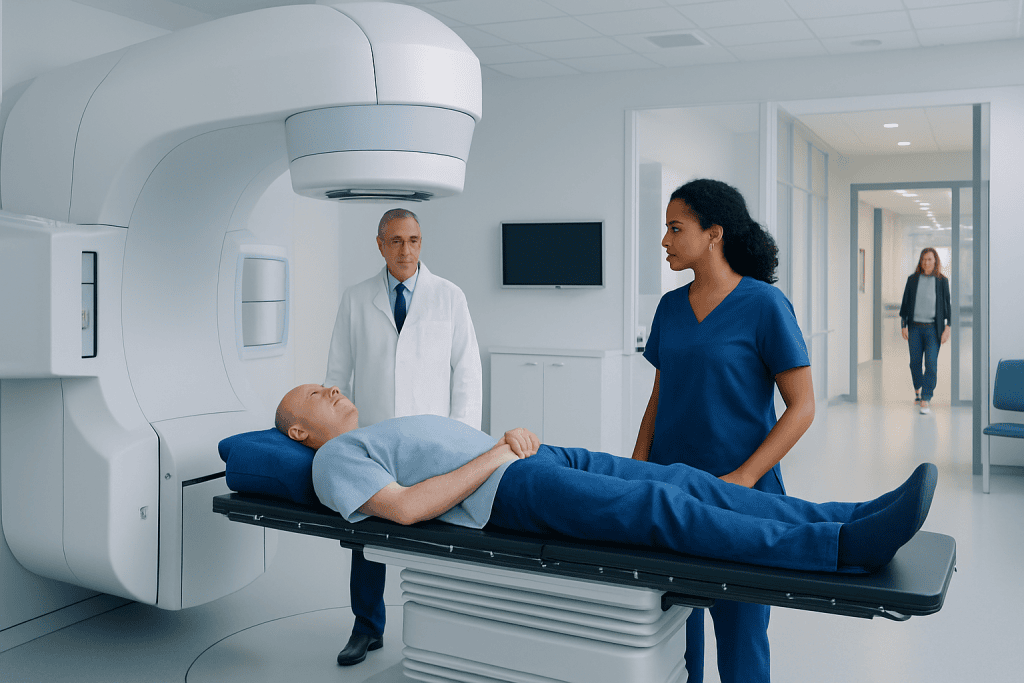
Radiation therapy is usually a local treatment, meaning it targets a specific melanoma site rather than the whole body. It may be used after surgery, when surgery is not suitable, or to relieve symptoms from melanoma that has spread.
Key Takeaways
- Radiation therapy is usually a local treatment, meaning it targets a specific melanoma site rather than the whole body.
- It may be used after surgery, when surgery is not suitable, or to relieve symptoms from melanoma that has spread.
- Treatment is carefully planned with imaging and is commonly delivered as short outpatient sessions over several days or weeks.
- Side effects depend mainly on the treatment area and often build gradually during treatment before improving afterward.
- The oncology team can combine radiation with surgery, immunotherapy, targeted therapy, or supportive care when clinically appropriate.
Melanoma radiation therapy uses precisely planned high-energy radiation to damage cancer cells in a defined area. It is not needed for every melanoma, but it can be valuable after surgery, for melanoma that cannot be fully removed, or to manage spread to areas such as the brain, bones, or lymph nodes.
Melanoma Radiation Therapy: An Overview
Melanoma radiation therapy is a treatment that directs high-energy radiation at melanoma cells in a specific part of the body. Radiation damages cellular DNA, making it harder for cancer cells to divide and survive. Healthy cells in the treatment field can also be affected, but they often repair themselves more effectively than cancer cells.
Most early melanomas are treated with surgery alone. However, radiation can have an important role when there is a higher chance of local recurrence after surgery, when an operation is not feasible, or when melanoma has spread and is causing symptoms. The purpose may be to reduce the likelihood of cancer returning in a treated area, slow growth, or provide symptom relief.
Radiation treatment is planned individually by a radiation oncologist in collaboration with dermatology, surgical oncology, medical oncology, radiology, pathology, and other specialists. The best approach depends on the melanoma stage, location, previous treatments, general health, and personal treatment goals.
How Melanoma Radiation Therapy Works
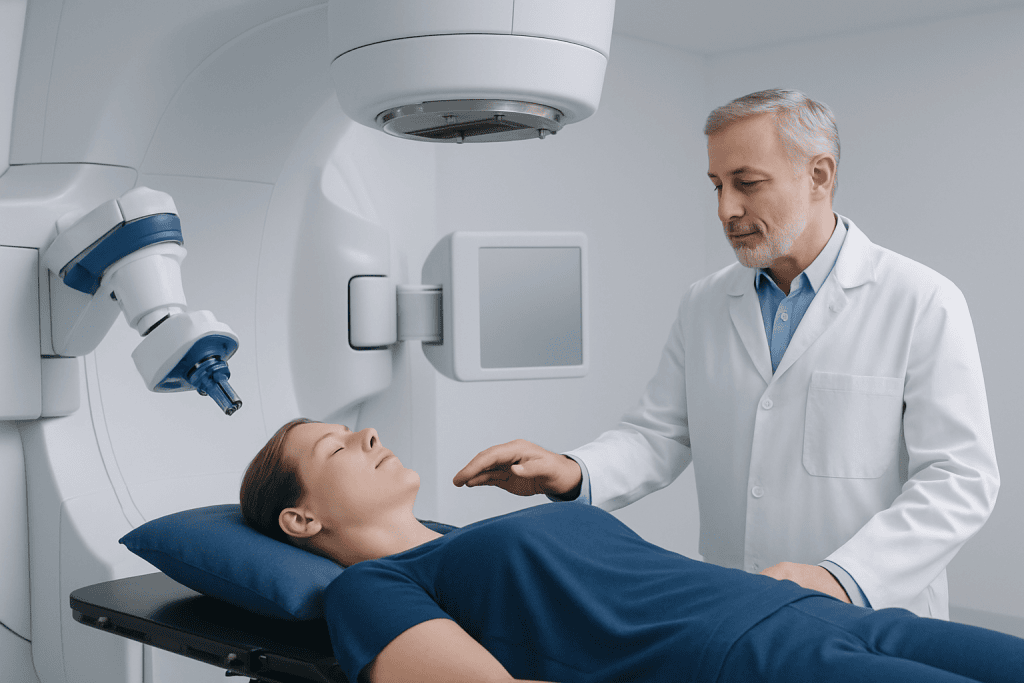
External beam radiation therapy is the most common form of radiation used for melanoma. A machine outside the body delivers radiation beams that are shaped and aimed to cover the planned treatment area while limiting exposure to nearby healthy tissue. Modern techniques may include three-dimensional conformal radiation therapy, intensity-modulated radiation therapy, stereotactic radiosurgery, or stereotactic body radiation therapy.
Radiation may be recommended for the original skin site in selected higher-risk situations, especially if surgery cannot achieve clear margins without major functional or cosmetic impact. It may also be used after removal of affected lymph nodes when local or regional recurrence risk is considered substantial.
For advanced melanoma, radiation can treat individual sites of spread. For example, it may help control brain metastases, painful bone lesions, bleeding, pressure on nerves, or a tumor affecting normal organ function. This local role differs from systemic treatments, such as immunotherapy or targeted therapy, which circulate throughout the body.
For a broader understanding of melanoma diagnosis, staging, and management, patients may find melanoma information helpful alongside discussions with their oncology team.
Does Melanoma Respond Well to Radiation?
Melanoma has historically been described as relatively less sensitive to radiation than some other cancers. This does not mean radiation is ineffective. With modern planning and appropriately selected treatment schedules, radiation can provide strong local control for many melanoma sites and can be particularly useful for symptom relief or control of a limited area of disease.
How well melanoma responds depends on why radiation is being used. Radiation is often effective at shrinking or stabilizing treated tumors that are causing pain, bleeding, or neurologic symptoms. After surgery, it may lower the chance that melanoma returns in a particular high-risk area, although it does not prevent melanoma from developing elsewhere in the body.
For melanoma that has spread, radiation is frequently one component of a larger plan. Immunotherapy, targeted therapy for tumors with certain genetic changes, surgery, and clinical trials may also be considered. The oncology team will explain what benefit is realistically expected for the individual situation.
Who May Be a Candidate for Radiation Therapy?
A person may be considered for melanoma radiation therapy when melanoma cannot be completely removed surgically, returns in or near a previously treated area, or involves lymph nodes with features suggesting a higher local recurrence risk. It can also be an option for people who are not able to have surgery because of tumor location, medical conditions, or personal circumstances.
Radiation is commonly considered for selected melanoma metastases, including those in the brain, bone, spine, or other sites causing symptoms. When a tumor is pressing on a nerve or spinal cord, causing pain, or affecting daily activities, radiation may help reduce tumor burden and protect function. Urgent evaluation is important for new weakness, loss of bladder or bowel control, severe headache, seizures, or sudden neurologic changes.
Before recommending treatment, the team reviews pathology findings, imaging, prior operations, medicines, previous radiation exposure, and overall health. They also consider possible effects on nearby organs, skin, nerves, bones, or lymphatic vessels. A shared decision-making discussion helps ensure that the plan matches the patient’s needs and priorities.
People with melanoma involving the brain may need specialized assessment and care planning. stereotactic radiosurgery can be used for selected brain lesions, depending on their number, size, location, and the wider treatment plan.
What Happens During Melanoma Radiation Therapy?
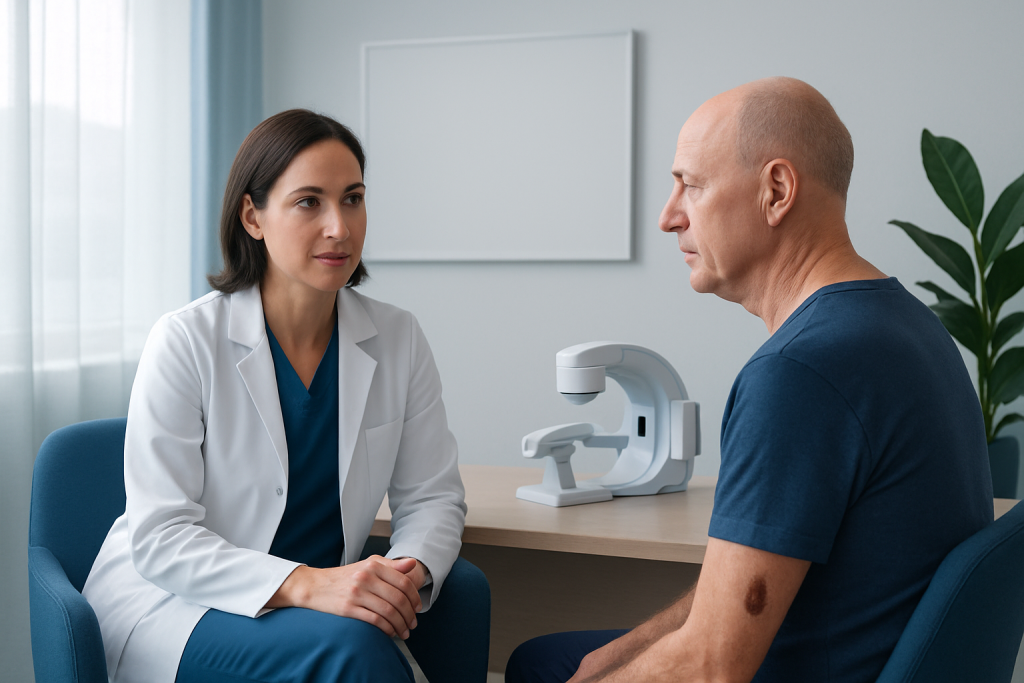
The first step is a consultation with a radiation oncologist. The clinician discusses the reason for treatment, expected benefits, possible side effects, alternatives, and practical arrangements. This appointment is also a chance to share concerns about work, travel, caregiving, medications, fertility, nutrition, or emotional wellbeing.
Next comes treatment planning, often called simulation. A planning CT scan is performed in the exact position used for treatment. The team may create a customized mask, cushion, or body support to help the person remain comfortably still. Small skin marks or tiny permanent dots may be used to support accurate daily positioning.
Radiation oncologists, medical physicists, and dosimetrists use the scans to design a plan that targets the melanoma area and protects normal tissues as much as possible. Treatment sessions themselves are painless. The patient lies on a treatment table while the machine moves around them; the radiation is delivered over minutes, although the visit can take longer for positioning and safety checks.
Schedules vary widely. Some treatments are given in a small number of sessions, while others are delivered on weekdays over several weeks. radiation oncology care includes planning, image guidance, treatment delivery, and follow-up tailored to the treatment site and clinical objective.
Benefits, Risks and Recovery Timeline
The main potential benefit of radiation is local control: treating melanoma in the specific targeted area. In palliative settings, it may ease pain, bleeding, pressure-related symptoms, or neurologic symptoms and can support comfort and daily functioning. After surgery, it may reduce the risk of melanoma returning in the irradiated region for appropriately selected patients.
Side effects depend on the body area treated, total dose, number of sessions, and whether other therapies are used. Common short-term effects can include fatigue, redness or irritation of treated skin, temporary hair loss within the treatment field, swelling, and discomfort. Treatment to the head may cause scalp or ear-related effects; treatment near the abdomen or pelvis can cause nausea, loose stools, or urinary irritation. The team provides site-specific guidance before treatment begins.
Most people can continue many usual activities during outpatient radiation, adjusting their schedule as fatigue develops. Skin reactions and tiredness often become more noticeable during the second half of treatment or shortly after it ends. Many short-term effects begin improving within several weeks, but recovery varies. Follow-up visits and imaging are scheduled according to the reason for radiation and the wider melanoma care plan.
Possible longer-term effects are less common but may include persistent skin changes, fibrosis or tissue stiffness, lymphedema after lymph-node-region treatment, nerve effects, changes in organ function, or a small risk of a new cancer developing years later in the irradiated area. The care team balances these risks against the expected benefit before treatment is recommended.
What Are the Hardest Days After Radiation Treatment?
For many people, the most difficult period is not the first day after radiation. Fatigue and skin irritation can build gradually over the course of treatment and may peak during the final treatment days or in the one to two weeks afterward. This pattern is common because normal tissues continue responding after the last radiation session.
The hardest days vary considerably by treatment site. Radiation to the brain may temporarily worsen swelling-related symptoms and sometimes requires medication support. Radiation to the chest, abdomen, pelvis, or a large skin area may have different recovery patterns. The treating team should be contacted promptly if symptoms are severe, sudden, or difficult to manage.
Helpful measures often include resting when needed, staying hydrated, eating regular nourishing meals, using only skin products approved by the radiation team, protecting treated skin from sun and friction, and accepting practical support from family or friends. Patients should not apply creams, supplements, or home remedies to the treatment area without checking first, as some products can worsen irritation.
How Long Does It Take for Melanoma to Go From Stage 1 to 4?
There is no predictable timeline for melanoma to progress from stage 1 to stage 4. Some early melanomas are removed completely and never return. Others may recur months or years later, while a smaller number can behave more aggressively. Staging describes how far melanoma has spread at the time it is assessed; it is not a countdown or a fixed pathway that every melanoma follows.
Risk is influenced by features such as tumor thickness, ulceration, lymph node involvement, melanoma subtype, location, and tumor biology. Regular follow-up is designed to identify possible recurrence or a new melanoma as early as possible. The recommended schedule is individualized according to stage and personal risk factors.
Between appointments, it is sensible to report a new or changing pigmented spot, a lump near a previous melanoma scar or lymph node area, unexplained persistent pain, persistent cough, new neurologic symptoms, or unintentional weight loss. These symptoms often have causes other than melanoma, but they deserve timely medical assessment.
What I Wish I Knew Before Radiation
Before radiation, many patients find it useful to know that treatment delivery is painless and that the daily appointment is usually much shorter than the overall time spent in the department. Planning, positioning, and image checks are essential parts of safe treatment. The care team can explain which steps are likely to take the most time and how to prepare for each visit.
It is also helpful to expect that side effects may be delayed rather than immediate. Fatigue can be cumulative, and skin changes may continue for a short time after the final session. Asking for written instructions about skin care, work and activity, diet, travel, medications, and whom to call outside usual hours can make the process more manageable.
Patients may wish to bring a list of medicines and questions to the consultation, including whether systemic therapy will be used before, during, or after radiation. Emotional reactions are also common. Support from loved ones, specialist nurses, counselors, or patient support services can be an important part of cancer care.
At Acibadem International, multidisciplinary specialists in JCI-accredited hospitals can assess and coordinate melanoma treatment for international patients, including surgery, systemic therapies, and radiation approaches when appropriate.
When to Seek Medical Care
Anyone with a suspicious new or changing mole should arrange a medical skin examination. Concerning changes include asymmetry, an uneven border, several colors, a growing diameter, or evolution in size, shape, color, sensation, or bleeding. A spot that looks distinctly different from a person’s other moles also merits assessment.
People receiving radiation should contact their treatment team for worsening pain, severe or blistering skin reactions, fever, difficulty eating or drinking, persistent vomiting, new shortness of breath, uncontrolled diarrhea, or symptoms that interfere significantly with daily life. The team can advise whether adjustments or supportive treatments are needed.
Emergency care is needed for sudden weakness or numbness, seizures, confusion, severe new headache, loss of consciousness, chest pain, or loss of bladder or bowel control. These symptoms can have several causes, but prompt assessment is important, particularly for people with a history of melanoma.
Frequently asked questions
Is radiation therapy used for early-stage melanoma?
Surgery is the standard treatment for most early-stage melanomas. Radiation may be considered in selected circumstances, such as when surgery cannot obtain adequate margins or when there is a particular concern about local recurrence. The decision is based on the tumor features, location, and the patient’s overall situation.
Can radiation cure melanoma?
Radiation can sometimes provide durable control or eliminate melanoma in a treated local area. Whether it is intended to be curative or palliative depends on the stage, location of disease, and whether melanoma is present elsewhere. A radiation oncologist can explain the goal of treatment clearly before it starts.
Does radiation therapy hurt?
The radiation itself is not felt during treatment. Some people develop skin tenderness, fatigue, or other site-specific side effects later in the course, but these can often be managed with guidance from the treatment team. Tell the team about discomfort early rather than waiting for it to become severe.
Can radiation be given with immunotherapy for melanoma?
In some cases, radiation and immunotherapy are used within the same overall treatment plan. The timing and combination depend on the melanoma, the treatment goal, potential side effects, and the medicines involved. Close coordination between medical and radiation oncology is important.
Will radiation make melanoma spread?
No. Radiation therapy does not cause melanoma to spread. It is used to treat a defined area of cancer or reduce symptoms caused by melanoma in that area. Melanoma can sometimes recur or progress because of its underlying biology, which is why regular monitoring remains important.
How should treated skin be cared for during radiation?
The radiation team will give instructions based on the body area being treated. In general, gentle washing, avoiding friction and sun exposure, and using only approved moisturizers or topical products can help protect the skin. Patients should contact the team if they develop open areas, blistering, drainage, or severe pain.
References
- National Cancer Institute
- American Cancer Society
- European Society for Medical Oncology
- American Society for Radiation Oncology
- National Comprehensive Cancer Network
This article is for general information only and is not a substitute for professional medical advice. Please consult a qualified doctor about your individual situation.
Radiation Therapy in Turkey — costs, top hospitals & a free quote
JCI-accredited · board-certified surgeons · reply within 24h
Add us as a Preferred Source to see more of our trusted health content across Google Search, AI Overviews and Discover.

Radiation Oncology
Precision radiotherapy and radiosurgery using advanced linear accelerators and image-guided techniques.
26 specialists in this unit