Melena Treatment: How It Works, Results and What to Expect

Melena is black, sticky, tar-like stool caused most often by digested blood from bleeding higher in the digestive tract. Treatment depends on the source and severity of bleeding and may involve intravenous fluids, blood tests, medicines, endoscopy, radiology procedures, or surgery.
Key Takeaways
- Melena is black, sticky, tar-like stool caused most often by digested blood from bleeding higher in the digestive tract.
- Treatment depends on the source and severity of bleeding and may involve intravenous fluids, blood tests, medicines, endoscopy, radiology procedures, or surgery.
- Upper endoscopy is commonly used to identify the bleeding source and can often treat it during the same procedure.
- Melena can continue briefly after bleeding has stopped because previously digested blood still needs to pass through the bowel.
- Emergency care is needed for melena with fainting, severe weakness, shortness of breath, chest pain, confusion, or vomiting blood.
Melena treatment focuses on finding and stopping bleeding in the upper digestive tract, while supporting circulation and treating the underlying cause. Black, tarry stools can signal internal bleeding and should be assessed promptly, especially when accompanied by weakness, dizziness, vomiting blood, or fainting.
Melena treatment: how it works
Melena treatment is not a single medicine or procedure. It is a clinical approach used to assess black, tarry, unusually foul-smelling stools and to control the bleeding that commonly causes them. Melena usually occurs when blood is digested as it passes through the stomach or upper small intestine, although some bleeding from the lower bowel can occasionally produce similar stools.
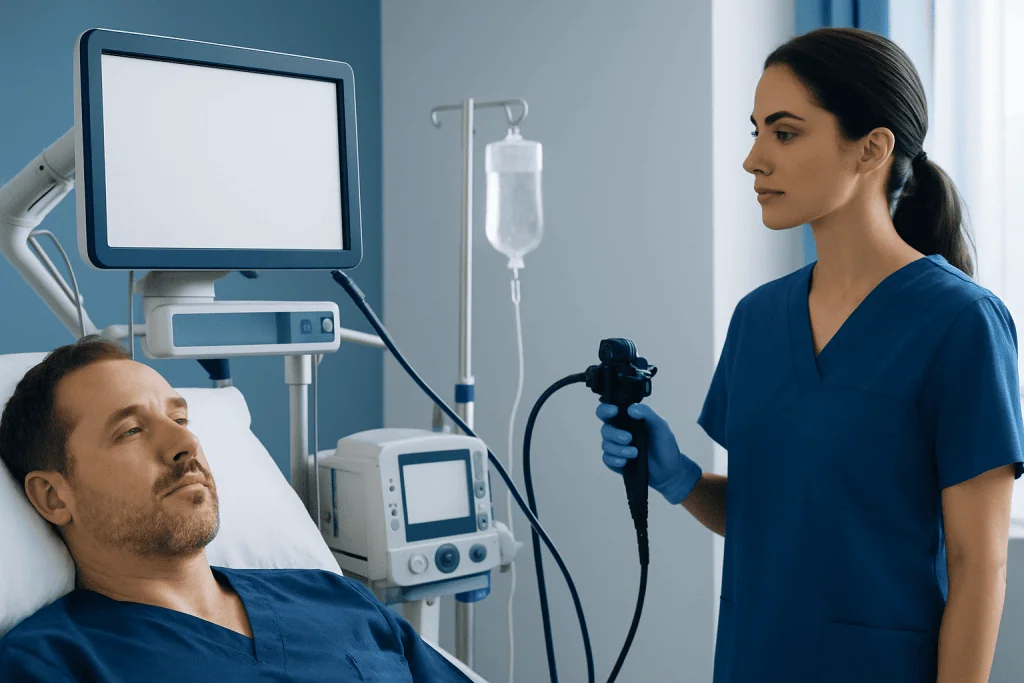
The immediate priorities are to determine whether bleeding is ongoing, support the person’s blood pressure and blood count if needed, and identify the cause. Doctors may use blood tests, an examination, and an upper gastrointestinal endoscopy. During endoscopy, a flexible camera is passed through the mouth to inspect the esophagus, stomach, and first part of the small intestine; it can often be used to treat a bleeding area at the same time.
Common causes include stomach or duodenal ulcers, inflammation of the stomach lining, enlarged veins in the esophagus or stomach, and tears near the junction of the esophagus and stomach. Some medicines, especially anti-inflammatory pain relievers, blood thinners, and antiplatelet drugs, can increase bleeding risk. Iron supplements and bismuth-containing products can darken stool but do not usually create the characteristic sticky, tar-like appearance of true melena.
How serious is melena?
Melena should be taken seriously because it may indicate gastrointestinal bleeding. The level of urgency varies: a small, self-limited bleed may cause few symptoms, while heavier or continuing bleeding can lead to anemia, low blood pressure, shock, or other complications. A person cannot reliably judge the amount or location of bleeding from stool appearance alone.
Symptoms that may suggest significant blood loss include light-headedness, fainting, rapid heartbeat, pale or clammy skin, unusual tiredness, shortness of breath, abdominal pain, or vomiting blood or material that resembles coffee grounds. These symptoms require urgent medical assessment. People who take anticoagulants, have liver disease, have a history of ulcers, or are older may have a lower threshold for seeking care.
The question “Is Malena life threatening?” is generally understood to mean “Is melena life threatening?” Melena itself is a sign rather than a diagnosis, but the bleeding behind it can be life-threatening when substantial or untreated. Prompt evaluation helps clinicians stabilize the person and address the cause before complications develop.
Who may need urgent assessment and treatment?

Anyone with new black, tarry stools should contact a qualified clinician promptly, particularly if the change cannot clearly be explained by iron or bismuth products. Assessment is especially important for people with prior peptic ulcers or gastrointestinal bleeding, known liver disease, kidney disease, a bleeding disorder, or recent use of aspirin, ibuprofen, naproxen, corticosteroids, anticoagulants, or antiplatelet medicines.
Clinicians also consider whether a person has symptoms of anemia or reduced circulating blood volume. They will ask about recent medicines, alcohol use, vomiting, abdominal discomfort, prior endoscopy findings, and family or personal history of digestive diseases. This information helps guide both the speed and type of testing.
It is important not to stop prescribed blood-thinning medicine without medical advice, as doing so may raise the risk of stroke, blood clots, or other serious events. However, a person with melena should tell the treating team about all medicines and supplements immediately so that risks can be managed safely.
How do doctors fix melena?
Doctors do not treat the stool color alone; they treat the bleeding source and any effects of blood loss. In a hospital or emergency setting, initial care may include checking vital signs, placing an intravenous line, performing blood tests, and giving fluids when appropriate. If blood loss is substantial, blood transfusion may be considered based on the person’s condition and laboratory results.
Medicines may be used to reduce stomach acid, particularly when a bleeding ulcer is suspected. If bleeding is related to enlarged veins in the esophagus or stomach, treatment may include medicines that reduce blood flow in these vessels, antibiotics in selected patients, and endoscopic therapy. The plan is individualized according to the likely cause and overall health.
Upper endoscopy is often the key diagnostic and therapeutic step. Depending on the finding, the specialist may inject medication, apply heat therapy, place clips, or use other endoscopic tools to stop bleeding. When endoscopy cannot control bleeding or is not appropriate, catheter-based radiology procedures or surgery may be needed. Further evaluation may include upper gastrointestinal endoscopy to locate and manage the source.
After bleeding is controlled, treatment may include testing for and treating Helicobacter pylori infection, changing ulcer-causing medicines where possible, and arranging follow-up. The best long-term plan depends on whether the cause was an ulcer, varices, inflammation, a tear, a tumor, or another condition.
What happens during evaluation and treatment?
The process begins with a focused history, physical examination, and tests such as a complete blood count, clotting studies, kidney and liver tests, and blood typing if transfusion may be necessary. Doctors also monitor blood pressure, pulse, oxygen level, urine output, and signs of continuing bleeding. These measures help establish how stable the person is and whether emergency treatment is required.
For an upper endoscopy, the person is generally asked not to eat for a period beforehand when circumstances allow. Sedation is commonly used to improve comfort. The endoscope allows the gastroenterologist to inspect the upper digestive tract, collect tissue samples if needed, and treat visible bleeding. The procedure itself is usually brief, though observation and treatment before and afterward can take longer.
If endoscopy does not reveal a source and bleeding is suspected to continue, doctors may consider repeat endoscopy, imaging, capsule-based testing, enteroscopy, colonoscopy, or angiography. The choice depends on the clinical situation, bleeding pattern, and likely location. A coordinated team may include emergency physicians, gastroenterologists, anesthesiologists, interventional radiologists, surgeons, and blood specialists.
Recovery timeline, benefits and possible risks
Recovery varies widely because it depends on the cause, the amount of blood lost, treatment used, and a person’s general health. Some people can go home after observation and outpatient follow-up when their risk is low and bleeding has stopped. Others require hospital monitoring for one or more days, especially after a significant bleed, endoscopic therapy, transfusion, or treatment for liver-related bleeding.
Melena may not disappear immediately. Previously digested blood can remain in the bowel, so stools can stay dark for a short time after bleeding has stopped. In practical terms, the answer to “How long does melena last after GI bleed?” is that it may persist for several bowel movements or a few days, but ongoing black tarry stools, worsening symptoms, or a return of melena should be reported urgently. Stool color alone cannot confirm whether bleeding has ended.
The benefit of prompt evaluation is that bleeding can often be located and treated before major complications occur. Risks relate to the underlying bleed as well as to treatment. Endoscopy is generally safe but can rarely cause reactions to sedation, aspiration, bleeding, or a tear in the digestive tract. Doctors discuss relevant risks and alternatives based on the individual situation.
Prevention and self-care after melena
There is no safe home treatment for suspected melena. A person should not rely on antacids, dietary changes, or over-the-counter remedies to manage black tarry stools without medical guidance. Avoiding alcohol and non-prescribed anti-inflammatory pain medicines may be recommended, but this does not replace assessment when bleeding is possible.
After the cause has been identified, prevention may include completing prescribed ulcer treatment, taking acid-suppressing medicine as directed, treating H. pylori when present, and reviewing medicines that can irritate the stomach or affect clotting. People who need aspirin, anti-inflammatory medicines, or blood thinners for other health reasons should discuss protective strategies and follow-up with their clinician rather than making medication changes independently.
Keeping follow-up appointments is important, particularly after ulcer bleeding, variceal bleeding, anemia, or abnormal biopsy findings. Acibadem International’s multidisciplinary specialists and JCI-accredited hospitals evaluate and treat gastrointestinal bleeding for international patients, with care coordinated according to the suspected cause and clinical needs.
When to seek medical care
Seek emergency medical care now for black, tarry stools together with fainting, near-fainting, confusion, severe weakness, rapid heartbeat, breathing difficulty, chest pain, severe abdominal pain, or vomiting blood. Emergency care is also appropriate if stools are repeatedly black and tar-like, especially if the person is taking blood thinners or has liver disease or a previous gastrointestinal bleed.
Even without these warning signs, new suspected melena should be discussed with a healthcare professional on the same day. A clinician can distinguish possible medication-related stool darkening from true melena and decide whether urgent testing is needed. Taking a list of all medicines, supplements, and recent symptoms can help the clinical team make timely decisions.
Melena explained simply: black stool may be harmless in some situations, but tarry black stool can be a sign of digested blood. It is safer to have this symptom checked than to wait for it to resolve on its own.
Frequently asked questions
How long does melena last after GI bleed?
Melena can continue for several bowel movements or a few days after bleeding has stopped because digested blood is still moving through the intestines. However, ongoing black tarry stools do not reliably show whether bleeding has ended. A clinician should assess persistent, recurrent, or worsening melena.
How serious is melena?
Melena can be serious because it may indicate bleeding in the upper digestive tract. The severity depends on the cause, the amount of bleeding, and the person’s health. Melena with dizziness, fainting, weakness, vomiting blood, or shortness of breath needs emergency evaluation.
How do doctors fix melena?
Doctors identify and treat the source of bleeding rather than treating stool color alone. Care may include fluids, blood tests, acid-reducing or other medicines, and upper endoscopy to find and stop bleeding. Some people need radiology procedures or surgery if bleeding cannot be controlled endoscopically.
Is Malena life threatening?
The term is usually intended to mean melena. Melena is a symptom that can reflect internal gastrointestinal bleeding, which may become life-threatening if heavy or untreated. Urgent care is important when black tarry stools occur with symptoms of blood loss or poor circulation.
Can iron supplements cause black stools that look like melena?
Yes, iron supplements can darken stools, and bismuth-containing medicines can do the same. True melena is often black, sticky or tar-like, and has a distinctive strong odor, but appearance alone is not fully reliable. New dark stools should be discussed with a clinician if there is any uncertainty or accompanying symptoms.
Can melena be treated at home?
Suspected melena should not be managed with home remedies because it may be caused by internal bleeding. A person should seek medical advice promptly and emergency care if there are signs of significant blood loss. Do not stop prescribed blood thinners or other essential medicines without guidance from the prescribing clinician.
References
- National Institute of Diabetes and Digestive and Kidney Diseases
- American College of Gastroenterology
- National Health Service
- Merck Manual Consumer Version
- Mayo Clinic
This article is for general information only and is not a substitute for professional medical advice. Please consult a qualified doctor about your individual situation.
Persistent digestive symptoms? Get evaluated in Turkey
JCI-accredited · board-certified surgeons · reply within 24h
Add us as a Preferred Source to see more of our trusted health content across Google Search, AI Overviews and Discover.
Check your numbers in seconds
BMI, calories, due date, blood pressure and 30+ more clinical calculators — free, instant, doctor-reviewed ranges.