Meningitis: Symptoms, Testing, and Emergency Treatment

Meningitis can cause fever, severe headache, neck stiffness, nausea, vomiting, confusion, and sensitivity to light. Bacterial meningitis is a medical emergency and usually requires urgent hospital treatment with antibiotics.
Key Takeaways
- Meningitis can cause fever, severe headache, neck stiffness, nausea, vomiting, confusion, and sensitivity to light.
- Bacterial meningitis is a medical emergency and usually requires urgent hospital treatment with antibiotics.
- Diagnosis often includes a physical examination, blood tests, imaging in selected cases, and a lumbar puncture to test spinal fluid.
- Viral meningitis is often milder than bacterial meningitis, but symptoms can overlap and should still be evaluated promptly.
- Vaccination, good hygiene, and timely treatment of infections can help reduce the risk of some types of meningitis.
Meningitis is inflammation of the protective membranes around the brain and spinal cord. It can be caused by infections or less commonly by non-infectious conditions, and prompt medical evaluation is important because some forms can become serious very quickly.
Overview
Meningitis is inflammation of the meninges, the thin protective membranes that cover the brain and spinal cord. This inflammation is most often caused by an infection, such as bacteria or viruses, but it can also occur due to fungi, parasites, certain medicines, autoimmune conditions, or cancer-related irritation. Because the brain and spinal cord are involved, meningitis should always be taken seriously.
Symptoms can begin suddenly or develop over a short period. In many people, the earliest signs include fever, intense headache, and neck stiffness. Other symptoms may include vomiting, confusion, drowsiness, seizures, or sensitivity to light. In babies, the signs may be less specific, such as poor feeding, unusual sleepiness, irritability, or a bulging soft spot on the head.
Not all meningitis is the same. Bacterial meningitis is usually the most urgent form because it can worsen rapidly and may lead to complications without quick treatment. Viral meningitis is more common and often less severe, but it can still cause significant illness and needs medical assessment to distinguish it from bacterial infection.
Early diagnosis and treatment improve outcomes. Anyone with symptoms suggestive of meningitis should be assessed promptly by a qualified healthcare professional, especially if symptoms are severe, sudden, or accompanied by confusion, rash, or trouble staying awake.
Symptoms of Meningitis
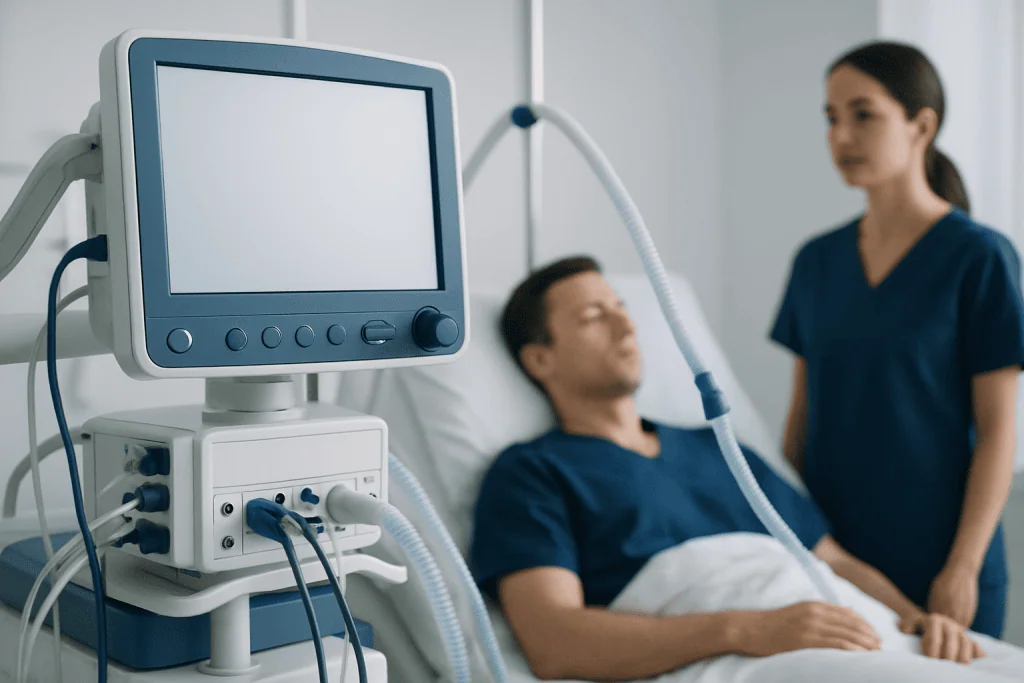
The classic symptoms of meningitis in older children, teenagers, and adults are fever, headache, and neck stiffness. However, the condition does not always follow a textbook pattern. Some people also have nausea, vomiting, sensitivity to light, muscle aches, confusion, difficulty concentrating, or extreme sleepiness. In severe cases, seizures or loss of consciousness may occur.
A rash can sometimes appear, particularly with meningococcal infection. This rash may look like small purple or red spots and can be a sign of a serious bloodstream infection occurring alongside meningitis. Symptoms may overlap with other illnesses, which is why testing is often needed rather than relying on symptoms alone.
Infants and young children may not be able to describe headache or neck pain. Instead, they may show poor feeding, persistent crying, limpness, unusual irritability, vomiting, fever, or a bulging fontanelle. Some children become difficult to wake or less responsive than usual. Because signs can be subtle in this age group, caregivers should seek urgent advice if there is concern.
It is also important to know that symptoms can develop quickly. A person may feel unwell at first and then deteriorate over hours. Warning signs such as confusion, severe drowsiness, seizures, breathing difficulty, or a new rash need immediate medical attention.
Causes and Risk Factors

Meningitis has several possible causes. Viruses are a common cause and may include enteroviruses, influenza, herpes viruses, and others. Bacteria such as Streptococcus pneumoniae, Neisseria meningitidis, and Haemophilus influenzae can cause bacterial meningitis, which generally requires emergency treatment. Less commonly, fungal infections or tuberculosis can affect the meninges, especially in people with weakened immune systems.
Non-infectious meningitis can occur as a reaction to certain medications, inflammatory diseases, head injury, surgery, or cancer spreading to the meninges. In these cases, treatment focuses on the underlying cause as well as symptom control. A careful medical history helps doctors consider the full range of possibilities.
Some factors increase the risk of meningitis. These include very young age, older age, close contact in shared living settings, a weakened immune system, certain chronic illnesses, recent ear or sinus infections, head trauma, neurosurgery, or lack of recommended vaccination. Travel to areas with higher rates of specific infections can also affect risk.
Meningitis may sometimes occur together with related infections affecting the brain or nearby structures. Doctors may also consider conditions such as encephalitis or local infections that can spread inward, depending on symptoms and examination findings. Identifying the exact cause is important because treatment differs significantly from one type to another.
How Meningitis Is Diagnosed
Diagnosis begins with urgent clinical assessment. A doctor will ask about symptoms, recent infections, vaccination history, travel, medications, and any exposure to sick contacts. They will also examine the person for fever, neck stiffness, rash, level of alertness, and signs of nerve or brain involvement. This first assessment helps determine how quickly treatment must begin.
Blood tests are commonly used to look for signs of infection or inflammation, and blood cultures may help identify bacteria in the bloodstream. In many cases, the most important test is a lumbar puncture, also called a spinal tap. During this procedure, a small amount of cerebrospinal fluid is collected and analyzed for cells, protein, glucose, and infectious organisms. This helps distinguish bacterial, viral, fungal, and other causes.
Brain imaging such as a CT or MRI scan may be needed before lumbar puncture in selected patients, especially if there are concerns about increased pressure in the skull, seizures, immune suppression, or focal neurological deficits. Imaging can also help detect related problems such as swelling, abscess, or other structural concerns. In some cases, MRI scan findings provide valuable support for diagnosis and follow-up.
Because bacterial meningitis can progress rapidly, doctors may start treatment before all test results are available if suspicion is high. This approach is meant to protect the patient while laboratory confirmation is still in progress. If needed, further evaluation may include CT scan or specialist neurological assessment.
Emergency Treatment and Ongoing Care
Treatment depends on the cause, but suspected bacterial meningitis is treated as a medical emergency. Patients are usually admitted to hospital and started promptly on intravenous antibiotics. In some cases, corticosteroids are also given to help reduce inflammation and lower the risk of certain complications. Supportive care such as fluids, oxygen, pain relief, and close monitoring is often needed as well.
Viral meningitis often improves with rest, fluids, symptom relief, and observation, although some viral causes may require antiviral medicines. Fungal, tuberculous, or non-infectious meningitis each have different treatment plans based on the underlying diagnosis. This is one reason accurate testing is so important.
People with severe disease may need care in an intensive care setting if there are problems such as low blood pressure, seizures, breathing difficulty, or reduced consciousness. If complications affect the brain or nervous system, doctors may involve specialists in infectious diseases, neurology, critical care, and rehabilitation. When concerns arise about brain involvement or overlapping conditions, teams may also evaluate for issues such as brain abscess or deeper central nervous system infection.
Recovery varies from person to person. Some people recover fully, while others may need follow-up for hearing changes, balance problems, concentration difficulties, headaches, or fatigue. Near the end of the care pathway, patients and families may benefit from coordinated hospital services; Acibadem International’s multidisciplinary specialists and JCI-accredited hospitals diagnose and treat meningitis for international patients when advanced evaluation is needed.
Possible Complications
Complications are more likely when treatment is delayed, when the infection is particularly aggressive, or when the patient is very young, older, or immunocompromised. Potential problems include hearing loss, seizures, memory or concentration difficulties, balance issues, weakness, and persistent fatigue. In severe cases, meningitis can lead to bloodstream infection, shock, or long-term neurological injury.
Inflammation may affect nearby brain structures or interfere with the normal flow of cerebrospinal fluid. This can increase pressure inside the skull or lead to other neurological concerns. Some patients need repeat examinations, imaging, or hearing tests as part of follow-up care, especially children or those who had severe disease.
Even after the infection is controlled, recovery can take time. Headaches, sensitivity to light, sleep changes, and reduced energy may continue for a while. Patients are often advised to pace activities, attend follow-up appointments, and discuss any new or ongoing symptoms with their doctor rather than assuming they are expected.
Emotional recovery matters too. A serious illness can be stressful for patients and families, and some people feel anxious after hospitalization. Clear communication, planned follow-up, and rehabilitation when needed can support a steadier return to school, work, and daily life.
Prevention and Self-Care
Vaccination is one of the most effective ways to lower the risk of certain types of meningitis. Depending on age, location, and medical history, recommended vaccines may include meningococcal, pneumococcal, Haemophilus influenzae type b, influenza, and others. A doctor can advise which vaccines are appropriate for children, adults, older people, travelers, or those with specific health conditions.
Good hygiene also helps reduce the spread of infections. Regular handwashing, covering coughs and sneezes, avoiding sharing utensils or drinks, and staying home when sick can all limit transmission. Prompt treatment of ear infections, sinus infections, or other bacterial illnesses may also reduce the chance of complications in some cases.
If a person has been in close contact with someone who has certain forms of bacterial meningitis, public health teams or doctors may recommend preventive antibiotics or vaccination for exposed contacts. This depends on the organism involved and the nature of the contact. It is important to follow official medical advice rather than self-treating.
At home, self-care after discharge may include rest, hydration, regular meals, and gradual return to activity. People recovering from meningitis should avoid driving, working, or making important decisions if they are still very tired or having concentration problems. Follow-up care may include hearing assessment or neurological review if symptoms persist.
When to See a Doctor
Anyone with possible meningitis symptoms should seek urgent medical assessment, especially if there is fever with severe headache, neck stiffness, confusion, vomiting, or sensitivity to light. It is safer to be checked early than to wait for symptoms to become clearer. This is particularly true for infants, older adults, pregnant people, and anyone with a weakened immune system.
Emergency help is needed right away if a person becomes hard to wake, has a seizure, develops breathing problems, shows a new rash, or seems suddenly confused or collapsed. In babies, warning signs include poor feeding, limpness, repeated vomiting, high-pitched crying, or a bulging soft spot. These symptoms do not always mean meningitis, but they require prompt evaluation.
People who were recently exposed to someone with confirmed bacterial meningitis should contact a healthcare professional for guidance, even if they feel well. They may need preventive treatment depending on the type of infection and level of exposure. Travelers or students living in shared accommodation should be especially aware of vaccination advice and symptom awareness.
After recovery, a doctor should also be consulted if headaches, hearing changes, memory issues, weakness, or fatigue continue. Persistent symptoms do not necessarily mean the infection has returned, but they deserve follow-up to support recovery and rule out complications.
Frequently asked questions
Is meningitis always an emergency?
Suspected bacterial meningitis is a medical emergency because it can worsen quickly and needs urgent hospital treatment. Viral meningitis is often less severe, but its symptoms can look similar at first, so prompt medical evaluation is still important.
What are the first signs of meningitis?
Common early signs include fever, severe headache, neck stiffness, nausea, vomiting, and sensitivity to light. In babies, signs may be less specific, such as poor feeding, irritability, unusual sleepiness, or a bulging soft spot.
How do doctors test for meningitis?
Doctors usually combine a clinical examination with blood tests and often a lumbar puncture to examine cerebrospinal fluid. In selected cases, brain imaging such as CT or MRI may be done before the lumbar puncture.
Can meningitis be treated successfully?
Yes, many people recover well, especially when diagnosis and treatment happen early. The best treatment depends on the cause, and bacterial meningitis generally requires urgent antibiotics in hospital.
Is meningitis contagious?
Some infectious forms of meningitis can spread from person to person, especially certain viral and bacterial causes. Spread depends on the organism involved, so doctors may recommend preventive treatment for close contacts in some situations.
Can vaccines prevent meningitis?
Vaccines can reduce the risk of several important causes of meningitis, including meningococcal, pneumococcal, and Haemophilus influenzae type b infections. A healthcare professional can advise which vaccines are appropriate based on age, health status, and travel plans.
References
- World Health Organization
- Centers for Disease Control and Prevention
- National Institute of Neurological Disorders and Stroke
- NHS
- American Academy of Pediatrics
This article is for general information only and is not a substitute for professional medical advice. Please consult a qualified doctor about your individual situation.
Meningitis in Turkey — costs, top hospitals & a free quote
JCI-accredited · board-certified surgeons · reply within 24h
Add us as a Preferred Source to see more of our trusted health content across Google Search, AI Overviews and Discover.

More from the Health Library



Related Specialists

Dr. Mustafa Yalçın
Gastroenterology
Dr. Mustafa Engin Çakmakçı
Otorhinolaryngology
Prof. Dr. Mehmet Ali Vardar
Gynecology & Obstetrics
Prof. Dr. Ufuk Demirkılıç
Cardiovascular Surgery