Menstruation and Exhaustion — Explained by Medical Evidence, Not Myths
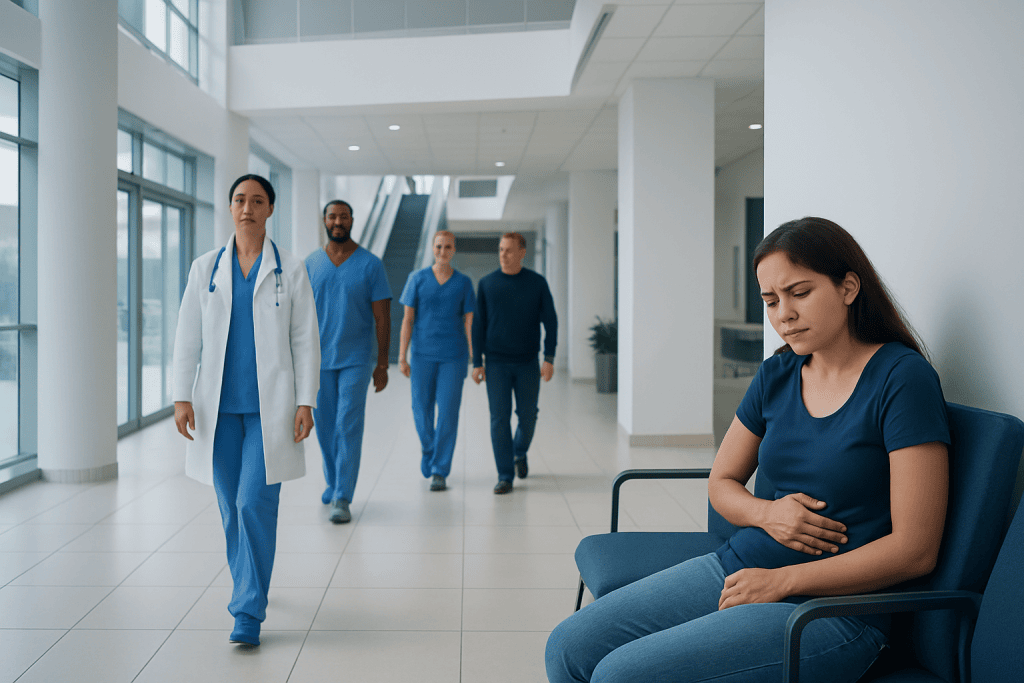
Feeling more tired during a period is common, but not every case is "just hormones." Heavy bleeding, painful cramps, poor sleep, low iron, and stress can all contribute to exhaustion.
Key Takeaways
- Feeling more tired during a period is common, but not every case is "just hormones."
- Heavy bleeding, painful cramps, poor sleep, low iron, and stress can all contribute to exhaustion.
- Persistent fatigue between periods or fatigue that limits daily life should be medically evaluated.
- Treatment depends on the cause and may include lifestyle changes, iron replacement, hormonal treatment, or care for an underlying condition.
- Tracking bleeding, pain, sleep, and energy levels can help a doctor identify patterns and possible causes.
Menstruation and exhaustion often occur together because the menstrual cycle can affect sleep, pain levels, mood, appetite, and iron balance. Mild tiredness around a period can be normal, but ongoing or severe fatigue may point to heavy bleeding, anemia, thyroid problems, endometriosis, or another health issue that deserves medical attention.
Overview: Why menstruation can affect energy
Menstruation and exhaustion are commonly linked, and medical evidence offers several practical explanations. During the menstrual cycle, hormone levels rise and fall, the uterine lining sheds, and blood loss occurs. These changes can influence sleep quality, pain sensitivity, mood, appetite, and the body’s iron stores, all of which affect how energetic a person feels.
For many people, tiredness is most noticeable in the days before bleeding starts or during the first few days of a period. This pattern may reflect hormonal changes, cramping, bloating, headaches, or disrupted sleep rather than a single cause. In other words, “period fatigue” is usually the result of several small stressors happening at the same time.
At the same time, fatigue should not automatically be dismissed as a normal part of menstruation. Very heavy periods, bleeding that lasts a long time, severe pain, or fatigue that continues throughout the month may suggest a treatable medical problem. Examples include iron deficiency anemia, thyroid disease, endometriosis, depression, or another condition that overlaps with the menstrual cycle.
What menstruation-related exhaustion feels like
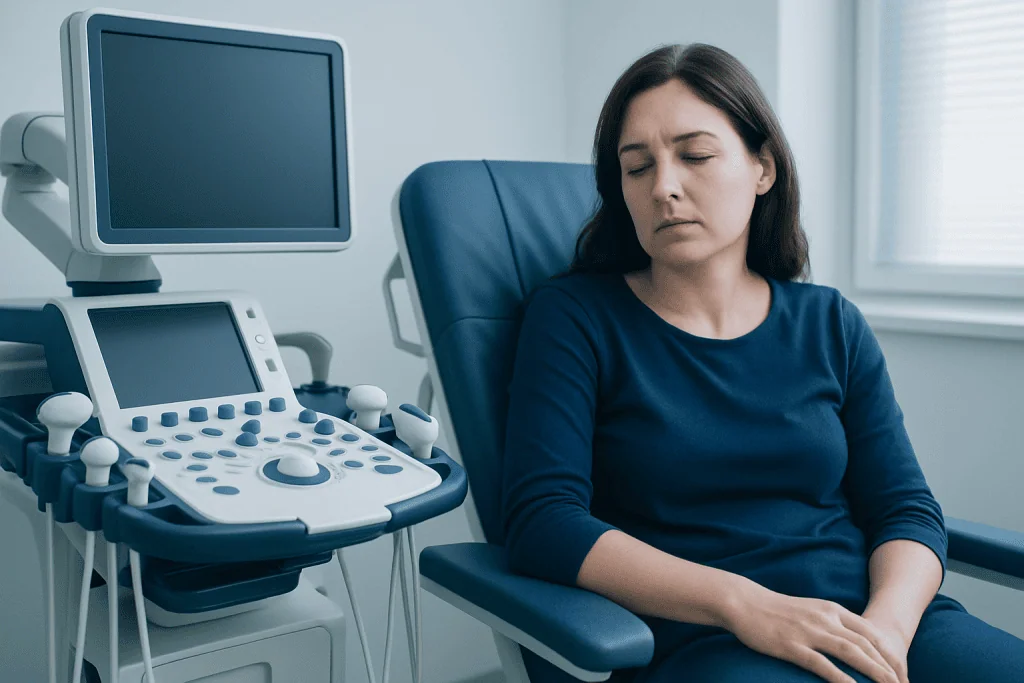
Exhaustion related to menstruation can show up in different ways. Some people describe a heavy, low-energy feeling, while others notice trouble concentrating, needing more sleep, or feeling physically weak. The experience may begin before the period starts, intensify during bleeding, and then improve afterward.
Common symptoms that may occur alongside fatigue include cramps, lower back pain, headaches, breast tenderness, bloating, food cravings, irritability, or low mood. These symptoms can interrupt sleep and make regular tasks feel more draining. If periods are especially painful or emotionally difficult, the fatigue may feel more severe.
A useful distinction is whether the tiredness is predictable and short-lived, or whether it is new, worsening, or present most of the month. Predictable, mild tiredness around menstruation is often manageable. By contrast, dizziness, shortness of breath, palpitations, fainting, or profound weakness are signs that a medical review is important.
- Needing extra rest during the first 1 to 2 days of a period can be common.
- Fatigue that causes missed work, school, or daily activities is not something to ignore.
- Symptoms such as pale skin, rapid heartbeat, or breathlessness may suggest anemia.
Medical causes and contributing factors
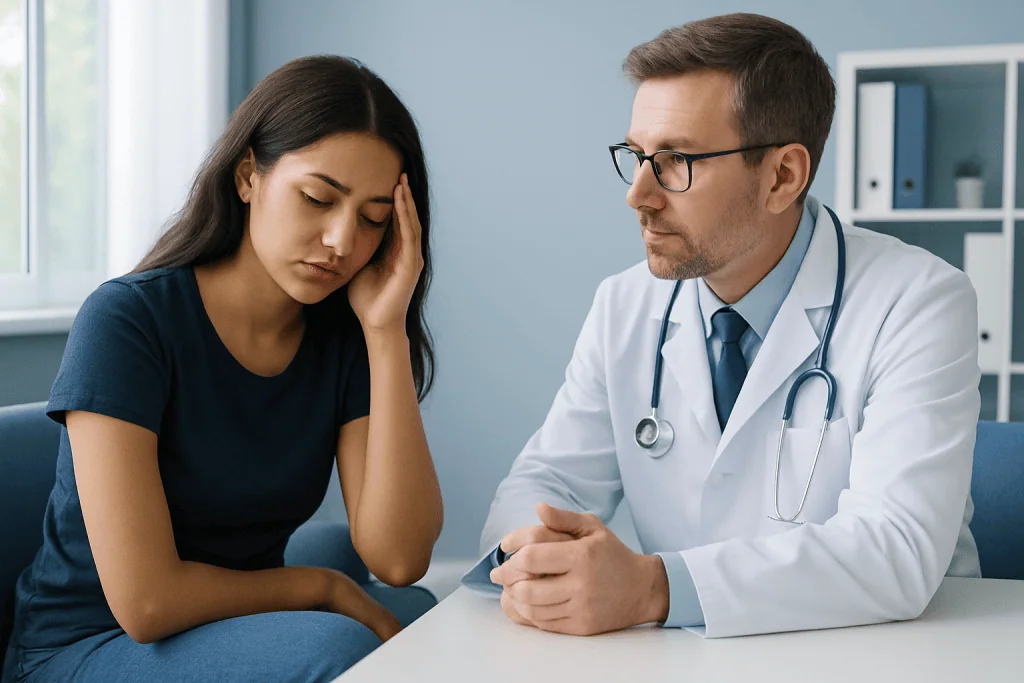
Hormonal shifts are one of the main reasons energy levels may change around menstruation. Estrogen and progesterone influence the brain, sleep regulation, body temperature, and mood. In the premenstrual phase, these shifts may contribute to insomnia, daytime sleepiness, irritability, or a sense of mental fog. If symptoms are marked and cyclical, a doctor may also consider premenstrual syndrome or premenstrual dysphoric disorder.
Heavy menstrual bleeding is another important cause. Losing more blood than the body can easily replace may lower iron stores over time and lead to iron deficiency or iron deficiency anemia. When this happens, the body has less ability to carry oxygen efficiently, and a person may feel tired, weak, lightheaded, or short of breath, especially during exercise or when climbing stairs.
Pain also matters. Cramps, migraines, back pain, and pelvic pain can be exhausting by themselves and can disturb sleep. Conditions such as endometriosis or uterine fibroids may cause significant pain or heavy bleeding that leads to ongoing fatigue. If heavy periods are part of the picture, doctors may evaluate for structural or hormonal causes and discuss treatments such as myomectomy when fibroids are involved and surgery is appropriate.
Finally, not all fatigue during a period is caused by the period itself. Thyroid disorders, inadequate sleep, chronic stress, anxiety, depression, eating disorders, infections, and some medications can all contribute. This is why a full assessment looks at the person’s overall health rather than focusing only on the menstrual cycle.
How doctors evaluate fatigue linked to periods
Diagnosis starts with a careful history. A clinician will usually ask when the exhaustion began, whether it happens before, during, or after menstruation, how heavy the bleeding is, and whether symptoms include pain, mood changes, headaches, dizziness, or sleep problems. It can be very helpful to bring a symptom diary showing cycle dates, pad or tampon use, pain severity, and energy levels.
The physical examination may include checking blood pressure, pulse, signs of anemia, thyroid enlargement, abdominal tenderness, or pelvic findings when needed. Depending on age, symptoms, and medical history, blood tests may be recommended to assess hemoglobin, ferritin or iron status, thyroid function, and sometimes vitamin levels or pregnancy status.
If heavy bleeding, severe pain, or suspected gynecologic disease is present, imaging may be considered. A pelvic ultrasound is commonly used to look for fibroids, ovarian cysts, or other structural causes. In some situations, additional evaluation by a gynecologist is needed, especially when symptoms are persistent, fertility is a concern, or a condition such as endometriosis treatment may be part of care.
Treatment options based on the cause
The best treatment for menstruation and exhaustion depends on what is driving the fatigue. If tiredness is mild and closely tied to the menstrual phase, simple measures such as better sleep habits, hydration, regular meals, gentle activity, and heat for cramps may be enough. Some people benefit from managing pain early, rather than waiting until symptoms become intense.
If testing shows low iron or anemia, a doctor may recommend iron replacement and treatment of the bleeding source. When heavy periods are the main issue, hormonal therapies can help regulate bleeding and reduce blood loss in some patients. If a thyroid disorder, sleep problem, or mental health condition is contributing, those issues also need specific treatment for energy levels to improve fully.
For people with severe pelvic pain, painful periods that disrupt daily life, or suspected gynecologic disease, referral to a specialist can clarify the diagnosis and open more targeted options. Depending on the underlying problem, this may include medications, minimally invasive procedures, or surgery. In selected cases, conditions causing repeated pain and fatigue may be evaluated alongside options such as ovarian cyst treatment if imaging identifies a relevant cystic problem.
Near the end of the care pathway, multidisciplinary assessment can be especially valuable when symptoms have more than one cause. Acibadem International’s multidisciplinary specialists in JCI-accredited hospitals diagnose and treat menstrual-related conditions for international patients when expert gynecologic and medical evaluation is needed.
Self-care, prevention, and tracking symptoms
Although not every cause of period-related fatigue can be prevented, healthy routines can make symptoms easier to manage. Prioritizing consistent sleep, eating regular balanced meals, staying hydrated, and limiting excess alcohol can all support energy levels. Gentle exercise, such as walking or stretching, may improve circulation, mood, and cramps for some people.
Nutrition is especially important if periods are heavy. Foods that provide iron, protein, and vitamin C may support normal red blood cell production, though diet alone may not be enough if iron deficiency is already present. A doctor can advise whether blood tests or supplements are appropriate rather than starting them without guidance.
Tracking symptoms for two or three cycles can provide practical insight. Helpful details include start and end dates of bleeding, how often products are changed, presence of clots, pain severity, mood symptoms, sleep quality, and days when fatigue interferes with work or school. This record often makes appointments more productive and helps distinguish a normal pattern from a medical problem.
- Rest when needed, but try to maintain light movement if possible.
- Use pain-relief strategies advised by a clinician for cramps or headaches.
- Seek review if self-care is not enough or symptoms are worsening over time.
When to seek medical care
Medical review is advisable when menstruation and exhaustion become severe, frequent, or disruptive. This includes fatigue that continues even after the period ends, makes daily activities difficult, or occurs with very heavy bleeding, severe pain, fainting, or shortness of breath. A clinician can look for common and treatable causes such as anemia, thyroid problems, fibroids, or ovarian cyst-related symptoms.
Urgent care may be needed if bleeding is unexpectedly heavy, there is chest pain, significant breathlessness, fainting, or one-sided severe pelvic pain. These symptoms do not always indicate an emergency, but they should not be assessed only at home. Prompt medical attention helps rule out serious causes and supports earlier treatment.
It is also reasonable to seek care if symptoms seem to be changing over time. For example, a person whose periods were previously manageable but who now has increasing exhaustion, pain, or cycle irregularity should not assume it is normal. Early evaluation often leads to simpler treatment and reassurance.
Frequently asked questions
Is it normal to feel exhausted during a period?
Mild tiredness during menstruation can be normal because hormonal changes, cramping, sleep disruption, and blood loss may all lower energy. However, severe exhaustion or fatigue that interferes with daily life should be evaluated, especially if periods are heavy or painful.
Can heavy periods cause fatigue?
Yes. Heavy menstrual bleeding can reduce iron stores and sometimes lead to iron deficiency anemia, which commonly causes fatigue, weakness, dizziness, and shortness of breath. A doctor can confirm this with blood tests and recommend appropriate treatment.
Why do I feel tired before my period even starts?
Fatigue before a period may be related to hormonal shifts in the premenstrual phase. These changes can affect sleep, mood, appetite, and stress tolerance, making low energy more noticeable even before bleeding begins.
How can someone tell if period fatigue is anemia?
Anemia-related fatigue is often accompanied by symptoms such as weakness, pale skin, dizziness, headaches, fast heartbeat, or breathlessness. The only reliable way to confirm anemia is through medical evaluation and blood testing.
What helps with menstruation and exhaustion at home?
Supportive care may include adequate sleep, hydration, regular meals, gentle exercise, and managing cramps or headaches early. Symptom tracking is also useful, but home care should not replace medical assessment if fatigue is severe, prolonged, or paired with heavy bleeding.
When should someone see a doctor for period-related fatigue?
A doctor should be consulted if fatigue is new, severe, getting worse, or present outside the menstrual period. Medical care is also important if there is very heavy bleeding, severe pelvic pain, fainting, shortness of breath, or suspected anemia.
This article is for general information only and is not a substitute for professional medical advice. Please consult a qualified doctor about your individual situation.
Explore treatments in Turkey — costs, top hospitals & a free quote
JCI-accredited · board-certified surgeons · reply within 24h
Add us as a Preferred Source to see more of our trusted health content across Google Search, AI Overviews and Discover.

More from the Health Library

Stomach Flu 24 Hour Bug: An Evidence-Based Guide for Patients
Leaky Butt: A Complete Medical Overview

Human Body — Explained by Medical Evidence, Not Myths

Moisturising and Hydrating — Explained by Medical Evidence, Not Myths

Austedo: A Complete Medical Overview