Mental Health Resources: Where to Find Support for Crisis, Therapy, and Daily Care

Mental health support can come from emergency services, crisis lines, therapists, primary care doctors, schools, workplaces, and community organizations. Urgent warning signs such as suicidal thoughts, self-harm risk, severe confusion, or inability to stay safe need immediate emergency or crisis support.
Key Takeaways
- Mental health support can come from emergency services, crisis lines, therapists, primary care doctors, schools, workplaces, and community organizations.
- Urgent warning signs such as suicidal thoughts, self-harm risk, severe confusion, or inability to stay safe need immediate emergency or crisis support.
- Therapy, medication, peer support, and self-care tools often work best when combined and tailored to the individual.
- It is reasonable to try more than one resource before finding a good fit.
- Early support can make symptoms easier to manage and may prevent problems from becoming more severe.
Mental health resources can help people find support during a crisis, start therapy, and build daily habits that support emotional well-being. The right resource depends on how urgent the situation is, a person’s symptoms, and the type of help they feel most comfortable using.
Overview
Mental health resources are services, people, and tools that help someone cope with emotional distress, mental illness, or everyday psychological strain. These resources may be used during an immediate crisis, when starting treatment for symptoms such as anxiety or depression, or as part of long-term self-care. They can include emergency support, counseling, psychiatric care, support groups, digital tools, and trusted help from schools, workplaces, or community programs.
Many people are unsure where to begin. That is common, especially when symptoms affect concentration, sleep, energy, or decision-making. In general, the first step is to consider urgency: if there is immediate danger, emergency help is needed right away. If the situation is not an emergency, therapy, primary care, community support, and structured self-care may all play important roles.
Mental health needs can look different from person to person. One individual may need short-term counseling after a stressful life event, while another may need ongoing treatment for a condition such as depression or anxiety disorders. Support is not only for severe illness. It can also help with grief, burnout, relationship stress, trauma recovery, sleep difficulties, or the emotional impact of a medical condition.
Signs That Support Is Needed
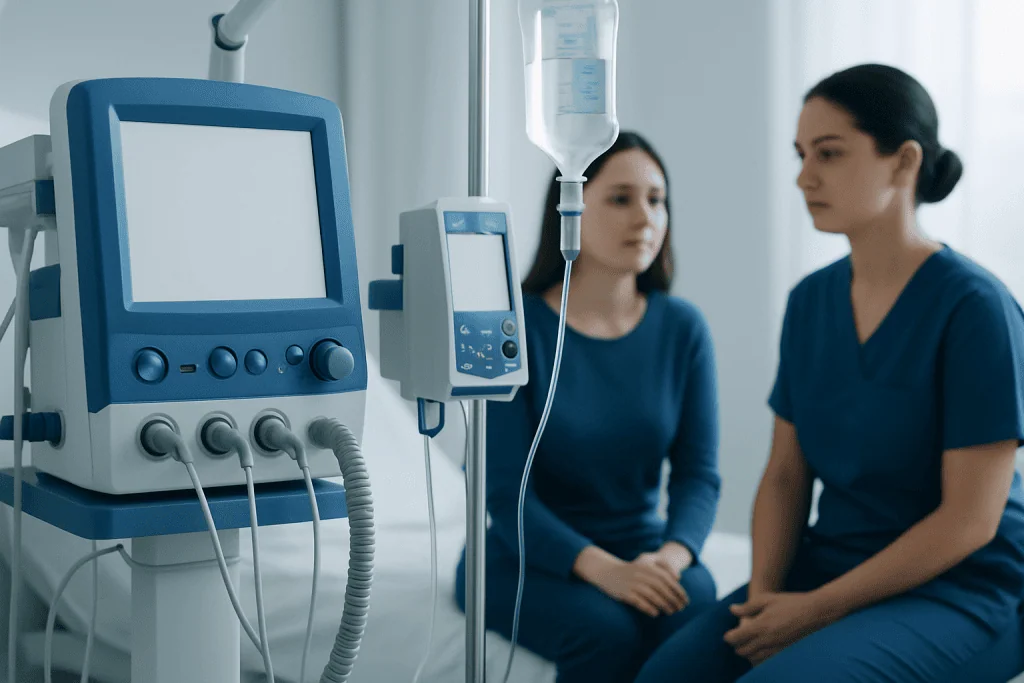
People do not need to wait until symptoms become overwhelming before seeking help. Mental health support may be useful when emotional changes last more than a couple of weeks, interfere with work or school, strain relationships, or make daily routines harder to manage. Common signs include persistent sadness, excessive worry, irritability, panic, loss of interest, poor sleep, low energy, trouble concentrating, or changes in appetite.
Some signs suggest more urgent care is needed. These include thoughts of self-harm or suicide, hearing or seeing things others do not, severe agitation, risky behavior, confusion, inability to care for basic needs, or intense distress after a traumatic event. Substance use can also worsen mental health symptoms and increase risk.
Children, teenagers, and older adults may show distress in different ways. A child may become more withdrawn, irritable, or have changes in school performance. Teenagers may show risk-taking, sleep changes, or social isolation. Older adults may seem forgetful, anxious, or less interested in daily activities. In every age group, noticeable changes in behavior deserve attention and compassionate follow-up.
- Low mood or anxiety that persists
- Frequent panic symptoms or overwhelming stress
- Social withdrawal or loss of interest in usual activities
- Changes in sleep, eating, or energy levels
- Thoughts of hopelessness, self-harm, or suicide
Where to Find Immediate Crisis Support

When someone may be in immediate danger or unable to stay safe, the priority is urgent help. Emergency medical services or the nearest emergency department are appropriate if there is a suicide attempt, active self-harm, violent behavior, severe confusion, overdose, or a mental health crisis involving medical risk. It is safer to seek urgent support than to wait and hope symptoms improve on their own.
If the person is distressed but not in immediate physical danger, a crisis hotline or local mental health crisis team may help. Many countries have 24-hour phone, text, or chat services staffed by trained responders. These services can provide emotional support, suicide prevention guidance, and direction to local care. If a person cannot make the call themselves, a trusted family member or friend can often contact services on their behalf.
In a crisis, simple steps can also help while waiting for professional support. Stay with the person if possible, move away from means of self-harm, speak calmly, and avoid arguments or judgment. Short, clear questions such as “Are you safe right now?” or “Can I stay with you while we get help?” may be more useful than long conversations. If there is any doubt about safety, emergency evaluation is appropriate.
Options for Therapy and Medical Care
For non-emergency concerns, therapy is one of the most common and effective mental health resources. A psychologist, counselor, psychotherapist, or clinical social worker can help people understand symptoms, develop coping skills, improve relationships, and process grief or trauma. Different approaches are available, including cognitive behavioral therapy, interpersonal therapy, family therapy, and trauma-focused care. The best fit depends on the person’s needs, preferences, and goals.
Primary care doctors are another important starting point. They can discuss symptoms, check for physical health conditions that may affect mood or energy, and help with referrals to mental health specialists. In some cases, a psychiatrist or other qualified clinician may recommend medication as part of treatment, especially when symptoms are moderate to severe or have not improved with therapy alone. Care may include evaluation for conditions such as bipolar disorder when mood changes are more complex.
Care is increasingly available in different formats. Some people prefer in-person appointments, while others do well with telehealth visits that make access easier. Depending on the individual, treatment plans may involve psychotherapy, medication management, or a combined approach. For people with treatment-resistant symptoms or severe illness, specialist review may be needed to consider advanced options such as transcranial magnetic stimulation in appropriate settings.
It can take time to find the right therapist or doctor. Questions about training, treatment style, language, privacy, costs, and appointment availability are all reasonable. A good therapeutic relationship should feel respectful, collaborative, and safe. If the first option is not a good fit, trying another professional is a normal part of the process.
Community, School, Workplace, and Peer Resources
Not all support comes from hospitals or private clinics. Schools often provide counselors, psychologists, or student support teams who can help with stress, bullying, exam pressure, and emotional concerns. Universities may offer short-term counseling, crisis appointments, and referrals. For children and adolescents, teachers and school staff are often among the first adults to notice changes in behavior or functioning.
Workplaces may offer mental health support through employee assistance programs, occupational health services, or health insurance networks. These services can help with counseling referrals, stress management, and short-term support for work-related or personal concerns. A family doctor can also help coordinate work notes or a temporary reduction in demands if symptoms are interfering with daily function.
Peer support groups and community organizations can reduce isolation and provide practical coping ideas. Some are diagnosis-specific, while others focus on grief, caregiving, addiction recovery, or trauma. Although peer groups do not replace clinical treatment when symptoms are severe, they can be a valuable complement to professional care. Many people benefit from speaking with others who have faced similar experiences.
Faith communities, cultural organizations, and local charities may also offer meaningful support, especially when people want care that respects their values, language, or social background. In all settings, privacy and personal comfort matter. It is helpful to choose resources that feel trustworthy, inclusive, and appropriate for the individual’s needs.
Daily Self-Care and Digital Mental Health Tools
Daily care is not a substitute for treatment when someone has significant symptoms, but it can support recovery and resilience. Helpful habits include regular sleep, balanced meals, movement, daylight exposure, time with supportive people, and limits around alcohol or drug use. Gentle routines can be especially important when motivation is low. Small, repeatable actions often work better than trying to change everything at once.
Stress management techniques may also help. These can include breathing exercises, mindfulness, journaling, grounding skills, relaxation practices, and scheduling breaks from screens or upsetting news. Some people find benefit in mood tracking, which can help them notice patterns and triggers. These strategies may be useful for everyday stress as well as alongside treatment for common conditions such as anxiety or low mood.
Digital mental health tools can make support more accessible. Reputable apps and online programs may offer guided relaxation, cognitive exercises, symptom tracking, or psychoeducation. However, not every app is evidence-based, and digital tools are not suitable for emergencies. It is best to treat them as supportive tools rather than replacements for professional evaluation when symptoms are persistent, severe, or worsening.
- Set a regular sleep and wake schedule
- Break tasks into small steps
- Stay connected with at least one trusted person
- Reduce substance use if it worsens symptoms
- Use evidence-informed apps or online programs with caution
How to Choose the Right Resource
The most suitable mental health resource depends on urgency, symptoms, age, medical history, and personal preference. A crisis service is appropriate for immediate danger. A therapist may be best for persistent anxiety, low mood, relationship stress, or trauma recovery. A primary care doctor may be a practical first step when symptoms are new, when there may be a physical cause, or when referrals are needed. Families may prefer child and adolescent specialists for younger people.
It can help to ask a few practical questions before choosing care: Is the provider licensed or appropriately trained? Do they treat this type of concern? Is language interpretation available if needed? What is the expected wait time? Are in-person and virtual visits both possible? If medication might be needed, can the service provide psychiatric evaluation or refer to it?
Barriers such as cost, transportation, stigma, or long waiting lists can delay care. In those situations, it may be helpful to use more than one resource at the same time, such as a primary care visit, a support group, and a trusted digital tool while waiting for therapy. Near the end of a care search, some people also explore specialist centers; Acibadem International’s multidisciplinary specialists in JCI-accredited hospitals diagnose and treat mental health conditions for international patients when coordinated specialist care is needed.
When to See a Doctor
A doctor should be consulted when emotional symptoms persist, return repeatedly, or interfere with work, school, sleep, relationships, or self-care. Medical evaluation is also important when symptoms begin suddenly, become more intense, or occur alongside physical changes such as weight loss, severe fatigue, memory problems, fainting, or substance misuse. Some physical health conditions and medications can contribute to anxiety, depression, or confusion.
Urgent medical attention is needed if there are suicidal thoughts, a plan for self-harm, extreme agitation, violent behavior, hallucinations, severe withdrawal from reality, or inability to meet basic needs. Families and friends should not feel they must manage dangerous situations alone. Emergency services, emergency departments, and crisis teams are there to help.
For children, teenagers, pregnant or postpartum individuals, and older adults, early assessment can be especially important because symptoms may appear differently or affect daily function quickly. If there is uncertainty, it is reasonable to err on the side of seeking professional advice. Early support can reduce suffering and improve the chances of timely, effective care.
Frequently asked questions
What are mental health resources?
Mental health resources are services and tools that support emotional well-being and treatment. They include crisis lines, therapists, psychiatrists, primary care doctors, support groups, school counselors, community programs, and evidence-informed digital tools.
How does someone know if they need urgent help or routine support?
Urgent help is needed if there is immediate danger, suicidal thoughts, self-harm, severe confusion, hallucinations, or inability to stay safe. Routine support is more appropriate for ongoing stress, anxiety, low mood, relationship problems, or sleep difficulties that are distressing but not immediately dangerous.
Can a primary care doctor help with mental health concerns?
Yes. A primary care doctor can discuss symptoms, check for physical causes, offer initial treatment in some cases, and refer to mental health specialists. This can be a good first step when someone is unsure where to begin.
Is online therapy as helpful as in-person therapy?
Online therapy can be helpful for many people, especially when travel, mobility, or scheduling is a barrier. However, the best format depends on the person’s needs, comfort, privacy, and symptom severity. Some situations, especially emergencies or complex psychiatric symptoms, may require in-person assessment.
What if the first therapist is not a good fit?
That can happen, and it does not mean therapy will not help. People may need to try another therapist, treatment style, or format before finding the right match. Feeling respected, understood, and safe is an important part of effective care.
Are self-care tools enough for anxiety or depression?
Self-care can support mental health, but it may not be enough when symptoms are persistent, severe, or affecting daily life. Therapy, medical assessment, and sometimes medication may be needed. Self-care works best as part of a broader plan when symptoms are significant.
References
- World Health Organization
- National Institute of Mental Health
- American Psychiatric Association
- Centers for Disease Control and Prevention
- Substance Abuse and Mental Health Services Administration
This article is for general information only and is not a substitute for professional medical advice. Please consult a qualified doctor about your individual situation.
Explore treatments in Turkey — costs, top hospitals & a free quote
JCI-accredited · board-certified surgeons · reply within 24h
Add us as a Preferred Source to see more of our trusted health content across Google Search, AI Overviews and Discover.