Mental Health Screening: Who Should Consider It and What the Questions Can Reveal

Mental health screening is a first step that helps identify possible concerns early. Screening can be helpful for people with symptoms, major life stress, chronic illness, or a personal or family history of mental health conditions.
Key Takeaways
- Mental health screening is a first step that helps identify possible concerns early.
- Screening can be helpful for people with symptoms, major life stress, chronic illness, or a personal or family history of mental health conditions.
- The questions usually explore mood, sleep, stress, concentration, behavior, and daily functioning.
- A screening result is not a final diagnosis; a qualified clinician interprets it in context.
- Early recognition can make treatment and recovery more manageable.
- Urgent help is needed right away if there are thoughts of self-harm, suicide, or harm to others.
Mental health screening is a structured way to check for signs of emotional or psychological concerns such as depression, anxiety, substance misuse, or stress-related problems. It does not by itself provide a diagnosis, but it can help identify who may benefit from a fuller evaluation and earlier support.
Overview: What Mental Health Screening Means
Mental health screening is a brief, structured check of emotional well-being. It often uses questionnaires or guided interview questions to look for signs of conditions such as depression, anxiety, trauma-related symptoms, substance misuse, eating disorders, or other mental health concerns. The goal is to notice patterns early, especially when symptoms are affecting daily life, relationships, work, or school.
Screening is different from a full psychiatric diagnosis. A screening tool can suggest that certain symptoms deserve closer attention, but it cannot confirm a condition on its own. Results are most useful when reviewed by a qualified healthcare professional who can consider the person’s medical history, current stressors, physical health, medications, and overall functioning.
Many people benefit from screening because mental health symptoms are not always obvious. Emotional distress may show up as tiredness, poor sleep, irritability, headaches, changes in appetite, or difficulty concentrating. Some people dismiss these signs as stress or personality traits, so a screening can provide a clearer picture of whether further support may be helpful.
Who Should Consider Mental Health Screening
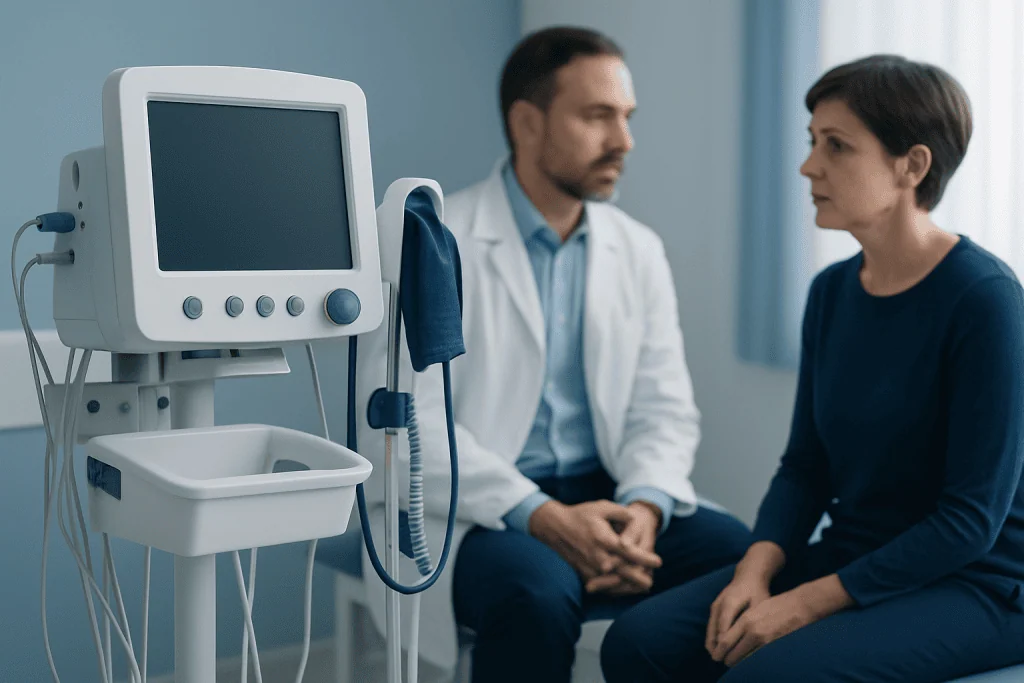
Mental health screening can be useful for anyone who feels that their emotional well-being has changed, especially if symptoms last more than a couple of weeks or begin to interfere with normal activities. This includes people who feel persistently sad, worried, overwhelmed, numb, hopeless, restless, or unable to enjoy things they usually like. It may also help those who notice unexplained physical complaints, frequent anger, social withdrawal, or sudden changes in sleep and appetite.
Screening may be especially valuable during major life transitions or stressful periods. Examples include pregnancy and the months after childbirth, grief, divorce, job loss, caregiving responsibilities, retirement, academic pressure, moving to a new country, or recovering from a serious illness. Children, teenagers, and older adults may show distress differently, so age-appropriate screening can be important.
It is also reasonable to consider screening for people with risk factors, even if symptoms seem mild. Risk can be higher in those with:
- A personal or family history of depression, anxiety, bipolar disorder, or other mental health conditions
- Long-term medical conditions such as heart disease, diabetes, chronic pain, cancer, or neurological illness
- Substance or alcohol misuse
- Past trauma, abuse, neglect, or major loss
- Persistent sleep problems or burnout
- Social isolation or limited support systems
Routine screening in primary care, schools, workplaces, or community settings may also help identify concerns in people who would not otherwise seek help. This can support earlier care and reduce the chance that symptoms become more severe over time.
What the Questions Usually Ask

Mental health screening questions are designed to identify patterns rather than judge personality. They often ask how often certain feelings or behaviors have happened over the past two weeks or month. Common topics include mood, anxiety, stress, sleep, appetite, energy, concentration, memory, alcohol or drug use, and the ability to manage everyday responsibilities.
Many screening tools also ask whether symptoms are affecting work, school, family life, or social activities. This matters because mental health conditions are not defined only by feelings but also by how much they disrupt functioning. For example, two people may both feel worried, but one may still cope well while the other’s anxiety may lead to panic attacks, avoidance, or poor performance.
The questions can sometimes reveal more than expected. They may highlight hidden depression behind physical tiredness, anxiety behind stomach discomfort, trauma responses behind irritability, or substance use that has become a coping habit. In some cases, responses point toward the need for a more detailed evaluation for depression, anxiety disorders, or sleep-related concerns.
Some screening forms include direct questions about safety, such as thoughts of self-harm or suicide. These questions are important and standard in many settings. Answering them honestly helps clinicians assess risk and arrange the right level of support as quickly as possible.
What Screening Can Reveal and What It Cannot
A screening can reveal whether a person may be experiencing symptoms consistent with a mental health condition and whether those symptoms are mild, moderate, or more severe. It can also show which areas need attention first, such as low mood, panic symptoms, trauma reactions, problematic substance use, or major sleep disruption. This can help guide the next steps in care.
However, screening has limits. It cannot fully explain why symptoms are happening, and it cannot replace a clinical assessment. Similar symptoms can appear in different conditions. For instance, poor concentration may occur with anxiety, depression, sleep deprivation, attention disorders, medication side effects, or thyroid problems. This is why results should be interpreted in a broader medical and personal context.
Screening results can also be affected by timing and circumstances. A person going through acute grief, jet lag, a difficult exam period, or a temporary health setback may score higher on some questions without having a lasting disorder. On the other hand, some people underreport symptoms because of stigma, embarrassment, or fear of judgment. A thoughtful conversation with a clinician can help clarify the picture.
Used well, mental health screening is a doorway rather than a label. It opens the opportunity to ask better questions, reduce uncertainty, and connect the person with supportive resources before problems become harder to manage.
How Mental Health Screening Is Followed by Diagnosis
If a screening suggests a possible concern, the next step is usually a more complete mental health evaluation. This may be carried out by a primary care doctor, psychiatrist, psychologist, or another trained mental health professional. The clinician will discuss symptoms in more depth, ask when they started, how severe they are, and how they affect daily life.
A full evaluation often includes medical history, current medications, substance use, sleep patterns, personal stressors, and family history. In some cases, a physical examination or lab tests may be recommended to rule out medical causes of symptoms, such as thyroid disorders, vitamin deficiencies, medication effects, or other health problems that can affect mood or thinking.
Diagnosis is based on the complete clinical picture, not only on a score from a questionnaire. The clinician may identify one condition, several overlapping concerns, or no formal mental health disorder at all. Sometimes the main finding is stress, burnout, grief, or adjustment difficulties that still deserve support even if they do not meet criteria for a specific diagnosis.
This step is important because accurate diagnosis helps match the person with the most appropriate care. It can also distinguish when symptoms are better explained by another condition, such as sleep disorders or substance-related problems, rather than a primary mood disorder.
Treatment Options After a Positive Screening
Treatment depends on the person’s symptoms, diagnosis, safety needs, preferences, and general health. Mild symptoms may improve with counseling, stress management, better sleep habits, regular physical activity, and stronger social support. More persistent or moderate symptoms may benefit from structured psychotherapy, medication, or both. The plan should be personalized and reviewed over time.
Common evidence-based treatments include psychological therapies such as cognitive behavioral approaches, supportive counseling, and trauma-focused therapies when appropriate. Some people are referred for psychotherapy to understand their symptoms, develop coping strategies, and improve emotional regulation. For others, a psychiatric review may help determine whether psychiatric care or medication could be useful as part of treatment.
When symptoms are linked to stress, exhaustion, or disrupted routines, care may also include practical changes. Examples include reducing alcohol use, creating a sleep schedule, addressing relationship strain, and learning skills for relaxation or problem-solving. If a person has a coexisting medical condition, mental health treatment often works best when coordinated with their other healthcare providers.
In severe situations, such as active suicidal thoughts, inability to function, psychosis, or concern for safety, urgent evaluation is needed. Near the end of the care pathway, patients seeking international support may wish to know that Acibadem International’s multidisciplinary specialists in JCI-accredited hospitals diagnose and treat mental health conditions for international patients, including through services such as psychological counseling when appropriate.
Prevention, Self-Care, and When to Seek Help
Mental health screening works best alongside everyday self-care and early attention to warning signs. Good sleep, regular movement, balanced meals, social connection, time outdoors, and limits on alcohol or recreational drugs can all support emotional resilience. Stress cannot always be avoided, but healthy routines often make it easier to recover from it.
People can also monitor patterns in mood, energy, irritability, motivation, and concentration. Keeping a simple journal of symptoms, sleep, and stressors can help identify triggers and make healthcare visits more productive. It may also show whether symptoms are improving, staying the same, or becoming more frequent.
A doctor or mental health professional should be consulted if symptoms last more than two weeks, recur often, or interfere with relationships, work, school, or self-care. Help is also important if a person feels increasingly hopeless, uses alcohol or drugs to cope, has panic attacks, or notices major changes in behavior or personality.
Emergency help should be sought immediately if there are thoughts of suicide, self-harm, or harming others, or if a person appears confused, disconnected from reality, or unable to care for basic needs. In these situations, prompt support is the safest step.
Frequently asked questions
Is mental health screening the same as a diagnosis?
No. Mental health screening is a first-step check that looks for possible symptoms or patterns. A diagnosis requires a fuller evaluation by a qualified clinician who considers medical history, context, and daily functioning.
Can someone have a normal screening result and still need help?
Yes. Screening tools are helpful, but they do not capture every experience or every condition. If a person feels distressed or is struggling in daily life, it is still reasonable to speak with a healthcare professional even if a questionnaire score seems low.
What age groups can benefit from mental health screening?
Screening can be useful across the lifespan, including children, teenagers, adults, and older adults. The questions and interpretation should be appropriate for the person's age, development, and life situation.
Are mental health screening questions private?
In clinical settings, screening is generally handled as part of confidential medical care, with privacy protections that follow local laws and professional standards. There may be exceptions if there is an immediate safety concern, such as risk of self-harm or harm to others.
What if screening shows possible depression or anxiety?
A positive result usually means that further evaluation is recommended, not that the condition is confirmed. The next step is often a conversation with a doctor or mental health professional about symptoms, stressors, and treatment options.
How often should mental health screening be done?
There is no single schedule for everyone. Screening may be done during routine healthcare visits, during high-stress periods, after major life events, or whenever symptoms appear or return.
References
- World Health Organization
- National Institute of Mental Health
- American Psychiatric Association
- Centers for Disease Control and Prevention
- National Health Service
This article is for general information only and is not a substitute for professional medical advice. Please consult a qualified doctor about your individual situation.
Explore treatments in Turkey — costs, top hospitals & a free quote
JCI-accredited · board-certified surgeons · reply within 24h
Add us as a Preferred Source to see more of our trusted health content across Google Search, AI Overviews and Discover.