Methemoglobinemia: Early Signs, Risk Factors, and How It Is Treated

Methemoglobinemia happens when hemoglobin is changed into a form that cannot release oxygen normally. Common clues include blue-gray lips or skin, headache, fatigue, dizziness, and shortness of breath.
Key Takeaways
- Methemoglobinemia happens when hemoglobin is changed into a form that cannot release oxygen normally.
- Common clues include blue-gray lips or skin, headache, fatigue, dizziness, and shortness of breath.
- It can be inherited or triggered by certain medicines, chemicals, or, less commonly, contaminated well water.
- Diagnosis usually relies on clinical suspicion, pulse oximetry patterns, and co-oximetry blood testing.
- Treatment depends on severity and cause, and may include stopping the trigger, oxygen, and methylene blue in selected patients.
- Urgent medical care is needed for breathing difficulty, confusion, chest pain, or rapidly worsening cyanosis.
Methemoglobinemia is a blood disorder in which hemoglobin cannot carry oxygen effectively, so tissues may not get the oxygen they need. Early recognition matters because symptoms can range from mild bluish discoloration to serious breathing and heart-related problems, and treatment is often very effective once the cause is identified.
Overview
Methemoglobinemia is a condition in which part of the hemoglobin in red blood cells is converted into methemoglobin, a form that does not carry oxygen efficiently. As a result, oxygen may not be delivered to the body’s tissues as well as it should be. This can lead to bluish or grayish skin color, tiredness, headache, dizziness, or shortness of breath.
In healthy blood, a small amount of methemoglobin is formed naturally and then quickly converted back to normal hemoglobin by the body’s protective enzyme systems. Methemoglobinemia develops when too much methemoglobin builds up or when the body cannot clear it effectively. The condition may be inherited or acquired later in life after exposure to certain drugs or chemicals.
Although the name sounds uncommon, the clinical idea is straightforward: the blood may contain oxygen, but the altered hemoglobin cannot release it well to tissues. Because some symptoms can resemble heart or lung disease, careful assessment is important. Prompt diagnosis usually leads to effective treatment and helps prevent complications.
Early Signs and Symptoms
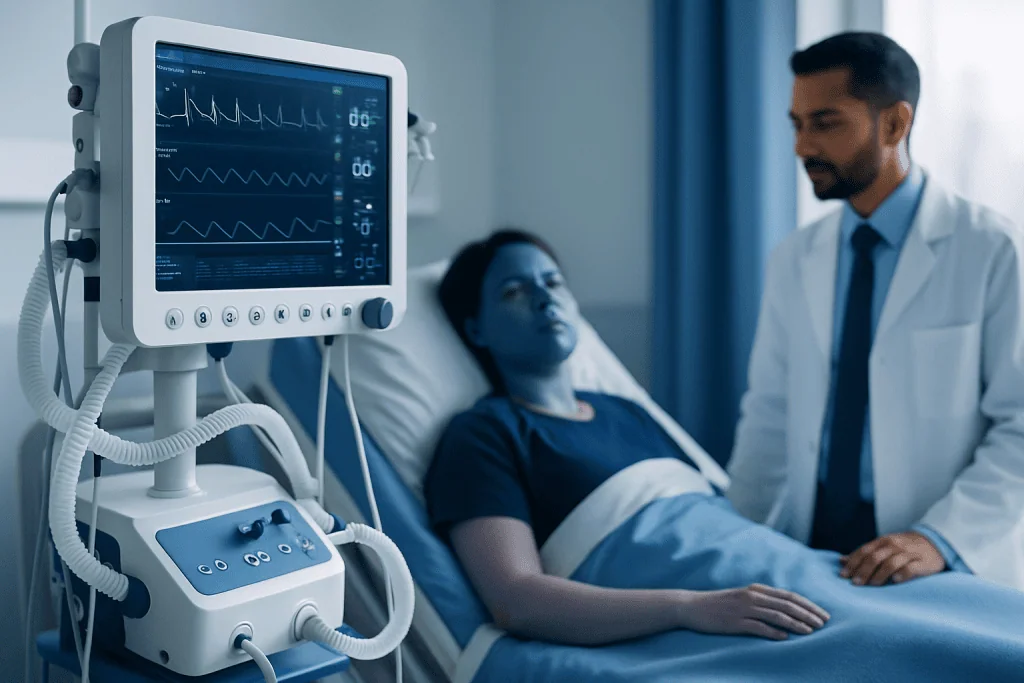
One of the earliest and most noticeable signs of methemoglobinemia is cyanosis, which means a blue, slate-gray, or dusky color of the lips, nail beds, or skin. This color change may appear more striking than the person’s overall level of distress, especially in milder cases. Some people also notice unusual fatigue, weakness, or reduced exercise tolerance.
As methemoglobin levels rise, symptoms often reflect reduced oxygen delivery. These may include headache, dizziness, lightheadedness, rapid heartbeat, shortness of breath, and confusion. Infants and young children may become irritable, sleepy, or feed poorly. In more severe cases, symptoms can progress to severe breathing difficulty, altered mental status, seizures, abnormal heart rhythms, or loss of consciousness.
A helpful clinical clue is that pulse oximeter readings may stay low even when oxygen is given, while the person’s lungs may not show a clear problem. Blood can also appear chocolate-brown rather than bright red. These features do not confirm the diagnosis by themselves, but they may raise suspicion and prompt the right tests.
- Mild symptoms: bluish skin, headache, tiredness, anxiety, mild breathlessness
- Moderate symptoms: dizziness, faster heartbeat, weakness, confusion
- Severe symptoms: marked shortness of breath, chest pain, fainting, seizures, coma
Causes and Risk Factors

Methemoglobinemia can be congenital or acquired. Congenital forms are usually caused by inherited enzyme deficiencies, especially cytochrome b5 reductase deficiency, or by abnormal hemoglobin such as hemoglobin M. People with congenital methemoglobinemia may have lifelong cyanosis and may be diagnosed in infancy or childhood, although milder forms can go unrecognized for years.
Acquired methemoglobinemia is more common. It can happen after exposure to oxidizing agents that overwhelm the blood’s ability to restore hemoglobin to its normal state. Well-known triggers include topical anesthetics such as benzocaine, some local anesthetics, dapsone, nitrates and nitrites, nitrobenzene, and certain antibiotics or industrial chemicals. In infants, nitrate-contaminated well water is a classic concern, particularly when formula is prepared with unsafe water.
Risk is higher in babies under 6 months, older adults, and people with anemia, heart disease, lung disease, sepsis, or glucose-6-phosphate dehydrogenase deficiency. Larger doses, repeated exposure, or combinations of oxidizing drugs can also increase the chance of illness. Because symptoms overlap with other conditions, doctors may also consider related blood problems such as anemia when evaluating fatigue or breathlessness.
How Doctors Diagnose Methemoglobinemia
Diagnosis starts with the history and physical examination. Doctors ask about recent medicines, dental or throat sprays, hospital procedures, occupational exposures, and family history. They also assess oxygen-related symptoms, check for cyanosis, and look for signs that could point instead to heart, lung, or circulatory problems.
Standard pulse oximetry may suggest low oxygen saturation, but it is not reliable for confirming methemoglobinemia. The most useful test is co-oximetry, a specialized blood analysis that directly measures methemoglobin levels. An arterial or venous blood gas may be taken as well. Sometimes there is a mismatch between a relatively normal oxygen pressure on blood gas and a low pulse oximeter reading, which can be an important clue.
Additional tests may be used to look for complications, underlying illness, or inherited causes. These can include complete blood count, kidney and liver tests, and, in selected cases, enzyme testing or genetic evaluation. If chest pain, severe shortness of breath, or circulatory symptoms are present, physicians may also assess for heart or lung conditions that need urgent treatment, sometimes alongside cardiology evaluation.
Treatment Options
Treatment depends on the cause, the methemoglobin level, and the person’s symptoms. The first step is to stop the triggering medicine or chemical when possible. Supplemental oxygen is commonly given, even though it may not fully correct the pulse oximeter reading. Many mild cases improve with supportive care and careful observation once the exposure has ended.
For moderate or severe symptoms, or for significantly elevated methemoglobin levels, methylene blue is often the standard antidote. It helps convert methemoglobin back to functional hemoglobin. However, it is not appropriate for everyone, especially some people with glucose-6-phosphate dehydrogenase deficiency, in whom it may be less effective or harmful. In these situations, specialists may consider alternatives such as ascorbic acid, exchange transfusion, or hyperbaric oxygen in selected severe cases.
Hospital care may be needed when symptoms are significant, the patient is very young, or the diagnosis is uncertain. Management may involve blood specialists and critical care teams, particularly if there are complications or concern for another blood disorder. In rare complex cases, doctors may coordinate care with hematology and advanced blood disorder services or respiratory support through intensive care when oxygen delivery is critically impaired.
Prevention and Self-care
Prevention focuses on avoiding known triggers and using medications safely. People who have had methemoglobinemia before should tell every healthcare professional involved in their care, especially before dental work, endoscopy, or procedures that may use topical anesthetics. Keeping a written list of drugs or chemicals that caused symptoms can be very helpful.
Parents of infants should use safe drinking water for formula preparation and ask local authorities if private well water has not been tested. People who work with dyes, solvents, or industrial chemicals should follow workplace safety guidance, including protective equipment and ventilation. Never use prescription or topical numbing products more often or in larger amounts than directed.
Those with inherited methemoglobinemia may benefit from ongoing follow-up, education about symptom changes, and discussion of family screening where appropriate. While lifestyle measures cannot treat the disorder directly, general habits that support oxygen delivery and overall health—such as avoiding smoking and seeking timely care for infections—can reduce stress on the body.
When to Seek Medical Care
Medical advice should be sought promptly if a person develops unexplained blue or gray lips or skin, especially after starting a new medicine or using a numbing spray or cream. Evaluation is also important for persistent headache, unusual fatigue, shortness of breath, rapid heartbeat, or dizziness that does not fit a simple explanation.
Emergency care is needed if symptoms are severe or worsening. Warning signs include difficulty breathing, chest pain, confusion, fainting, seizures, or a baby who is very sleepy, feeding poorly, or appears blue. These symptoms may reflect significant oxygen delivery problems and should not be watched at home.
Because methemoglobinemia can resemble other urgent conditions, timely testing helps doctors choose the right treatment quickly. Near the end of the care pathway, some patients may need follow-up with blood specialists to clarify whether the condition was inherited or acquired and to prevent recurrence. Acibadem International’s multidisciplinary specialists and JCI-accredited hospitals evaluate and treat blood disorders for international patients, including assessment of cyanosis and related conditions such as polycythemia when clinically relevant.
Frequently asked questions
What is methemoglobinemia in simple terms?
Methemoglobinemia is a blood disorder in which hemoglobin is changed into a form that cannot carry oxygen normally. Even if oxygen is present in the blood, the body’s tissues may not receive enough of it.
What are the first signs of methemoglobinemia?
Early signs often include blue-gray lips or skin, especially around the mouth and fingertips. Headache, tiredness, dizziness, and shortness of breath can also appear early, depending on how much methemoglobin has built up.
Can methemoglobinemia be caused by medications?
Yes. Some numbing agents, certain antibiotics, dapsone, nitrates, and other oxidizing medicines or chemicals can trigger acquired methemoglobinemia. The risk may be higher with larger doses, repeated use, or in people with underlying vulnerabilities.
Is methemoglobinemia dangerous?
It can be mild or severe. Mild cases may cause little more than cyanosis and fatigue, but severe cases can reduce oxygen delivery enough to cause confusion, breathing trouble, heart strain, seizures, or loss of consciousness.
How is methemoglobinemia diagnosed?
Doctors usually suspect it from symptoms, oxygen readings, and recent exposure history. The main confirming test is co-oximetry, which directly measures the methemoglobin level in the blood.
How is methemoglobinemia treated?
Treatment starts with stopping the cause and giving supportive care such as oxygen. More serious cases are often treated with methylene blue, although some people need alternative approaches depending on the underlying cause and other medical conditions.
Can methemoglobinemia come back?
Yes, recurrence is possible if the same trigger is used again or if a person has an inherited form. Knowing the cause, avoiding problem medicines or chemicals, and sharing this history with healthcare providers can help prevent future episodes.
References
- World Health Organization
- U.S. National Library of Medicine
- MedlinePlus
- Merck Manual Professional Edition
- American Society of Hematology
This article is for general information only and is not a substitute for professional medical advice. Please consult a qualified doctor about your individual situation.
Explore treatments in Turkey — costs, top hospitals & a free quote
JCI-accredited · board-certified surgeons · reply within 24h
Add us as a Preferred Source to see more of our trusted health content across Google Search, AI Overviews and Discover.