

Microdermabrasion: What Patients Need to Know
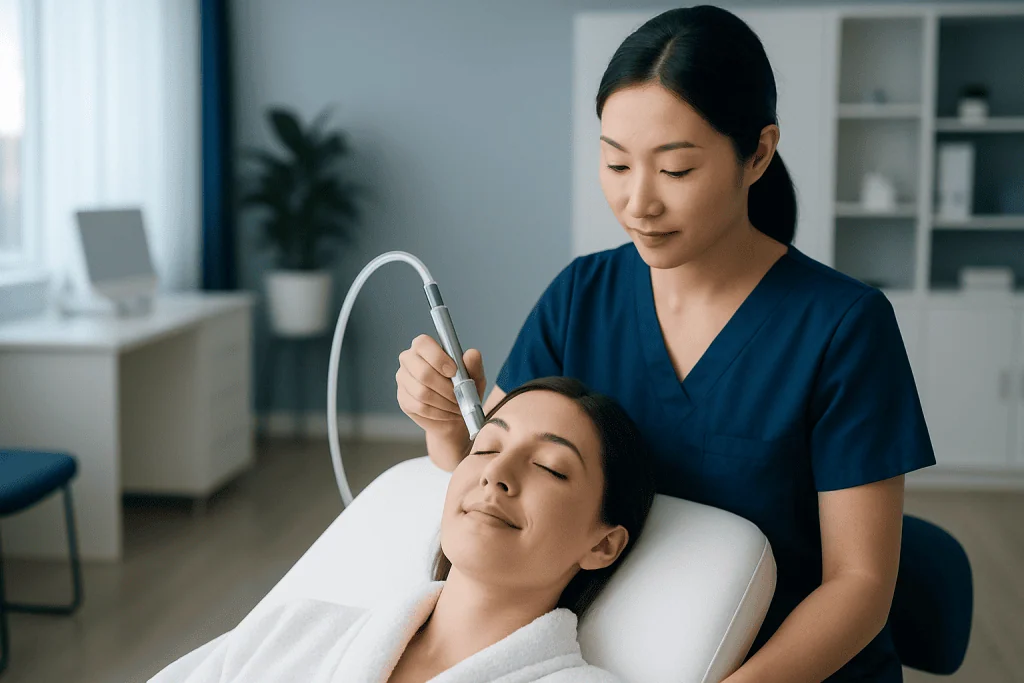
Microdermabrasion exfoliates the skin’s surface and may improve dullness, rough texture, mild acne marks, and uneven tone. It is generally considered low risk, but temporary redness, dryness, and sensitivity are common after treatment.
Key Takeaways
- Microdermabrasion exfoliates the skin’s surface and may improve dullness, rough texture, mild acne marks, and uneven tone.
- It is generally considered low risk, but temporary redness, dryness, and sensitivity are common after treatment.
- The procedure does not treat deep scars, significant skin laxity, or all causes of pigmentation equally well.
- People with active skin infections, irritated skin, or certain chronic skin conditions may need to postpone or avoid treatment.
- Sun protection and gentle skincare are important before and after microdermabrasion to support healing and reduce irritation.
Microdermabrasion is a noninvasive skin resurfacing procedure that gently removes the outermost layer of dead skin cells to improve texture, brightness, and the appearance of mild imperfections. For many patients, it is a quick office-based treatment with little downtime, but results, risks, and suitability depend on skin type, goals, and overall skin health.
What microdermabrasion is and what it can do
Microdermabrasion is a minimally invasive cosmetic procedure that exfoliates the top layer of skin. It is commonly used to refresh the skin’s surface, making it look smoother and brighter. Many patients choose it to address dullness, rough texture, enlarged pores, mild acne marks, or fine surface irregularities.
The treatment works by physically removing dead skin cells from the outermost skin layer, known as the stratum corneum. This controlled exfoliation can help the skin feel softer and may support more even application of skincare products. It is usually performed in a clinic or dermatology setting and does not require surgery or general anesthesia.
Microdermabrasion is often described as a “lunchtime procedure” because sessions are relatively short and recovery is usually mild. However, it is important for patients to understand that the results are usually subtle and gradual, especially for long-standing concerns. Several treatments may be recommended depending on skin type and goals.
Although it is widely used for cosmetic improvement, microdermabrasion is not the right option for every skin concern. It may help some superficial issues, but deeper wrinkles, marked scarring, or active inflammatory skin problems often need different approaches. A skin specialist can help decide whether microdermabrasion or another dermatology treatment is more appropriate.
How the procedure works
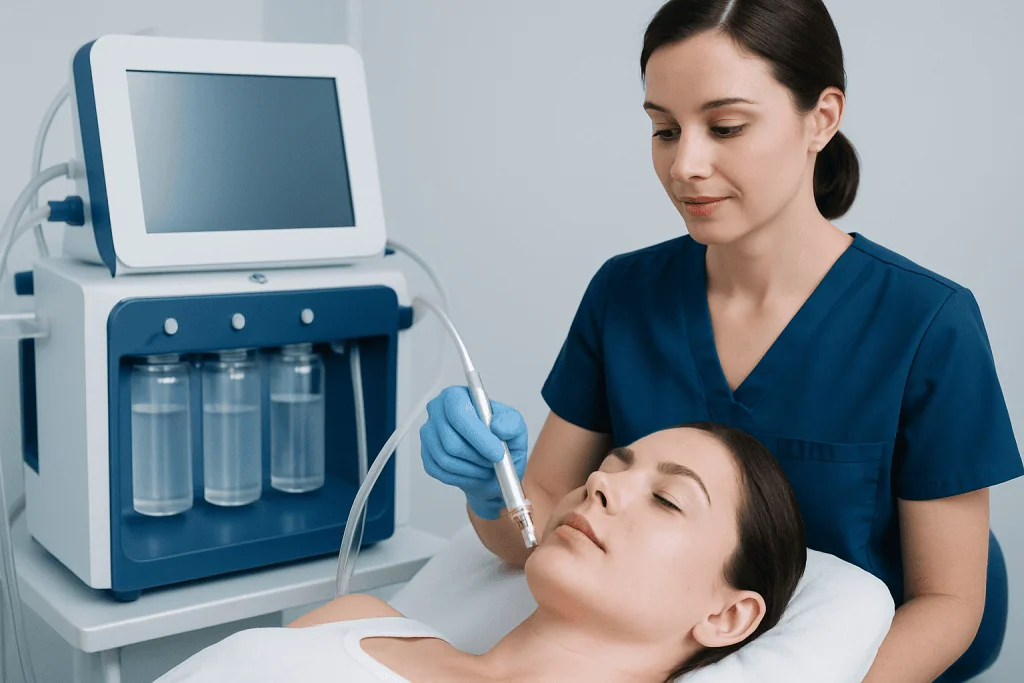
There are two main types of microdermabrasion systems: crystal-based and diamond-tip devices. Crystal systems spray fine particles onto the skin and then vacuum them away along with loosened skin cells. Diamond-tip devices use a textured wand to abrade the skin surface while suction removes debris. Both methods aim to achieve controlled exfoliation.
During a session, the clinician passes the device over the treatment area in a planned pattern. Patients often describe the sensation as mildly scratchy or similar to a vibrating scrub, with gentle suction. The procedure is usually well tolerated and does not commonly require numbing medicine.
After treatment, the skin may look pink or feel tight, similar to a mild sunburn. This short-term reaction happens because the outer barrier has been temporarily disrupted. Most people can return to usual activities the same day, though sun exposure, harsh products, and friction should be limited for a short time.
The treatment area is most often the face, but microdermabrasion can also be used on the neck, chest, hands, or other areas when clinically appropriate. The exact intensity and number of passes are adjusted based on the patient’s skin sensitivity, treatment goals, and medical history.
Who may benefit most from microdermabrasion

Microdermabrasion tends to work best for superficial skin concerns. It may be considered for patients who want a noninvasive way to improve dull skin, mild textural unevenness, fine dry lines, clogged pores, or the appearance of very mild discoloration. It can also be part of a broader skin maintenance plan.
For some people, it may help improve the look of mild acne-related marks left after breakouts have healed. However, it does not treat active severe acne in the same way that medical therapy does. Patients with active breakouts may first need assessment for acne or other skin conditions affecting the treatment area.
Results can vary according to skin tone, sensitivity, age, and the nature of the concern being treated. A person with sun-damaged skin and roughness may notice smoother texture, while someone with deeper scars may see little change. Setting realistic expectations is one of the most important parts of treatment planning.
Microdermabrasion is sometimes combined with a broader skincare strategy that may include prescription creams, chemical peels, or other resurfacing methods. In selected cases, clinicians may discuss alternatives such as chemical peel treatment if pigmentation, acne marks, or texture changes are not likely to respond well enough to surface exfoliation alone.
Who should avoid it or use caution
Even though microdermabrasion is considered low risk, it is not suitable for everyone. It is usually postponed in people with active skin infections, open wounds, recent sunburn, severe irritation, or flares of inflammatory skin disease. Treating compromised skin can worsen irritation and delay healing.
People with conditions such as rosacea, eczema, psoriasis, or very sensitive skin may need extra caution. In some cases, microdermabrasion can trigger redness, stinging, or worsening of symptoms. For this reason, patients with known chronic skin conditions should be assessed individually before booking treatment.
Use of certain medications or recent procedures can also affect safety. Strong retinoids, exfoliating acids, recent laser treatments, or a history of abnormal scarring may increase the chance of irritation or unwanted pigment changes. A full review of skincare products and recent treatments helps reduce avoidable complications.
People with unexplained rashes, changing moles, or persistent patches that do not heal should seek medical assessment rather than cosmetic treatment alone. If there is concern about an underlying skin disorder, evaluation by a specialist in dermatology care is usually the safest next step.
Possible benefits, limits, and side effects
The main benefit of microdermabrasion is that it offers visible exfoliation with little downtime. Skin may look fresher, feel smoother, and appear more even after a series of treatments. Some patients also feel that makeup goes on more evenly and that moisturizers absorb better after the surface buildup has been removed.
At the same time, the procedure has clear limits. It usually does not correct deep wrinkles, significant sagging, pronounced acne scarring, or major pigment disorders. Patients sometimes expect dramatic resurfacing, but microdermabrasion is better understood as a gentle, surface-level treatment rather than a deep corrective procedure.
Common short-term side effects include redness, dryness, tightness, mild tenderness, and increased sun sensitivity. These effects are usually temporary and improve within a few days when gentle aftercare is followed. Less commonly, bruising from suction, pinpoint skin irritation, or temporary flaking can occur.
Rarely, patients may develop prolonged irritation or post-inflammatory pigment changes, especially if the skin is treated too aggressively or exposed to sun soon afterward. This matters particularly for people with darker skin tones or a history of pigmentation concerns such as melasma, where careful treatment selection is important.
What to expect before, during, and after treatment
Before microdermabrasion, the skin is usually assessed for current irritation, sun exposure, medication use, and treatment goals. Patients are commonly advised to avoid tanning, harsh scrubs, waxing, and strong active skincare ingredients for a short period before the appointment. Following these instructions can lower the chance of excessive redness or sensitivity.
On the day of treatment, the skin is cleansed and the device is passed over the selected area. The session often lasts less than an hour, depending on the size of the treatment zone. Most patients do not need recovery time beyond basic skin protection and can return to routine daily activities the same day.
After treatment, simple aftercare is important. Gentle cleansing, regular moisturizing, and broad-spectrum sunscreen help protect the skin barrier while it recovers. For a few days, clinicians may recommend avoiding exfoliants, retinoids, hot baths, steam rooms, and direct sun exposure.
Results are often most noticeable after a series of sessions rather than a single treatment. The exact schedule varies, but treatment intervals are chosen based on how the skin responds. If the concern is deeper textural change or more advanced resurfacing, some patients may be evaluated for laser skin resurfacing instead.
When to seek medical care
Most post-treatment effects are mild and temporary, but medical advice should be sought if symptoms seem stronger than expected. Persistent swelling, severe pain, spreading redness, discharge, blistering, or signs of infection are not typical and should be assessed promptly. Any reaction that continues to worsen after the first day or two also deserves professional review.
Patients should also seek evaluation if they notice darkening, lightening, or patchy discoloration that does not settle, especially if they have a history of pigment sensitivity. New rashes, hives, or marked itching may suggest irritation or an allergic response to skincare products used after the procedure.
It is wise to consult a doctor before treatment if there is active acne, rosacea, eczema, suspicious skin lesions, recent facial procedures, or use of medications that affect the skin. A proper assessment can help avoid complications and direct the patient to a more suitable option when needed.
For individuals who want specialist evaluation, Acibadem International’s multidisciplinary specialists in JCI-accredited hospitals diagnose and treat skin concerns for international patients, helping determine whether microdermabrasion or another approach is most appropriate.
Frequently asked questions
Is microdermabrasion painful?
Microdermabrasion is usually not painful. Most patients describe it as mildly scratchy or slightly abrasive, with some suction on the skin. Temporary tightness or sensitivity afterward is common, but this is usually mild.
How long does it take to recover from microdermabrasion?
Recovery is generally short. Mild redness or dryness often improves within a day or two, although some people remain a little sensitive for several days. Sun protection and gentle skincare are important during this time.
How many microdermabrasion sessions are usually needed?
The number of sessions depends on the skin concern and the desired result. Some people notice improvement after one treatment, but a series of sessions is commonly recommended for more visible changes. A qualified clinician can suggest a schedule based on skin type and goals.
Can microdermabrasion remove acne scars?
Microdermabrasion may help soften the appearance of very mild, superficial acne marks. It does not usually improve deep or indented acne scars significantly. Deeper scarring often needs other medical or procedural treatments.
Is microdermabrasion safe for sensitive skin?
It can be safe for some people with sensitive skin, but not all. Those with rosacea, eczema, active irritation, or a damaged skin barrier may react more strongly. A skin assessment before treatment is the best way to judge whether it is appropriate.
What should be avoided after microdermabrasion?
Patients are generally advised to avoid direct sun, tanning, harsh exfoliants, retinoids, and very hot environments for a short period after treatment. Picking or scrubbing the skin should also be avoided. Gentle cleansing, moisturizing, and sunscreen usually form the core of aftercare.
References
- American Academy of Dermatology
- American Society for Dermatologic Surgery
- Mayo Clinic
- National Health Service
- MedlinePlus
This article is for general information only and is not a substitute for professional medical advice. Please consult a qualified doctor about your individual situation.
Microdermabrasion in Turkey — costs, top hospitals & a free quote
JCI-accredited · board-certified surgeons · reply within 24h
Add us as a Preferred Source to see more of our trusted health content across Google Search, AI Overviews and Discover.

More from the Health Library



Related Specialists

Prof. Dr. Hasan Uçmak
Clinical Laboratory
Prof. Dr. Namık Şahin
Orthopedic Surgery & Traumatology
Assoc. Prof. Dr. Yunus Dönder
General Surgery
Prof. Dr. Emine Handan Zeren
Pathology