Microneedling — Explained by Medical Evidence, Not Myths
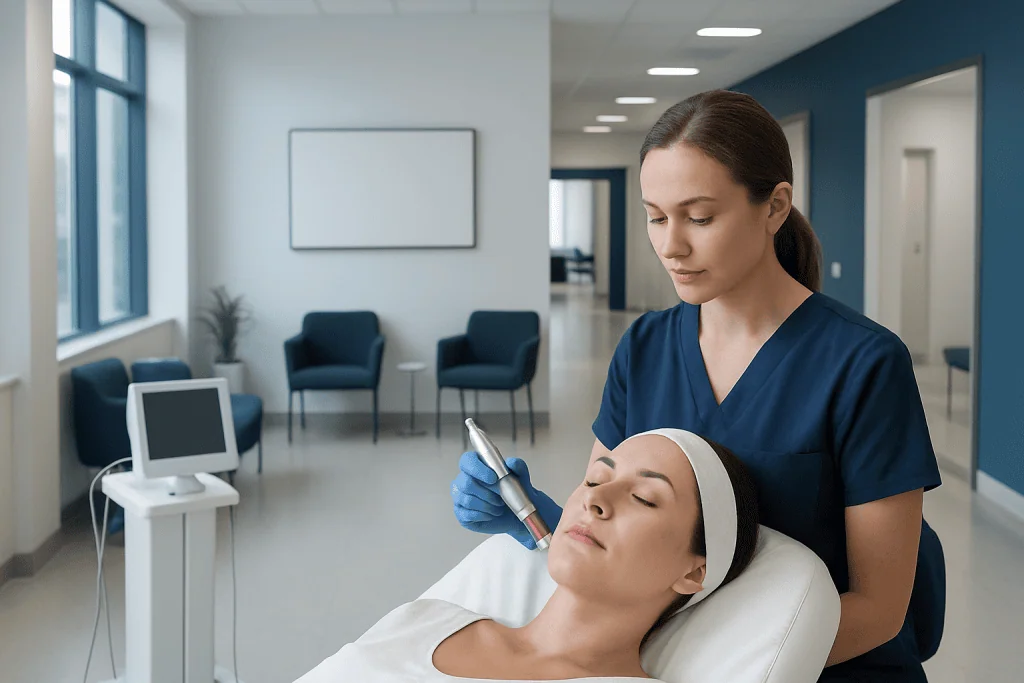
Microneedling works by triggering the skin’s natural repair response and collagen remodeling. It may improve acne scars, uneven texture, mild wrinkles, and some pigmentation concerns, but results vary.
Key Takeaways
- Microneedling works by triggering the skin’s natural repair response and collagen remodeling.
- It may improve acne scars, uneven texture, mild wrinkles, and some pigmentation concerns, but results vary.
- Professional assessment matters because skin type, active skin disease, and medical history affect safety and outcomes.
- Temporary redness, sensitivity, and dryness are common after treatment; infection and pigment changes are less common but important risks.
- At-home rollers are not equivalent to medical microneedling and may carry hygiene and skin injury risks.
Microneedling is a minimally invasive skin procedure that uses very fine needles to create controlled micro-injuries in the skin, which can stimulate repair and collagen production. Medical evidence suggests it may help improve acne scars, skin texture, enlarged pores, and early signs of aging when performed appropriately and with suitable aftercare.
What microneedling is and what it can realistically do
Microneedling is a procedure in which very fine needles create tiny, controlled punctures in the upper layers of the skin. These micro-injuries are intentional and carefully limited. They trigger the skin’s natural healing response, which includes inflammation, tissue repair, and collagen remodeling. Because collagen and elastin help support firmness and smoothness, microneedling is often used to improve the look and feel of skin rather than to change its basic structure.
Medical evidence supports microneedling for selected concerns, especially acne scarring, uneven skin texture, enlarged pores, and mild fine lines. Some people also use it as part of treatment plans for certain pigment changes or stretch marks. It is not a universal solution, and it does not produce the same results as surgery, deep resurfacing, or injectable treatments. In practice, the best outcomes usually come from matching the technique to the skin concern and the individual’s skin type.
One reason myths persist is that microneedling is often discussed as if it were either a miracle treatment or completely risk-free. Neither view is accurate. It is better understood as a clinically useful tool that can provide gradual improvement over a series of sessions, especially when performed by qualified professionals using sterile equipment and evidence-based aftercare.
How microneedling works in the skin
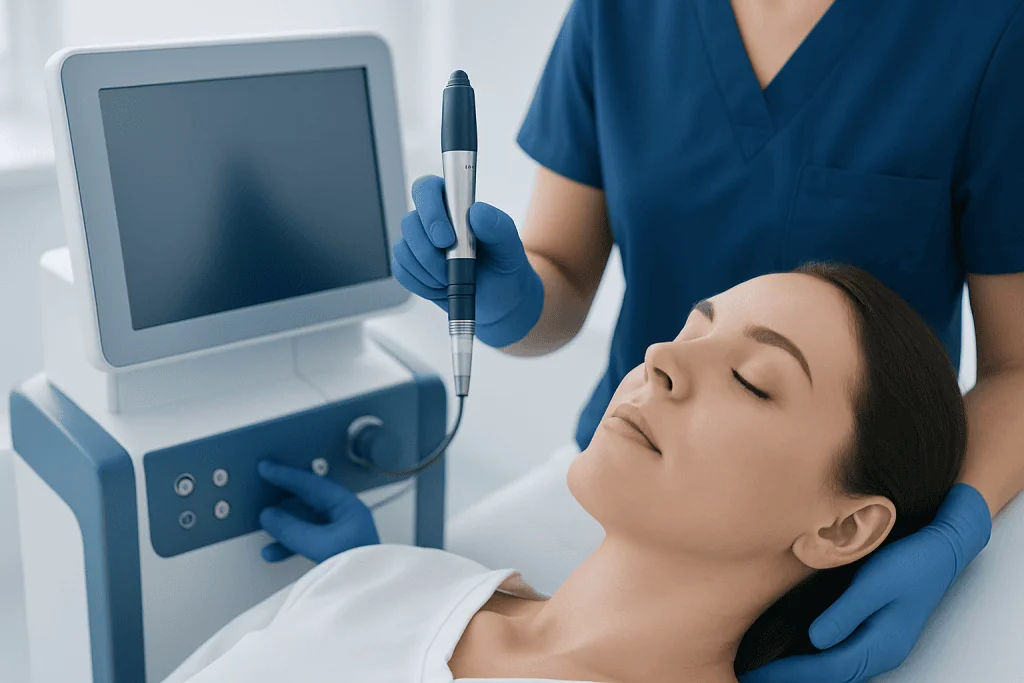
The skin responds to microneedling by starting a controlled wound-healing process. In the early phase, the body sends repair signals to the treated area. Over time, this can lead to new collagen formation and reorganization of existing collagen fibers. This remodeling may help soften shallow scars, refine rough texture, and support a smoother overall surface.
The treatment can be performed with a roller, stamp, or motorized pen-like device. In medical settings, professionals may adjust needle depth and technique based on the location being treated and the underlying concern. For example, acne scars may require a different approach than diffuse textural changes or early aging signs. This customization is one reason a professional consultation is valuable.
Microneedling is sometimes combined with other therapies to enhance results. Depending on the person’s goals and skin condition, a clinician may discuss related options such as dermatology evaluation, prescription skin care, or selected in-office procedures. Combination plans should be individualized, because more treatment is not always better, especially for sensitive or pigment-prone skin.
Who may benefit most from microneedling

Microneedling may be helpful for adults who want non-surgical improvement in skin texture and superficial scarring. It is commonly considered for acne scars, especially atrophic scars that leave shallow depressions in the skin. It may also help with mild wrinkles, photoaging, enlarged pores, and a dull or uneven surface. Some clinicians use it for stretch marks or as part of a broader plan for skin rejuvenation.
Results are typically gradual rather than immediate. Many people notice an early improvement in skin smoothness after healing from a session, but collagen remodeling takes time. Several sessions spaced over weeks are often needed, and maintenance may be discussed depending on the concern being treated. The number of sessions depends on scar depth, treatment intensity, skin tolerance, and expectations.
Microneedling is not ideal for every skin problem. It is generally less effective for very deep wrinkles, significant skin laxity, or severe active inflammation. Individuals with ongoing acne may need that condition controlled first, because treating inflamed skin can worsen irritation and raise the risk of complications. A qualified dermatologist can help determine whether microneedling is suitable or whether another therapy would be more appropriate.
Risks, side effects, and common myths
When performed correctly, microneedling is usually well tolerated, but it is still a medical procedure with possible side effects. Temporary redness, mild swelling, dryness, tightness, pinpoint bleeding, and sensitivity are common in the first days after treatment. These effects are usually expected and settle as the skin barrier recovers. The intensity depends on needle depth, technique, the treated area, and the individual’s skin reactivity.
Less common but more significant risks include infection, prolonged irritation, herpes simplex reactivation in susceptible people, scarring, and post-inflammatory hyperpigmentation or hypopigmentation. Pigment changes matter particularly in darker skin tones or in people with a history of discoloration after irritation. People with active eczema, psoriasis, rosacea flares, suspicious skin lesions, or a tendency to keloid scarring need careful medical assessment before considering treatment.
A common myth is that at-home microneedling devices are the same as medical microneedling. They are not equivalent in depth control, sterility, training, or ability to safely address skin conditions. Another myth is that more aggressive treatment always leads to better results. In reality, overtreatment can damage the skin barrier and increase downtime and risk. Evidence-based care focuses on the right candidate, the right depth, and the right interval between sessions.
What to expect before, during, and after treatment
Before treatment, a clinician usually reviews skin concerns, medical history, medications, prior procedures, and any history of cold sores, abnormal scarring, or pigment changes. The skin is examined to identify active infection, inflammation, or other reasons to postpone the procedure. Patients may be advised to avoid irritants or sun exposure beforehand, depending on the treatment plan.
During a professional session, the skin is cleansed and a topical numbing cream may be used to improve comfort. The clinician then passes the device over the treatment area in a controlled pattern. The session length varies by area. Some redness and pinpoint bleeding can occur, especially with deeper settings. The immediate appearance is often compared to a sunburn.
After treatment, the skin may feel warm, tight, and more sensitive than usual for a short period. Gentle cleansing, sun protection, and non-irritating moisturizers are commonly recommended while the skin heals. Harsh exfoliants, retinoids, fragranced products, and excessive heat are often avoided for a time. If a person is considering broader cosmetic skin care options, a physician may also discuss medical aesthetics as part of a personalized plan rather than relying on a single procedure alone.
When microneedling should be avoided or delayed
Microneedling may need to be avoided or postponed in several situations. Active skin infection, open wounds, severe inflammatory acne, uncontrolled eczema, psoriasis flares, or an active rosacea flare can increase the chance of irritation and infection. The procedure is also not appropriate over suspicious moles or unexplained skin lesions, which should be medically assessed first.
People who form keloids, have bleeding disorders, use certain anticoagulant medicines, or are immunosuppressed may need special caution. Recent isotretinoin use, recent radiation to the area, or a history of delayed wound healing can also affect whether and when microneedling is suitable. In some cases, a doctor may recommend treating the underlying skin condition first, such as eczema or psoriasis, before considering any resurfacing procedure.
Pregnancy and breastfeeding considerations vary by clinic protocol and by whether additional topical agents are used with the procedure. Although microneedling itself is mechanical, the broader treatment plan still needs professional review. A consultation helps ensure that treatment timing, expectations, and safety are appropriate for the individual rather than based on social media advice.
How doctors evaluate results and choose alternatives
Doctors evaluate microneedling results by looking at the specific problem being treated, the depth and type of skin change, the number of sessions completed, and the person’s skin response. Improvement in acne scars or texture is usually judged over months, not days. Standardized photographs, scar grading, and follow-up visits can help track progress more objectively than day-to-day mirror checks.
If microneedling is not the best option, alternatives may be discussed. Depending on the skin concern, these may include chemical peels, laser-based treatments, subcision for certain scars, injectable therapies, or scar-focused procedures. For some people, the most effective approach combines treatment of the underlying condition with texture-focused procedures, especially if acne, redness, or pigmentation is still active.
People with persistent scars or complex skin concerns may benefit from consultation in a center that offers both medical and procedural expertise. In selected cases, clinicians may coordinate care through skin rejuvenation services and dermatology follow-up. Near the end of a treatment journey, some international patients choose centers such as Acibadem International, where multidisciplinary specialists in JCI-accredited hospitals assess diagnosis and treatment options in an individualized way.
When to seek medical care
Medical advice is important before microneedling if a person has active acne breakouts, frequent cold sores, a history of keloids, darker skin with prior pigment changes, chronic inflammatory skin disease, or any unexplained lesion in the treatment area. A pre-treatment review is also sensible for people taking prescription acne medicines, blood thinners, or medicines that affect immunity or healing.
After microneedling, medical care should be sought if redness is worsening rather than improving, if there is severe swelling, pus, increasing pain, fever, blistering, or new dark or light patches that do not settle. These symptoms may suggest infection, significant irritation, or a pigment complication that deserves prompt assessment. Early guidance can reduce the chance of longer-lasting skin changes.
Anyone considering microneedling for scarring, skin disease, or noticeable discoloration should avoid self-treatment when the diagnosis is uncertain. A dermatologist can confirm what is causing the skin problem and whether microneedling is appropriate, or if another treatment would be safer and more effective.
Frequently asked questions
Does microneedling really work?
Microneedling can work for selected concerns, especially acne scars, rough texture, enlarged pores, and mild fine lines. Results are usually gradual and depend on the person’s skin type, the issue being treated, and how the procedure is performed.
How long does it take to see results from microneedling?
Some people notice smoother skin after the initial healing period, but collagen remodeling takes longer. More visible changes often appear over several weeks to months, and multiple sessions may be needed.
Is microneedling painful?
Professional microneedling is often made more comfortable with a topical numbing cream. Most people describe it as tolerable, though sensation varies by treatment depth and body area.
Can microneedling make pigmentation worse?
It can, especially if the skin is treated too aggressively or if the person is prone to post-inflammatory pigment changes. This is one reason professional assessment and careful aftercare are important, particularly for darker skin tones.
Is at-home microneedling safe?
At-home devices are not the same as medical microneedling and may carry hygiene, irritation, and injury risks. They should not be used to try to treat scars, active acne, or unexplained skin changes without medical guidance.
Who should avoid microneedling?
People with active skin infection, inflammatory flares, suspicious lesions, a strong tendency to keloid scars, or certain healing problems may need to avoid it or delay treatment. A doctor can assess whether it is safe based on medical history and skin examination.
This article is for general information only and is not a substitute for professional medical advice. Please consult a qualified doctor about your individual situation.
Explore treatments in Turkey — costs, top hospitals & a free quote
JCI-accredited · board-certified surgeons · reply within 24h
Add us as a Preferred Source to see more of our trusted health content across Google Search, AI Overviews and Discover.

More from the Health Library

Lube for Vagina: An Evidence-Based Guide for Patients
Phleboliths in the Pelvis: A Complete Medical Overview
Lymph Glands in the Armpits — Explained by Medical Evidence, Not Myths

Keloid: What Patients Need to Know

Pursed Lips: An Evidence-Based Guide for Patients