Micropenis: A Complete Medical Overview

Micropenis is defined by stretched penile length that is well below the expected range for age. It is often linked to hormonal, genetic, or developmental factors rather than everyday lifestyle habits.
Key Takeaways
- Micropenis is defined by stretched penile length that is well below the expected range for age.
- It is often linked to hormonal, genetic, or developmental factors rather than everyday lifestyle habits.
- Diagnosis depends on proper measurement and a medical evaluation, especially in infants and children.
- Treatment may include hormone therapy, monitoring, psychological support, or selected surgical options in specific cases.
- A small-appearing penis can have causes other than micropenis, such as obesity or buried penis.
- Early assessment can be helpful because some treatments work best during infancy or childhood.
Micropenis is a medical term for a penis that is significantly shorter than expected for age, measured using standard clinical methods. It is different from a penis that simply appears small, and careful evaluation can help identify causes and guide treatment when needed.
Overview: what micropenis means medically
Micropenis is a medical diagnosis, not a casual description. It refers to a penis with a stretched length that is significantly below the expected range for the person’s age, usually more than 2.5 standard deviations below the mean. In practice, this means the penis is unusually short when measured correctly by a clinician, while the structure is otherwise typically formed.
This condition is usually identified in infancy or childhood, though some people are not evaluated until adolescence or adulthood. Micropenis is different from a penis that only appears small because of surrounding tissue, body shape, or skin conditions. For example, obesity, a buried penis, or webbed skin can make the penis look shorter without meeting the definition of micropenis.
A clear diagnosis matters because the causes, evaluation, and treatment options are different from those for normal size variation. Micropenis can be associated with hormonal conditions, differences in sexual development, or genetic syndromes, but in some people no single cause is found. A calm, structured medical assessment can often clarify the situation and help families or patients understand the next steps.
Symptoms and how it may present at different ages
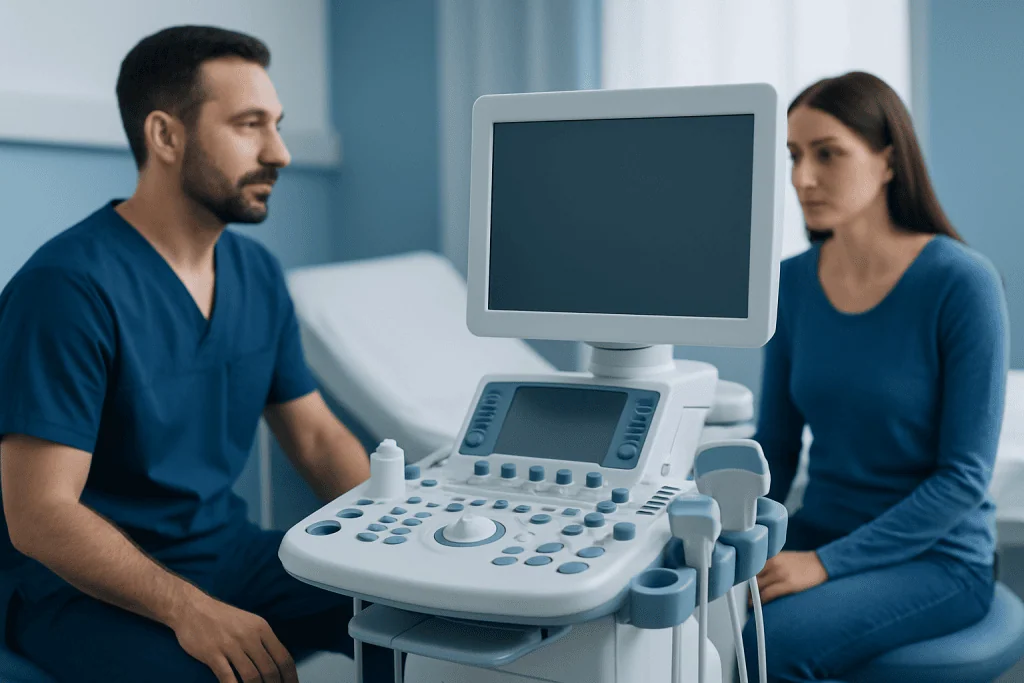
The main feature of micropenis is a shorter-than-expected penile length for age. In newborns and infants, this may be noticed during a routine physical exam. In children, it may become more apparent as growth is monitored over time. In adolescents or adults, concerns often arise during puberty, body image development, or sexual health discussions.
Micropenis itself may not cause pain or illness. However, depending on the underlying cause, there may be other signs. These can include undescended testes, delayed puberty, reduced growth of body hair, low energy, infertility concerns, or other features related to hormone deficiency or a genetic condition.
It is also important to separate micropenis from appearance-related concerns. A penis may seem small because it is partly hidden by suprapubic fat, scarring, or skin attachment changes. In those cases, the issue may relate more closely to a buried penis or another anatomical problem rather than true micropenis. Proper examination helps avoid confusion and supports the most appropriate care.
- Noticeably short stretched penile length for age
- Possible delayed or incomplete puberty
- Associated genital findings, such as undescended testes
- Emotional distress, embarrassment, or anxiety about body image
Causes and risk factors

Micropenis usually develops because of factors that affect normal penile growth before birth or during early life. Penile development depends on the right timing and amount of hormone signals, especially testosterone and related hormones. If these signals are reduced, delayed, or not processed normally by the body, penile growth may be limited.
Common medical causes include hypogonadotropic hypogonadism, pituitary or hypothalamic disorders, primary testicular problems, androgen insensitivity, and some genetic or chromosomal conditions. In some children, micropenis may occur as part of a broader difference in sexual development or with other congenital findings. Rarely, exposure to certain factors during pregnancy may play a role, but this is not the most common explanation.
Not every case has an obvious risk factor. Some people have isolated micropenis with no other major health problem identified. Because the range of causes is broad, doctors may involve specialists in endocrinology, genetics, pediatrics, and urology care to build a complete picture and tailor the evaluation to the person’s age and symptoms.
How doctors diagnose micropenis
Diagnosis begins with a detailed history and physical examination. The most important step is proper measurement of stretched penile length, performed in a standardized way. This helps distinguish true micropenis from a small-appearing penis due to a buried penis, obesity, or other anatomical differences. The clinician also looks for testicular position, scrotal development, and signs of puberty or hormone deficiency.
If micropenis is suspected, testing may include blood work to assess hormones such as testosterone, luteinizing hormone, follicle-stimulating hormone, and other pituitary or endocrine markers. In infants and children, timing of hormone testing can matter because hormone levels naturally change with age. Some patients may also need genetic testing, imaging, or assessment by pediatric endocrinology.
The goal of diagnosis is not only to confirm size criteria, but also to identify any treatable cause. In selected cases, doctors may investigate related conditions such as disorders of puberty, infertility, or hypogonadism. Careful diagnosis can also reduce unnecessary worry by clarifying whether the concern is true micropenis or a different condition with a different management plan.
Treatment options and long-term care
Treatment depends on age, cause, degree of shortening, and the person’s symptoms or concerns. In infants and young children with hormone-related causes, hormone therapy may be considered to stimulate penile growth. Testosterone-based treatment is one established approach in selected cases, and some patients may need treatment directed at an underlying pituitary or endocrine disorder. These decisions should always be made by a qualified specialist.
In older adolescents and adults, management may focus on identifying untreated hormone deficiency, addressing fertility or sexual health issues, and providing realistic guidance about function and expectations. Psychological support can be important, especially when body image, anxiety, or self-esteem are affected. A small penis size does not automatically mean sexual function is poor, so assessment should be individualized rather than based on assumptions.
Surgery is not the first treatment for most patients with true micropenis, but it may be considered in carefully selected situations, particularly when there are associated anatomical issues. Evaluation by specialists in pediatric endocrinology or andrology can help determine what is medically appropriate. Near the end of the care pathway, some international patients may seek multidisciplinary assessment at Acibadem International, where JCI-accredited hospitals bring together relevant specialists for diagnosis and treatment planning.
Daily life, self-care, and emotional wellbeing
Self-care for micropenis is not about home remedies to increase size. There are no proven over-the-counter products, exercises, or internet-based methods that reliably treat true micropenis. Instead, helpful self-care involves following medical advice, attending scheduled follow-up, and discussing concerns openly with a trusted doctor rather than relying on unverified information.
Emotional wellbeing is an important part of care. Children and teens may need age-appropriate explanations that avoid shame and support healthy self-image. Adults may benefit from counseling if the condition affects confidence, relationships, or sexual concerns. Open communication with a partner can also reduce anxiety and misunderstanding.
General health habits still matter. Maintaining a healthy weight can improve the visible appearance of the genital area when excess fat is partly hiding the penis. Managing chronic conditions and seeking timely care for puberty or fertility concerns can also support overall reproductive health. If the problem is related to appearance rather than true micropenis, treating the underlying issue may make a meaningful difference.
When to seek medical care
Medical care should be sought if a newborn, child, or adolescent appears to have a very small penis, especially if there are other signs such as undescended testes, delayed puberty, poor growth, or unusual genital development. Early assessment can be especially useful because some hormone-based treatments are more effective at certain stages of development.
Adults should also speak with a doctor if they have concerns about penile size together with low libido, erectile dysfunction, infertility, delayed puberty history, or symptoms that suggest hormone problems. Even when the concern turns out not to be micropenis, an evaluation can identify treatable causes or provide reassurance based on accurate examination.
Urgent care is not usually needed unless there are additional symptoms such as severe pain, infection, urinary blockage, or sudden genital changes. In most cases, the best first step is a non-urgent appointment with a pediatrician, endocrinologist, or urologist who can guide further testing and care.
Frequently asked questions
What is the difference between micropenis and a normal small penis?
Micropenis has a specific medical definition based on stretched penile length being far below the expected range for age. A penis can be at the lower end of normal size without meeting this definition. Proper measurement by a clinician is the only reliable way to tell the difference.
Can micropenis be treated?
In some cases, yes. Treatment may include hormone therapy, management of an underlying endocrine disorder, and support for emotional or sexual health concerns. The best approach depends on the cause and the age at diagnosis.
Does micropenis affect urination or fertility?
Micropenis does not always affect urination, and many people do not have urinary symptoms. Fertility can be affected if the underlying cause also involves the testes, hormones, or sperm production. A medical evaluation can clarify whether reproductive function is likely to be affected.
Is micropenis caused by something the parents did during pregnancy?
Usually, no. Most cases are related to hormonal, developmental, or genetic factors rather than anything a parent knowingly did. In many families, there is no clear preventable cause.
At what age should a child be evaluated for possible micropenis?
A child should be evaluated whenever there is a concern, especially in infancy or early childhood. Early assessment can help identify hormonal or developmental causes and may improve treatment planning. A pediatrician can decide whether referral to a specialist is needed.
Can obesity make the penis look smaller without true micropenis?
Yes. Extra fat around the lower abdomen and pubic area can partly hide the penis and make it appear shorter. This is different from true micropenis, which is diagnosed by actual measured stretched length.
References
- American Urological Association
- European Association of Urology
- American Academy of Pediatrics
- National Institute of Diabetes and Digestive and Kidney Diseases
- Endocrine Society
This article is for general information only and is not a substitute for professional medical advice. Please consult a qualified doctor about your individual situation.
Explore treatments in Turkey — costs, top hospitals & a free quote
JCI-accredited · board-certified surgeons · reply within 24h
Add us as a Preferred Source to see more of our trusted health content across Google Search, AI Overviews and Discover.