Migraine or Vascular Neurological Problem? How Doctors Tell the Difference

Migraine aura and vascular events can both cause visual, sensory, speech, or weakness symptoms. Sudden negative symptoms, such as loss of vision, numbness, or weakness, are more concerning for a vascular cause.
Key Takeaways
- Migraine aura and vascular events can both cause visual, sensory, speech, or weakness symptoms.
- Sudden negative symptoms, such as loss of vision, numbness, or weakness, are more concerning for a vascular cause.
- A detailed medical history and neurological examination are often the first and most important steps.
- Brain imaging and blood vessel studies may be needed when symptoms are new, unusual, severe, or suggest stroke.
- Any sudden neurological deficit should be treated as an emergency until a doctor says otherwise.
Migraine symptoms can sometimes resemble a vascular neurological problem such as a transient ischemic attack or stroke. Doctors tell the difference by carefully reviewing the pattern of symptoms, examining the nervous system, and using tests when needed to rule out urgent causes.
Overview: Why Migraine and Vascular Problems Can Be Confusing
Migraine is a common neurological condition that can cause much more than head pain. Some people develop visual changes, tingling, speech difficulty, dizziness, or temporary weakness before or during an attack. These symptoms may overlap with those seen in vascular neurological conditions, especially transient ischemic attack (TIA) and stroke. Because of this overlap, it is not always easy for patients to know what is happening.
Doctors approach this question carefully because the consequences are very different. Migraine is usually not dangerous in the short term, although it can be disabling and requires proper treatment. A vascular problem, on the other hand, may mean that blood flow to part of the brain is reduced or blocked. That situation needs urgent evaluation to protect brain tissue and reduce the risk of lasting disability.
In practice, doctors do not rely on one symptom alone. They look at how symptoms began, how they spread, how long they lasted, whether there was headache, and whether the person has risk factors such as high blood pressure, diabetes, smoking, or heart disease. When the history suggests a possible vascular event, they may arrange urgent testing such as brain MRI or CT imaging to make the distinction more safely.
Symptoms That May Overlap
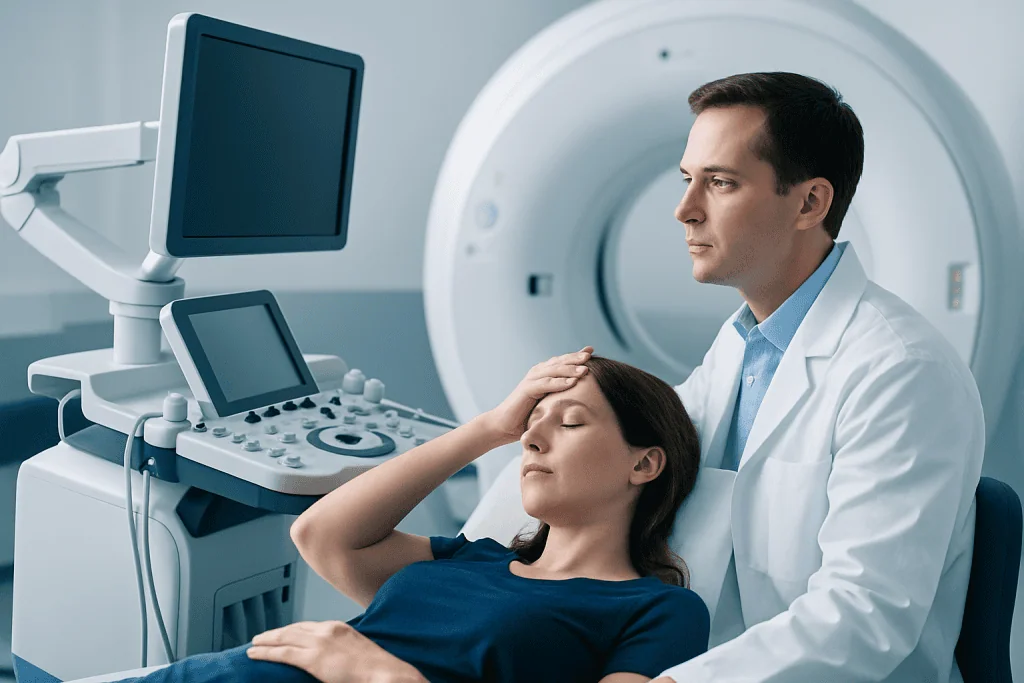
Migraine with aura can cause a range of neurological symptoms. These may include flashing lights, zigzag lines, blind spots, numbness, tingling, difficulty finding words, dizziness, and sometimes temporary weakness. The headache may come before, during, or after these symptoms. In some people, the neurological symptoms are more noticeable than the headache itself.
Vascular neurological problems may also cause vision loss, facial drooping, arm or leg weakness, numbness, trouble speaking, confusion, imbalance, or a sudden severe headache. A TIA causes symptoms that resolve completely, often within minutes to hours, while stroke symptoms may persist or worsen. Some vascular problems can also cause neck pain, double vision, or difficulty walking.
Although these lists look similar, the way symptoms behave often offers clues. Migraine aura commonly starts gradually and may spread from one area to another over several minutes. Vascular symptoms more often begin suddenly and reach maximum intensity right away. Still, there are exceptions, which is why a new or unusual neurological event should not be self-diagnosed.
- Possible overlap: visual disturbance, numbness, speech changes, dizziness
- More concerning for vascular disease: sudden weakness, facial asymmetry, loss of vision, abrupt trouble speaking
- Needs urgent attention: any first-time neurological deficit or rapidly worsening symptom
How Doctors Compare Migraine Aura and Vascular Events

One of the most helpful distinctions is the difference between positive and negative symptoms. Migraine aura often causes positive symptoms, meaning something extra is added to normal function. Examples include flashing lights, shimmering patterns, pins-and-needles, or a spreading tingling sensation. Vascular problems more often cause negative symptoms, meaning loss of normal function, such as loss of vision, numbness, inability to move a limb, or inability to speak clearly.
Timing also matters. Migraine aura typically builds gradually over 5 to 60 minutes, and one symptom may evolve into another. For example, a person may notice a small visual disturbance that slowly expands, followed by tingling in the hand and then a headache. In contrast, TIA or stroke symptoms often start abruptly. A person may suddenly be unable to lift an arm, speak normally, or see from one eye with little or no warning.
Doctors also consider age and previous history. A person with a long-standing pattern of migraine aura may still need reassessment if symptoms change, but the pattern itself can be reassuring. A first-ever aura in midlife or later, especially in someone with vascular risk factors, often requires a closer look for stroke or transient ischemic attack. Even when the final diagnosis is migraine, ruling out a vascular cause is an important part of safe care.
Risk Factors That Raise Concern for a Vascular Cause
Doctors weigh the person’s overall health profile when deciding how urgently to investigate symptoms. Risk factors for vascular neurological disease include older age, high blood pressure, diabetes, high cholesterol, smoking, obesity, irregular heart rhythm such as atrial fibrillation, and a personal or family history of stroke or heart disease. Recent surgery, prolonged immobility, or clotting disorders may also increase concern in certain cases.
Some migraine features can make diagnosis more nuanced. For example, migraine with aura is a recognized neurological condition and can be associated with a slightly higher long-term stroke risk in some groups, particularly when combined with smoking or estrogen-containing contraceptives. This does not mean that every migraine attack is dangerous, but it does mean doctors may discuss ways to reduce vascular risk and choose treatments carefully.
Pregnancy, the postpartum period, and severe dehydration can also influence the evaluation. In these situations, doctors may think about other vascular causes of headache and neurological symptoms, such as cerebral venous thrombosis or blood pressure-related complications. The main goal is not to assume the cause, but to identify the safest next step based on the whole clinical picture.
How Diagnosis Is Made
Diagnosis starts with a detailed history. Doctors ask exactly what happened first, how quickly the symptoms developed, whether they spread, how long they lasted, and whether a headache followed. They also ask about triggers, previous similar episodes, medications, contraceptive use, smoking, and medical conditions that affect blood vessels or clotting. This conversation often provides the most valuable clues.
A neurological examination follows. The doctor checks speech, eye movements, facial symmetry, strength, sensation, coordination, reflexes, and walking. If any ongoing deficit is present, especially weakness or speech difficulty, urgent stroke evaluation may be needed. In emergency settings, speed matters because time-sensitive treatments may be possible for some vascular conditions.
Tests are chosen based on the situation. Brain imaging can help look for bleeding, ischemia, or other structural causes. Blood vessel imaging may assess narrowing, blockage, or dissection. Some patients also need heart rhythm testing, blood tests, or additional studies such as angiography when a vascular problem is strongly suspected. When the pattern clearly fits migraine and there are no red flags, extensive testing may not always be necessary.
Treatment Options After the Cause Is Identified
Treatment depends entirely on the diagnosis. If doctors determine that symptoms are due to migraine, the plan may include medicines to stop attacks, preventive treatments for frequent episodes, and lifestyle measures such as regular sleep, hydration, stress management, and trigger awareness. People with aura may also be advised about medication choices and vascular risk reduction based on their age and medical history.
If a vascular neurological condition is found, treatment focuses on restoring or protecting blood flow and preventing another event. Depending on the exact problem, this may include emergency stroke care, blood-thinning medicines, blood pressure management, cholesterol treatment, or procedures to address narrowed or blocked vessels. Rehabilitation may also be important when symptoms persist after stroke.
In some cases, a person may need coordinated care from headache specialists, vascular neurologists, neuroradiologists, and rehabilitation teams. This kind of multidisciplinary evaluation is especially helpful when symptoms are atypical or when both migraine and vascular risk factors are present. Near the end of the care pathway, centers such as Acibadem International can support international patients through diagnosis and treatment with multidisciplinary specialists in JCI-accredited hospitals.
Prevention and Self-Care
For people with migraine, prevention starts with understanding the pattern of attacks. Keeping a symptom diary can help track warning signs, triggers, menstrual timing, sleep changes, stress, dehydration, missed meals, and response to treatment. This information helps doctors confirm whether episodes are consistent with migraine and whether preventive treatment may be useful.
Reducing vascular risk is equally important, especially when symptoms have been difficult to distinguish. Healthy blood pressure, blood sugar, and cholesterol control support long-term brain health. Not smoking, staying physically active, maintaining a balanced diet, and getting regular medical checkups can reduce the chance of stroke and other vascular complications.
Patients should also have a clear action plan. If a known migraine attack follows a familiar pattern, the person may use the doctor’s recommended treatment. But if symptoms are sudden, unusually severe, different from past episodes, or include new weakness, vision loss, or confusion, they should seek emergency care rather than waiting for the symptoms to pass.
When to See a Doctor Urgently
Some symptoms should always be treated as urgent until proven otherwise. These include sudden weakness on one side of the body, facial drooping, trouble speaking or understanding speech, loss of vision in one or both eyes, sudden severe imbalance, fainting, or a very abrupt and unusual headache. Even if the symptoms go away, a TIA can be a warning sign that needs prompt evaluation.
Medical review is also important when a person has their first aura, a major change in a longstanding migraine pattern, a headache that is different from usual, or new neurological symptoms during pregnancy or after delivery. Children, older adults, and people with heart disease or clotting risks may need especially careful assessment. Doctors may also investigate when headaches become more frequent or stop responding to usual treatment.
Early assessment can prevent delays in care and often brings reassurance. Many people who fear a stroke are ultimately found to have migraine, but that conclusion is safest when it is made by a qualified clinician after proper evaluation. If needed, doctors may recommend further assessment with neurology care to confirm the diagnosis and guide ongoing management.
Frequently asked questions
Can a migraine really look like a stroke?
Yes. Migraine aura can cause visual changes, numbness, speech problems, and even temporary weakness, which can resemble stroke symptoms. Because the overlap is real, any sudden or first-time neurological symptom should be assessed by a doctor right away.
What symptom pattern makes doctors think of migraine rather than a vascular event?
Doctors often look for symptoms that build gradually and spread over several minutes, especially positive symptoms like flashing lights or tingling. A familiar pattern that has happened before can also support migraine, although changes in that pattern still deserve medical review.
What symptoms are more concerning for TIA or stroke?
Sudden loss of function is more concerning, such as abrupt weakness, facial drooping, loss of vision, or trouble speaking. Symptoms that reach maximum intensity immediately are generally more suspicious for a vascular cause.
Do all people with migraine need brain scans?
No. If the history is typical for migraine and there are no warning signs, imaging may not always be necessary. Doctors are more likely to order scans when symptoms are new, severe, unusual, prolonged, or suggest a stroke or another structural problem.
Can someone have both migraine and a vascular neurological condition?
Yes. Having migraine does not prevent someone from also having TIA, stroke, or another vascular issue. That is why doctors do not assume every new episode is “just migraine,” especially when the symptoms differ from the usual pattern.
Should symptoms that go away on their own still be checked?
Yes. Symptoms that fully resolve may still represent a TIA, which can be an early warning sign of stroke. Prompt medical assessment helps identify the cause and lower future risk.
References
- World Health Organization
- American Stroke Association
- National Institute of Neurological Disorders and Stroke
- International Headache Society
- American Academy of Neurology
This article is for general information only and is not a substitute for professional medical advice. Please consult a qualified doctor about your individual situation.
Migraine in Turkey — costs, top hospitals & a free quote
JCI-accredited · board-certified surgeons · reply within 24h
Add us as a Preferred Source to see more of our trusted health content across Google Search, AI Overviews and Discover.
Check your numbers in seconds
BMI, calories, due date, blood pressure and 30+ more clinical calculators — free, instant, doctor-reviewed ranges.