

Migraine Relief: Medicines, Home Remedies, and What Works Best for Different Attacks

Early treatment often improves migraine relief and may shorten an attack. Different migraine attacks may respond to different medicines or non-drug strategies.
Key Takeaways
- Early treatment often improves migraine relief and may shorten an attack.
- Different migraine attacks may respond to different medicines or non-drug strategies.
- Home remedies such as rest, hydration, sleep, and trigger management can support recovery.
- Frequent or severe migraines may need preventive treatment, not only pain relief.
- Urgent medical evaluation is important for sudden, unusual, or neurologic symptoms.
Migraine relief often works best when treatment matches the stage and severity of the attack. Many people benefit from a combination of lifestyle strategies, home care, and medicines used either to stop attacks or prevent them.
Overview
Migraine is more than a typical headache. It is a neurologic condition that can cause throbbing or pulsing head pain, often with nausea, sensitivity to light or sound, and trouble functioning during normal daily activities. Some people have warning symptoms called aura before the pain begins, while others do not.
Migraine relief depends on several factors, including how quickly treatment starts, how intense the attack is, and whether symptoms include vomiting, aura, or long-lasting pain. The most effective approach is often individualized. What helps one person during a mild attack may not work well for a severe or rapidly escalating one.
Treatment is usually divided into two broad types: acute treatment, which is used to stop or reduce a migraine that has already started, and preventive treatment, which is used regularly to reduce how often attacks happen. Supportive self-care measures can also make a meaningful difference, especially when used early.
Because migraine patterns can change over time, regular medical review is helpful if attacks are becoming more frequent, more disabling, or less responsive to usual treatment. This is especially important when headaches begin to interfere with work, school, sleep, or quality of life.
Symptoms and Types of Migraine Attacks
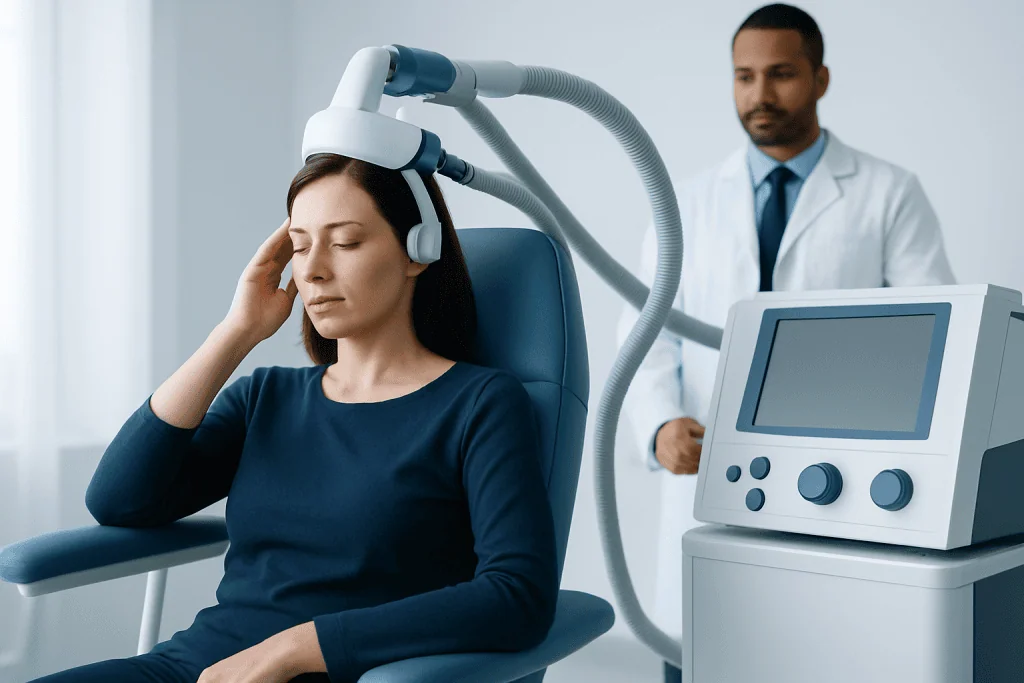
Migraine symptoms vary from person to person. The pain is often one-sided, but it can affect both sides of the head. It may feel throbbing, pounding, or pressure-like, and it can worsen with movement. Many people also experience nausea, vomiting, dizziness, blurred vision, or sensitivity to light, sound, or smells.
Some migraines occur with aura, which can include flashing lights, zigzag lines, blind spots, numbness, tingling, or speech difficulty that usually develops gradually and resolves within an hour. Others happen without aura. A person may also notice warning signs before the pain starts, such as fatigue, neck stiffness, mood changes, or food cravings.
Different attack patterns may call for different relief strategies. For example:
- Mild to moderate attacks may respond to rest, hydration, and nonprescription pain relief.
- Severe attacks may need migraine-specific prescription medicines.
- Attacks with nausea or vomiting may benefit from anti-nausea treatment or non-oral options.
- Frequent attacks may signal a need for preventive therapy rather than repeated acute medicine use.
Recognizing a personal migraine pattern can help guide treatment. A headache diary that tracks symptoms, timing, triggers, and response to treatment can be very useful during medical visits.
Medicines for Migraine Relief

Medicines used for migraine relief are chosen based on symptom severity, medical history, and how often attacks occur. For mild or early migraine, some people improve with over-the-counter pain relievers such as acetaminophen or nonsteroidal anti-inflammatory drugs. These may work best when taken as soon as symptoms begin rather than after the pain becomes intense.
For moderate to severe migraine, doctors may prescribe migraine-specific medicines such as triptans or other newer acute therapies. These are designed to target migraine pathways more directly than standard pain medicines. Some people use tablets, while others may need nasal sprays, dissolving forms, or injections if nausea, vomiting, or rapid symptom progression makes swallowing difficult.
If nausea is prominent, anti-nausea medicine may be added. In people who have many migraine days each month or significant disability, preventive treatments may be recommended. These may include daily oral medicines, periodic injections, or other therapies intended to reduce attack frequency and severity. Preventive treatment can be especially important when repeated acute medicine use raises the risk of medication-overuse headache.
It is safest to use migraine medicines under medical guidance, especially for people who are pregnant, have heart or blood vessel disease, high blood pressure, kidney problems, or other chronic conditions. Anyone living with frequent headaches may benefit from specialist assessment for migraine and, when appropriate, broader neurology care.
Home Remedies and Non-Drug Strategies
Home remedies can be helpful, especially at the first sign of an attack. Many people find relief by lying down in a quiet, dark room, limiting screen exposure, and trying to sleep. A cold pack on the forehead or back of the neck may ease discomfort. Gentle hydration is also important, particularly if nausea, vomiting, or poor intake has occurred.
Regular habits can support migraine control between attacks. Consistent sleep, regular meals, moderate exercise, and stress management may reduce the chance of migraine in some people. Relaxation methods such as paced breathing, mindfulness, or biofeedback can also be useful, especially when stress is a trigger.
Caffeine may help some individuals if used early and in small amounts, but it can worsen symptoms or contribute to rebound headaches in others. The same is true for certain foods or environmental triggers. Rather than following overly strict rules, it is usually more helpful to identify personal patterns and discuss them with a doctor.
Home care should not replace medical advice when headaches are severe, new, or changing. However, these measures are often a valuable part of a broader migraine plan and can work alongside prescribed treatment to improve comfort and function.
What Works Best for Different Attacks
The best migraine relief usually depends on matching the treatment to the situation. For a mild headache that starts gradually, early use of a simple pain reliever, fluids, food if needed, and rest may be enough. For a more intense attack with clear migraine features, a prescription migraine-specific treatment may be more effective, particularly if taken early.
When migraine includes significant nausea or vomiting, oral medication may not stay down long enough to help. In those cases, a doctor may recommend non-oral treatment forms or medication aimed at controlling nausea first. If migraine regularly begins during sleep or escalates very quickly, that pattern should be shared with a clinician because it can influence the choice of treatment.
People who have menstrual migraine, exercise-related migraine, or migraine linked to specific triggers may need tailored strategies. Preventive treatment may also be considered if attacks are frequent, prolonged, or disabling. In some cases, a clinician may assess whether symptoms overlap with other conditions such as chronic headache disorders or whether advanced evaluation through brain MRI is needed based on the history and examination.
There is no single treatment that is best for every migraine attack. A personalized plan often includes what to do at the first warning sign, which medicine to use for moderate or severe episodes, and when to seek additional medical help if the usual approach is not working.
Prevention and Self-care
Preventing migraine often starts with reducing known triggers and maintaining a stable routine. Skipping meals, dehydration, poor sleep, alcohol, hormonal changes, and stress are common contributors. For some people, strong odors, bright light, weather changes, or prolonged screen use may also play a role.
A headache diary can help identify patterns that are not obvious day to day. Recording the date, duration, symptoms, possible triggers, menstrual timing, medicines used, and treatment response can help a doctor decide whether acute treatment is enough or preventive therapy is needed. This can also reveal medication-overuse patterns if pain relievers are being used too often.
Self-care also includes protecting general health. Regular movement, balanced meals, hydration, and good sleep hygiene support the nervous system and may improve resilience against attacks. People with anxiety, depression, jaw tension, or neck pain may also benefit when those issues are addressed, since they can worsen the overall migraine burden.
For persistent or complex migraine, specialist care may be useful. Near the end of the care pathway, it may be reassuring to know that Acibadem International’s multidisciplinary specialists and JCI-accredited hospitals evaluate and treat migraine for international patients, including access to comprehensive check-up services when appropriate.
When to See a Doctor
A doctor should evaluate headaches that are new, unusually severe, or clearly different from a person’s usual migraine pattern. Medical review is also important when migraines become more frequent, stop responding to treatment, or begin to interfere with daily life. Frequent use of pain medicines is another reason to seek advice, because overuse can sometimes worsen headache patterns.
Urgent assessment is needed for warning signs such as a sudden explosive headache, weakness, confusion, fainting, seizures, fever with neck stiffness, new headache after head injury, or vision loss. Headaches that start later in life, occur during pregnancy, or happen in a person with cancer or immune system problems also deserve prompt medical attention.
Diagnosis is based mainly on the symptom history and neurologic examination, but testing may be recommended when symptoms are atypical or red flags are present. This may include blood tests or imaging. The goal is not only to confirm migraine, but also to rule out other causes that may need different treatment.
Anyone unsure whether a headache is migraine should consult a qualified doctor rather than self-diagnose. Early guidance can help reduce missed school or work, improve symptom control, and create a safer long-term treatment plan.
Frequently asked questions
What is the fastest way to get migraine relief?
The fastest relief often comes from treating the migraine early, ideally when symptoms first begin. Resting in a dark, quiet room and using the right medicine for that person's migraine pattern may help more than waiting until the pain becomes severe.
Do home remedies work for migraine?
Home remedies can help, especially for mild attacks or as support alongside medicine. Common helpful measures include sleep, hydration, a cold compress, reduced noise and light, and avoiding known triggers.
Which medicines are used for migraines?
Migraine treatment may include over-the-counter pain relievers, prescription migraine-specific medicines, anti-nausea drugs, and preventive treatments for frequent attacks. The best option depends on symptoms, medical history, and how often migraines occur.
Can taking too much headache medicine make migraines worse?
Yes. Using acute pain or migraine medicine too often can contribute to medication-overuse headache in some people. A doctor can help determine whether this may be affecting the headache pattern and suggest a safer plan.
When should someone worry that a migraine is something more serious?
Urgent medical care is needed for a sudden severe headache, weakness, confusion, fainting, seizures, fever with neck stiffness, or major vision changes. A headache that is new, very different, or follows a head injury also needs medical evaluation.
Can migraines be prevented?
In many cases, yes. Prevention may involve regular sleep, meals, hydration, stress management, avoiding triggers, and using preventive medicine when attacks are frequent or disabling.
References
- World Health Organization
- National Institute of Neurological Disorders and Stroke
- American Migraine Foundation
- National Institute for Health and Care Excellence
- International Headache Society
This article is for general information only and is not a substitute for professional medical advice. Please consult a qualified doctor about your individual situation.
Migraine in Turkey — costs, top hospitals & a free quote
JCI-accredited · board-certified surgeons · reply within 24h
Add us as a Preferred Source to see more of our trusted health content across Google Search, AI Overviews and Discover.
Check your numbers in seconds
BMI, calories, due date, blood pressure and 30+ more clinical calculators — free, instant, doctor-reviewed ranges.

More from the Health Library



Related Specialists

Dr. Hülya Yüksel
Physical Medicine & Rehabilitation
Prof. Dr. Zeynep Güven
Physical Medicine & Rehabilitation
Dr. Süreyya Işık Coşkun
Psychiatry
Merve Güvendi
Physical Medicine & Rehabilitation