Migraine Treatment During an Attack: What to Take First and When to Escalate Care

Early treatment often works better than waiting until pain becomes severe. The right first step depends on symptom severity, nausea, vomiting, and any medicines already prescribed.
Key Takeaways
- Early treatment often works better than waiting until pain becomes severe.
- The right first step depends on symptom severity, nausea, vomiting, and any medicines already prescribed.
- A migraine that is new, very different, or linked to neurological warning signs needs urgent medical assessment.
- Frequent use of pain medicines can lead to medication-overuse headache.
- A doctor can help create a personalized attack plan and discuss preventive treatment if attacks are frequent.
Migraine treatment during an attack works best when it starts early, ideally as soon as symptoms begin. Many people improve with rest, fluids, and migraine-specific or pain-relief medicines, while some need medical care if symptoms are severe, unusual, or do not respond.
Overview: treating a migraine attack step by step
Migraine is more than a typical headache. It is a neurological condition that can cause throbbing or pressure-like head pain, sensitivity to light or sound, nausea, vomiting, and difficulty concentrating. Some people also experience an aura, such as visual changes, tingling, or speech symptoms before the headache phase begins.
Migraine treatment during an attack is called acute treatment. The goal is to relieve symptoms quickly, help the person return to normal activity, and reduce the chance that the attack will last for many hours or come back after initial improvement. In general, treatment works best when it is taken early, at the first clear sign that a migraine is starting.
For a mild attack, simple measures such as resting in a dark, quiet room, drinking fluids, and using an over-the-counter pain reliever may be enough. For a moderate to severe attack, or when nausea and disability are prominent, prescription migraine medicines may be more effective. A clinician can help decide which option is safest and most suitable based on age, medical history, pregnancy status, and other medications.
What to take first when symptoms begin
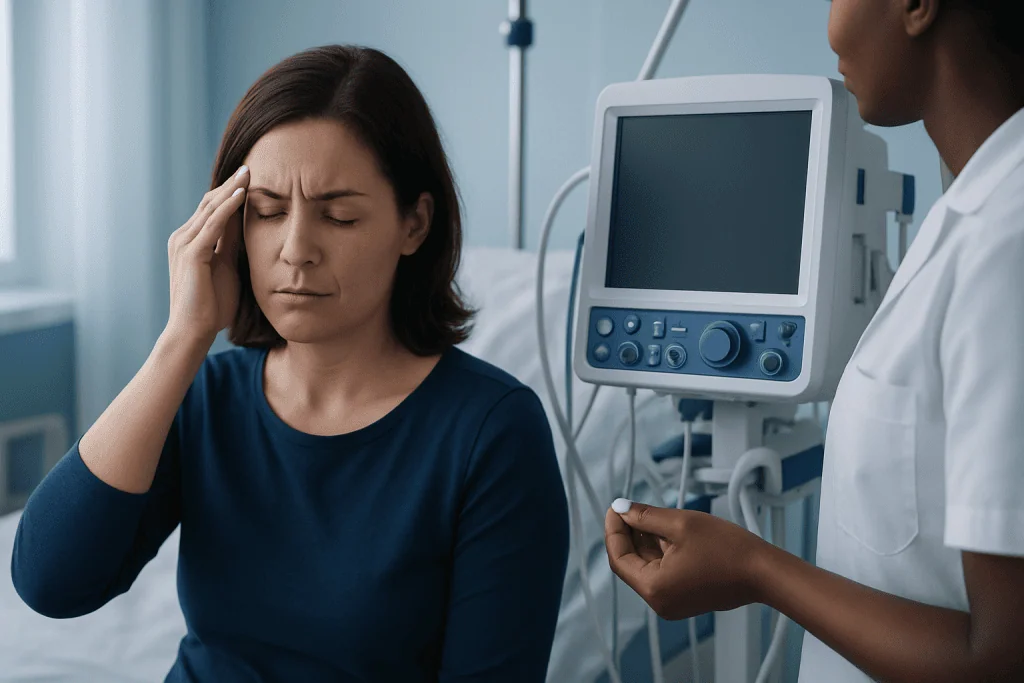
The first treatment step depends on how quickly symptoms are recognized and how intense they are. Many patients are advised to begin with a calm environment, hydration if possible, and the medicine that has worked best for them in the past. Taking treatment early may prevent the attack from becoming harder to control.
For mild to moderate migraine, doctors often recommend an over-the-counter pain reliever such as acetaminophen or a nonsteroidal anti-inflammatory drug, if that medicine is appropriate for the person. These may help reduce pain and inflammation, especially when used at the start of the attack. People with stomach ulcers, kidney disease, bleeding risks, liver disease, or certain other conditions should ask a doctor or pharmacist which options are safe.
For moderate to severe migraine, or for attacks that do not respond well to standard pain relievers, a clinician may prescribe migraine-specific medicines such as triptans or other acute therapies. These medicines target migraine pathways more directly and are often used when symptoms interfere with work, sleep, or daily activities. If nausea or vomiting is significant, an anti-nausea medicine may also be part of the plan because it can make oral medicines easier to tolerate and may improve comfort overall.
- Treat early, when migraine symptoms are clearly starting.
- Use only medicines that are appropriate for the individual’s health conditions.
- Follow the doctor’s instructions on timing and maximum use.
- If vomiting prevents swallowing medicine, ask about non-oral treatment options.
Supportive self-care during a migraine attack

Self-care can make a meaningful difference, especially in the first few hours of an attack. Resting in a dark, quiet room may reduce light and sound sensitivity. A cool compress on the forehead or neck can be soothing, and gentle relaxation techniques may lessen physical tension that builds during pain.
Hydration is also important. Some people drink less during an attack because of nausea, but small sips of water or oral fluids may help, particularly if dehydration may have triggered or worsened symptoms. Caffeine may help some people early in an attack, but for others it can aggravate symptoms or contribute to rebound headaches if used often, so it should be used carefully and consistently.
Sleep can sometimes shorten an attack, but it is not always possible when pain is severe. If the person has a previously diagnosed migraine disorder, keeping a written attack plan nearby can reduce uncertainty. This plan often includes what to take first, when to repeat or change treatment, and when emergency care is needed.
When to escalate care because home treatment is not enough
Some migraine attacks need more than first-line home treatment. Escalation may be appropriate if pain remains severe after the usual medicine, if symptoms return quickly, if vomiting prevents fluids or tablets from staying down, or if the attack lasts much longer than usual. A prolonged migraine attack may require urgent outpatient or emergency treatment to break the cycle and prevent complications such as dehydration.
Medical escalation can include stronger migraine-specific medicines, anti-nausea treatment, intravenous fluids in selected cases, or other therapies chosen by a doctor. The best option depends on the person’s symptoms, medical background, and what has already been tried. A headache specialist may also review whether recurrent difficult attacks suggest a need for preventive therapy between episodes.
Escalation is especially important when a headache pattern changes. A headache that is the worst ever experienced, begins suddenly and explosively, follows head injury, or occurs with fever, neck stiffness, confusion, weakness, fainting, seizure, chest pain, or shortness of breath is not typical migraine care at home and needs prompt medical attention. People with known migraine should still seek urgent assessment if an attack feels clearly different from their usual pattern.
Red flags that need urgent or emergency evaluation
Although most migraine attacks are not dangerous, some symptoms can signal another condition that needs urgent care. Sudden severe headache reaching maximum intensity within moments, new neurological deficits, or a major change in a person’s usual headache pattern should not be assumed to be migraine without medical evaluation.
Warning signs include weakness on one side, new confusion, difficulty speaking, persistent vision loss, high fever, stiff neck, severe headache during pregnancy or after delivery, headache after a blow to the head, or a headache triggered by coughing, heavy exertion, or sexual activity if that pattern is new. New headaches in older adults or in people with cancer, immune suppression, or blood-clotting risks also deserve prompt assessment.
If emergency symptoms are present, it is safer to seek immediate care rather than trying repeated doses of home medicines. Brain imaging or other tests may be needed to rule out conditions such as bleeding, infection, stroke, or pressure-related problems. In emergency settings, doctors may use MRI or other diagnostic tools when clinically indicated.
Diagnosis and making sure the attack is really migraine
Migraine is usually diagnosed from the history of symptoms and a neurological examination. Doctors ask about the location and quality of pain, associated nausea, sensitivity to light or sound, aura symptoms, attack duration, triggers, family history, and how often medicines are being used. A headache diary can be very helpful because it shows patterns over time.
Most people with a stable history of typical migraine do not need extensive testing every time they have an attack. However, tests may be needed if symptoms are new, unusual, progressive, or associated with neurological signs or other red flags. In those cases, blood tests, imaging, or specialist referral may be appropriate.
Diagnosis also includes looking for medication-overuse headache, which can happen when acute pain medicines are used too often. This problem can make headaches more frequent and more difficult to treat. In selected patients with severe or complicated headache disorders, evaluation in a specialized neurology service can help clarify the diagnosis and improve the treatment plan.
Longer-term management: preventing future attacks and avoiding rebound
If migraine attacks are frequent, disabling, or hard to control once they start, a doctor may discuss preventive treatment. Preventive care aims to reduce how often migraines happen, how intense they are, and how much acute medicine is needed. This may include daily or periodic prescription treatment, management of sleep and stress, and attention to triggers such as skipped meals, dehydration, hormonal changes, or inconsistent caffeine use.
One important part of prevention is avoiding medication overuse. Using acute pain medicines too often can create a cycle in which headaches happen more often and respond less well. A clinician can explain safe limits for each medicine type and whether a taper or supervised change is needed.
Lifestyle measures matter as well. Regular sleep, balanced meals, hydration, routine physical activity, and stress-management practices may reduce attacks for some people. For selected patients, care from specialists in pain management or headache medicine may be useful, especially when migraine overlaps with neck pain, sleep problems, anxiety, or chronic daily headache. Acibadem International’s multidisciplinary specialists in JCI-accredited hospitals diagnose and treat migraine for international patients when advanced assessment or coordinated care is needed.
When to see a doctor for ongoing migraine care
A routine medical appointment is a good idea if headaches are happening repeatedly, if the current treatment plan is not working, or if attacks are affecting work, school, sleep, or daily life. A doctor can confirm whether the headaches fit migraine, rule out other causes when needed, and help build a safer, more effective rescue plan for future attacks.
It is also wise to seek medical advice if a person is pregnant, planning pregnancy, breastfeeding, or has heart disease, stroke risk factors, kidney disease, liver disease, stomach ulcers, or multiple regular medications. These factors can change which acute migraine medicines are appropriate. Children, teenagers, and older adults may also need tailored evaluation and treatment choices.
Patients should keep a record of symptoms, suspected triggers, medicines taken, and how well they worked. This information helps doctors decide what to take first during the next attack and when to escalate care. With a clear plan and follow-up, many people can manage migraine attacks more confidently and reduce disruption to everyday life.
Frequently asked questions
What is the best time to take migraine medicine during an attack?
In many cases, migraine medicine works best when taken early, as soon as the person recognizes that a migraine is starting. Waiting until pain becomes severe may make the attack harder to control. The exact timing depends on the medicine and the person’s doctor’s instructions.
Can over-the-counter pain relievers help a migraine attack?
They can help some people, especially for mild to moderate attacks treated early. Common options may include acetaminophen or anti-inflammatory pain relievers, but they are not suitable for everyone. A doctor or pharmacist can advise on safety if there are stomach, kidney, liver, bleeding, or heart concerns.
When should someone go to the emergency room for a migraine?
Emergency care is important if the headache is sudden and extremely severe, clearly different from usual migraine, or linked to weakness, confusion, fever, stiff neck, seizure, fainting, or persistent vision loss. Severe dehydration from repeated vomiting is another reason to seek prompt care. These features can point to problems other than migraine.
What if the migraine does not improve after the first medicine?
If symptoms do not improve, the person should follow the treatment plan given by their doctor rather than repeatedly taking extra medicine on their own. Some plans include a second step, such as a different acute medicine or anti-nausea treatment. If the attack remains severe or lasts much longer than usual, medical evaluation is appropriate.
Can taking migraine medicine too often make headaches worse?
Yes. Frequent use of certain acute headache medicines can lead to medication-overuse headache, sometimes called rebound headache. This can make headaches more frequent and more difficult to treat, so it is important to review medicine use with a doctor if attacks are happening often.
Do all migraine attacks need prescription treatment?
No. Some mild attacks improve with rest, fluids, and nonprescription pain relievers. However, prescription treatment may be needed when attacks are moderate to severe, come with significant nausea, or do not respond reliably to first-line measures.
References
- World Health Organization
- American Headache Society
- National Institute of Neurological Disorders and Stroke
- Mayo Clinic
- National Health Service
This article is for general information only and is not a substitute for professional medical advice. Please consult a qualified doctor about your individual situation.
Migraine in Turkey — costs, top hospitals & a free quote
JCI-accredited · board-certified surgeons · reply within 24h
Add us as a Preferred Source to see more of our trusted health content across Google Search, AI Overviews and Discover.