Mis Medical Condition: What Patients Need to Know

“Mis medical condition” is a non-specific term, not a single confirmed disease. Symptoms may involve memory, attention, mood, sleep, balance, or general functioning depending on the underlying cause.
Key Takeaways
- “Mis medical condition” is a non-specific term, not a single confirmed disease.
- Symptoms may involve memory, attention, mood, sleep, balance, or general functioning depending on the underlying cause.
- A careful medical assessment is important because causes range from stress and medication effects to neurologic, metabolic, or infectious conditions.
- Treatment depends on the diagnosis and may include lifestyle changes, medication review, therapy, or specialist care.
- Urgent medical attention is needed for sudden confusion, weakness, severe headache, chest pain, seizures, or difficulty speaking.
The term “mis medical condition” is not a standard diagnosis on its own. In patient searches, it often refers to a broad set of symptoms such as memory lapses, confusion, concentration problems, or other mild but concerning changes that need proper medical evaluation to identify the true cause.
Overview: what “mis medical condition” usually means
The phrase “mis medical condition” is not a precise medical diagnosis. Patients may use it when they are trying to describe a cluster of symptoms—often memory problems, trouble concentrating, mental fog, confusion, dizziness, or unexplained changes in daily functioning—without yet knowing the exact cause.
Because the term is broad, the most helpful approach is not to assume one disease but to look carefully at the pattern of symptoms, when they started, how quickly they changed, and whether there are any associated problems such as headache, weakness, mood changes, fever, sleep disturbance, or medication side effects. In some people, symptoms are temporary and related to stress, dehydration, infection, poor sleep, or recovery after illness. In others, they may signal a condition that needs prompt treatment.
This patient guide takes a practical approach: it explains what symptoms may be involved, what doctors consider during evaluation, how diagnosis is made, and what treatment may include. If symptoms affect thinking, memory, movement, speech, or safety, a medical assessment is important rather than relying on the term alone.
Possible symptoms and how they may appear
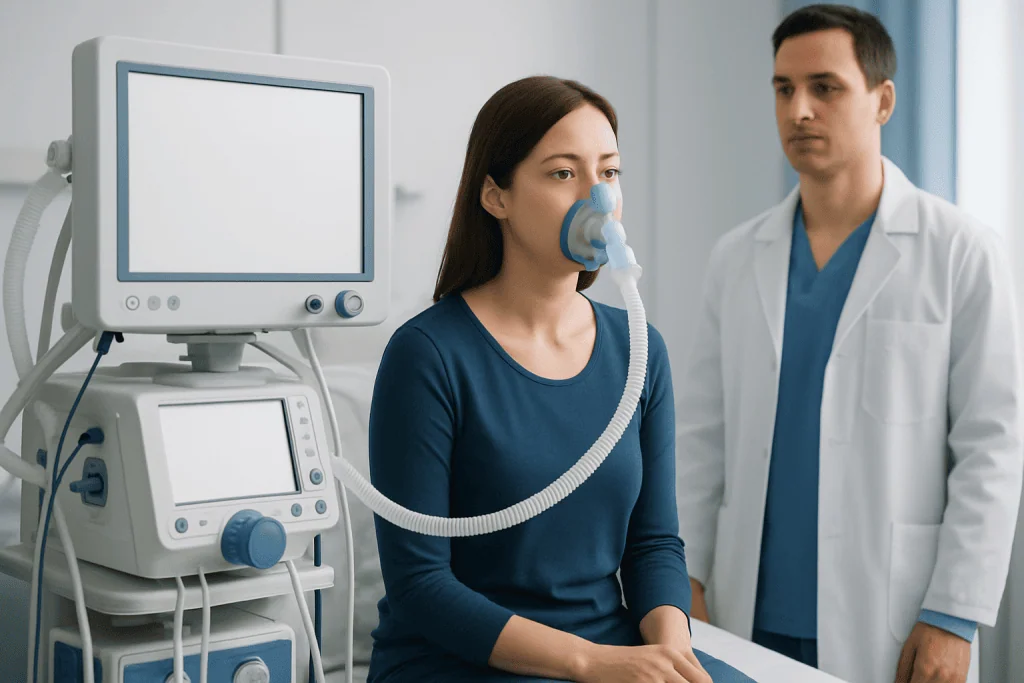
The symptoms linked by patients to a “mis medical condition” can vary widely. Some notice forgetfulness, difficulty finding words, losing track of tasks, slower thinking, or feeling mentally overwhelmed by activities that were previously manageable. Others describe lightheadedness, poor coordination, fatigue, irritability, sleep changes, or reduced ability to cope with daily responsibilities.
Symptoms may come on suddenly or develop gradually. Sudden onset raises concern for urgent causes, especially if confusion appears together with weakness, facial drooping, difficulty speaking, severe headache, fainting, or changes in vision. A gradual pattern may be related to sleep problems, anxiety, depression, medication effects, thyroid disease, vitamin deficiency, chronic infection, or neurologic conditions that require structured follow-up.
Associated symptoms can help guide evaluation. These may include:
- Short-term memory lapses
- Trouble focusing or multitasking
- Confusion or disorientation
- Headache or dizziness
- Mood changes such as anxiety, sadness, or irritability
- Sleep disturbance or daytime sleepiness
- Numbness, weakness, tremor, or balance problems
- Fever, recent illness, or unexplained fatigue
Even when symptoms seem mild, their impact matters. Difficulty managing medications, driving safely, handling finances, working, or performing usual self-care should be discussed with a doctor.
Common causes and risk factors

There is no single cause behind the phrase “mis medical condition.” Doctors usually consider several broad groups of possible explanations. Temporary causes can include dehydration, sleep deprivation, high stress, anxiety, depression, low blood sugar, medication side effects, alcohol or substance use, and infections. Recovery after surgery or a significant illness may also temporarily affect concentration and memory.
Medical causes may involve thyroid disorders, vitamin deficiencies such as low B12, anemia, liver or kidney problems, hormone imbalance, uncontrolled diabetes, or chronic inflammatory conditions. Neurologic causes can include migraine-related symptoms, seizure disorders, nerve problems, Parkinson’s disease, or less commonly disorders affecting the brain’s structure or blood supply. In some cases, symptoms overlap with multiple sclerosis or other conditions that affect the nervous system, but only a full assessment can determine whether that is relevant.
Risk factors depend on the underlying condition but often include older age, multiple medications, chronic medical illness, poor sleep, recent infection, nutritional problems, untreated hearing or vision loss, and a personal history of neurologic or psychiatric symptoms. A family history may also be important in some cases.
Because the range of causes is broad, self-diagnosis can be misleading. A symptom that seems minor may be caused by a simple and treatable issue, while a more serious cause may not be obvious without examination and testing.
How doctors diagnose the underlying problem
Diagnosis starts with a detailed history. A clinician will usually ask what the symptoms are, when they began, whether they are constant or intermittent, what makes them better or worse, and how they affect work, home life, or safety. It is often helpful for a family member or close friend to describe any changes they have noticed, especially if memory or confusion is part of the concern.
The physical exam may include a general assessment as well as a focused neurologic exam to check strength, reflexes, balance, sensation, coordination, speech, and attention. Doctors often review current medications, supplements, alcohol intake, sleep quality, and recent illnesses because these can strongly influence thinking and energy levels.
Depending on the situation, tests may include blood work to look for infection, anemia, vitamin deficiency, thyroid problems, electrolyte imbalance, or organ dysfunction. Imaging such as MRI scan or other forms of brain imaging may be recommended if there are neurologic symptoms, head injury, persistent unexplained changes, or warning signs that suggest a structural cause.
Some patients may also benefit from cognitive screening, hearing evaluation, sleep assessment, or referral to a neurologist, internist, psychiatrist, or other specialist. The main goal is to identify the exact condition behind the symptoms rather than using a non-specific label.
Treatment options depend on the diagnosis
Treatment for a “mis medical condition” is guided by the underlying cause. If symptoms relate to dehydration, poor sleep, a medication effect, or nutritional deficiency, treatment may involve correcting those factors and monitoring improvement. When an infection, hormone problem, metabolic disorder, or mood disorder is identified, targeted treatment often helps reduce symptoms significantly.
If neurologic symptoms are present, care may include specialist follow-up, rehabilitation, symptom management, or further testing. In some cases, doctors may recommend neurological rehabilitation to help improve attention, balance, strength, coordination, or daily function after an illness or neurologic event. This type of support can be useful even while the cause is still being clarified.
Medication may be part of treatment, but it is not always the first step. Doctors may instead begin with a careful medication review, sleep optimization, hydration, stress reduction, treatment of anxiety or depression when present, and management of chronic conditions such as diabetes or thyroid disease. If memory or attention changes persist, more structured follow-up is usually needed.
For international patients who need multidisciplinary assessment, Acibadem International’s specialists and JCI-accredited hospitals diagnose and treat complex neurologic and general medical conditions with coordinated care.
Prevention and self-care strategies
Not every cause can be prevented, but many factors that contribute to cognitive or functional changes can be improved with everyday habits. Good sleep, regular meals, hydration, physical activity, and staying socially and mentally engaged support overall brain and body health. Managing chronic conditions consistently is also important.
Patients can reduce avoidable triggers by taking medications exactly as prescribed, avoiding unnecessary sedating medicines when possible, limiting alcohol, and asking a clinician or pharmacist to review all prescription and over-the-counter products. Correcting hearing or vision problems can also improve concentration and reduce confusion, especially in older adults.
Useful self-care steps include:
- Keeping a symptom diary with timing, triggers, and associated symptoms
- Bringing a medication list to appointments
- Maintaining a regular sleep schedule
- Eating a balanced diet and staying hydrated
- Seeking support for stress, anxiety, or depression
- Using calendars, reminders, or notes if memory is affected
Self-care is supportive, but it should not replace evaluation when symptoms are new, worsening, or interfering with daily life. Ongoing or unexplained changes deserve professional attention.
When to seek medical care
Medical care should be sought promptly if symptoms are persistent, worsening, or disrupting work, self-care, mobility, or relationships. An appointment is also appropriate if there are repeated memory lapses, frequent confusion, unexplained fatigue, balance changes, or a noticeable decline after an illness, new medication, or surgery.
Urgent care is needed for sudden confusion, fainting, seizures, severe headache, chest pain, new weakness, facial drooping, trouble speaking, shortness of breath, or loss of vision. These symptoms may point to a time-sensitive problem and should not be observed at home.
It is especially helpful to bring a companion to the visit if memory or concentration has changed. A second person can help describe symptoms clearly and support follow-up plans. When doctors suspect a nervous system cause, further assessment may include evaluation for conditions such as epilepsy or other neurologic disorders based on the symptom pattern.
Frequently asked questions
Is “mis medical condition” a real diagnosis?
It is not usually a formal medical diagnosis by itself. The phrase is often used by patients online to describe unexplained memory, concentration, or neurologic-type symptoms before a doctor identifies the actual cause.
Can stress or lack of sleep cause symptoms that people call a mis medical condition?
Yes. Stress, anxiety, depression, poor sleep, and exhaustion can all affect concentration, memory, mood, and energy. Even so, persistent or severe symptoms should be evaluated because other medical causes can look similar.
What tests might be needed?
Testing depends on the symptoms and the person’s medical history. Doctors may recommend blood tests, medication review, cognitive screening, neurologic examination, and sometimes imaging such as MRI or CT if warning signs are present.
When is it an emergency?
Emergency care is important if symptoms begin suddenly or include weakness, trouble speaking, severe headache, seizures, fainting, chest pain, or major confusion. These signs may suggest a serious condition that needs immediate treatment.
Can these symptoms be treated?
In many cases, yes. Treatment is based on the underlying cause and may involve correcting sleep problems, adjusting medications, treating infection or vitamin deficiency, managing chronic illness, or providing neurologic or psychological support.
Should a person wait to see if symptoms go away on their own?
Brief symptoms after stress, poor sleep, or mild illness may improve, but ongoing or unexplained changes should not be ignored. If symptoms last, worsen, or affect safety and daily function, a qualified doctor should be consulted.
This article is for general information only and is not a substitute for professional medical advice. Please consult a qualified doctor about your individual situation.
Explore treatments in Turkey — costs, top hospitals & a free quote
JCI-accredited · board-certified surgeons · reply within 24h
Add us as a Preferred Source to see more of our trusted health content across Google Search, AI Overviews and Discover.

More from the Health Library

Ovarian Follicle: What Patients Need to Know

Situationship: A Complete Medical Overview

Black Cumin Kalonji: What Patients Need to Know

Appetite Suppressant: An Evidence-Based Guide for Patients

Core Beliefs: An Evidence-Based Guide for Patients