Misophonia: A Complete Medical Overview

Misophonia causes intense reactions to specific trigger sounds, often chewing, breathing, tapping, or clicking. Symptoms are real and can affect concentration, relationships, school, work, and mental well-being.
Key Takeaways
- Misophonia causes intense reactions to specific trigger sounds, often chewing, breathing, tapping, or clicking.
- Symptoms are real and can affect concentration, relationships, school, work, and mental well-being.
- Diagnosis is clinical and usually involves ruling out hearing problems and related conditions.
- Treatment may include education, sound strategies, counseling, and care for anxiety, OCD, ADHD, or other coexisting conditions.
- Seeking medical advice is important when sound triggers cause major distress or interfere with daily functioning.
Misophonia is a condition in which certain everyday sounds trigger unusually strong emotional and physical reactions, such as irritation, anger, anxiety, or an urge to escape. Although it is not simply “being sensitive to noise,” careful evaluation and supportive treatment can help people manage symptoms and improve daily life.
Overview
Misophonia is a condition in which particular sounds provoke a disproportionate emotional and body response. Many people describe an immediate surge of irritation, anger, disgust, tension, anxiety, or panic when they hear a trigger sound. Common examples include chewing, lip smacking, sniffing, throat clearing, breathing, pen clicking, tapping, or repetitive keyboard sounds.
This reaction is different from simply disliking noise. In misophonia, the response is often specific to certain patterns or human-made sounds rather than to loudness alone. The sound may not be objectively intense, yet it can feel unbearable to the person hearing it. Some people are also triggered by related visual cues, such as seeing someone chew or jiggle a leg.
Misophonia is increasingly recognized in clinical practice, but it can still be misunderstood. It is not a sign of poor coping, and it is not the same as hearing loss. It may occur on its own or alongside conditions such as anxiety disorders, obsessive-compulsive symptoms, attention-deficit/hyperactivity disorder, autism spectrum traits, tinnitus, or depression. A careful, respectful assessment helps clarify what is happening and what support may help.
How Misophonia Feels and Why It Matters
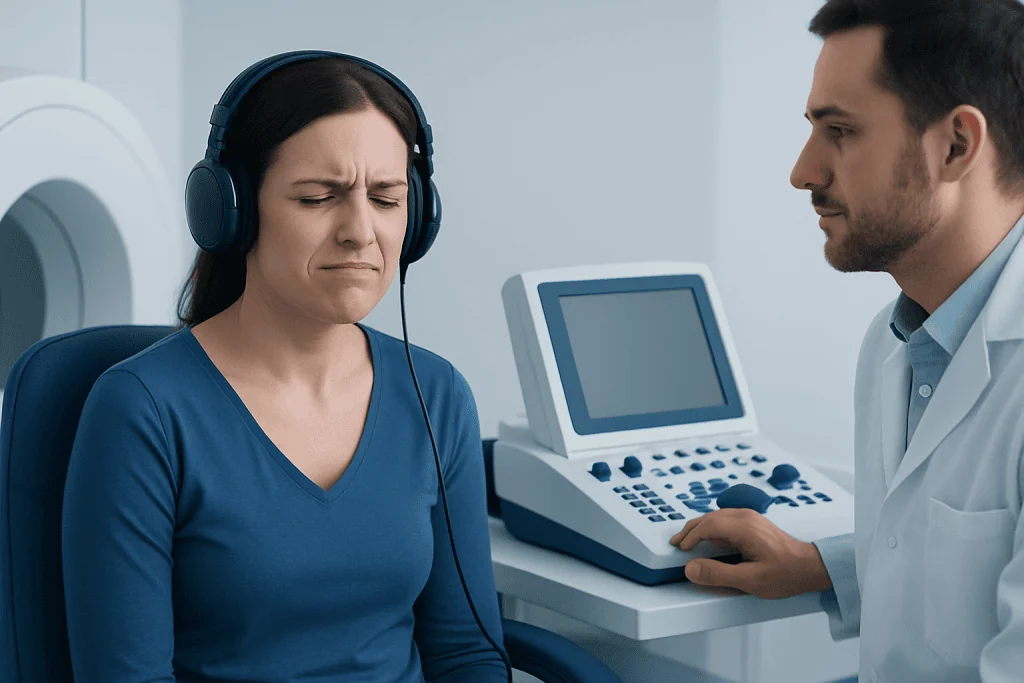
The experience of misophonia is often immediate and involuntary. A trigger sound may create a sudden “fight-or-flight” feeling, muscle tension, rapid heartbeat, sweating, or a strong urge to block the sound or leave the room. Some people feel trapped or overwhelmed, especially when the trigger occurs in quiet settings such as classrooms, offices, family meals, or public transport.
Because of these reactions, misophonia can affect more than comfort. It may strain family relationships, make social eating difficult, reduce concentration, and lead to avoidance of work, school, or shared living spaces. Over time, constant anticipation of trigger sounds can increase stress and emotional exhaustion.
People with misophonia often worry that others will think they are overreacting. That concern may lead them to hide symptoms, isolate themselves, or become embarrassed about their needs. Recognizing misophonia as a real health concern can be the first step toward practical coping strategies and appropriate medical guidance.
Symptoms and Common Triggers

Misophonia symptoms vary from person to person, but the defining feature is a strong negative reaction to specific sounds. The response may be emotional, physical, behavioral, or all three. Triggers are often repetitive, soft, and closely associated with another person’s body or habits.
Common symptoms and trigger patterns include:
- Intense irritation, anger, disgust, anxiety, or panic in response to a sound
- Physical tension, racing heart, sweating, or feeling suddenly on edge
- An urge to escape, cover the ears, use background noise, or stop the sound
- Difficulty focusing during meals, meetings, classes, or quiet environments
- Anticipatory stress when expecting a trigger sound
- Visual triggers, such as repetitive movements linked to a sound source
Triggers often include chewing, slurping, swallowing, breathing, sniffing, coughing, throat clearing, tapping, clicking, rustling, or repetitive electronic sounds. Some people react only to a few specific noises, while others have a wider range of triggers. Symptom intensity may also change with fatigue, stress, hormonal changes, or overall mental health.
Possible Causes and Risk Factors
The exact cause of misophonia is still being studied. Current understanding suggests it may involve the way the brain assigns emotional significance to certain sounds rather than a problem with the ears themselves. In other words, the sound-processing system and emotional regulation networks may react more strongly than expected to particular auditory patterns.
Misophonia can begin in childhood, adolescence, or adulthood, and many people notice symptoms becoming more recognizable over time. A family history of sound sensitivity, anxiety, obsessive-compulsive traits, autism spectrum traits, or mood symptoms may be present in some cases, though this does not mean misophonia is inevitable.
Misophonia may overlap with or resemble other conditions, so it is important to distinguish it from them. These may include hyperacusis, in which everyday sounds feel physically too loud; tinnitus, which involves hearing sound without an outside source; sensory processing difficulties; and certain mental health conditions. Stress does not necessarily cause misophonia, but it can make reactions stronger and harder to manage.
Some patients benefit from hearing and neurologic evaluation when symptoms are complex or accompanied by other sensory complaints. In selected cases, broader assessment through services such as neurology care or psychiatric evaluation can help identify coexisting conditions and guide treatment planning.
How Misophonia Is Diagnosed
There is no single blood test, scan, or hearing test that confirms misophonia. Diagnosis is based on a detailed clinical history: which sounds trigger symptoms, what emotional and physical reactions occur, how quickly they start, and how much they affect daily life. A clinician will also ask about stress, sleep, concentration, mood, and any pattern of avoidance.
Assessment may involve more than one specialist. An ear, nose, and throat doctor or audiologist may help rule out hearing-related causes of sound sensitivity. If there are concerns about anxiety, compulsive symptoms, sensory processing differences, or attention difficulties, a mental health professional or neurologist may also be involved.
The main goal of diagnosis is not just to apply a label. It is to understand the person’s specific triggers, the level of distress, and whether another condition is contributing. This helps create a practical treatment plan rather than assuming that all sound sensitivity is the same.
When symptoms overlap with hearing complaints, doctors may consider an audiology assessment or ENT evaluation to exclude other causes. A structured assessment can also help distinguish misophonia from tinnitus or other auditory conditions.
Treatment Options and Everyday Management
There is no single universal cure for misophonia, but many people improve with a combination of education, coping strategies, and treatment for any coexisting conditions. A supportive plan usually aims to reduce distress, improve function, and lower the impact of triggers at home, school, work, and in social settings.
Behavioral and psychological approaches are often central. These may include cognitive behavioral strategies, exposure-based methods tailored by a qualified clinician, stress regulation techniques, and skills for reducing anticipatory anxiety. Treatment may also address related problems such as sleep difficulties, anxiety, low mood, or obsessive thinking patterns when they are present.
Helpful self-management strategies may include:
- Using neutral background sound, such as a fan or soft ambient noise, rather than total silence
- Planning seating positions to reduce exposure to known triggers
- Taking short breaks from high-trigger settings when needed
- Using noise-reducing devices carefully and not relying on them constantly if this increases sensitivity
- Practicing relaxation, paced breathing, and sleep-supportive habits
- Discussing trigger patterns with family, teachers, or employers in a calm, practical way
Medicines are not used specifically to “cure” misophonia, but they may help if a person also has anxiety, depression, or another treatable condition. For some patients, coordinated care involving psychological support and hearing or neurologic evaluation offers the most balanced approach. Near the end of the care journey, some international patients choose centers such as Acibadem International, where multidisciplinary specialists in JCI-accredited hospitals evaluate and treat complex sound sensitivity concerns.
When to Seek Medical Care
Medical advice is appropriate when sound triggers are causing significant distress or interfering with daily activities. A doctor should assess symptoms if they lead to avoidance of meals, school, work, relationships, travel, or routine social situations. Early support may prevent symptoms from becoming more disruptive over time.
It is also important to seek evaluation if sound sensitivity appears suddenly, becomes much worse, or occurs together with hearing loss, dizziness, ear pain, ringing in the ears, severe anxiety, panic attacks, or depressed mood. Children and teenagers should be assessed if symptoms affect learning, behavior, family life, or emotional well-being.
A healthcare professional can help rule out other conditions, explain the likely cause of symptoms, and suggest practical next steps. If distress is intense or there are thoughts of self-harm, urgent mental health support should be sought immediately.
Frequently asked questions
Is misophonia a real medical condition?
Yes. Misophonia is increasingly recognized as a genuine condition in which specific sounds trigger unusually strong emotional and physical reactions. Even though research is still developing, the distress and functional impact are real and deserve proper evaluation.
Is misophonia the same as being sensitive to loud sounds?
No. Misophonia usually involves a strong reaction to particular trigger sounds, often repetitive or body-related sounds, rather than loudness itself. This differs from hyperacusis, where sounds may feel physically too loud or painful.
Can children have misophonia?
Yes. Misophonia can begin in childhood or adolescence, and symptoms may first appear at school or during family meals. Assessment can be especially helpful when sound triggers affect concentration, behavior, or family relationships.
Can misophonia go away on its own?
For some people, symptoms may fluctuate and become easier to manage at certain times. However, persistent or worsening symptoms often benefit from professional guidance, especially if they affect daily functioning or emotional well-being.
What doctor treats misophonia?
Evaluation may involve more than one specialist, depending on the symptoms. Primary care doctors, ENT specialists, audiologists, psychologists, psychiatrists, and neurologists may all play a role in diagnosis or treatment planning.
Are there medications for misophonia?
There is no medication specifically approved to cure misophonia. Medicines may still be useful when a person also has anxiety, depression, or another related condition that is contributing to distress.
References
- World Health Organization
- National Institute of Mental Health
- American Psychiatric Association
- National Institute on Deafness and Other Communication Disorders
- Cleveland Clinic
This article is for general information only and is not a substitute for professional medical advice. Please consult a qualified doctor about your individual situation.
Explore treatments in Turkey — costs, top hospitals & a free quote
JCI-accredited · board-certified surgeons · reply within 24h
Add us as a Preferred Source to see more of our trusted health content across Google Search, AI Overviews and Discover.

More from the Health Library

Flanks: What Patients Need to Know

Red Clover: A Complete Medical Overview

3rd Degree Heart Block: What Patients Need to Know

Signs that pneumonia is improving: Symptoms, Causes, and Treatment — Complete Patient Guide

Urogynecologist: What Patients Need to Know