3rd Degree Heart Block: What Patients Need to Know
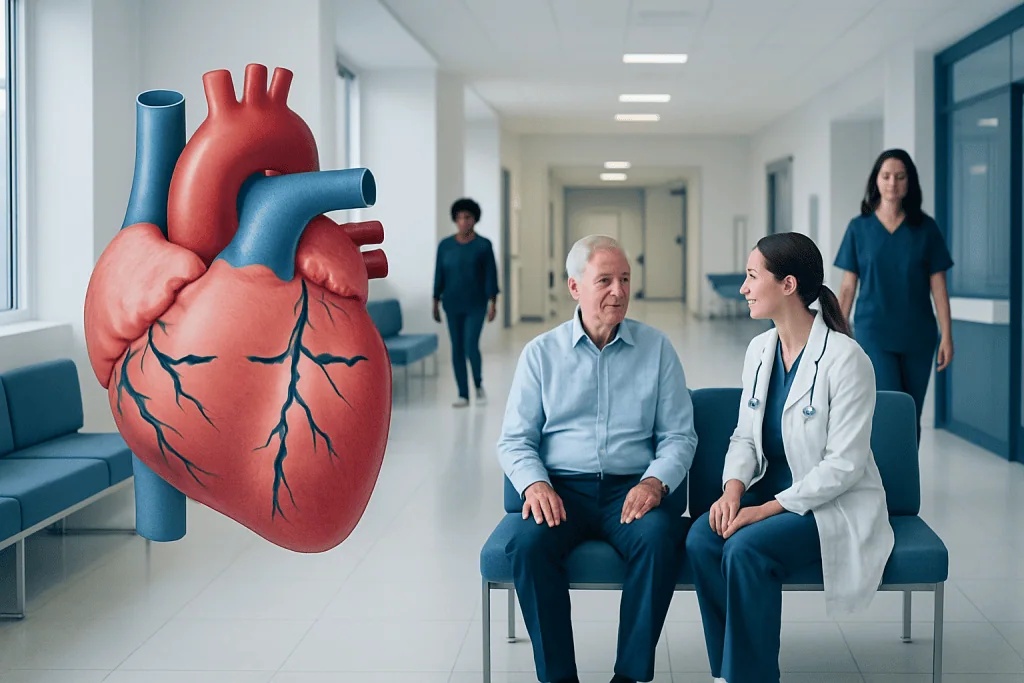
3rd degree heart block is the most severe form of atrioventricular heart block. It can slow the heartbeat enough to reduce blood flow to the brain and body.
Key Takeaways
- 3rd degree heart block is the most severe form of atrioventricular heart block.
- It can slow the heartbeat enough to reduce blood flow to the brain and body.
- Common symptoms include fatigue, dizziness, shortness of breath, chest discomfort, and fainting.
- Diagnosis usually involves an ECG and sometimes longer-term heart rhythm monitoring.
- Treatment often includes urgent stabilization and permanent pacemaker placement.
3rd degree heart block, also called complete heart block, happens when electrical signals from the upper chambers of the heart do not reach the lower chambers. It can cause a very slow heartbeat, dizziness, fainting, or fatigue, and many patients need prompt evaluation and treatment, often with a pacemaker.
Overview: what 3rd degree heart block means
3rd degree heart block is a serious heart rhythm problem in which the electrical signal from the atria, the heart’s upper chambers, does not pass to the ventricles, the lower chambers. Because the normal pathway is completely blocked, the ventricles beat on their own at a slower backup pace. This is why the condition is also called complete heart block.
In a healthy heart, electrical impulses coordinate each heartbeat so blood is pumped efficiently to the lungs and the rest of the body. In 3rd degree heart block, that coordination is lost. The upper and lower chambers beat independently, and the heart may not pump enough blood to meet the body’s needs.
This condition is different from first-degree or second-degree heart block, where signals are delayed or only sometimes blocked. Complete heart block usually needs urgent medical attention because it can lead to fainting, dangerously slow heart rates, low blood pressure, or worsening heart failure symptoms. It may occur on its own or as part of another heart problem, including arrhythmia or heart muscle disease.
Symptoms and how it may feel
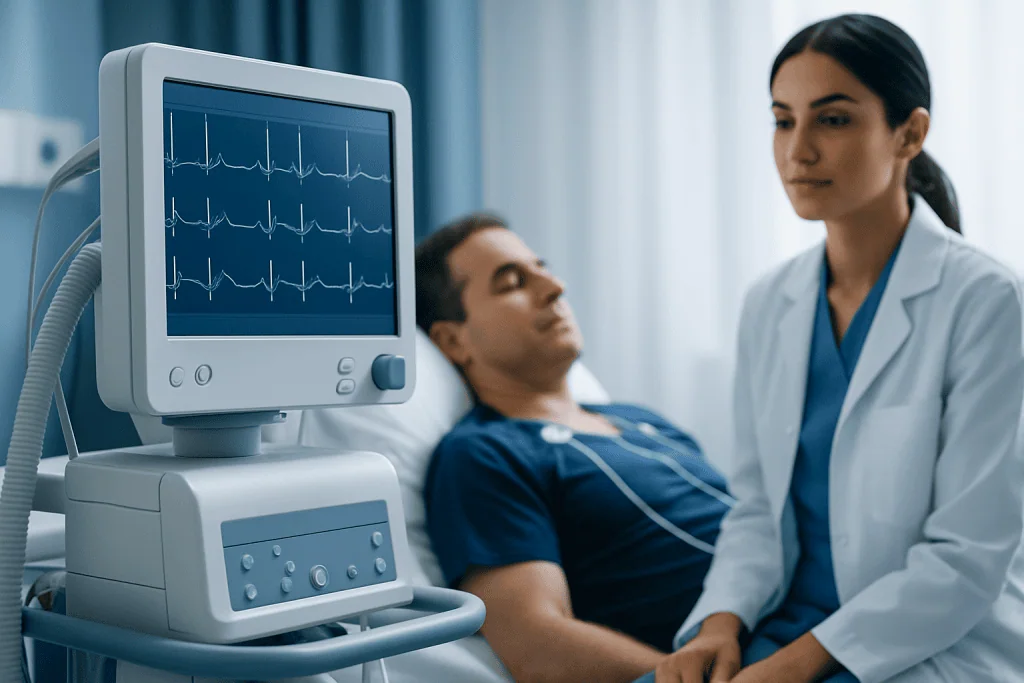
Symptoms of 3rd degree heart block vary from person to person. Some people become unwell very quickly, while others have symptoms that develop more gradually. The severity often depends on how slow the heart rate is and whether the person has other heart or lung conditions.
Many patients notice tiredness, weakness, dizziness, or feeling lightheaded. Because the brain may temporarily receive less blood flow, fainting or near-fainting can happen. Shortness of breath with exertion, poor exercise tolerance, confusion, and chest discomfort may also occur.
Typical symptoms can include:
- Unusually slow pulse
- Fatigue or low energy
- Dizziness or feeling faint
- Fainting episodes
- Shortness of breath
- Chest pain or pressure
- Palpitations or an irregular heartbeat sensation
Some patients, especially older adults, may not describe classic symptoms. Instead, they may notice reduced stamina, trouble concentrating, or repeated falls. Any new fainting spell, marked breathlessness, or chest pain should be assessed promptly by a doctor.
Why it happens: causes and risk factors

3rd degree heart block develops when the electrical conduction system of the heart is damaged or interrupted. In adults, one common cause is age-related degeneration of the conduction tissue. Coronary artery disease, previous heart attack, and structural heart disease can also interfere with normal electrical signaling.
It may also appear after inflammation or infection affecting the heart, such as myocarditis, or after heart surgery and certain catheter-based procedures. Some medicines that slow conduction through the atrioventricular node can contribute, especially in susceptible patients. These may include some beta blockers, calcium channel blockers, digoxin, and antiarrhythmic drugs, although medication changes should only be made under medical supervision.
Other possible causes and risk factors include:
- Congenital heart block present from birth
- Electrolyte disturbances, such as abnormal potassium levels
- Autoimmune or infiltrative disease affecting heart tissue
- Heart valve disease
- Cardiomyopathy
- Complications after cardiac procedures
In some cases, complete heart block occurs during an acute emergency, such as a heart attack. In others, it is discovered during evaluation for repeated dizziness or fainting. When the underlying cause is identified, treatment includes both correcting that cause where possible and protecting the patient from the effects of a dangerously slow rhythm.
How doctors diagnose 3rd degree heart block
Diagnosis starts with a clinical assessment, including symptoms, pulse, blood pressure, medication review, and past heart history. A doctor may hear a slow rhythm or find signs that the body is not receiving enough blood flow. However, the diagnosis is confirmed with heart rhythm testing.
The main test is an electrocardiogram, or ECG. On the ECG, the electrical activity of the atria and ventricles appears dissociated, meaning they are beating independently. This pattern helps distinguish complete heart block from other slow rhythms. In patients whose symptoms come and go, longer monitoring with a Holter monitor or event recorder may be helpful, often as part of a broader cardiology evaluation.
Doctors may also order blood tests to look for reversible causes, such as electrolyte problems, thyroid abnormalities, or signs of heart injury. Additional imaging, such as echocardiography, can assess the heart’s structure and pumping function and may help detect related disease like heart failure.
Because 3rd degree heart block can be unstable, diagnosis and treatment often happen at the same time in hospital. If the patient has fainted, has chest pain, or appears unwell, continuous monitoring is usually needed while the care team decides whether urgent temporary pacing or permanent pacemaker implantation is appropriate.
Treatment options and what patients can expect
Treatment depends on how stable the patient is and whether the cause might be reversible. If the heartbeat is dangerously slow and causing symptoms, immediate hospital care is needed. Doctors may use medications temporarily to support the heart rate, but these are often short-term measures rather than a lasting solution.
Many patients with 3rd degree heart block need a pacemaker. A pacemaker is a small device placed under the skin, usually near the collarbone, with leads that help maintain a safe and coordinated heart rhythm. Permanent pacing is the standard treatment for persistent complete heart block because it can relieve symptoms and reduce the risk of fainting and other complications. For suitable patients, this may involve pacemaker implantation.
If the block is caused by a medication effect, electrolyte disturbance, or another reversible problem, doctors will address that issue carefully. Even so, some patients still need pacing because the conduction system does not recover fully. If complete heart block occurs during a heart attack or after heart surgery, monitoring is especially important because the rhythm can change quickly.
After treatment, follow-up focuses on symptom improvement, pacemaker checks, and management of any underlying heart condition. Patients may also receive care for related issues such as cardiac electrophysiology assessment or evaluation of structural heart disease. Near the end of the care journey, some international patients choose centers such as Acibadem International, where multidisciplinary specialists in JCI-accredited hospitals diagnose and treat complex cardiac rhythm disorders.
Living with complete heart block: self-care and prevention
There is no reliable home remedy for 3rd degree heart block, and patients should not try to manage it on their own. Still, after diagnosis and treatment, everyday habits can support overall heart health and help reduce the impact of associated heart disease. Following the care plan closely is one of the most important steps.
Patients should take medications exactly as prescribed and never stop or restart heart medicines without medical advice. If a pacemaker has been placed, regular follow-up visits are essential to check battery status and settings. The care team will also explain practical issues, such as carrying device identification and asking about any restrictions after the procedure.
Helpful self-care measures include:
- Attending all follow-up appointments
- Reporting new dizziness, fainting, or palpitations promptly
- Managing blood pressure, cholesterol, and diabetes
- Stopping smoking if applicable
- Choosing regular physical activity appropriate to the doctor’s advice
- Eating a balanced, heart-healthy diet
Prevention is not always possible, especially when complete heart block results from aging of the conduction system or congenital causes. However, early treatment of heart disease, review of medications that can slow the heartbeat, and timely evaluation of unexplained fainting or fatigue can help reduce delays in diagnosis and treatment.
When to seek medical care
3rd degree heart block should always be taken seriously. Anyone with sudden fainting, severe dizziness, chest pain, marked shortness of breath, new confusion, or a very slow pulse should seek urgent medical care. These symptoms may mean the heart is not pumping enough blood effectively.
Even milder symptoms deserve attention if they are new or persistent. Repeated episodes of unexplained fatigue, reduced exercise tolerance, near-fainting, or palpitations should be discussed with a doctor, especially in older adults or in people with known heart disease.
Patients who already have a pacemaker should also contact their care team if symptoms return, if the pulse seems slower than usual, or if they notice signs of infection around the device site, such as increasing redness, swelling, warmth, or drainage. Prompt evaluation helps prevent complications and ensures that treatment is working as intended.
Frequently asked questions
Is 3rd degree heart block the same as complete heart block?
Yes. 3rd degree heart block and complete heart block are two names for the same condition. Both mean that electrical signals from the atria do not reach the ventricles.
Is 3rd degree heart block an emergency?
It can be. Because it may cause a very slow heart rate and reduced blood flow to the brain and body, urgent medical evaluation is often needed. Fainting, chest pain, severe shortness of breath, or confusion should be treated as emergency symptoms.
Can 3rd degree heart block go away on its own?
Sometimes the condition improves if it is caused by a reversible problem such as certain medications or electrolyte abnormalities. However, many cases are persistent and require a pacemaker. A doctor must determine whether the cause is temporary or permanent.
Will everyone with 3rd degree heart block need a pacemaker?
Many patients do need a permanent pacemaker because it is the most reliable way to restore a safe heart rhythm. The decision depends on symptoms, heart rate, the underlying cause, and whether the block is expected to reverse. A cardiologist will guide this decision.
What is the difference between 3rd degree heart block and a heart attack?
A heart attack happens when blood flow to part of the heart muscle is blocked. 3rd degree heart block is an electrical conduction problem in the heart. A heart attack can sometimes cause complete heart block, but they are not the same condition.
Can someone exercise with complete heart block?
Before treatment, exercise may be unsafe because the heart may not increase its rate appropriately. After treatment, especially after pacemaker placement, many people can return to appropriate physical activity based on their doctor’s advice. Exercise recommendations should always be individualized.
References
- American Heart Association
- National Heart, Lung, and Blood Institute
- European Society of Cardiology
- Mayo Clinic
- Merck Manual
This article is for general information only and is not a substitute for professional medical advice. Please consult a qualified doctor about your individual situation.
Explore treatments in Turkey — costs, top hospitals & a free quote
JCI-accredited · board-certified surgeons · reply within 24h
Add us as a Preferred Source to see more of our trusted health content across Google Search, AI Overviews and Discover.
Check your numbers in seconds
BMI, calories, due date, blood pressure and 30+ more clinical calculators — free, instant, doctor-reviewed ranges.

More from the Health Library

Cough syrup for dry: Symptoms, Causes, and Treatment — Complete Patient Guide

Red Cheeks: An Evidence-Based Guide for Patients

Apron Belly: An Evidence-Based Guide for Patients

Mental Health Exercises: What Patients Need to Know

Saffron: A Complete Medical Overview