Molar Pregnancy Explained: Causes, Management, and When to See a Doctor

A molar pregnancy is a type of gestational trophoblastic disease caused by abnormal fertilization. Common warning signs include vaginal bleeding, severe nausea, rapid uterine growth, and abnormal ultrasound findings.
Key Takeaways
- A molar pregnancy is a type of gestational trophoblastic disease caused by abnormal fertilization.
- Common warning signs include vaginal bleeding, severe nausea, rapid uterine growth, and abnormal ultrasound findings.
- Treatment usually involves removing the abnormal tissue from the uterus and monitoring hCG levels afterward.
- Most people recover fully and can have healthy future pregnancies after proper follow-up.
- Urgent medical assessment is important for heavy bleeding, severe pain, dizziness, or pregnancy symptoms that seem unusual.
Molar pregnancy is an abnormal pregnancy in which placental tissue grows incorrectly inside the uterus instead of developing into a healthy pregnancy. It is treatable, but it needs prompt diagnosis, removal of the abnormal tissue, and careful follow-up to make sure pregnancy hormone levels return to normal.
Overview
A molar pregnancy is a rare complication of pregnancy in which tissue that would normally form the placenta grows abnormally inside the uterus. Instead of a normal pregnancy developing, the fertilized egg forms an abnormal mass of tissue. This condition is also called a hydatidiform mole and is part of a group of disorders known as gestational trophoblastic disease.
There are two main types: complete molar pregnancy and partial molar pregnancy. In a complete mole, there is no normal fetus, and the placental tissue grows in an abnormal, swollen pattern. In a partial mole, there may be some fetal tissue, but it cannot develop normally and the pregnancy is not viable.
Molar pregnancy is not caused by anything a pregnant person did or did not do. Although it can be emotionally distressing, it is important to know that treatment is usually effective. The key steps are recognizing the problem early, removing the abnormal tissue, and following hormone levels closely until they return to normal.
How a Molar Pregnancy Differs From a Typical Miscarriage
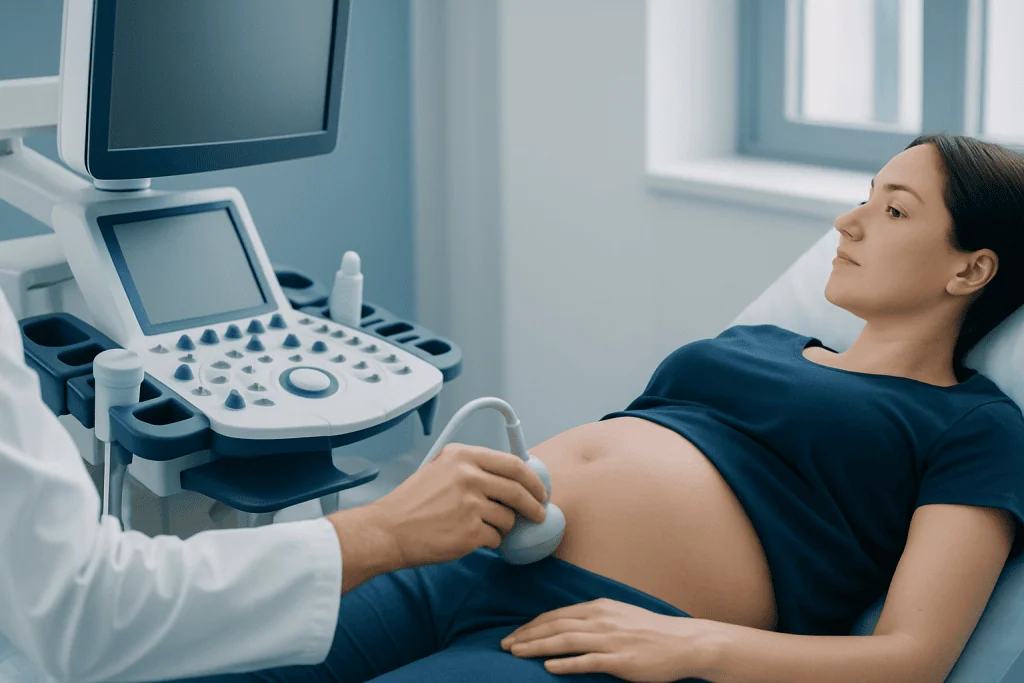
A molar pregnancy can sometimes first appear similar to a miscarriage because both may cause bleeding, cramping, and loss of pregnancy symptoms. However, a molar pregnancy is biologically different. It happens because the genetic material in the fertilized egg is abnormal, leading to overgrowth of placental tissue rather than a normally developing embryo and placenta.
This distinction matters because follow-up after a molar pregnancy is more structured than after many miscarriages. After the abnormal tissue is removed, doctors usually monitor the pregnancy hormone hCG for weeks or months. This helps confirm that all molar tissue is gone and that no persistent disease remains.
In some cases, a molar pregnancy may be detected during evaluation for early pregnancy bleeding with ultrasound and blood tests. If the diagnosis is uncertain, specialists may also consider other early pregnancy conditions, including ectopic pregnancy, because symptoms can overlap in the first trimester.
Symptoms and Warning Signs

Symptoms of molar pregnancy often appear in the first trimester, but some cases are found during routine prenatal care before clear symptoms develop. Vaginal bleeding in early pregnancy is one of the most common signs. The bleeding may be light or heavy and can be bright red or dark brown.
Other symptoms can include nausea and vomiting that seem more severe than expected, pelvic pressure, abdominal discomfort, or a uterus that measures larger than expected for the stage of pregnancy. Some people may pass grape-like cysts from the vagina, although this is less common today because many molar pregnancies are identified earlier with imaging.
Doctors may also suspect a molar pregnancy if blood tests show unusually high hCG levels or if signs of pregnancy complications appear earlier than expected. These can include early high blood pressure, symptoms related to an overactive thyroid, or ovarian cysts linked to high hormone levels.
- Vaginal bleeding during early pregnancy
- Severe nausea or vomiting
- Pelvic pain or pressure
- Rapid uterine enlargement
- Very high hCG levels
- Abnormal findings on prenatal ultrasound
Causes and Risk Factors
Molar pregnancy happens because of abnormal fertilization. In a complete mole, an egg with no functional maternal genetic material is fertilized, and the genetic information comes only from the father. In a partial mole, two sperm often fertilize one egg, creating an abnormal number of chromosomes. In both situations, normal fetal development cannot continue.
Most molar pregnancies occur by chance. They are not caused by stress, exercise, work, travel, or sexual activity. For many patients, there is no clear preventable reason why it happened.
Some factors are associated with a higher risk. These include a history of a previous molar pregnancy and pregnancy at the extremes of reproductive age, especially very young maternal age or age over 35 to 40. Even with these risk factors, however, most pregnancies in these groups are not molar pregnancies. A specialist in high-risk pregnancy can help guide evaluation and future planning when needed.
Diagnosis and What Testing Shows
Diagnosis usually begins with a medical history, a physical examination, blood testing, and ultrasound. An ultrasound often shows that the pregnancy is not developing normally. In a complete mole, the image may show a pattern of abnormal placental tissue without a fetus. In a partial mole, there may be both abnormal placental tissue and an abnormal fetus or nonviable fetal tissue.
Blood tests measure human chorionic gonadotropin, or hCG, the hormone made during pregnancy. In molar pregnancy, hCG levels are often higher than expected, although levels alone do not confirm the diagnosis. Additional tests may be used to assess blood count, thyroid function, and overall health, especially if symptoms are significant.
The diagnosis is confirmed after the abnormal tissue is removed and examined in a laboratory. Pathology helps determine whether the mole is complete or partial and whether there are signs that ongoing monitoring or further treatment might be needed.
Treatment Options and Follow-Up
The standard treatment for most molar pregnancies is removal of the abnormal tissue from the uterus. This is commonly done with a procedure called dilation and curettage, or D&C. The aim is to clear the uterus safely, stop bleeding, and obtain tissue for laboratory confirmation.
After treatment, regular hCG monitoring is essential. Doctors check the hormone level until it falls to normal and remains normal for a recommended period. This follow-up is important because a small number of patients develop persistent gestational trophoblastic disease, in which molar cells continue to grow after the initial procedure.
If hCG levels do not fall as expected or begin rising again, further evaluation is needed. Some patients may require additional treatment, which can include repeat uterine evacuation or oncology-based care such as chemotherapy for persistent disease. Although hearing this can feel frightening, persistent gestational trophoblastic disease is often highly treatable when monitored closely.
During follow-up, doctors often advise avoiding a new pregnancy until monitoring is complete. This is because a new pregnancy would raise hCG levels and make it difficult to tell whether hormone changes are due to normal pregnancy or remaining molar tissue. In selected cases, hysteroscopy or other gynecologic procedures may be used if there are questions about retained tissue or uterine findings, based on specialist judgment.
Recovery, Fertility, and Emotional Support
Physical recovery after treatment is usually straightforward, though light bleeding or cramping can occur for a short time. Patients should follow their doctor’s advice about activity, sexual intercourse, tampons, and when it is safe to try for pregnancy in the future. Follow-up appointments are an important part of recovery, not an optional extra.
For most people, a molar pregnancy does not prevent future healthy pregnancies. Once hCG monitoring is complete and a doctor confirms it is safe, many patients go on to conceive again successfully. Because there is a small increased risk of recurrence, early ultrasound in a future pregnancy is often recommended for reassurance and confirmation.
Emotional recovery can take longer than physical recovery. A molar pregnancy can bring grief, confusion, and anxiety, especially because it combines pregnancy loss with the need for medical surveillance. Support from a partner, family, counselor, or pregnancy loss support group can be helpful.
Prevention and When to Seek Medical Care
There is no reliable way to prevent most molar pregnancies because they result from random genetic errors at fertilization. The best protective step is early prenatal care. Early assessment can identify abnormal symptoms, confirm pregnancy location and development, and allow treatment before complications become more serious.
Medical care should be sought promptly for vaginal bleeding during pregnancy, severe or persistent vomiting, pelvic pain, unusual abdominal swelling, dizziness, fainting, or passing tissue from the vagina. Heavy bleeding, severe pain, or signs of collapse need urgent attention. It is also important to keep all follow-up blood test appointments after treatment, even if symptoms improve quickly.
For international patients who need coordinated evaluation and follow-up, Acibadem International’s multidisciplinary specialists and JCI-accredited hospitals diagnose and treat molar pregnancy and related gynecologic conditions with individualized care plans.
Frequently asked questions
Is a molar pregnancy the same as a miscarriage?
No. A molar pregnancy is a specific type of abnormal pregnancy caused by a genetic problem at fertilization, while a miscarriage is a broader term for loss of a pregnancy. A molar pregnancy may look similar to a miscarriage at first, but it requires special follow-up with hCG testing.
Can a baby survive in a molar pregnancy?
A complete molar pregnancy cannot result in a viable baby because no normal fetus develops. In a partial molar pregnancy, there may be some fetal tissue, but the pregnancy is not viable and cannot develop normally. Medical treatment is needed in both situations.
How is a molar pregnancy treated?
Treatment usually involves removing the abnormal tissue from the uterus, often with a dilation and curettage procedure. After that, doctors monitor hCG levels over time to make sure all molar tissue has resolved. Some patients need additional treatment if hormone levels do not return to normal.
Can someone get pregnant again after a molar pregnancy?
Yes, many people have healthy pregnancies after a molar pregnancy. Doctors usually recommend waiting until hCG follow-up is complete before trying again. In a future pregnancy, early ultrasound is often advised for reassurance and early confirmation.
What are the first signs of a molar pregnancy?
The first signs often include vaginal bleeding in early pregnancy, unusually severe nausea and vomiting, and abnormal ultrasound findings. Some patients also have hCG levels that are higher than expected. Because symptoms can vary, any unusual early pregnancy symptoms should be checked by a doctor.
Does a molar pregnancy mean cancer?
Not usually. A molar pregnancy is not the same as cancer, but in some cases molar tissue can persist and continue growing after treatment. This is why careful hCG monitoring is important, and why specialist follow-up should not be skipped.
References
- American College of Obstetricians and Gynecologists
- NHS
- Mayo Clinic
- National Cancer Institute
- Merck Manual
This article is for general information only and is not a substitute for professional medical advice. Please consult a qualified doctor about your individual situation.
Explore treatments in Turkey — costs, top hospitals & a free quote
JCI-accredited · board-certified surgeons · reply within 24h
Add us as a Preferred Source to see more of our trusted health content across Google Search, AI Overviews and Discover.
Check your numbers in seconds
BMI, calories, due date, blood pressure and 30+ more clinical calculators — free, instant, doctor-reviewed ranges.

More from the Health Library



Related Specialists

Dr. Mustafa Demirel
Emergency Service
A. Sercan Soyarslan
Physical Medicine & Rehabilitation
Dr. Türker Egesel
Gastroenterology
Dt. İpek Mehmetoğlu Torun
Oral & Dental Health