Molar Pregnancy: Symptoms, Ultrasound Findings, and Follow-Up Care

Molar pregnancy is a type of gestational trophoblastic disease caused by abnormal fertilization. Common signs can include vaginal bleeding, severe nausea, rapid uterine growth, and very high hCG levels.
Key Takeaways
- Molar pregnancy is a type of gestational trophoblastic disease caused by abnormal fertilization.
- Common signs can include vaginal bleeding, severe nausea, rapid uterine growth, and very high hCG levels.
- Ultrasound and blood tests are the main tools used to diagnose and monitor a molar pregnancy.
- Treatment usually involves removing the abnormal tissue from the uterus and then checking hCG levels over time.
- Most people recover fully and can often have healthy pregnancies in the future after follow-up is complete.
A molar pregnancy is a rare type of abnormal pregnancy in which placental tissue grows in an unusual way instead of developing normally. Early diagnosis, treatment, and follow-up care are important to protect health and support future pregnancy planning.
Overview
A molar pregnancy is a rare complication of pregnancy in which abnormal tissue grows inside the uterus. Instead of a normally developing placenta and embryo, the pregnancy tissue forms in an irregular way. This condition belongs to a group of disorders called gestational trophoblastic disease.
There are two main types of molar pregnancy: complete and partial. In a complete molar pregnancy, there is usually no normal fetus, and the placental tissue becomes swollen and cystic. In a partial molar pregnancy, there may be some fetal tissue or an abnormal embryo, but the pregnancy cannot develop normally.
Although a molar pregnancy is not a viable pregnancy, it is treatable. Prompt care helps prevent complications such as heavy bleeding or persistent trophoblastic tissue. Careful follow-up after treatment is also important because a small number of patients need additional treatment if the abnormal cells continue to grow.
Symptoms and Early Warning Signs
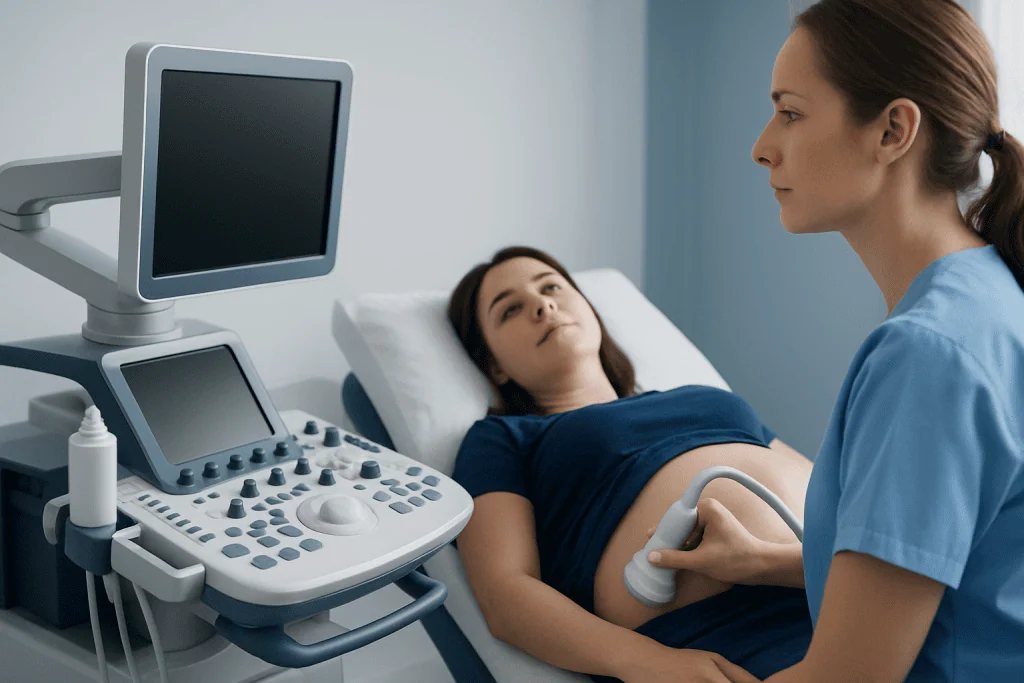
Some symptoms of a molar pregnancy can resemble those of a normal early pregnancy, which is why diagnosis often depends on ultrasound and blood tests. The most common symptom is vaginal bleeding during the first trimester. The bleeding may be light or heavy and can be red or dark brown.
Other possible symptoms include nausea and vomiting that seem more severe than expected, pelvic pressure, abdominal discomfort, and the uterus measuring larger than expected for the stage of pregnancy. Some people also pass grape-like cysts from the vagina, although this is less common now because many molar pregnancies are found earlier.
In some cases, signs of pregnancy-related high blood pressure or an overactive thyroid may appear unusually early. A person may also notice that pregnancy symptoms feel stronger because human chorionic gonadotropin, or hCG, can be very high. However, some molar pregnancies cause only mild symptoms, and some are discovered during a routine scan.
- Vaginal bleeding in early pregnancy
- Severe nausea or vomiting
- Rapid uterine enlargement
- Pelvic pain or pressure
- Very high hCG levels
- Passage of cystic tissue
Causes and Risk Factors

Molar pregnancy develops because of an error during fertilization. In a complete mole, the pregnancy usually forms when genetic material from the mother is absent or inactive, and the paternal genetic material is duplicated. In a partial mole, two sperm may fertilize one egg, leading to an abnormal number of chromosomes.
These genetic problems happen by chance in most cases, and they are not caused by routine activity, exercise, stress, or something the patient did or did not do. Understanding this can be important emotionally, because people often look for a reason after receiving the diagnosis.
Some factors are linked with a higher chance of molar pregnancy. These include a previous molar pregnancy, very young maternal age, and older maternal age. Certain nutritional factors have also been studied, but individual risk can vary, and many people diagnosed with a molar pregnancy have no clear risk factors at all.
How Ultrasound and Tests Confirm the Diagnosis
Ultrasound is one of the main tools used to diagnose a molar pregnancy. In a complete mole, ultrasound may show a characteristic appearance of abnormal placental tissue without a normal fetus. Clinicians sometimes describe this as a snowstorm or cluster-of-cysts pattern. In a partial mole, the findings can be more subtle and may include an abnormal placenta with a fetus that is not developing normally.
Blood tests are also essential. hCG levels are often higher than expected for the stage of pregnancy, especially in complete moles. Doctors may also check blood count, blood type, kidney function, liver function, and thyroid function, depending on symptoms and the severity of the case.
After the abnormal tissue is removed, the diagnosis is usually confirmed by laboratory examination of the tissue. Additional imaging may be needed if there is concern that trophoblastic tissue has persisted or spread. This follow-up evaluation helps distinguish an isolated molar pregnancy from more persistent forms of gestational trophoblastic disease.
Treatment Options
The standard treatment for a molar pregnancy is removal of the abnormal tissue from the uterus. In most cases, this is done with a procedure called suction dilation and curettage. The goal is to clear the uterus safely, control bleeding, and allow the care team to monitor recovery with blood tests afterward. This may be discussed as dilation and curettage when reviewing treatment options.
The right treatment plan depends on the patient’s age, symptoms, desire for future pregnancy, and overall health. If bleeding is heavy or complications are present, treatment may need to happen urgently. In selected cases where childbearing is complete, hysterectomy may be considered, but follow-up hCG testing is still needed because abnormal cells can remain elsewhere.
If hCG levels do not fall as expected or begin to rise again after treatment, persistent gestational trophoblastic neoplasia may be diagnosed. This condition is often highly treatable, sometimes with medication such as chemotherapy under specialist care. For patients needing more advanced management, options may be coordinated through medical oncology and related women’s health services.
Follow-Up Care After a Molar Pregnancy
Follow-up care is one of the most important parts of treatment. After the uterus is emptied, hCG levels are checked regularly until they return to normal and remain normal for a recommended period. This helps confirm that all molar tissue has been removed and that no persistent disease is developing.
The exact schedule for blood tests can vary based on the type of molar pregnancy, laboratory results, and local practice. In general, the blood tests are done frequently at first and then less often as levels normalize. If hCG stops falling, plateaus, or rises again, the care team will investigate further.
Pregnancy is usually delayed during the surveillance period because a new pregnancy would raise hCG levels and make monitoring difficult. Patients are commonly advised to use reliable contraception until their doctor says it is safe to try again. Follow-up can feel emotionally demanding, so support from clinicians, family, and counseling services may be helpful throughout recovery.
Future Fertility, Prevention, and When to Seek Medical Care
For most patients, fertility is preserved after treatment, and many go on to have healthy pregnancies later. Having one molar pregnancy slightly increases the risk of another, so early ultrasound in a future pregnancy is often recommended. Preconception counseling can help patients understand timing, follow-up completion, and what to expect next.
There is no guaranteed way to prevent a molar pregnancy because it usually results from a random fertilization error. The most practical step is early prenatal care in future pregnancies, including timely ultrasound and routine blood work when advised. Patients who have had a molar pregnancy should make sure any future care team knows this history.
Urgent medical attention is needed for heavy bleeding, fainting, severe abdominal pain, shortness of breath, or signs of infection such as fever. A doctor should also be contacted for persistent bleeding after treatment or if follow-up appointments are missed. In complex cases, multidisciplinary specialists at Acibadem International and its JCI-accredited hospitals diagnose and treat molar pregnancy and related conditions for international patients, including access to obstetrics and gynecology care and, when needed, fertility support.
Frequently asked questions
Is a molar pregnancy the same as a miscarriage?
No. A molar pregnancy is a specific type of abnormal pregnancy caused by a problem during fertilization, while a miscarriage is the loss of a pregnancy for many possible reasons. A molar pregnancy is not viable, but it also requires special follow-up because abnormal placental cells can sometimes persist after treatment.
What does a molar pregnancy look like on ultrasound?
A complete molar pregnancy often shows abnormal placental tissue with a cystic or snowstorm-like appearance and no normal fetus. A partial mole may show an abnormal placenta along with fetal tissue that is not developing normally. The exact appearance can vary, especially very early in pregnancy.
Can hCG levels be high in a molar pregnancy?
Yes. hCG levels are often much higher than expected, particularly in a complete molar pregnancy. These levels help doctors both diagnose the condition and monitor recovery after treatment.
Will a person need chemotherapy after a molar pregnancy?
Not always. Most molar pregnancies are treated successfully by removing the abnormal tissue and then monitoring hCG levels. Chemotherapy is usually reserved for cases where abnormal trophoblastic tissue persists or grows after the initial treatment.
How long should someone wait before trying to get pregnant again?
The safest timing depends on how quickly hCG levels return to normal and how long follow-up monitoring is recommended. Doctors usually advise avoiding pregnancy during this period so blood tests remain reliable. A clinician can give individualized guidance based on the type of mole and recovery progress.
Can someone have a healthy pregnancy after a molar pregnancy?
In most cases, yes. Many patients go on to have normal pregnancies after follow-up is completed. Because the risk of recurrence is slightly higher, early prenatal evaluation in the next pregnancy is usually advised.
References
- American College of Obstetricians and Gynecologists
- National Health Service
- Merck Manual
- Mayo Clinic
- International Federation of Gynecology and Obstetrics
This article is for general information only and is not a substitute for professional medical advice. Please consult a qualified doctor about your individual situation.
Ultrasound in Turkey — costs, top hospitals & a free quote
JCI-accredited · board-certified surgeons · reply within 24h
Add us as a Preferred Source to see more of our trusted health content across Google Search, AI Overviews and Discover.
Check your numbers in seconds
BMI, calories, due date, blood pressure and 30+ more clinical calculators — free, instant, doctor-reviewed ranges.

Check-up & Preventive Medicine
Comprehensive health screenings designed for early detection and prevention.
3 specialists in this unit