Mono Treatment: How It Works, Results and What to Expect

Infectious mononucleosis, often called mono, is commonly caused by Epstein-Barr virus and usually improves without a specific antiviral treatment. Rest, fluids, nutrition and appropriate pain or fever relief are the foundations of mono treatment.
Key Takeaways
- Infectious mononucleosis, often called mono, is commonly caused by Epstein-Barr virus and usually improves without a specific antiviral treatment.
- Rest, fluids, nutrition and appropriate pain or fever relief are the foundations of mono treatment.
- Avoid contact sports and heavy lifting until a clinician confirms it is safe, because mono can temporarily enlarge the spleen.
- Sore throat and fever often ease before fatigue, which may persist for weeks or occasionally longer.
- Urgent assessment is important for trouble breathing or swallowing, severe abdominal pain, fainting, dehydration or worsening symptoms.
Mono treatment is mainly supportive: rest, hydration, good nutrition and medicines for selected symptoms while the immune system clears the infection. Most people improve gradually within several weeks, although fatigue can last longer and a safe return to exercise may take time.
Mono Treatment: How It Works and What Results to Expect
Mono treatment helps a person manage symptoms and recover safely while the body controls the infection. There is no routine medicine that immediately cures the most common form of infectious mononucleosis, which is usually caused by Epstein-Barr virus (EBV). Care therefore focuses on rest, fluids, nutrition, pain and fever relief when appropriate, and monitoring for less common complications.
Many people notice meaningful improvement in fever and throat pain within two to four weeks. The mono treatment and recovery time varies considerably: tiredness can continue after other symptoms have resolved, sometimes for several weeks or longer. A gradual recovery is common and does not necessarily mean treatment is failing.
Antibiotics do not treat mono because it is usually viral. They may be used only if a clinician identifies a separate bacterial infection, such as streptococcal throat infection. Some antibiotics, particularly amoxicillin or ampicillin, can cause a widespread rash in people with mono and should not be taken unless prescribed with the clinician aware of the possible diagnosis.
How Mono Affects the Body
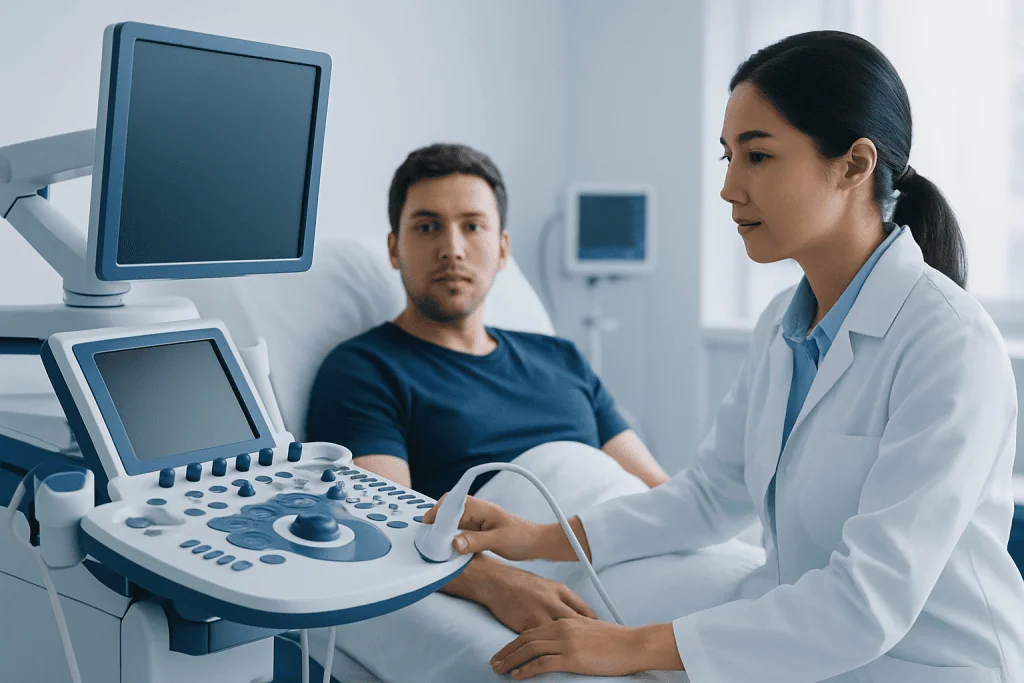
Mono is an infection that often affects teenagers and young adults, although it can occur at any age. It spreads mainly through saliva, which is why it is sometimes called the “kissing disease.” It may also spread through shared drinks, eating utensils, toothbrushes or exposure to saliva during close contact.
Typical features include marked fatigue, fever, a severe sore throat, swollen neck glands, headache, body aches and swollen tonsils. Some people have enlarged lymph nodes elsewhere, a rash or a feeling of fullness in the upper left abdomen due to temporary enlargement of the spleen. The liver can also be mildly affected, occasionally causing abnormal liver blood tests or jaundice.
Symptoms can overlap with other illnesses, including strep throat, influenza, COVID-19 and tonsillitis. A medical assessment helps clarify the cause, particularly when throat symptoms are intense, symptoms are prolonged or there are concerns about complications.
Who May Need Individualized Mono Treatment

Most otherwise healthy people can recover at home with clinical guidance. However, individualized assessment is especially important for people with severe throat swelling, significant dehydration, persistent high fever, major abdominal symptoms, pregnancy, immune system conditions or medicines that suppress immunity.
A clinician may also take extra care when evaluating athletes and people whose work involves physically demanding activity. The spleen can enlarge during mono, and an impact to the abdomen or strenuous activity may rarely lead to splenic rupture. This is a medical emergency, so return-to-sport decisions should be based on symptoms, examination and, when needed, further evaluation rather than a fixed calendar date.
People with underlying liver disease should discuss alcohol use and all medicines or supplements with their clinician. The liver may be temporarily inflamed during mono, and avoiding alcohol until recovery is confirmed is generally advised.
What Happens During Mono Treatment
Mono treatment usually begins with a clinical review rather than a procedure. The clinician asks about the timeline of symptoms, exposure history, medicines and activity level, and examines the throat, lymph nodes, abdomen and general hydration. Blood tests may be used to look for signs of infection, assess blood cells and liver function, or test for EBV when the diagnosis is uncertain.
The treatment plan is then tailored to the person’s symptoms. Rest is important, especially during fever and pronounced fatigue. Drinking enough water, broth or oral rehydration fluids can support hydration, while soft foods may be easier to tolerate with a sore throat. Gargling with warm salt water and using throat-soothing measures may also provide comfort.
A clinician or pharmacist can advise on suitable non-prescription pain and fever medicines based on age, other health conditions and current medicines. Aspirin should not be given to children or teenagers with viral illnesses because of the risk of Reye’s syndrome. Corticosteroids are not routine mono treatment, but specialists may use them in selected situations, such as serious airway obstruction or certain blood-related complications.
Acibadem International’s multidisciplinary specialists and JCI-accredited hospitals can assess infectious illnesses and coordinate care for international patients when additional testing or monitoring is needed.
Mono Treatment Timeline and Recovery
The mono treatment timeline is usually measured in weeks rather than days. During the first one to two weeks, fever, sore throat, swollen glands and fatigue may be prominent. Symptom relief measures, rest and hydration are often the main priorities during this phase.
Over the following two to four weeks, throat pain and fever often improve, but energy may return more slowly. This is why questions about “mono results how long” do not have one exact answer: recovery depends on symptom severity, sleep, hydration, activity level and individual immune response. Pushing through exhaustion can make daily functioning more difficult, so a paced return to school, work and exercise is often more manageable.
People should avoid contact sports, vigorous exercise, heavy lifting and activities that could involve a blow to the abdomen until a clinician says it is safe. Many clinicians recommend at least several weeks of restriction from symptom onset, with a longer pause if symptoms continue or spleen enlargement is suspected. A gradual return to activity is safest once fever has resolved, energy is improving and medical advice has been obtained.
Recovery does not require perfect bed rest for weeks. Gentle movement around the home may be reasonable as strength allows, but the body’s fatigue signals should be respected. Follow-up is useful if fatigue remains severe, symptoms recur after improving or a person is unsure about returning to sport or physically demanding work.
Can I Kiss Someone 2 Weeks After Having Mono?
It is best to avoid kissing at two weeks after mono symptoms began, especially if a person still has a sore throat, fever, swollen glands or fatigue. EBV is carried in saliva and can remain detectable for months after infection, even when the person feels much better. There is no precise point at which transmission risk becomes zero.
During recovery, avoid kissing and sharing drinks, straws, utensils, lip products and toothbrushes. A clinician can provide individualized guidance, but it is sensible to wait until acute symptoms have clearly resolved and to understand that some risk may remain because viral shedding can continue.
This can feel inconvenient, but most infections are mild or unnoticed in childhood. Honest communication with close contacts and practical saliva precautions can reduce the chance of spreading the virus.
How Do You Know if Your Mono Is Getting Better?
Mono is generally getting better when fever settles, throat pain becomes less intense, swollen glands gradually reduce, appetite and fluid intake improve, and daily activities become easier. Energy commonly improves more slowly than the throat and fever symptoms, so occasional tiredness alone may persist during a normal recovery.
Improvement is usually gradual rather than linear. A person may feel better one day and more tired after an overly busy day, poor sleep or insufficient fluids. Keeping activity modest and increasing it step by step can help reveal a steady overall trend.
Symptoms that worsen after initial improvement, new yellowing of the skin or eyes, worsening abdominal pain, inability to swallow fluids, shortness of breath or persistent severe exhaustion should be reviewed by a clinician. Blood tests are not always needed to prove recovery, but may be useful when symptoms are prolonged or liver involvement is a concern.
What Are the Four Stages of Mono?
Mono does not have four universally defined clinical stages, and people do not all follow the same pattern. However, recovery can be understood in four practical phases: incubation, early illness, acute illness and convalescence. This framework can make the mono treatment and recovery process easier to understand.
During incubation, the virus is present but symptoms have not yet appeared; for EBV, this period can last several weeks. The early illness phase may include feeling unwell, headache, fatigue and mild throat discomfort. In the acute illness phase, sore throat, fever, swollen glands and pronounced tiredness are often most noticeable.
Convalescence is the gradual recovery period. Fever and throat symptoms often ease first, while fatigue and reduced exercise tolerance may take longer. A clinician should assess symptoms that are unusually severe, do not improve or return after a period of recovery.
Is Mono Considered a STD?
Mono is not generally classified as a sexually transmitted disease or infection. It is most commonly spread through saliva, including kissing and sharing items that contact the mouth. It can also spread through close contact in other settings.
Because sexual contact can involve kissing and saliva exposure, EBV may be passed between partners during intimacy. However, this does not make mono an STD in the usual medical sense. Standard hygiene measures, avoiding saliva-sharing during illness and open communication with partners are practical ways to lower exposure.
Anyone with concerns about sexually transmitted infections, new genital symptoms or possible exposure should speak with a healthcare professional about appropriate testing. Mono testing does not replace sexual health screening when that is indicated.
When to Seek Medical Care
Medical advice is appropriate for a severe sore throat, fever that does not settle, difficulty drinking enough fluids, symptoms lasting longer than expected or uncertainty about returning to sports. A clinician can check for conditions that may resemble mono and assess whether blood testing, throat testing or follow-up is needed.
Urgent medical care is needed for difficulty breathing, inability to swallow saliva, severe or sudden pain in the upper left abdomen or left shoulder, fainting, confusion, signs of severe dehydration, or yellowing of the skin or eyes. These symptoms are uncommon but may indicate a complication requiring prompt evaluation.
People should also seek review if they have a weakened immune system, are pregnant, have significant liver disease, or develop a widespread rash after starting an antibiotic. Timely assessment supports safe symptom management and recovery planning.
Frequently asked questions
How long does mono treatment take to work?
Mono treatment supports recovery rather than curing the infection immediately. Fever and throat symptoms often improve within two to four weeks, while tiredness may last longer. The exact mono treatment time varies from person to person.
Is there a medication that cures mono?
There is no routine medication that cures the usual EBV-related form of mono. Treatment focuses on rest, hydration and safe relief of pain or fever. A clinician may use specific medicines only for selected complications or a separate bacterial infection.
Can exercise make mono worse?
Strenuous exercise, contact sports and heavy lifting can be unsafe during mono because the spleen may be enlarged. A blow to an enlarged spleen can rarely cause rupture. A clinician should advise when a gradual return to activity is appropriate.
How long should someone stay home from school or work with mono?
The decision depends on fever, energy level, ability to drink and eat, and the demands of school or work. Many people need time away during the acute phase and return gradually as they improve. Avoid sharing drinks, utensils and other saliva-contact items after returning.
Can mono come back after recovery?
Most people recover from the acute illness and do not experience the same episode again. EBV remains inactive in the body after infection and may reactivate without causing noticeable illness. Persistent or returning symptoms should be assessed because they may have another cause.
What should someone eat and drink during mono recovery?
Fluids and easy-to-swallow, nourishing foods are helpful, particularly when throat pain is significant. Options may include soups, yogurt, soft fruits, cooked vegetables and protein-containing foods as tolerated. Alcohol should be avoided until a clinician confirms liver recovery, especially if liver tests were abnormal.
References
- Centers for Disease Control and Prevention
- National Health Service
- Mayo Clinic
- Merck Manual Consumer Version
- American Academy of Family Physicians
This article is for general information only and is not a substitute for professional medical advice. Please consult a qualified doctor about your individual situation.
Explore treatments in Turkey — costs, top hospitals & a free quote
JCI-accredited · board-certified surgeons · reply within 24h
Add us as a Preferred Source to see more of our trusted health content across Google Search, AI Overviews and Discover.