Monophobia: A Complete Medical Overview

Monophobia is more than disliking solitude; it involves significant fear, distress, or avoidance. Symptoms may include panic-like reactions, racing thoughts, and strong efforts to avoid being alone.
Key Takeaways
- Monophobia is more than disliking solitude; it involves significant fear, distress, or avoidance.
- Symptoms may include panic-like reactions, racing thoughts, and strong efforts to avoid being alone.
- Diagnosis is based on clinical evaluation and ruling out other mental or physical causes of symptoms.
- Treatment often includes psychotherapy, especially cognitive behavioral therapy, and sometimes medication for related anxiety.
- Early support can help reduce avoidance patterns and improve independence and quality of life.
Monophobia is an intense, persistent fear of being alone or without a trusted person nearby. Although the fear can feel overwhelming, it is a recognized anxiety-related condition that can improve with proper assessment, therapy, and practical coping strategies.
Overview
Monophobia is an intense fear of being alone, separated from a trusted companion, or left without immediate support. It is not simply a preference for company or a normal dislike of isolation. The fear is usually out of proportion to the actual situation and can interfere with work, school, travel, sleep, relationships, and other parts of daily life.
In clinical terms, monophobia is often understood within the broader group of phobic and anxiety-related conditions. Some people experience fear mainly when physically alone at home, while others feel distressed if a partner, family member, or friend is not close by. For some, the main concern is not solitude itself but the belief that something bad will happen and no one will be there to help.
The condition can affect both emotional well-being and everyday functioning. A person may avoid staying home alone, refuse to go out independently, or depend heavily on constant contact with another person. This can gradually reduce confidence and reinforce the cycle of anxiety.
The encouraging point is that monophobia is treatable. With a careful evaluation and an individualized care plan, many people learn to manage symptoms, reduce avoidance, and feel safer and more independent over time.
How Monophobia Feels and Common Symptoms
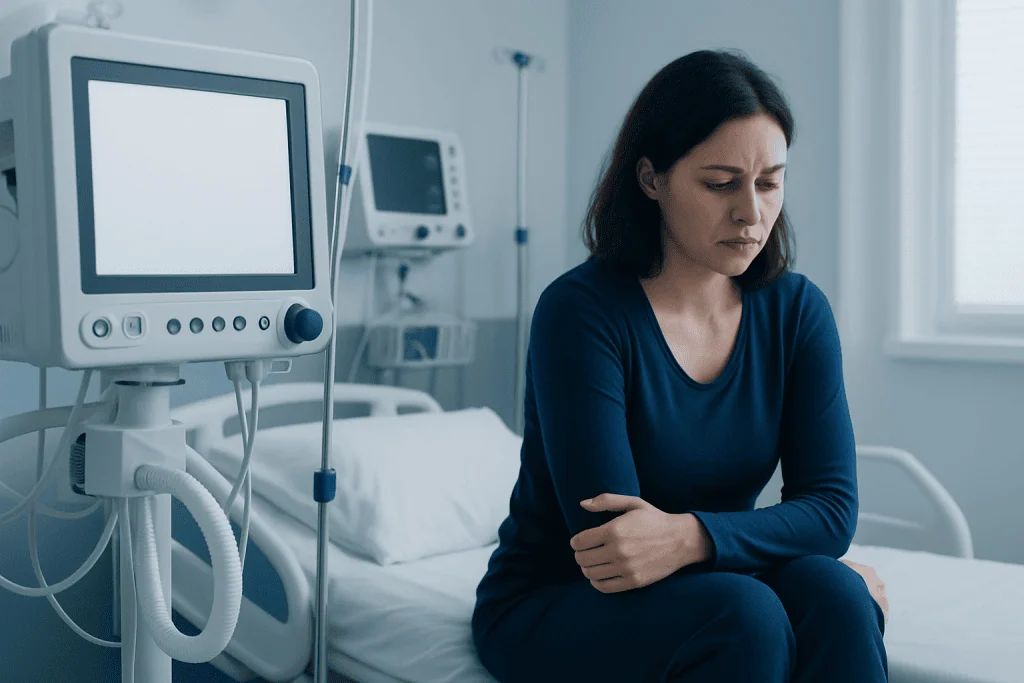
Monophobia can cause both psychological and physical symptoms. The emotional experience often includes intense dread, a sense of vulnerability, or persistent worry about being unable to cope alone. Some people describe a feeling of impending danger even when they know rationally that they are safe.
Physical symptoms may resemble a panic response. These can include a fast heartbeat, sweating, shaking, chest tightness, shortness of breath, dizziness, nausea, or a strong urge to escape the situation. Symptoms may start before the person is alone, especially if they are anticipating separation.
Common patterns include:
- Fear that a medical emergency, accident, or intruder event will occur when no one is present
- Difficulty sleeping alone or staying in a room by oneself
- Repeated checking, calling, or texting for reassurance
- Avoiding travel, errands, or social activities unless accompanied
- Strong distress when a partner or family member leaves
- Panic attacks or near-panic episodes triggered by solitude
Symptoms can vary in intensity. Some people function relatively well in structured daytime settings but struggle at night or at home. Others may have broader anxiety symptoms, including features that overlap with panic attacks or other phobic conditions.
Causes and Risk Factors

There is no single cause of monophobia. Like many anxiety-related conditions, it usually develops through a combination of biological, psychological, and environmental factors. A person may have an inherited tendency toward anxiety, heightened sensitivity to stress, or certain personality traits that increase vulnerability.
Life experiences can also play an important role. Previous trauma, frightening periods of abandonment or neglect, a sudden loss, a serious illness, or a past emergency while alone may shape the fear response. In some cases, the condition develops gradually after repeated anxious thoughts about safety and helplessness.
Monophobia may occur on its own or alongside other mental health conditions. It can be associated with generalized anxiety, separation-related anxiety, depression, agoraphobia, or trauma-related symptoms. Sometimes the fear of being alone is linked to worries about having a panic episode without help nearby, rather than to solitude itself.
Risk may be higher in people who have experienced major stress, limited social security, overprotective family dynamics, or long-standing anxiety symptoms. However, having these risk factors does not mean a person will develop monophobia, and people without obvious risk factors can also experience it.
How Doctors Diagnose Monophobia
Diagnosis begins with a detailed clinical assessment. A doctor, psychologist, or psychiatrist will ask about the fear itself, when it occurs, what situations trigger it, how long it has been present, and how much it affects everyday life. The main goal is to understand whether the fear is persistent, excessive, and causing meaningful distress or avoidance.
The evaluation also considers other possible explanations. Symptoms such as shortness of breath, palpitations, dizziness, or chest discomfort can happen with anxiety, but they can also have medical causes. Depending on the person’s history, a clinician may recommend a general medical review to rule out physical conditions that can mimic anxiety symptoms.
Because monophobia can overlap with other mental health concerns, diagnosis may involve distinguishing it from separation anxiety, agoraphobia, panic disorder, depression, trauma-related disorders, or health anxiety. In some individuals, being alone is difficult because of intrusive thoughts, low mood, or concerns about safety rather than a classic isolated phobia.
A careful diagnosis matters because treatment works best when it addresses the full picture. If monophobia occurs together with depression or another anxiety condition, both issues may need attention in the care plan.
Treatment Options
Treatment for monophobia usually focuses on reducing fear, changing avoidance patterns, and building confidence in being alone safely. Psychotherapy is often the main approach. Many patients benefit from cognitive behavioral therapy, which helps identify anxious thoughts, challenge catastrophic assumptions, and gradually practice more independent behaviors.
Exposure-based techniques are commonly used within therapy. This means approaching feared situations step by step, in a planned and supported way, rather than being forced into distressing experiences. For example, treatment may begin with spending a short period alone while using coping tools, then increasing the time and complexity as confidence grows.
Other helpful elements can include relaxation training, breathing strategies, sleep support, stress management, and work on attachment or trauma themes when relevant. If symptoms are severe or part of a broader anxiety disorder, a psychiatrist may discuss psychiatric care and whether medication could be useful. Medication is not a cure for monophobia itself, but it may help manage associated anxiety or depressive symptoms in selected cases.
Treatment plans should be individualized. Some people improve with short-term therapy focused on specific fears, while others need broader support, especially if monophobia is linked with trauma, relationship stress, or longstanding anxiety patterns.
Self-care, Daily Support, and Prevention of Worsening
Self-care does not replace professional treatment, but it can make symptoms more manageable and support recovery. A helpful first step is recognizing the pattern of fear and avoidance without self-judgment. Keeping a simple record of triggers, thoughts, body sensations, and responses can make it easier to discuss symptoms with a clinician and notice gradual progress.
Practical strategies may include creating a predictable routine, improving sleep habits, limiting excess caffeine if it worsens anxiety, and practicing calm breathing or grounding techniques. Some people benefit from setting small, realistic goals for spending time alone safely, such as remaining in one room independently for a few minutes and increasing from there.
Support from trusted family or friends can be valuable when it encourages independence rather than reinforcing avoidance. Loved ones can help by staying calm, avoiding repeated reassurance when possible, and supporting therapy goals. In some cases, structured psychological counseling can help the person and family understand how to respond in ways that reduce fear over time.
There is no guaranteed way to prevent monophobia, but early attention to anxiety symptoms may stop them from becoming more disruptive. Seeking help when fear begins to limit daily life is often easier than waiting until routines become very restricted.
When to Seek Medical Care
Medical care is appropriate when fear of being alone causes regular distress, avoidance, panic-like symptoms, or dependence on constant companionship. It is especially important to seek help if the symptoms interfere with work, education, family life, sleep, travel, or basic daily tasks.
Prompt evaluation is also wise if symptoms start suddenly, become much more intense, or occur alongside low mood, hopelessness, trauma symptoms, substance misuse, or thoughts of self-harm. Urgent medical attention is needed for chest pain, fainting, severe breathing difficulty, or any symptom that could reflect a medical emergency rather than anxiety.
Assessment can begin with a primary care doctor, psychologist, or psychiatrist. In more complex situations, a multidisciplinary team may be helpful. Acibadem International’s multidisciplinary specialists and JCI-accredited hospitals evaluate and treat anxiety-related conditions for international patients when expert assessment is needed.
Seeking care is not a sign of weakness. Early support can reduce suffering, prevent the fear from narrowing daily life, and help restore a greater sense of safety and independence.
Frequently asked questions
Is monophobia a real medical condition?
Yes. Monophobia is used to describe an intense fear of being alone that can cause significant distress and avoidance. While terminology may vary in clinical practice, the symptoms are recognized within anxiety- and phobia-related conditions and can be assessed by a qualified professional.
What is the difference between monophobia and simply not liking to be alone?
Many people prefer company, especially during stressful times, and that alone is not a disorder. Monophobia involves fear that is much stronger than the situation warrants, is hard to control, and begins to interfere with normal daily activities or independence.
Can monophobia cause panic attacks?
Yes, it can. Some people experience panic attacks or panic-like symptoms such as a racing heart, dizziness, shaking, and shortness of breath when they are alone or expect to be alone. A clinician can help determine whether the symptoms are part of monophobia, panic disorder, or another condition.
How is monophobia treated?
Treatment usually includes psychotherapy, especially cognitive behavioral therapy and gradual exposure-based work. If there are related conditions such as depression or broader anxiety, medication or more comprehensive psychiatric care may also be considered.
Can monophobia go away on its own?
Mild fears may improve with time, support, and better stress management, but persistent monophobia often continues if it is reinforced by avoidance. Professional help can shorten this cycle and provide safer, more effective ways to build confidence.
Should family members provide constant reassurance?
Support is helpful, but constant reassurance can sometimes maintain the fear over time. Families can play an important role by being understanding, encouraging treatment, and supporting gradual independence rather than repeatedly removing all anxiety triggers.
This article is for general information only and is not a substitute for professional medical advice. Please consult a qualified doctor about your individual situation.
Explore treatments in Turkey — costs, top hospitals & a free quote
JCI-accredited · board-certified surgeons · reply within 24h
Add us as a Preferred Source to see more of our trusted health content across Google Search, AI Overviews and Discover.

More from the Health Library

Cherry Plums: An Evidence-Based Guide for Patients

Congenital Hypothyroidism: A Complete Medical Overview

Keloid Nose Piercing: A Complete Medical Overview

External Rotation: What Patients Need to Know

Wet Vagina: An Evidence-Based Guide for Patients