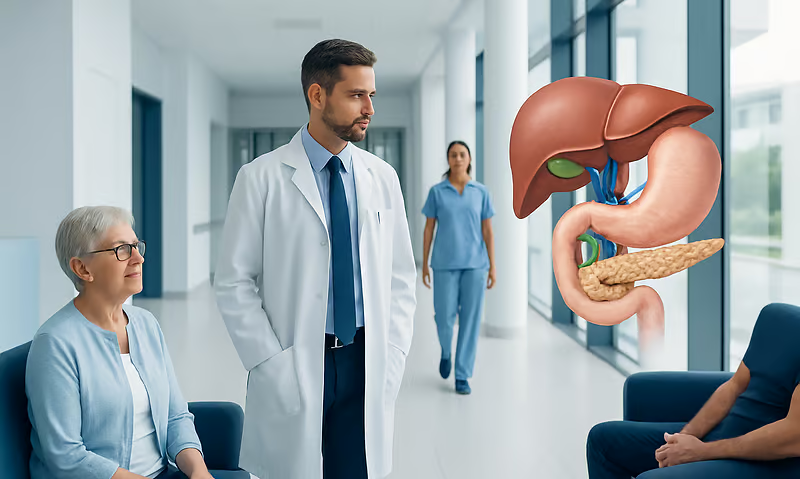
Most Prominent Cancers: Diagnosis, Outlook, and Modern Treatment Approaches

The most prominent cancers are those diagnosed most often in the population, but frequency varies by age, sex, family history, and region. Cancer symptoms can be vague at first, so persistent changes such as unexplained weight loss, bleeding, a new lump, or long-lasting cough should be assessed.
Key Takeaways
- The most prominent cancers are those diagnosed most often in the population, but frequency varies by age, sex, family history, and region.
- Cancer symptoms can be vague at first, so persistent changes such as unexplained weight loss, bleeding, a new lump, or long-lasting cough should be assessed.
- Diagnosis usually combines imaging, laboratory tests, and biopsy, followed by staging to guide treatment.
- Modern treatment may include surgery, chemotherapy, radiation therapy, targeted therapy, immunotherapy, hormone therapy, or a combination.
- Screening, avoiding tobacco, maintaining a healthy lifestyle, and keeping follow-up appointments can support prevention and earlier detection.
The most prominent cancers generally include breast, lung, prostate, colorectal, and skin cancers, along with several other frequently diagnosed types worldwide. Their outlook varies widely, but earlier diagnosis, accurate staging, and modern treatment planning have improved care for many people.
Overview: What Are the Most Prominent Cancers?
The term most prominent cancers usually refers to cancers that are diagnosed most often and have the greatest impact on public health. In many countries, these commonly include breast cancer, lung cancer, prostate cancer, colorectal cancer, and skin cancer. Other frequent types may include cervical cancer, stomach cancer, liver cancer, thyroid cancer, and blood cancers such as leukemia or lymphoma, depending on the population being considered.
“Prominent” does not always mean the same as “most dangerous.” Some cancers are very common but often found early and treated successfully, while others are less common but more aggressive. A person’s outlook depends on the exact cancer type, its stage, its molecular features, and overall health rather than the name of the cancer alone.
Modern cancer care is increasingly personalized. Doctors now combine imaging, pathology, and sometimes genetic or biomarker testing to understand how a tumor behaves and which treatments are most likely to help. This has improved treatment planning and, for many patients, widened the range of available options.
Common Types and How They May Present
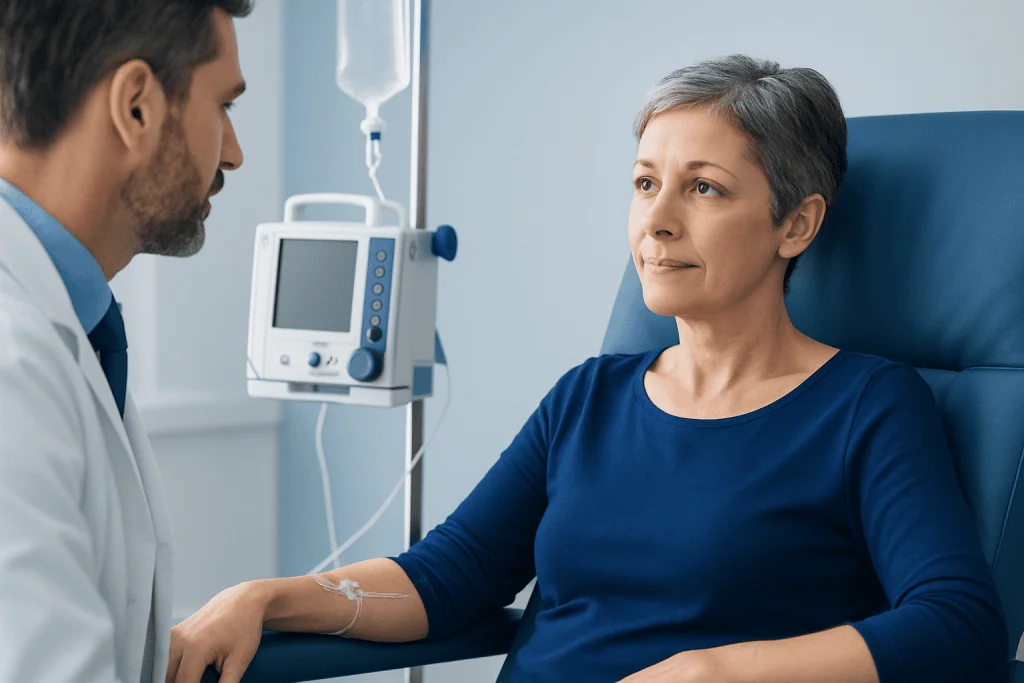
Each common cancer tends to have its own pattern of symptoms, although some people have no symptoms in the early stages. Breast cancer may present as a new breast lump, skin changes, nipple discharge, or changes in breast shape. Lung cancer may cause a persistent cough, coughing up blood, chest pain, or shortness of breath. Prostate cancer may cause urinary symptoms, though early disease is often silent.
Colorectal cancer may lead to a change in bowel habits, rectal bleeding, abdominal discomfort, or iron-deficiency anemia. Skin cancer can appear as a new or changing mole, a sore that does not heal, or a lesion that bleeds or crusts. Some blood cancers may cause tiredness, frequent infections, enlarged lymph nodes, or easy bruising.
Because these symptoms can also be caused by non-cancerous conditions, they do not confirm cancer by themselves. Even so, persistent or unusual symptoms should not be ignored. A timely medical evaluation helps clarify the cause and, if cancer is present, increases the chance of early diagnosis.
- Breast: lump, skin dimpling, nipple changes
- Lung: long-lasting cough, breathlessness, chest discomfort
- Prostate: urinary difficulty, weak stream, frequent urination
- Colorectal: bleeding, bowel habit changes, unexplained anemia
- Skin: changing mole, non-healing sore, bleeding lesion
Why These Cancers Develop: Causes and Risk Factors
Cancer begins when cells develop changes in their DNA that allow them to grow uncontrollably. These changes can happen over time because of aging, environmental exposures, inherited risk, chronic inflammation, or random errors in cell division. Most cancers do not come from one single cause; instead, they result from a combination of factors.
Some risk factors are shared across many of the most prominent cancers. Tobacco use is strongly linked with lung cancer and several others. Excess body weight, low physical activity, heavy alcohol use, poor diet, excessive sun exposure, and certain infections can also raise risk. Family history may increase the chance of breast, ovarian, colorectal, prostate, and some other cancers, particularly when inherited gene variants are involved.
Risk factors increase the likelihood of cancer, but they do not mean a person will definitely develop it. Likewise, some people with cancer have no clear risk factors. This is why prevention, screening, and attention to symptoms remain important even for those who consider themselves otherwise healthy.
How Doctors Diagnose and Stage Cancer
Cancer diagnosis usually starts with a medical history and physical examination, followed by tests chosen according to symptoms and the suspected site of disease. Imaging may include ultrasound, mammography, CT, MRI, PET-CT, or endoscopy-based tests. Blood tests can support the evaluation but usually do not diagnose a solid tumor on their own.
In most cases, a biopsy is needed to confirm cancer. A pathologist examines a tissue sample under the microscope to identify the cancer type and grade. Many tumors are also tested for hormone receptors, protein markers, or genetic changes that can influence treatment decisions.
Once cancer is confirmed, doctors determine the stage, which describes how far it has spread. Staging may consider tumor size, lymph node involvement, and whether there are distant metastases. Accurate staging helps estimate outlook and guides decisions about surgery, radiation, systemic therapy, or combined treatment. For patients being evaluated for advanced or complex disease, tests such as PET-CT imaging may be used as part of staging and treatment planning.
Modern Treatment Approaches
Treatment for the most prominent cancers depends on the cancer type, stage, growth rate, biomarkers, and the patient’s overall condition and preferences. The main approaches include surgery, radiation therapy, chemotherapy, targeted therapy, immunotherapy, and hormone therapy. Many patients receive a combination rather than a single treatment.
Surgery is often used when the cancer is localized and can be removed safely. Radiation therapy uses high-energy beams to destroy cancer cells and may be used alone or after surgery. Radiation oncology plays an important role in many common cancers, including breast, prostate, lung, and colorectal cancers.
Chemotherapy circulates through the body to treat cancer cells that may have spread beyond the original site. Chemotherapy may be given before surgery to shrink a tumor, after surgery to reduce recurrence risk, or for advanced disease. Targeted therapy and immunotherapy have expanded options for selected cancers by focusing on specific molecular features or by helping the immune system recognize tumor cells.
For hormone-sensitive cancers such as some breast and prostate cancers, hormone therapy may be an important part of care. Treatment is usually planned by a multidisciplinary team that may include medical oncologists, surgeons, radiation oncologists, radiologists, pathologists, and supportive care specialists. In some situations, patients may also benefit from care pathways related to breast cancer or lung cancer depending on the diagnosis.
Outlook, Survival, and Living With Cancer
The outlook for cancer is highly individual. Some of the most prominent cancers have very good outcomes when diagnosed early, while others may be more difficult to treat if discovered at a later stage. In general, earlier-stage disease, lower tumor burden, favorable biology, and a good response to treatment are associated with better outcomes.
Outlook is not measured by stage alone. Doctors also consider tumor grade, molecular markers, treatment response, age, and other health conditions. For this reason, two people with the same type of cancer may have different treatment plans and different expectations for recovery or long-term control.
Living with cancer often involves more than medical treatment. Patients may need support for fatigue, pain, nutrition, emotional wellbeing, fertility concerns, work, or daily routines. Follow-up care is also important after treatment to watch for recurrence, manage side effects, and support overall health. Near the end of the care pathway, some patients choose to seek evaluation at centers such as Acibadem International, where multidisciplinary specialists in JCI-accredited hospitals diagnose and treat cancer for international patients.
Prevention, Screening, and Self-Care
Not all cancers can be prevented, but risk can often be reduced. Avoiding tobacco is one of the most important steps. Other helpful measures include maintaining a healthy body weight, staying physically active, limiting alcohol, protecting the skin from ultraviolet exposure, and keeping up with vaccinations where recommended, such as those related to cancer prevention.
Screening is especially important because some of the most prominent cancers can be found before symptoms begin. Depending on age, sex, personal risk, and family history, doctors may recommend mammography, cervical screening, colorectal screening, skin checks, or discussions about lung or prostate screening. Screening should be individualized rather than copied from another person’s plan.
Self-care during and after treatment includes taking medicines as prescribed, eating a balanced diet as tolerated, resting when needed, and reporting new symptoms promptly. Emotional support also matters. Speaking with a care team, counselor, or support group can help patients and families manage uncertainty and make informed choices.
When to Seek Medical Care
A person should seek medical care if they notice a symptom that is new, unexplained, or persistent. Examples include a lump, unexplained weight loss, long-lasting fatigue, ongoing pain, abnormal bleeding, a changing mole, trouble swallowing, or a cough that does not improve. These signs do not always mean cancer, but they deserve assessment.
Prompt care is especially important if symptoms are worsening, interfering with daily life, or associated with warning signs such as coughing up blood, black stools, severe shortness of breath, or sudden neurological symptoms. People with a strong family history of cancer or a known inherited risk should also discuss personalized screening and prevention with a doctor, even if they feel well.
If cancer is suspected or confirmed, early referral to the appropriate specialist can help shorten the time to diagnosis and treatment planning. Asking questions about the cancer type, stage, test results, treatment goals, and possible side effects can help patients take an active role in decisions about care.
Frequently asked questions
What are considered the most prominent cancers?
The most prominent cancers are usually the types diagnosed most often in the population. Common examples include breast, lung, prostate, colorectal, and skin cancers, although this can vary by country, age group, and sex.
Are the most common cancers always the most serious?
Not necessarily. Some common cancers are often found early and may respond well to treatment, while some less common cancers can behave more aggressively. The stage, biology, and treatment response usually matter more than frequency alone.
How is cancer usually confirmed?
A suspected cancer is usually evaluated with imaging and other tests, but confirmation typically requires a biopsy. The tissue sample allows doctors to identify the exact cancer type and perform additional marker or genetic testing when needed.
Can cancer be present without symptoms?
Yes. Many cancers cause no symptoms in the early stages, which is one reason screening is so valuable. Regular screening and attention to risk factors can help detect disease before it becomes advanced.
What are the main treatment options for common cancers?
Treatment may include surgery, radiation therapy, chemotherapy, targeted therapy, immunotherapy, hormone therapy, or a combination of these approaches. The best plan depends on the cancer type, stage, molecular features, and the person's overall health.
Does an early diagnosis improve cancer outlook?
In many cases, yes. Earlier diagnosis often means the cancer is smaller, less spread, and more treatable. However, outlook still depends on the specific type of cancer and how it behaves biologically.
References
- World Health Organization
- National Cancer Institute
- American Cancer Society
- Centers for Disease Control and Prevention
- International Agency for Research on Cancer
This article is for general information only and is not a substitute for professional medical advice. Please consult a qualified doctor about your individual situation.
Oncology care in Turkey — second opinion and treatment plan
JCI-accredited · board-certified surgeons · reply within 24h
Add us as a Preferred Source to see more of our trusted health content across Google Search, AI Overviews and Discover.