Mouth — Explained by Medical Evidence, Not Myths

The mouth includes the lips, tongue, gums, teeth, palate, salivary glands, and inner lining. Common mouth symptoms include pain, dryness, sores, bleeding gums, bad breath, and swallowing difficulty.
Key Takeaways
- The mouth includes the lips, tongue, gums, teeth, palate, salivary glands, and inner lining.
- Common mouth symptoms include pain, dryness, sores, bleeding gums, bad breath, and swallowing difficulty.
- Many mouth problems are minor and treatable, but persistent sores, lumps, or unexplained bleeding need professional evaluation.
- Good oral hygiene, hydration, tobacco avoidance, and regular dental care are central to prevention.
- Mouth symptoms can reflect local issues such as infection or injury, or broader health conditions like diabetes, reflux, or immune disorders.
The mouth is more than teeth and lips: it helps with eating, speaking, breathing, taste, and early immune defense. Understanding how the mouth works and what symptoms matter can help people protect oral health and know when medical or dental care is appropriate.
What the Mouth Does and Why It Matters
The mouth is the entry point to the digestive and respiratory systems and plays a central role in daily life. It helps a person chew food, begin digestion, speak clearly, taste flavors, and support facial expression. Saliva in the mouth also helps protect tissues, wash away food particles, and limit the growth of harmful microbes.
From a medical perspective, the mouth includes the lips, cheeks, tongue, teeth, gums, hard and soft palate, floor of the mouth, tonsillar area, and the lining known as the oral mucosa. Salivary glands inside and around the mouth produce moisture that makes swallowing and speaking easier. Because these tissues are delicate and active, they can be affected by infection, dryness, injury, inflammation, and chronic disease.
The mouth can also provide early clues about overall health. Nutritional deficiencies, dehydration, some autoimmune conditions, infections, and medication side effects may first appear as changes in the mouth. For that reason, mouth symptoms should not be dismissed if they persist, return often, or interfere with eating, speaking, or comfort.
Common Mouth Symptoms

Mouth symptoms vary widely. Some are temporary and related to a minor irritation, while others may point to a dental, medical, or throat problem that needs attention. A symptom is more meaningful when it lasts longer than expected, gets worse, or appears together with fever, weight loss, trouble swallowing, or neck swelling.
Common symptoms include soreness, burning, dry mouth, bad breath, tooth sensitivity, swollen gums, ulcers, white or red patches, a coated tongue, cracking at the corners of the lips, bleeding, or a change in taste. Some people notice jaw pain, clicking, or difficulty opening the mouth. Others may feel a lump under the tongue, on the gum, or inside the cheek.
Symptoms can also overlap with nearby conditions. For example, recurrent throat irritation may be related to infection, acid reflux, or postnasal drainage. In some cases, mouth discomfort occurs together with tonsillitis or inflammation of the pharynx. Changes in the mouth that do not heal within two weeks deserve professional evaluation.
- Pain with chewing or swallowing
- Mouth sores or ulcers
- Bleeding gums
- Dry mouth or thick saliva
- Persistent bad breath
- White, red, or dark patches
- Lumps, swelling, or numbness
Why Mouth Problems Happen
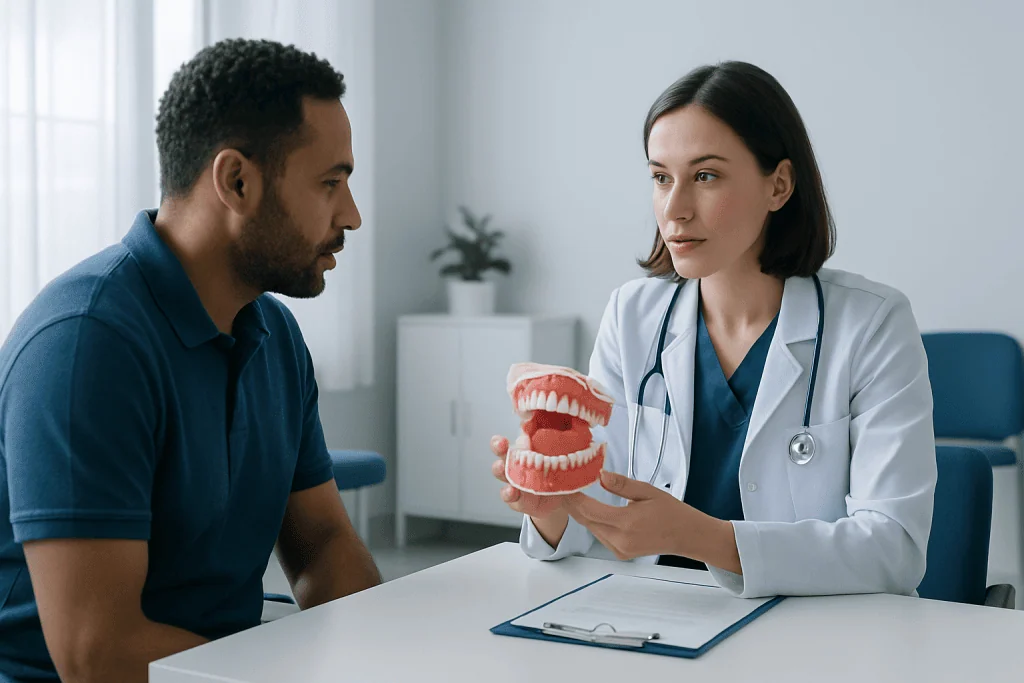
Mouth problems often arise from a combination of local irritation and wider health factors. Common local causes include poor oral hygiene, plaque buildup, tooth decay, gum disease, accidental biting, burns from hot foods, ill-fitting dental appliances, and infections caused by viruses, bacteria, or fungi. Smoking and alcohol can irritate the oral lining and increase the risk of more serious disease.
Dry mouth is another major factor. Saliva protects tissues and helps keep the mouth balanced, so reduced saliva can lead to soreness, more cavities, trouble swallowing, and infections. Dry mouth may result from dehydration, mouth breathing, anxiety, some medications, radiation treatment to the head and neck, or conditions affecting salivary gland function.
Systemic health also matters. Diabetes, immune suppression, iron or vitamin deficiencies, hormonal changes, gastrointestinal reflux, and autoimmune diseases can all affect the mouth. In some people, symptoms are linked to grinding or clenching the teeth, which may strain the jaw muscles and temporomandibular joint. If a clinician suspects a structural or inflammatory issue involving the mouth and throat, further ENT or dental assessment may be recommended.
How Doctors and Dentists Evaluate the Mouth
Assessment begins with a careful history. A clinician will usually ask when the symptoms started, whether they come and go, what makes them better or worse, and whether there are associated problems such as fever, tooth pain, dry eyes, reflux, skin changes, or recent medication use. Tobacco and alcohol history, denture use, and oral hygiene habits are also important.
The examination usually includes the lips, gums, teeth, tongue, inner cheeks, roof and floor of the mouth, throat, and nearby lymph nodes in the neck. The healthcare professional may check for ulcers, plaque, swelling, signs of infection, suspicious patches, jaw tenderness, or reduced saliva. Depending on the concern, evaluation may involve a dentist, primary care doctor, ENT specialist, dermatologist, or oral medicine specialist.
Tests are not always needed, but they may include dental X-rays, swabs for infection, blood tests for nutritional or immune causes, or imaging when a deeper issue is suspected. A persistent lump, ulcer, or unexplained patch may need biopsy to identify the cause. If swallowing symptoms or throat findings are present, endoscopic evaluation may be useful, sometimes alongside endoscopy or specialist examination of the upper digestive tract.
Treatment Depends on the Cause
There is no single treatment for every mouth problem because the best approach depends on the underlying cause. Minor traumatic ulcers may improve with time, gentle oral care, and avoiding irritating foods. Bacterial, viral, or fungal infections may need targeted treatment. Tooth decay and gum disease require dental treatment, cleaning, or restorative care. If a medicine is contributing to dry mouth, a doctor may review options.
Supportive care often helps regardless of the cause. This can include good hydration, careful brushing and flossing, alcohol-free mouth rinses when appropriate, avoiding tobacco, reducing very spicy or acidic foods if they trigger pain, and managing reflux if present. People with frequent dryness may benefit from saliva-supporting strategies suggested by a clinician or dentist.
When symptoms involve nearby structures, treatment may extend beyond the oral cavity itself. For example, persistent swallowing difficulty, throat pain, or voice changes may need ENT review. In selected cases, doctors may investigate related digestive or upper airway conditions such as reflux. If a growth or suspicious lesion is found, management may include biopsy, surgery, or referral to a multidisciplinary team.
For international patients who need coordinated evaluation, Acibadem International’s multidisciplinary specialists and JCI-accredited hospitals diagnose and treat conditions affecting the mouth, teeth, throat, and related structures.
Prevention and Everyday Mouth Care
Healthy mouth care is based on simple daily habits. Regular brushing with fluoride toothpaste, cleaning between the teeth, staying hydrated, and attending routine dental checkups help prevent many common problems. Dentures, retainers, and mouth guards should be cleaned as instructed and checked if they no longer fit well.
Diet also matters. Frequent sugary snacks and drinks can increase the risk of cavities, while alcohol and tobacco can damage oral tissues over time. Choosing a balanced diet with adequate vitamins and minerals supports the lining of the mouth and gum health. People who breathe through the mouth, snore, or wake with dryness may want to discuss contributing causes with a clinician.
Prevention also includes attention to warning signs. A sore that does not heal, a patch that changes color, repeated bleeding, or new difficulty swallowing should not be self-treated indefinitely. In some cases, persistent infections or structural symptoms may require a closer look with ENT examination or, if dental causes are suspected, professional oral and gum care. Addressing problems early often makes treatment simpler and more comfortable.
When to Seek Medical Care
Many mild mouth problems improve within days, especially when caused by minor trauma or temporary irritation. However, professional advice is important if symptoms last longer than two weeks, keep returning, or interfere with eating, drinking, swallowing, sleep, or speaking. Ongoing mouth pain, repeated ulcers, or severe dryness are also reasons to arrange an evaluation.
Urgent medical or dental care is appropriate for rapid swelling, significant bleeding, difficulty breathing, inability to swallow fluids, high fever, severe facial pain, or signs of spreading infection. A persistent lump, numbness, or a white or red patch should be assessed even if it is not painful. These findings are not always serious, but they should be examined so the cause can be identified.
Children, older adults, people with diabetes, and those with weakened immune systems may need earlier evaluation because infections and dehydration can affect them more quickly. When symptoms involve both the mouth and nearby areas such as the throat or sinuses, doctors may also assess related conditions and recommend appropriate specialist care.
Frequently asked questions
What is the mouth medically made up of?
Medically, the mouth includes the lips, tongue, gums, teeth, inner cheeks, palate, floor of the mouth, and oral lining. It also works closely with the salivary glands and the throat to support chewing, swallowing, speech, and taste.
Why does the mouth get dry?
Dry mouth can happen when saliva production is reduced or when a person loses moisture through dehydration or mouth breathing. Common triggers include some medications, anxiety, aging, smoking, radiation treatment, and certain medical conditions. Persistent dryness should be discussed with a clinician or dentist.
Are mouth ulcers usually serious?
Most mouth ulcers are not serious and may be caused by minor injury, stress, irritation, or common inflammatory conditions. However, an ulcer that lasts more than two weeks, grows, bleeds, or keeps returning should be evaluated to rule out infection, immune causes, or other disease.
Can mouth symptoms be related to overall health?
Yes. The mouth can reflect broader health issues such as diabetes, nutritional deficiencies, autoimmune disease, reflux, or immune suppression. Because of this, a doctor may ask about general symptoms and sometimes order blood tests or other evaluations.
When should someone worry about a lump or patch in the mouth?
A new lump, persistent swelling, numb area, or a white or red patch should be checked if it does not go away promptly or is getting worse. These changes may be harmless, but they need professional assessment because some causes require early treatment.
Who should evaluate mouth problems: a doctor or a dentist?
It depends on the symptom. Dentists are often the right first contact for tooth, gum, bite, and many oral lining problems, while doctors or ENT specialists may be needed for fever, throat symptoms, lumps, swallowing trouble, or suspected systemic disease. Sometimes both dental and medical evaluation are helpful.
References
- World Health Organization
- National Institute of Dental and Craniofacial Research
- American Dental Association
- Centers for Disease Control and Prevention
- Mayo Clinic
This article is for general information only and is not a substitute for professional medical advice. Please consult a qualified doctor about your individual situation.
Explore treatments in Turkey — costs, top hospitals & a free quote
JCI-accredited · board-certified surgeons · reply within 24h
Add us as a Preferred Source to see more of our trusted health content across Google Search, AI Overviews and Discover.

More from the Health Library



Related Specialists

Prof. Dr. Bahattin Çiçek
Gastroenterology
Assoc. Prof. Dr. Engin Çelik
Gynecology & Obstetrics
Dr. Hande Simten Demirel Kaya
Anesthesiology
Dr. Abdurrahman Yaycı
Anesthesiology