Mouth Syphilis Sores — Explained by Medical Evidence, Not Myths
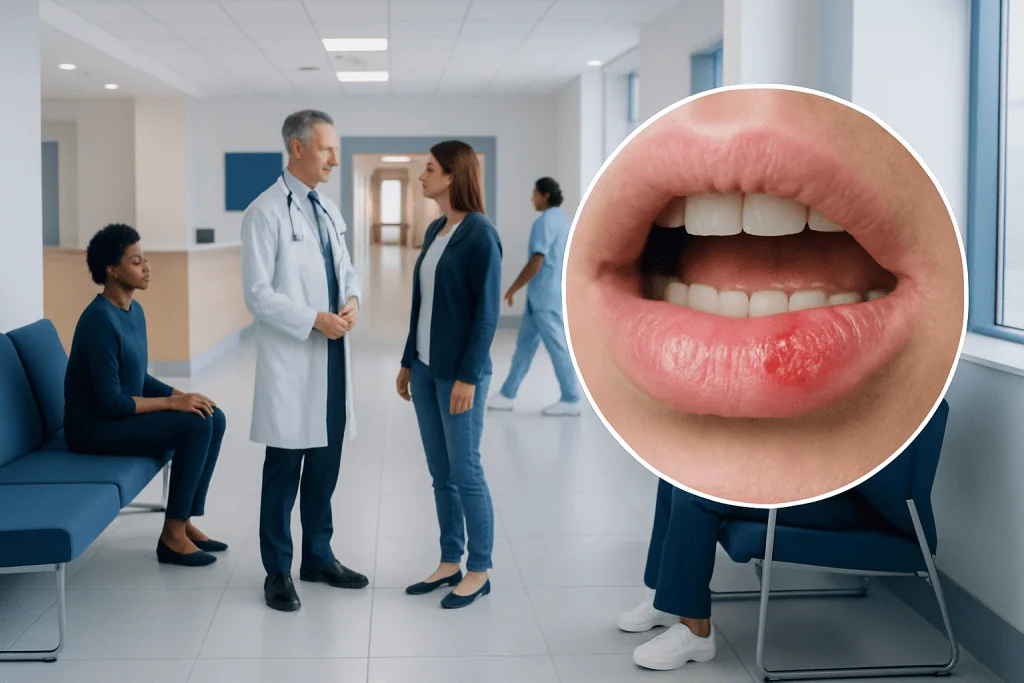
Syphilis can affect the lips, tongue, gums, throat, palate, or inside of the cheeks after oral sexual contact. A single painless mouth ulcer may occur early in infection, while multiple pale patches or ulcers can occur later.
Key Takeaways
- Syphilis can affect the lips, tongue, gums, throat, palate, or inside of the cheeks after oral sexual contact.
- A single painless mouth ulcer may occur early in infection, while multiple pale patches or ulcers can occur later.
- Mouth sores have many possible causes, so an examination and blood testing are needed to diagnose syphilis.
- Syphilis is curable with prescribed antibiotics, but treatment should not be delayed while waiting for a sore to heal.
- Sexual partners may need testing and treatment, and avoiding sexual contact until a clinician advises otherwise helps prevent spread.
Mouth syphilis sores are oral changes caused by syphilis, a bacterial sexually transmitted infection. They may be painless and easy to overlook, but testing and timely antibiotic treatment can cure the infection and help prevent complications and transmission.
Overview: What Are Mouth Syphilis Sores?
Mouth syphilis sores are changes in the mouth or throat caused by Treponema pallidum, the bacterium responsible for syphilis. Infection can be passed through direct contact with a syphilis sore during vaginal, anal, or oral sex. Because oral sores may be painless, small, or located in less visible areas such as the back of the throat, a person may not notice them.
In early syphilis, an oral lesion is often a firm, round or oval ulcer called a chancre. It commonly has a clean base and may not hurt. In the secondary stage, sores may appear as shallow ulcers or grayish-white, raised patches called mucous patches. These changes can be highly infectious, even if they cause little discomfort.
It is not possible to identify syphilis reliably by appearance alone. Canker sores, cold sores, dental irritation, fungal infections, inflammatory conditions, and, less commonly, cancer can also cause mouth ulcers or patches. A healthcare professional can assess the lesion, discuss possible exposure, and arrange the appropriate tests.
How Oral Syphilis Can Look and Feel
The appearance of mouth syphilis sores can vary with the stage of infection and the site affected. A primary syphilis sore may develop on the lip, tongue, gum, tonsil, palate, or inner cheek. It may be one ulcer rather than a cluster of blisters, and nearby lymph nodes in the neck or under the jaw can become enlarged.
During secondary syphilis, a person may develop several lesions in the mouth. Mucous patches can look white, gray, or silvery and may merge into broader, irregular areas. There may also be a sore throat, hoarseness, fever, fatigue, swollen lymph nodes, headaches, muscle aches, or a non-itchy rash elsewhere on the body, including on the palms of the hands or soles of the feet.
Symptoms may disappear without treatment, particularly after the first sore. This does not mean the infection has gone away. Syphilis can enter a latent phase without noticeable symptoms and can still lead to serious health problems over time if it is not treated.
- A painless ulcer or unexplained patch in the mouth can be a possible sign.
- A painful mouth sore is still worth checking, but pain alone does not confirm or exclude syphilis.
- Oral symptoms may occur with genital, anal, or skin symptoms, but they can also occur on their own.
How Syphilis Reaches the Mouth
Syphilis spreads through direct skin-to-skin or mucous-membrane contact with an infectious sore. Oral sex can transmit syphilis from the genitals or anus to the mouth, or from a mouth sore to a partner’s genitals, anus, or mouth. Kissing may also carry a risk if there is direct contact with an active syphilis lesion in or around the mouth, although sexual contact is the more common route of transmission.
A person can acquire syphilis without realizing that a partner has an infection. Sores may be hidden inside the mouth, vagina, rectum, or under the foreskin, and they often do not cause pain. Condoms and dental dams reduce risk, but they may not cover every area that could have contact with a sore.
Syphilis is not spread through casual contact such as sharing food, using the same toilet seat, hugging, or touching objects. The infection is also not caused by poor oral hygiene. However, good dental care is useful because it can make it easier to notice a new ulcer, patch, or other mouth change that should be assessed.
Diagnosis: Why Testing Matters
A clinician will ask about symptoms, recent sexual contact, prior testing, and any history of syphilis treatment. They may examine the mouth, skin, genitals, and lymph nodes. Open and nonjudgmental discussion is important: it helps ensure that the right tests and treatment are offered.
Blood tests are the main way to diagnose syphilis. Testing usually includes a screening test and a second test to confirm the diagnosis and help guide follow-up. If an active oral sore is present, a clinician may sometimes take a sample from it for direct testing, depending on local laboratory availability.
Testing for other sexually transmitted infections, including HIV, gonorrhea, and chlamydia, may also be recommended. This is routine preventive care because more than one infection can be present at the same time, and oral exposure may require throat-specific testing for certain infections.
Early blood tests can occasionally be negative soon after exposure. If symptoms or a possible exposure are recent, a clinician may advise repeat testing after an appropriate interval. A sore that persists, returns, bleeds, or has no clear explanation should be evaluated even when initial syphilis tests are negative.
Treatment and Follow-Up
Syphilis is curable with antibiotics prescribed by a qualified clinician. The most appropriate medicine and treatment schedule depend on the stage of infection, previous treatment, allergies, pregnancy status, and whether there are signs involving the nervous system, eyes, or ears. Injectable penicillin is the preferred treatment in many situations, including during pregnancy.
It is important to complete treatment exactly as prescribed and attend recommended follow-up blood tests. These tests check that the body’s response to treatment is progressing as expected. The mouth sore may heal before follow-up is complete, but follow-up still matters because symptom improvement alone cannot confirm that infection has been adequately treated.
Some people develop temporary fever, chills, headache, or muscle aches within the first day after treatment. This is called a Jarisch-Herxheimer reaction and reflects the body’s response as bacteria are cleared. It is usually short-lived, but anyone who is pregnant or feels severely unwell should contact their healthcare team promptly.
Recent sexual partners should be informed so they can obtain confidential testing and, when indicated, treatment. A clinician can explain which partners may need assessment based on the stage of syphilis and timing of contact. Sexual activity should be avoided until treatment has been completed, sores have healed, and a clinician confirms it is safe to resume.
Protecting Oral and Sexual Health
Barrier methods can lower the risk of syphilis and other sexually transmitted infections. Condoms can be used for oral sex on a penis, while dental dams or a cut-open condom can provide a barrier for oral-vaginal or oral-anal contact. They reduce exposure but cannot fully prevent transmission if an infectious sore is outside the covered area.
Regular sexual health screening is especially helpful for people with new or multiple partners, partners of unknown testing status, or a prior sexually transmitted infection. The best testing interval is individual, so a sexual health clinician can recommend a plan based on a person’s circumstances and the types of contact they have.
Avoiding oral sex, kissing, or direct contact with a visible mouth, genital, or anal sore until it has been medically assessed is a sensible precaution. It is also helpful to avoid sharing sex toys unless they are cleaned and covered with a new condom between partners. These steps support prevention without stigma: syphilis is an infection that can affect people of any gender, orientation, or relationship status.
For international patients, Acibadem International’s multidisciplinary specialists and JCI-accredited hospitals can provide assessment, testing, and treatment planning for sexually transmitted infections, including syphilis.
When to Seek Medical Care
Medical care should be sought promptly for a new or unexplained mouth ulcer, white or gray patch, lump, or sore throat after oral sexual contact, particularly if the change is painless or accompanied by swollen glands, a body rash, fever, or genital or anal sores. Early assessment allows testing and treatment before the infection is passed to others.
Urgent medical advice is needed for changes in vision, eye pain or redness, hearing changes, severe headache, neck stiffness, confusion, weakness, or difficulty walking. These symptoms have many possible causes, but they require prompt evaluation because syphilis can occasionally affect the eyes, ears, or nervous system.
Pregnant people who may have been exposed to syphilis should contact an obstetric or sexual health clinician without delay. Testing and timely treatment during pregnancy are important for protecting both the pregnant person and the developing baby.
Frequently asked questions
Are mouth syphilis sores painful?
They are often painless, especially in the early stage of syphilis. However, oral syphilis can sometimes cause tenderness, a sore throat, or discomfort, particularly when multiple lesions are present. Pain cannot be used to confirm or rule out syphilis.
How soon do syphilis sores appear in the mouth?
A first syphilis sore commonly develops weeks after exposure, although the timing can vary. It may heal on its own within several weeks even without treatment. Testing is still important because the infection remains in the body if it is untreated.
Can a dentist diagnose syphilis from a mouth sore?
A dentist may recognize that a mouth lesion needs further assessment and may recommend medical or sexual health testing. However, syphilis cannot be diagnosed by appearance alone. Blood tests, and sometimes a sample from an active sore, are used to confirm the diagnosis.
Can syphilis in the mouth be cured?
Yes. Syphilis is curable with the appropriate prescribed antibiotic treatment. The medicine and follow-up plan depend on the infection stage and individual health circumstances, so treatment should be arranged through a qualified clinician.
Can oral syphilis spread through kissing?
It can spread if direct contact occurs with an active syphilis sore in or around the mouth. Many oral sores are not obvious, which is one reason testing is important after a possible exposure. Casual non-intimate contact does not spread syphilis.
Should someone with mouth syphilis sores be tested for HIV?
HIV testing is commonly recommended when syphilis is diagnosed because both infections can be acquired through sexual contact and may occur together. A clinician may also recommend testing for gonorrhea, chlamydia, and other infections based on the person’s exposure history. This is standard comprehensive sexual healthcare.
References
- Centers for Disease Control and Prevention
- World Health Organization
- National Health Service
- European Centre for Disease Prevention and Control
- Mayo Clinic
This article is for general information only and is not a substitute for professional medical advice. Please consult a qualified doctor about your individual situation.
Persistent digestive symptoms? Get evaluated in Turkey
JCI-accredited · board-certified surgeons · reply within 24h
Add us as a Preferred Source to see more of our trusted health content across Google Search, AI Overviews and Discover.

More from the Health Library

Dilostic: An Evidence-Based Guide for Patients

Spearmint Tea Benefits: What Patients Need to Know

Hypoechoic Mass: An Evidence-Based Guide for Patients

Diarrhea While Fasting: An Evidence-Based Guide for Patients
Parathyroid — Explained by Medical Evidence, Not Myths