Multiple Sclerosis: Symptoms, Causes, and Treatment Options

Multiple sclerosis affects the central nervous system and can disrupt vision, movement, sensation, and thinking. Symptoms differ from person to person and may come and go or gradually worsen over time.
Key Takeaways
- Multiple sclerosis affects the central nervous system and can disrupt vision, movement, sensation, and thinking.
- Symptoms differ from person to person and may come and go or gradually worsen over time.
- Diagnosis usually combines a neurological exam, MRI, and other tests to rule out similar conditions.
- Treatment may include medicines for relapses, long-term disease-modifying therapy, and rehabilitation.
- Healthy routines, symptom tracking, and regular follow-up can help people live well with multiple sclerosis.
Multiple sclerosis is a chronic condition in which the immune system mistakenly attacks the protective covering of nerves in the brain and spinal cord. Symptoms vary widely, but timely diagnosis, disease-modifying treatment, and rehabilitation can help manage relapses, slow disease activity, and support daily function.
Overview
Multiple sclerosis is a long-term disease of the central nervous system, which includes the brain, spinal cord, and optic nerves. In multiple sclerosis, the immune system mistakenly attacks myelin, the protective layer around nerve fibers. This can slow or block nerve signals, leading to symptoms such as numbness, weakness, blurred vision, fatigue, balance problems, or difficulty with coordination.
The condition does not look the same in every person. Some people have symptoms that come in episodes, also called relapses, followed by partial or complete recovery. Others develop more gradual changes over time. Because multiple sclerosis can affect different parts of the nervous system, symptoms and disease course can vary widely.
Although there is currently no cure, many effective treatments are available. These include medicines that reduce inflammation and lower the chance of future attacks, as well as therapies that help with walking, muscle stiffness, bladder symptoms, pain, mood changes, and fatigue. Early evaluation is important because treatment started at the right time may help protect long-term function.
How multiple sclerosis affects the body
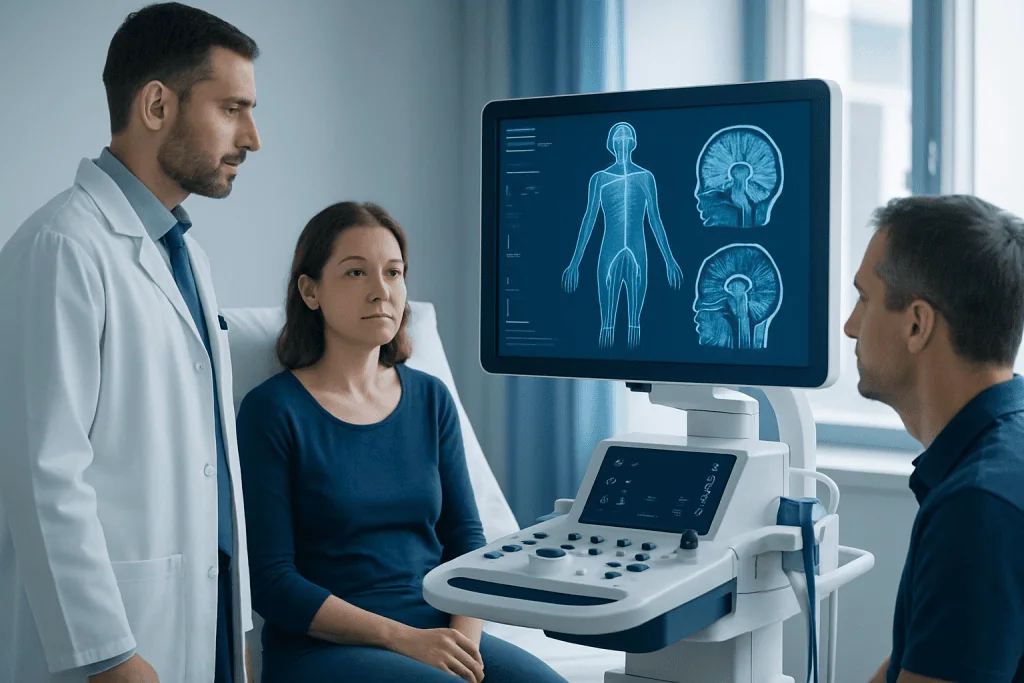
In a healthy nervous system, myelin helps messages travel quickly and smoothly along nerves. When myelin is damaged, these messages may be delayed, distorted, or interrupted. In some cases, the underlying nerve fiber can also be injured. This is why multiple sclerosis can affect movement, sensation, vision, energy levels, and thinking.
Inflammation may create small areas of damage, often called lesions or plaques, within the brain or spinal cord. The location of these lesions matters. For example, inflammation in the optic nerve may cause blurred vision or pain with eye movement, while lesions in the spinal cord may lead to numbness, weakness, stiffness, or bladder changes.
Doctors often describe several patterns of disease. Relapsing-remitting multiple sclerosis involves symptom flare-ups followed by periods of recovery. Some people later transition to a more steadily progressive pattern. Less commonly, symptoms worsen gradually from the beginning. Understanding the disease pattern helps guide treatment decisions and follow-up planning.
Symptoms

Multiple sclerosis symptoms can begin suddenly or develop gradually. Some of the earliest symptoms include numbness or tingling in an arm, leg, face, or trunk; weakness in one or more limbs; blurred or double vision; pain with eye movement; dizziness; and difficulty with balance. Fatigue is also very common and may feel out of proportion to daily activity.
Other symptoms can include muscle stiffness or spasms, trouble walking, tremor, changes in bladder or bowel control, sexual dysfunction, and neuropathic pain. Some people notice changes in concentration, memory, or processing speed. Mood changes such as anxiety or depression may also occur, either as part of the condition itself or as a response to living with a chronic illness.
Symptoms may be temporary, may improve, or may persist depending on where inflammation occurs and how much recovery takes place. Heat, fever, infections, and stress can sometimes make existing symptoms feel worse for a short time, even without a new relapse. Because these symptoms overlap with other neurological conditions, evaluation by a specialist is important.
- Vision changes, especially in one eye
- Numbness, tingling, or altered sensation
- Weakness or heaviness in the limbs
- Unsteady walking or poor coordination
- Fatigue, stiffness, spasms, or bladder symptoms
Causes and risk factors
The exact cause of multiple sclerosis is not fully understood. Experts believe it develops through a combination of immune, genetic, and environmental factors. It is considered an autoimmune disease, meaning the immune system targets the body’s own tissues. In multiple sclerosis, the main target is myelin within the central nervous system.
Family history can slightly increase risk, although most people with multiple sclerosis do not have a close relative with the condition. Certain immune-related genes appear to play a role. Environmental influences are also being studied, including low vitamin D levels, limited sunlight exposure, smoking, obesity in adolescence, and previous infection with Epstein-Barr virus. These factors may affect risk but do not mean a person will definitely develop the disease.
Multiple sclerosis is more commonly diagnosed in younger and middle-aged adults, and it is more frequent in women than in men. Still, it can affect people of any sex, age group, or ethnic background. Because symptoms can resemble other inflammatory or demyelinating disorders, doctors may also consider related conditions such as neuromyelitis optica during the diagnostic process.
Diagnosis
Diagnosing multiple sclerosis requires more than a single test. Doctors usually begin with a detailed medical history and neurological examination. They look for evidence that the central nervous system has been affected in more than one area and at more than one point in time, while also ruling out other possible causes such as infections, vitamin deficiencies, vascular problems, or other immune disorders.
MRI is one of the most important tools because it can show lesions in the brain and spinal cord that are typical of multiple sclerosis. In some cases, contrast dye is used to identify active inflammation. Blood tests may help exclude conditions that can mimic multiple sclerosis. A lumbar puncture may be recommended to look for oligoclonal bands and other signs of immune activity in the cerebrospinal fluid.
Additional testing can include evoked potentials, which measure how quickly electrical signals travel through certain nerve pathways. This may help detect damage that is not obvious on examination. If imaging is needed as part of the assessment, a specialist may recommend MRI to support diagnosis and follow-up. Accurate diagnosis matters because long-term treatment decisions depend on the exact disease type and level of activity.
Treatment options
Treatment for multiple sclerosis usually has three goals: treating relapses, reducing future disease activity, and managing ongoing symptoms. During a relapse, doctors may use short-term anti-inflammatory treatment, often with corticosteroids, to shorten the duration of symptoms. Not every symptom change means a relapse, so assessment is important before treatment is started.
Long-term treatment often includes disease-modifying therapies. These medicines aim to reduce new inflammatory activity, lower the frequency of relapses, and limit new lesions on MRI. The most suitable option depends on the person’s disease pattern, MRI findings, other medical conditions, pregnancy plans, and tolerance for monitoring or potential side effects. Some people with more active disease may need higher-efficacy therapies from the beginning.
Symptom management is an important part of care. Physical therapy can help strength, flexibility, mobility, and balance. Occupational therapy may support energy conservation and daily activities. Speech and swallowing therapy can help when communication or swallowing is affected. In selected situations, rehabilitation approaches such as physical therapy and rehabilitation and symptom-targeted procedures or pain management may improve comfort and function.
Care is often most effective when coordinated by a multidisciplinary team. Neurologists, rehabilitation specialists, nurses, psychologists, urologists, ophthalmologists, and other clinicians may all contribute depending on symptoms. Near the end of the care pathway, some patients also benefit from discussion of related neurological conditions such as Parkinson’s disease only to clarify differences in symptoms and treatment needs, not because the diseases are the same.
Daily management, prevention, and self-care
There is no proven way to fully prevent multiple sclerosis, but certain everyday habits may support overall health and possibly reduce complications. Not smoking is especially important, as smoking is linked with worse outcomes in multiple sclerosis. Regular physical activity, within a person’s ability, can help with strength, mood, flexibility, sleep, and fatigue. Many people benefit from pacing activities and planning rest periods to manage energy.
A balanced diet, adequate hydration, and good sleep habits are also useful. People should discuss vitamins or supplements with their doctor rather than self-prescribing. Preventing infections matters because illness can temporarily worsen neurological symptoms. Vaccination plans, medication monitoring, and pregnancy planning should be reviewed individually with a clinician familiar with multiple sclerosis treatment.
Tracking symptoms can make follow-up more productive. It may help to note when symptoms began, how long they lasted, whether they were new or worsening, and whether fever, heat, stress, or infection was present. Emotional wellbeing matters too. Counseling, support groups, mindfulness practices, and practical family support can all be helpful parts of long-term care. Acibadem International’s multidisciplinary specialists in JCI-accredited hospitals diagnose and treat multiple sclerosis for international patients when specialized assessment or ongoing management is needed.
When to seek medical care
Medical care should be sought promptly for new neurological symptoms that last more than a day, especially if they involve vision loss, double vision, new weakness, severe imbalance, numbness spreading across the body, or difficulty controlling the bladder. These symptoms do not always mean multiple sclerosis, but they do require professional evaluation. Early assessment can help identify whether there is a relapse or another urgent cause.
Anyone already diagnosed with multiple sclerosis should contact their care team if symptoms suddenly worsen, if there are signs of infection such as fever, or if side effects appear after starting a new medication. Emergency care is appropriate for severe breathing difficulty, inability to walk, marked confusion, or symptoms suggesting stroke, such as facial droop or trouble speaking.
Regular follow-up remains important even when symptoms are stable. Many treatment decisions are guided not only by how a person feels but also by examination findings and repeat imaging over time. If advanced imaging or neurology review is advised, options such as neurology evaluation may help refine diagnosis and long-term management.
Frequently asked questions
What is multiple sclerosis?
Multiple sclerosis is a chronic disease in which the immune system attacks myelin, the protective coating around nerves in the brain and spinal cord. This disrupts nerve signaling and can cause symptoms such as numbness, weakness, vision problems, and fatigue.
Is multiple sclerosis an autoimmune disease?
Yes. Multiple sclerosis is generally classified as an autoimmune condition because the immune system mistakenly targets parts of the central nervous system. Researchers are still studying exactly why this happens and why it develops in some people and not others.
Can multiple sclerosis be cured?
There is no cure at present, but many treatments can help control disease activity and manage symptoms. Early diagnosis and regular follow-up can improve long-term planning and quality of life.
What are the first signs of multiple sclerosis?
Early symptoms often include numbness or tingling, blurred vision, eye pain with movement, weakness, fatigue, dizziness, or balance problems. Because these symptoms can occur in other conditions too, a medical evaluation is needed for diagnosis.
How is multiple sclerosis diagnosed?
Doctors use a combination of medical history, neurological examination, MRI, and sometimes spinal fluid testing or evoked potentials. The goal is to show evidence of disease affecting different parts of the central nervous system over time while ruling out other causes.
Does everyone with multiple sclerosis end up in a wheelchair?
No. Multiple sclerosis affects each person differently, and many people remain active for years with appropriate treatment and support. Modern disease-modifying therapies and rehabilitation have improved symptom control and long-term management.
References
- National Institute of Neurological Disorders and Stroke
- National Multiple Sclerosis Society
- Mayo Clinic
- MS International Federation
- National Health Service
This article is for general information only and is not a substitute for professional medical advice. Please consult a qualified doctor about your individual situation.
Multiple Sclerosis in Turkey — costs, top hospitals & a free quote
JCI-accredited · board-certified surgeons · reply within 24h
Add us as a Preferred Source to see more of our trusted health content across Google Search, AI Overviews and Discover.

Physical Medicine & Rehabilitation
Restoring movement and function after injury, surgery or neurological conditions.
150 specialists in this unitMore from the Health Library



Related Specialists

Dr. Emine Çiğdem Kırçiçeği Çiçekdağ
Anesthesiology
Prof. Dr. Emel Özcan
Physical Medicine & Rehabilitation
Dr. Rehile Zengin
Infectious Diseases & Clinical Microbiology
Dr. Hatem Doğu
Anesthesiology