Muscle Cramps, Weakness, and Numbness: How Neuromuscular Disorders Are Diagnosed

Neuromuscular disorders affect muscles, peripheral nerves, the neuromuscular junction, or motor neurons. Symptoms such as cramps, weakness, numbness, tingling, and muscle wasting can overlap with many other conditions.
Key Takeaways
- Neuromuscular disorders affect muscles, peripheral nerves, the neuromuscular junction, or motor neurons.
- Symptoms such as cramps, weakness, numbness, tingling, and muscle wasting can overlap with many other conditions.
- Diagnosis often combines a neurological examination with blood tests, EMG, nerve conduction studies, imaging, and sometimes genetic testing.
- Early evaluation can help clarify the cause of symptoms and support better symptom management.
- Treatment depends on the specific diagnosis and may include medication, rehabilitation, and supportive care.
Muscle cramps, weakness, numbness, and fatigue can have many causes, including disorders that affect nerves, muscles, or the connection between them. Diagnosing neuromuscular disorders usually involves a step-by-step evaluation to identify the source of symptoms and guide appropriate treatment.
Overview
Neuromuscular disorders are a broad group of conditions that affect the nerves controlling movement, the muscles themselves, or the communication point between nerve and muscle. Because these systems work closely together, problems in any one of them can lead to similar symptoms, such as weakness, muscle cramps, twitching, numbness, tingling, fatigue, or difficulty with balance and coordination.
These disorders include peripheral neuropathies, myopathies, motor neuron diseases, and conditions affecting the neuromuscular junction. Some are inherited, some are autoimmune, some are related to metabolic or endocrine problems, and others develop after infections, toxin exposure, or without a clear cause. A person may notice mild symptoms at first, or symptoms may become more noticeable over time.
The diagnosis is not based on one symptom alone. Instead, specialists look at the full pattern of symptoms, how they started, how they have changed, which muscles or body areas are involved, and whether sensation, reflexes, breathing, swallowing, or vision are affected. This careful approach helps separate neuromuscular disorders from other problems such as joint disease, spinal conditions, vitamin deficiencies, or circulation issues.
Symptoms That May Suggest a Neuromuscular Disorder
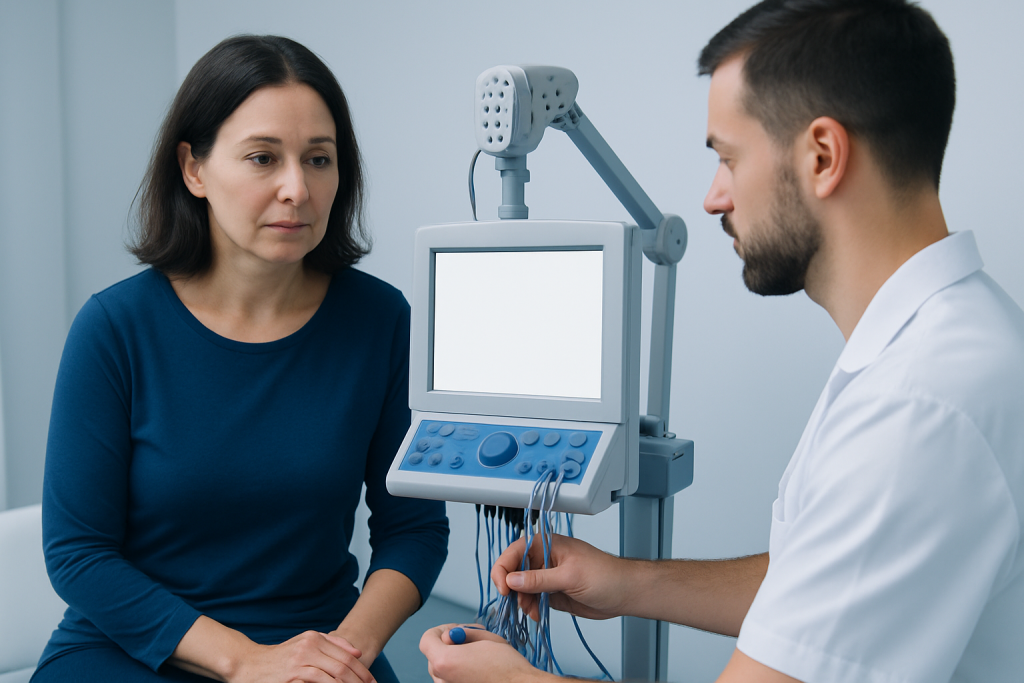
Common symptoms include muscle weakness, muscle cramps, muscle twitching, numbness, tingling, burning pain, heaviness in the limbs, and unusual fatigue with activity. Some people have trouble climbing stairs, lifting objects, standing from a chair, buttoning clothing, or walking long distances. Others notice foot drop, balance problems, or repeated tripping.
The exact symptom pattern often provides important clues. For example, numbness and burning discomfort may point more toward nerve involvement, while difficulty rising from a seated position or lifting the arms can suggest a muscle disorder. Fluctuating weakness that worsens with activity may raise concern for a neuromuscular junction disorder, while progressive weakness with muscle wasting may need evaluation for a motor neuron condition.
Symptoms can also affect functions beyond the arms and legs. Some neuromuscular disorders may cause double vision, drooping eyelids, swallowing difficulty, speech changes, shortness of breath, or neck weakness. When symptoms involve breathing, swallowing, or rapidly worsening weakness, prompt medical assessment is especially important.
- Muscle cramps or spasms
- Weakness in the arms, legs, hands, or feet
- Numbness, tingling, or reduced sensation
- Muscle wasting or loss of bulk
- Twitching, tremor, or fasciculations
- Trouble walking, balancing, swallowing, or breathing
Causes and Risk Factors

Neuromuscular symptoms do not always mean a serious neurological disease. Many possible causes exist, and some are temporary or treatable. Nerve problems may result from diabetes, vitamin deficiencies, autoimmune disorders, infections, medication side effects, alcohol use, or compression of a nerve. Muscle symptoms may be linked to inflammation, inherited muscle disease, electrolyte imbalance, thyroid disease, or certain drugs.
Risk factors vary by condition. A family history can be relevant in inherited neuropathies and myopathies. Autoimmune conditions may increase the likelihood of diseases affecting nerves or the neuromuscular junction. Diabetes is a common contributor to peripheral nerve damage. Older age can raise the risk of some degenerative neurological conditions, while some genetic disorders begin in childhood or early adulthood.
Doctors also consider whether symptoms began after a viral illness, toxin exposure, intense exercise, a new medication, or a period of weight loss or poor nutrition. Because symptoms such as weakness and numbness can overlap with multiple sclerosis, spinal disorders, or Parkinson's disease in some cases, a broad medical evaluation helps narrow the cause safely and accurately.
How Doctors Diagnose Neuromuscular Disorders
Diagnosis usually begins with a detailed medical history and neurological examination. The doctor asks when symptoms started, whether they are constant or intermittent, what makes them worse or better, and whether there are related issues such as pain, falls, vision changes, swallowing problems, or shortness of breath. Family history, medications, occupational exposures, and previous illnesses are also important.
During the examination, the specialist checks muscle strength, tone, reflexes, coordination, sensation, gait, and the pattern of muscle involvement. This exam can help determine whether the main problem is more likely in the muscle, the peripheral nerve, the spinal nerve root, the neuromuscular junction, or the central nervous system. Sometimes the pattern is clear; in other cases, more testing is needed.
Laboratory tests are often part of the workup. Blood tests may look for inflammation, muscle injury markers, thyroid disease, vitamin deficiencies, autoimmune activity, blood sugar problems, infections, or electrolyte imbalances. Depending on the suspected diagnosis, further testing may include genetic analysis, cerebrospinal fluid testing, or a referral to specialists in neurophysiology, rehabilitation, pulmonology, or speech and swallowing.
Diagnostic testing is usually tailored rather than one-size-fits-all. The goal is to confirm the cause while avoiding unnecessary procedures. Many people benefit from a staged approach, where the results of the first tests guide the next step.
Tests Commonly Used
Electrodiagnostic testing is central in many cases. EMG and electromyography measures the electrical activity of muscles, while nerve conduction studies evaluate how quickly and effectively nerves carry signals. These tests can help distinguish nerve disease from muscle disease and can also show whether the problem is widespread or limited to certain nerves or muscle groups.
Imaging may also be helpful. MRI can assess the brain, spinal cord, nerve roots, or muscles when doctors need to look for structural causes such as compression, inflammation, or muscle changes. In selected situations, ultrasound of nerves or muscles can provide additional detail.
If an inherited condition is suspected, genetic testing may be recommended. Some patients may also need a muscle biopsy or, less commonly, a nerve biopsy when the diagnosis remains uncertain after less invasive testing. In disorders affecting the neuromuscular junction, blood tests for specific antibodies and specialized repetitive stimulation studies can help confirm the diagnosis.
Other evaluations may be used depending on symptoms. Pulmonary function tests can assess breathing muscle strength, and swallowing studies may be needed if eating or drinking has become difficult. When sensory symptoms are prominent, doctors may also evaluate for peripheral neuropathy and related causes.
Treatment Options After Diagnosis
Treatment depends on the exact neuromuscular disorder and its severity. Some conditions are managed by treating an underlying cause, such as improving blood sugar control, replacing a vitamin deficiency, adjusting a medication, or treating an autoimmune process. Others may need long-term symptom management and monitoring.
Medications may be used to reduce inflammation, control immune activity, ease nerve pain, improve muscle function in selected conditions, or reduce cramps and stiffness. Physical therapy and occupational therapy often play an important role in maintaining mobility, strength, energy conservation, balance, and daily function. Some people may also benefit from braces, mobility aids, respiratory support, or speech and swallowing therapy.
When symptoms are linked to a specific structural issue, specialists may recommend targeted procedures or surgery. Rehabilitation remains important before and after treatment. In complex cases, care is often coordinated among neurology, physical medicine and rehabilitation, pulmonology, nutrition, and other specialties.
For international patients who need comprehensive evaluation, Acibadem International offers multidisciplinary assessment and treatment through JCI-accredited hospitals, including advanced diagnostics such as nerve conduction study and neuroimaging when appropriate.
Self-care, Monitoring, and When to Seek Medical Advice
While medical evaluation is essential, simple self-care measures can support comfort and safety. Gentle regular activity, adequate hydration, good sleep, balanced nutrition, and avoiding alcohol excess may help some people with cramps, fatigue, or neuropathic symptoms. It is also helpful to note when symptoms occur, which muscles are involved, and whether there are triggers such as exercise, fasting, illness, or new medication use.
People with weakness or numbness should take fall prevention seriously. Supportive footwear, removing trip hazards at home, using handrails, and discussing mobility changes early can reduce injury risk. Those with swallowing problems may need a prompt assessment to lower the risk of choking or poor nutrition.
A doctor should be consulted if muscle weakness is persistent, progressive, or interfering with daily activities. Medical attention is also important for unexplained numbness, muscle wasting, repeated falls, new double vision, swallowing difficulty, or symptoms that spread to other parts of the body. Urgent care is needed for breathing difficulty, sudden severe weakness, or rapidly worsening symptoms.
Although the diagnostic process can take time, many causes of neuromuscular symptoms can be clarified with a careful, structured evaluation. Early assessment helps guide treatment, rehabilitation, and long-term planning in a more confident and informed way.
Frequently asked questions
Are muscle cramps always a sign of a neuromuscular disorder?
No. Muscle cramps are common and can happen with dehydration, overuse, electrolyte imbalance, medication effects, or poor circulation. However, cramps that occur along with weakness, numbness, twitching, or progressive symptoms should be assessed by a doctor.
What is the difference between weakness and fatigue?
Weakness means the muscle cannot generate normal force, such as difficulty lifting the foot or rising from a chair. Fatigue is a feeling of low energy or easy exhaustion, which may or may not involve true loss of muscle power. Doctors often ask detailed questions to tell these apart.
Is EMG painful?
EMG and nerve conduction studies can be uncomfortable, but most people tolerate them well. The test usually involves small electrical impulses and a thin needle electrode placed in selected muscles. Discomfort is temporary, and the information gained can be very helpful for diagnosis.
Can blood tests diagnose all neuromuscular disorders?
Blood tests are useful, but they usually cannot diagnose every condition on their own. They can show muscle injury, vitamin deficiencies, autoimmune markers, thyroid problems, or other clues. Diagnosis often requires combining blood test results with the examination and specialized testing.
Do neuromuscular disorders run in families?
Some do, and some do not. Certain muscle and nerve disorders are inherited, while others develop because of autoimmune disease, metabolic conditions, infections, or unknown causes. A family history can be an important clue, but its absence does not rule out a neuromuscular disorder.
When should numbness or weakness be treated as urgent?
Urgent medical care is important if weakness starts suddenly, worsens quickly, affects breathing, or causes trouble swallowing. New numbness with loss of bladder control, severe back pain, or sudden inability to walk also needs prompt attention. These symptoms can have causes that require immediate evaluation.
References
- National Institute of Neurological Disorders and Stroke
- National Institute of Arthritis and Musculoskeletal and Skin Diseases
- Muscular Dystrophy Association
- MedlinePlus
- American Academy of Neurology
This article is for general information only and is not a substitute for professional medical advice. Please consult a qualified doctor about your individual situation.
Explore treatments in Turkey — costs, top hospitals & a free quote
JCI-accredited · board-certified surgeons · reply within 24h
Add us as a Preferred Source to see more of our trusted health content across Google Search, AI Overviews and Discover.