

Muscle Quiver in Leg: What Patients Need to Know

A muscle quiver in leg is commonly due to normal muscle irritability rather than serious disease. Fatigue, exercise, stress, dehydration, caffeine, and some medicines are frequent triggers.
Key Takeaways
- A muscle quiver in leg is commonly due to normal muscle irritability rather than serious disease.
- Fatigue, exercise, stress, dehydration, caffeine, and some medicines are frequent triggers.
- Warning signs include muscle weakness, numbness, swelling, severe pain, or twitching that does not go away.
- Diagnosis may include a physical exam, blood tests, and sometimes nerve or muscle studies.
- Self-care such as hydration, sleep, stretching, and reviewing stimulants can often help reduce symptoms.
A muscle quiver in leg is usually a brief, involuntary twitch caused by common triggers such as overuse, stress, caffeine, or dehydration. Most episodes are harmless, but a doctor should assess twitching that is persistent, painful, worsening, or linked with weakness, numbness, or trouble walking.
Overview: what a muscle quiver in leg usually means
A muscle quiver in leg usually refers to a small, involuntary contraction under the skin. Many people describe it as fluttering, pulsing, vibrating, or a brief jumping sensation in the calf, thigh, or foot. In medical terms, these small twitches are often called fasciculations.
In most cases, this symptom is not dangerous. It commonly happens after exercise, during times of stress, or when the body is tired, dehydrated, or stimulated by caffeine. A quiver may last a few seconds, come and go during the day, or be noticed more at rest when the person is paying attention to the muscle.
Still, context matters. A muscle quiver in leg can sometimes occur with other symptoms that point to a nerve, circulation, mineral balance, or movement problem. The key questions are how long it has been happening, whether it affects one or both legs, and whether weakness, numbness, pain, swelling, or changes in walking are also present.
How it can feel and the symptoms that may go with it
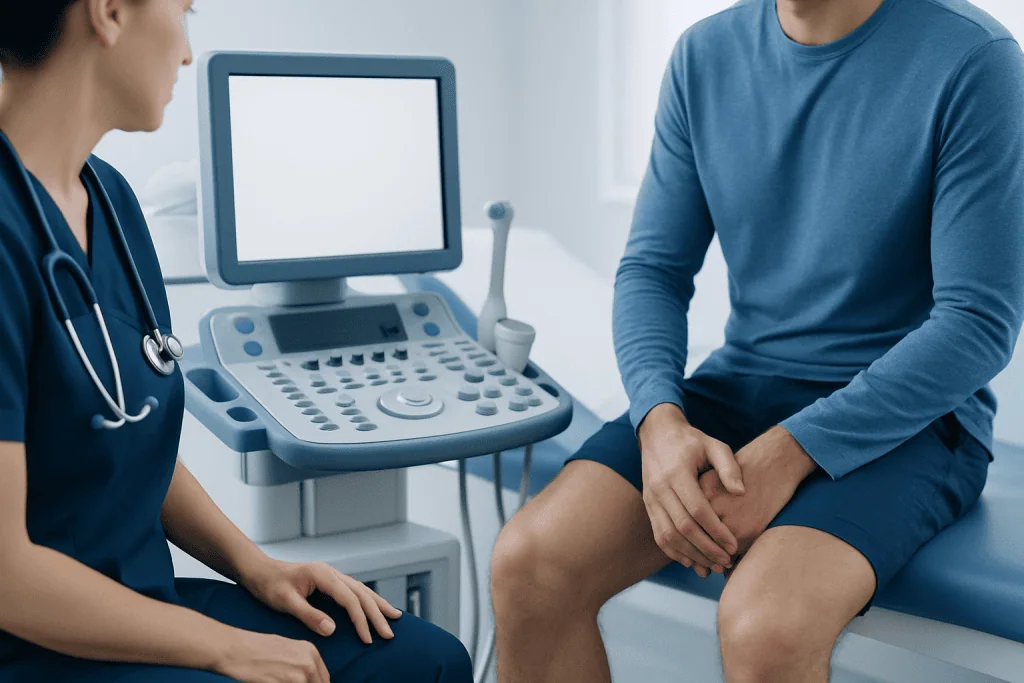
Leg muscle quivering is not always the same from one person to another. Some people notice a visible ripple in the muscle, while others only feel an internal buzzing or tapping. It may affect the calf after a long walk, the thigh after exercise, or the foot when sitting quietly. Episodes may be isolated or recur over days or weeks.
Additional symptoms can help a doctor understand the cause. A harmless twitch may happen on its own, without pain or loss of function. By contrast, symptoms such as cramping, soreness, stiffness, or a feeling of restlessness can suggest overuse, electrolyte changes, or conditions such as restless legs syndrome.
Symptoms that deserve closer attention include:
- Muscle weakness or shrinking of the muscle
- Numbness, tingling, or burning
- Back pain with shooting pain down the leg
- Persistent cramping or severe pain
- Swelling, warmth, or color change in the leg
- Problems with balance, walking, or foot control
When a muscle quiver in leg appears together with these features, a doctor may consider a nerve, spine, muscle, or blood vessel problem rather than a simple benign twitch.
Common causes and risk factors

The most common causes are everyday and reversible. Muscles can become irritable after strenuous exercise, a long period of standing, poor sleep, emotional stress, or too much caffeine or nicotine. Dehydration and low levels of minerals such as magnesium, calcium, or potassium may also make twitching more noticeable, especially in hot weather or after sweating.
Medicines and supplements can sometimes contribute. Stimulants, some asthma medicines, certain antidepressants, and other medications may be associated with twitching in some people. People should not stop prescribed medicines on their own, but it is sensible to discuss new symptoms with the prescribing clinician.
Nerve irritation is another important cause. A pinched nerve in the lower back, peripheral nerve irritation, or certain neurological conditions can lead to twitching, especially when symptoms follow a nerve pattern or are accompanied by pain, tingling, or weakness. In some cases, doctors may evaluate for peripheral neuropathy or for spine-related nerve compression.
Less commonly, a muscle quiver in leg may be linked to an endocrine or metabolic issue, such as thyroid disease, vitamin deficiency, or kidney problems. Because the symptom has many possible causes, the overall pattern is more important than the twitch alone.
How doctors diagnose the cause
Evaluation begins with a careful history and physical examination. A doctor will usually ask when the twitching started, whether it affects one leg or both, how often it happens, and whether it follows exercise, stress, rest, or sleep. They may also ask about caffeine intake, recent illness, medications, hydration, and any history of back pain or nerve problems.
During the examination, the doctor may assess muscle strength, reflexes, sensation, coordination, and gait. This helps distinguish a benign twitch from signs of a nerve, spine, or muscle disorder. In many people with isolated twitching and no other findings, the exam is normal.
If symptoms are ongoing or there are concerning features, additional tests may be recommended. These can include blood tests to check electrolytes, thyroid function, kidney function, vitamin levels, or markers of inflammation. If nerve involvement is suspected, doctors may arrange nerve conduction studies or electromyography, and in some cases imaging such as MRI to look at the lower back or other affected area.
The goal of diagnosis is not just to name the twitch but to rule out treatable causes and identify any condition that needs targeted care. This is why persistent or changing symptoms should not be self-diagnosed for too long.
Treatment options and what usually helps
Treatment depends on the cause. If the muscle quiver in leg is linked to fatigue, overuse, stress, or mild dehydration, symptoms often improve with rest, fluids, balanced nutrition, and sleep. Reducing caffeine and other stimulants may also help. Gentle stretching and gradual return to activity are often enough when exercise has triggered the twitching.
When an underlying issue is found, treatment focuses on that problem. Electrolyte or vitamin abnormalities can be corrected, medicines can be reviewed, and thyroid or metabolic disorders can be managed appropriately. If nerve compression from the spine is suspected, options may include physical therapy, rehabilitation, or further assessment in a spine or neurology setting.
If the twitching is associated with leg pain, weakness, or symptoms from a compressed nerve, a doctor may recommend targeted evaluation and therapies such as physical therapy and rehabilitation or, in selected cases, neurosurgical care. These decisions depend on the exact diagnosis rather than the twitch alone.
For some patients, reassurance is itself an important part of treatment. Benign muscle twitching can feel worrying, but if tests and examination are normal, understanding the trigger and monitoring symptoms can be the safest plan.
Prevention and self-care at home
Simple habits can reduce the chance of recurring twitching. Many people benefit from drinking enough fluids, especially during hot weather or exercise, and from eating a varied diet that supports normal muscle and nerve function. Regular sleep also matters, because tired muscles and an overtired nervous system are more likely to twitch.
Activity should be balanced rather than avoided. Warm-up before exercise, increase intensity gradually, and allow recovery after strenuous activity. If prolonged sitting seems to trigger symptoms, taking short walking or stretching breaks may help. Gentle calf and hamstring stretches can ease tightness, though they should not be painful.
It may also help to track personal triggers for a few weeks. Common patterns include excess caffeine, energy drinks, stress, anxiety, poor sleep, and long periods of inactivity after hard exercise. A simple note of when the twitching happens can make the medical visit more useful if symptoms persist.
People should be cautious about self-prescribing supplements in high amounts. Because twitching can have different causes, it is better to ask a clinician before taking magnesium or other products regularly, especially if there are kidney problems or other health conditions.
When to seek medical care
A doctor should assess a muscle quiver in leg if it lasts for weeks, becomes more frequent, or starts interfering with walking, exercise, sleep, or daily life. Medical review is also important when the twitching appears after a new medication, after a recent illness, or together with ongoing muscle cramps.
Prompt medical attention is recommended if the twitching comes with muscle weakness, numbness, severe pain, leg swelling, fever, or a new problem controlling the foot or leg. Sudden swelling, warmth, or discoloration in one leg is not typical for a simple twitch and may need urgent assessment for circulation problems.
If symptoms suggest a nerve or spine issue, doctors may arrange further evaluation such as neurology assessment or imaging. At Acibadem International, multidisciplinary specialists in JCI-accredited hospitals evaluate and treat patients with muscle, nerve, and spine-related symptoms, including international patients who need coordinated care.
Frequently asked questions
Is a muscle quiver in leg usually serious?
Most of the time, no. A muscle quiver in leg is often related to fatigue, stress, exercise, dehydration, or caffeine. It is more concerning when it persists or happens with weakness, numbness, severe pain, or trouble walking.
What is the difference between a muscle quiver and a leg cramp?
A muscle quiver is a brief involuntary twitch or flutter, often without major pain. A cramp is a stronger, sustained muscle contraction that is usually painful and can temporarily limit movement. Some people can have both at the same time.
Can anxiety or stress cause leg muscle twitching?
Yes. Stress and anxiety can increase muscle tension and make the nervous system more reactive, which may trigger or worsen twitching. Improving sleep, reducing stimulants, and managing stress often helps.
Should a person worry if only one leg is twitching?
Not always. One-sided twitching can still be harmless, especially after exercise or strain, but it deserves more attention if it keeps returning or is linked to pain, weakness, numbness, or back symptoms. Those features may suggest irritation of a nerve supplying that leg.
How long should someone wait before seeing a doctor?
If the twitching is mild and clearly linked to exercise, stress, or caffeine, it is reasonable to try hydration, rest, and trigger reduction for a short time. If it lasts more than a few weeks, worsens, or causes other symptoms, a medical review is a good idea sooner.
What tests might be needed for a persistent muscle quiver in leg?
Doctors may start with an examination and blood tests to look for electrolyte, thyroid, kidney, or vitamin problems. If there are signs of nerve involvement, they may recommend nerve conduction studies, electromyography, or imaging such as MRI.
This article is for general information only and is not a substitute for professional medical advice. Please consult a qualified doctor about your individual situation.
Explore treatments in Turkey — costs, top hospitals & a free quote
JCI-accredited · board-certified surgeons · reply within 24h
Add us as a Preferred Source to see more of our trusted health content across Google Search, AI Overviews and Discover.

More from the Health Library

Concussion Eyes: What Patients Need to Know

Sleeplessness Doctor: An Evidence-Based Guide for Patients

Infected Penise: An Evidence-Based Guide for Patients

Structured Water: A Complete Medical Overview

Frission: A Complete Medical Overview

Hordeolum Externum: What Patients Need to Know
Physical Medicine & Rehabilitation Specialists at Acibadem

Fzt. Atahan Vardı
Physical Medicine & Rehabilitation
Fzt. Atilla Murat Ünver
Physical Medicine & Rehabilitation
Dr. Atiye Ayral
Physical Medicine & Rehabilitation
Prof. Dr. Ayhan Aşkın
Physical Medicine & Rehabilitation