Muscle Weakness Without Pain: Common Causes and When to Get Tested

True muscle weakness means reduced strength, not just tiredness or low energy. Painless weakness can be linked to nerve disorders, muscle diseases, endocrine problems, vitamin deficiencies, or medications.
Key Takeaways
- True muscle weakness means reduced strength, not just tiredness or low energy.
- Painless weakness can be linked to nerve disorders, muscle diseases, endocrine problems, vitamin deficiencies, or medications.
- Patterns such as one-sided weakness, trouble climbing stairs, foot drop, or drooping eyelids can help guide diagnosis.
- Testing may include a physical exam, blood tests, imaging, and nerve or muscle studies.
- Urgent medical care is needed if weakness appears suddenly or comes with breathing, swallowing, speech, or walking problems.
Muscle weakness without pain is not always caused by overuse or tiredness. When true weakness persists, worsens, or affects daily activities, medical evaluation can help identify treatable nerve, muscle, metabolic, or hormonal causes.
Overview
Muscle weakness without pain is a common reason people seek medical advice. It can feel confusing because many people expect muscle problems to hurt. In reality, some conditions reduce strength without causing discomfort, especially when the problem affects the nerves, the communication between nerves and muscles, or the muscles themselves.
It is also important to distinguish true weakness from fatigue. Fatigue is a feeling of low energy or exhaustion, while true weakness means a person cannot generate normal force during movement. For example, climbing stairs, lifting objects, rising from a chair, holding the head up, or gripping items may become harder than usual even when there is no pain.
Painless weakness may be temporary and related to dehydration, poor nutrition, or a recent illness. However, if it continues, gets worse, or interferes with daily life, it should be assessed. Identifying the cause early can help guide treatment and reduce the risk of falls, disability, or complications.
Symptoms and Patterns to Notice
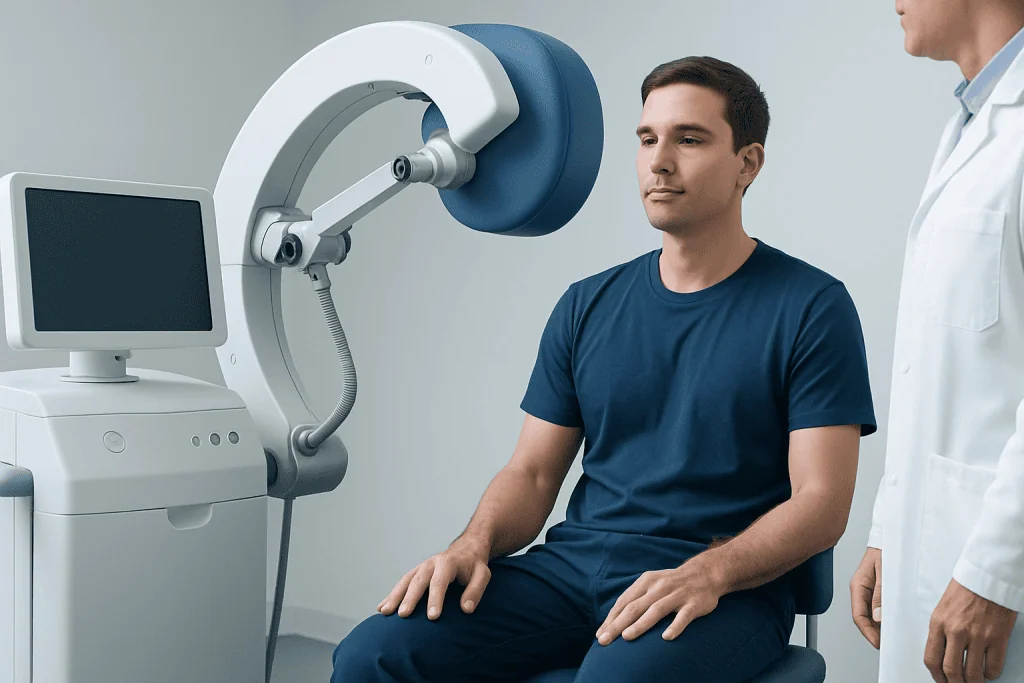
Muscle weakness can affect one area or the whole body. Some people notice weakness mainly in the legs, making it difficult to walk, climb stairs, or stand from a seated position. Others notice weakness in the arms and hands, such as trouble opening jars, lifting bags, or raising the arms overhead. In some conditions, weakness affects the face, eyelids, swallowing muscles, or breathing muscles.
The pattern of weakness can offer useful clues. Weakness in the shoulders and hips may suggest a muscle-related problem. Weakness in the hands or feet may point more toward nerve involvement. Fluctuating weakness that worsens with activity and improves with rest can suggest a disorder of nerve-muscle communication, while slowly progressive weakness may be seen in chronic neuromuscular diseases.
Other symptoms may occur even when pain is absent. These can include muscle cramping, twitching, numbness, tingling, drooping eyelids, double vision, balance difficulty, or unsteadiness. Some people develop a foot drop, meaning the front of the foot lifts poorly during walking. Keeping track of when symptoms began, which muscles are involved, and whether they are stable or worsening can help a doctor narrow down the cause.
- Difficulty climbing stairs or getting up from a chair
- Frequent tripping or falls
- Trouble lifting the arms or carrying objects
- Weak grip or hand clumsiness
- Drooping eyelids, swallowing difficulty, or shortness of breath
Common Causes and Risk Factors

There are many possible causes of muscle weakness without pain. Neurological causes include problems in the brain, spinal cord, peripheral nerves, or the connection between nerve and muscle. Examples include peripheral neuropathy, motor neuron disorders, and conditions such as myasthenia gravis, which often causes fluctuating weakness rather than pain. Muscle diseases can also cause painless weakness, including inflammatory, genetic, metabolic, and endocrine-related myopathies.
General medical conditions are another important group of causes. Thyroid disease, diabetes, adrenal disorders, low potassium, low vitamin D, and vitamin B12 deficiency can all affect muscle function. Infections, autoimmune diseases, kidney disease, and liver disease may also lead to weakness. In older adults, prolonged inactivity and loss of muscle mass can contribute, but these should not be assumed to be the only explanation.
Medications can sometimes play a role. Certain cholesterol-lowering drugs, long-term corticosteroids, some antibiotics, and other medicines may affect muscles or nerves in susceptible people. Alcohol misuse, poor nutrition, and low physical activity can also contribute. Risk factors vary by cause, but a family history of neuromuscular illness, autoimmune disease, diabetes, thyroid problems, and recent medication changes are all relevant points to discuss during evaluation.
Sometimes the concern is not in the muscles themselves but in the nervous system pathways that control them. Depending on the pattern, a doctor may also consider conditions such as peripheral neuropathy or disorders affecting the spinal cord and motor pathways.
When Testing Is Recommended
Testing is appropriate when weakness lasts more than a short time, comes back repeatedly, or begins to limit normal activities. A person should also be evaluated if the weakness is clearly different from ordinary tiredness, affects specific muscle groups, or is steadily progressing. Even when symptoms are mild, an assessment can help identify treatable issues such as vitamin deficiencies, medication effects, or hormonal imbalances.
Certain situations need prompt or urgent medical attention. These include sudden weakness, one-sided weakness, facial drooping, speech changes, severe walking difficulty, shortness of breath, trouble swallowing, or inability to hold up the head. These symptoms can signal a serious neurological or systemic condition and should not be ignored.
Medical review is also important when weakness follows a recent infection, starts after a new medication, or occurs alongside unexplained weight loss, dark urine, severe fatigue, numbness, or muscle wasting. People with known diabetes, thyroid disease, autoimmune disorders, or a family history of neuromuscular conditions may benefit from earlier testing because the underlying cause may not be obvious at first.
How Doctors Diagnose the Cause
Diagnosis starts with a detailed medical history and neurological examination. A doctor will ask when the weakness began, whether it came on suddenly or gradually, which muscles are affected, and whether symptoms fluctuate during the day. Questions about medications, recent infections, family history, exercise tolerance, vision changes, swallowing, and numbness help build a clearer picture.
The physical exam usually includes testing muscle strength, reflexes, coordination, sensation, gait, and muscle tone. This helps identify whether the problem is more likely in the brain, spinal cord, nerve roots, peripheral nerves, neuromuscular junction, or muscle tissue. The doctor may look for muscle wasting, twitching, asymmetry, or signs of systemic illness.
Blood tests are often an important first step. These may check electrolytes, blood sugar, thyroid function, vitamin B12, vitamin D, kidney and liver function, inflammatory markers, and muscle enzymes such as creatine kinase. Depending on the suspected cause, antibody tests or other specialized blood work may be useful.
Further testing may include nerve conduction studies and electromyography (EMG), which help show whether weakness is related to nerve or muscle dysfunction. Some people may also need MRI to assess the brain, spine, or muscles, or more advanced evaluations such as genetic testing or a muscle biopsy when a muscle disease is suspected.
Treatment Options
Treatment depends on the cause. When weakness is related to medication side effects, vitamin deficiency, thyroid disease, diabetes, or electrolyte imbalance, correcting the underlying issue may improve strength. If a neuromuscular disorder is identified, treatment may involve medicines to reduce inflammation, support nerve-muscle communication, or manage an autoimmune process. In some cases, long-term monitoring is also an important part of care.
Rehabilitation often plays a major role. Physical therapy can help improve strength, balance, endurance, and safety with walking or transfers. Occupational therapy may help with hand weakness, dressing, bathing, and other daily tasks. Supportive devices such as braces or mobility aids may be recommended if foot drop or instability increases fall risk.
For people with chronic neuromuscular disease, care may involve several specialties, including neurology, rehabilitation, endocrinology, and nutrition. If weakness affects breathing or swallowing, timely assessment is especially important so that supportive care can be started early. The right treatment plan depends on a careful diagnosis rather than self-treatment alone.
Near the end of the care pathway, some patients may need more advanced neurological assessment or rehabilitation planning. Acibadem International’s multidisciplinary specialists and JCI-accredited hospitals diagnose and treat neuromuscular conditions for international patients when comprehensive evaluation is needed.
Prevention and Self-care
Not every cause of painless weakness can be prevented, but healthy habits can support muscle and nerve function. Regular physical activity, balanced nutrition, adequate protein intake, good hydration, and sufficient sleep all help maintain strength. Managing long-term conditions such as diabetes and thyroid disease can also reduce the risk of weakness related to metabolic imbalance.
People should take medications exactly as prescribed and report any new weakness after starting a medicine. It is best not to stop a prescribed drug without medical advice, but raising concerns early can help a doctor decide whether a change is needed. Limiting excess alcohol and addressing nutritional gaps may also be beneficial.
At home, practical steps can improve safety while waiting for evaluation or treatment. Removing trip hazards, using supportive footwear, adding handrails, and avoiding overexertion can lower the chance of falls. A symptom diary that notes the timing, triggers, and progression of weakness can be useful during medical appointments.
When to See a Doctor
A doctor should be consulted if muscle weakness without pain lasts more than a few days, keeps returning, or interferes with walking, climbing stairs, lifting, gripping, or self-care. It is especially important to seek assessment if weakness is clearly worsening or spreading to other parts of the body. Early evaluation can help identify conditions that are more manageable when treated promptly.
Immediate medical care is needed for sudden weakness, facial drooping, difficulty speaking, confusion, severe imbalance, chest symptoms, breathing problems, or trouble swallowing. These symptoms may indicate a medical emergency rather than a simple muscle problem. Emergency assessment is also appropriate if weakness follows a serious infection or comes with dark urine, severe dehydration, or collapse.
Even when symptoms seem mild, reassurance should come from proper assessment rather than guesswork. Because painless weakness has many possible explanations, a structured examination and the right tests are the safest way to understand what is happening and plan effective care.
Frequently asked questions
Is muscle weakness without pain something serious?
Sometimes it is minor and temporary, but it should not be dismissed if it persists or worsens. Painless weakness can be related to treatable issues such as vitamin deficiency or thyroid disease, but it can also point to nerve or muscle disorders that need medical evaluation.
How is true weakness different from fatigue?
Fatigue is a feeling of low energy or tiredness, while true weakness means the muscles cannot produce normal strength. A person with true weakness may struggle to rise from a chair, climb stairs, lift the arms, or grip objects even if they feel otherwise well.
Can vitamin deficiencies cause muscle weakness without pain?
Yes. Low levels of vitamin B12 or vitamin D, as well as some mineral imbalances, can contribute to weakness. Blood tests can often help identify these problems, and treatment depends on correcting the underlying deficiency safely.
What tests are commonly done for painless muscle weakness?
Doctors often start with a medical history, physical and neurological examination, and blood tests. Depending on the findings, they may also recommend EMG, nerve conduction studies, MRI, or other specialized tests to determine whether the cause is in the nerves, muscles, or elsewhere.
When should muscle weakness be treated as an emergency?
Emergency care is needed if weakness starts suddenly or comes with facial drooping, speech trouble, breathing difficulty, swallowing problems, severe walking difficulty, or one-sided symptoms. These signs may indicate a serious neurological or medical emergency and should be assessed immediately.
Can exercise help if someone has muscle weakness?
Exercise can help in many cases, but the right type and intensity depend on the cause. A doctor or physical therapist can advise whether strengthening, balance training, or gentler activity is safest, especially if a neuromuscular condition is suspected.
References
- National Institute of Neurological Disorders and Stroke
- National Institute of Arthritis and Musculoskeletal and Skin Diseases
- American Academy of Neurology
- Mayo Clinic
- Merck Manual Consumer Version
This article is for general information only and is not a substitute for professional medical advice. Please consult a qualified doctor about your individual situation.
Explore treatments in Turkey — costs, top hospitals & a free quote
JCI-accredited · board-certified surgeons · reply within 24h
Add us as a Preferred Source to see more of our trusted health content across Google Search, AI Overviews and Discover.
Check your numbers in seconds
BMI, calories, due date, blood pressure and 30+ more clinical calculators — free, instant, doctor-reviewed ranges.