Muscles — Explained by Medical Evidence, Not Myths
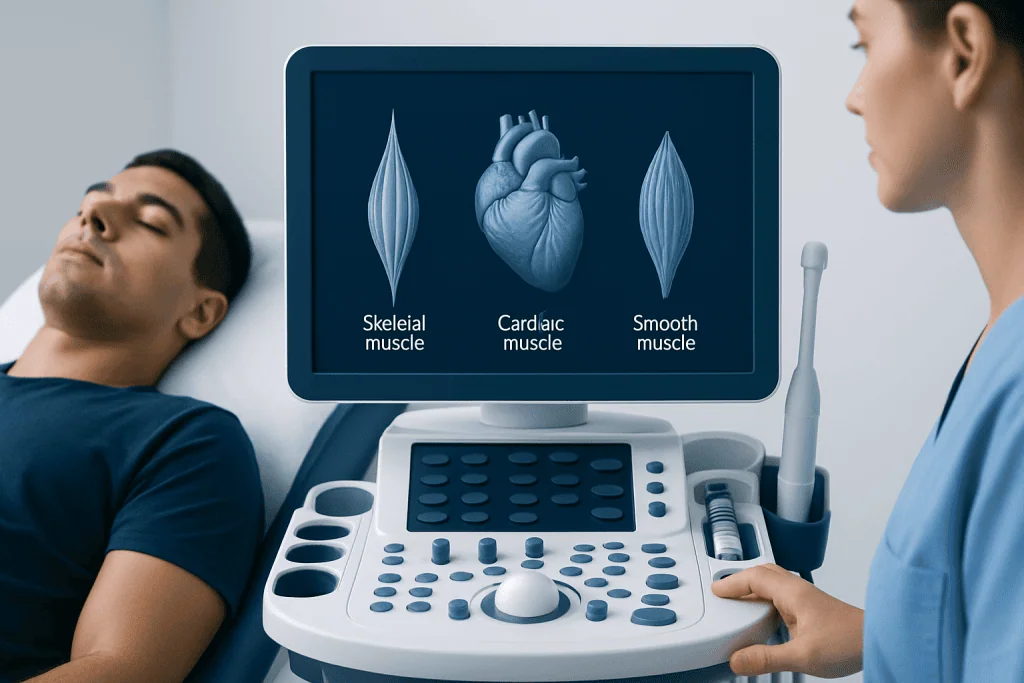
Muscles do much more than create movement; they also support breathing, circulation, posture, and metabolism. The body has three main muscle types: skeletal, smooth, and cardiac muscle.
Key Takeaways
- Muscles do much more than create movement; they also support breathing, circulation, posture, and metabolism.
- The body has three main muscle types: skeletal, smooth, and cardiac muscle.
- Muscle pain, cramps, or temporary fatigue are common, but persistent weakness, swelling, or severe pain should be assessed by a doctor.
- Regular physical activity, adequate protein, hydration, sleep, and gradual training help maintain healthy muscles.
- Some muscle symptoms are linked to injuries, nerve problems, infections, medication effects, or underlying medical conditions.
Muscles are specialized tissues that help the body move, breathe, maintain posture, and support many everyday functions. Understanding how muscles work—and what symptoms may signal a problem—can help people protect muscle health and know when medical advice is needed.
What muscles are and why they matter
Muscles are soft tissues made of specialized cells that contract and relax to produce force. In simple terms, muscles allow the body to move, stabilize joints, maintain posture, and support essential internal functions such as breathing, digestion, and blood circulation. They are active, adaptable tissues that respond to exercise, nutrition, illness, aging, and rest.
Many people think of muscles mainly in terms of strength or appearance, but medical evidence shows they are important for overall health. Healthy muscle tissue helps protect bones and joints, supports balance, improves mobility, and contributes to metabolic health by helping the body use glucose efficiently. Muscle health also affects daily quality of life, from climbing stairs to carrying groceries and recovering after illness.
Muscles are not all the same. Different muscle groups have different roles, and not all muscle symptoms mean the same thing. A sore thigh after exercise is very different from progressive muscle weakness, severe swelling after injury, or muscle pain with fever. Understanding these differences can help people respond appropriately and seek care when necessary.
The three types of muscles
The body contains three main types of muscle: skeletal muscle, smooth muscle, and cardiac muscle. Skeletal muscles are the ones most people mean when they say “muscles.” These are attached to bones by tendons and make voluntary movement possible, such as walking, lifting, turning the head, or smiling. They also help maintain posture and stabilize the body during movement.
Smooth muscle is found in the walls of internal organs and blood vessels. It works automatically, without conscious effort, to help move food through the digestive tract, regulate blood flow, and support functions in the bladder, uterus, and airways. Cardiac muscle forms the heart. It is a specialized, highly coordinated muscle that contracts rhythmically to pump blood throughout the body.
These muscle types share the ability to contract, but they differ in structure and control. Skeletal muscle can be trained to become stronger or more enduring through exercise. Problems affecting skeletal muscles may overlap with bone, joint, nerve, or spine conditions, including disorders such as herniated disc when nerve compression contributes to weakness or pain.
How muscles work in everyday life

Muscles work by contracting in response to signals from the nervous system. For skeletal movement, the brain and nerves send electrical messages to muscle fibers, which then shorten and generate force. Most movements require several muscles to work together: some contract to create action, while others relax or stabilize nearby joints. This coordination is what allows smooth, controlled movement rather than stiffness or collapse.
Muscles also store and use energy. They rely on oxygen, water, electrolytes, and nutrients—especially protein and carbohydrates—to function properly. During activity, blood flow to muscles increases to deliver oxygen and remove waste products. After exercise or physical strain, muscle fibers undergo repair and adaptation, which is one reason strength and endurance can improve over time with appropriate training.
When muscles are overworked, injured, poorly nourished, or affected by illness, symptoms can appear. These may include soreness, tightness, cramping, weakness, limited range of motion, or fatigue. In some cases, the issue is local, such as a strain in one muscle. In others, muscle symptoms reflect a broader problem involving nerves, inflammation, hormones, medications, or circulation.
Common muscle symptoms and what they can mean
Muscle symptoms are common and often temporary. Mild soreness after exercise, especially after a new or intense activity, usually reflects small amounts of muscle fiber stress and repair. This kind of delayed soreness often improves with time, gentle movement, hydration, and rest. Brief muscle cramps may also occur with exertion, dehydration, or electrolyte imbalance.
However, not all muscle symptoms are harmless. Persistent muscle pain, swelling, bruising, weakness, or reduced function may suggest a strain, tear, tendon injury, nerve compression, or another medical issue. People sometimes describe “muscle weakness” when they actually mean fatigue or pain-limited movement, so a doctor may ask detailed questions to clarify whether the problem is true loss of strength, poor endurance, numbness, or stiffness.
Some warning patterns deserve closer attention. Muscle pain with fever, dark urine, severe swelling, chest pain, breathing difficulty, or rapid worsening should not be ignored. Gradual weakness, repeated falls, trouble climbing stairs, or difficulty lifting the arms can sometimes point to neurologic or muscular disease. In some situations, doctors may assess whether symptoms relate to orthopedic injury and treatments such as orthopedic rehabilitation or to a structural problem affecting movement.
- Common symptoms: soreness, cramps, stiffness, fatigue, tightness
- Possible injury signs: swelling, bruising, sharp pain, reduced movement
- Possible nerve-related signs: tingling, numbness, burning, radiating pain
- Symptoms needing urgent review: severe weakness, dark urine, breathing difficulty, high fever
Why muscle problems happen: causes and risk factors
Muscle problems can happen for many reasons. Overuse, sudden increases in activity, poor technique, trauma, and inadequate warm-up are common causes of strains and soreness. Dehydration, heat, and low levels of certain electrolytes may contribute to cramping, particularly during exercise or illness. A sedentary lifestyle can also weaken muscles over time, making everyday movement harder and increasing injury risk.
Age is another factor. As people grow older, muscle mass and strength can gradually decline, especially without regular resistance exercise and adequate nutrition. Long periods of bed rest, hospitalization, or recovery after surgery can accelerate this process. In addition, some medications may affect muscles, and some medical conditions—including infections, thyroid disorders, inflammatory diseases, and nerve disorders—can lead to pain or weakness.
Muscle symptoms are not always isolated to the muscle itself. Joint disease, spine problems, tendon injuries, and nerve compression can all create symptoms that feel muscular. For example, ongoing back or neck problems may cause pain, weakness, or altered sensation in nearby limbs. In more complex cases, treatment may involve a broader plan such as physical therapy and rehabilitation to restore strength, flexibility, and function safely.
How doctors evaluate muscle symptoms
Diagnosis starts with a careful history and physical examination. A doctor usually asks when symptoms began, whether there was an injury, what makes symptoms better or worse, and whether there are associated signs such as numbness, fever, swelling, or fatigue. During the examination, strength, tone, tenderness, reflexes, joint movement, balance, and gait may be assessed.
In many cases, the cause can be identified clinically, especially for straightforward muscle strains or overuse injuries. When symptoms are persistent, severe, or unexplained, further testing may be recommended. Blood tests can help look for inflammation, infection, electrolyte problems, thyroid issues, or muscle breakdown. Imaging such as ultrasound or MRI may be used to evaluate tears or related soft-tissue injuries.
If there is concern about nerve involvement, additional studies may be needed. Doctors may consider conditions affecting the spine, nerves, or joints, particularly when weakness, radiating pain, or numbness is present. In selected cases, coordinated care may include assessment in services related to orthopedics and traumatology when injury or musculoskeletal disease is suspected.
Treatment and recovery for muscle health
Treatment depends on the cause. For mild overuse soreness or uncomplicated strains, initial care often includes relative rest, gradual return to activity, hydration, and measures to reduce discomfort. Gentle mobility can be helpful, while complete inactivity for too long may delay recovery. More significant injuries may require temporary activity modification, supervised exercise, bracing, or rehabilitation.
When weakness or pain is linked to an underlying medical condition, treatment focuses on the root cause. This may include correcting dehydration or electrolyte imbalance, reviewing medications, treating infection or inflammation, or addressing endocrine, nerve, or joint disorders. Long-term management often includes targeted strengthening, flexibility work, balance training, and guidance on safe movement patterns.
Recovery timelines vary. Mild symptoms may improve within days, while strains, tears, or muscle loss after prolonged inactivity can take longer. A structured plan usually works better than returning to full activity too soon. Near the end of care, some patients benefit from multidisciplinary input; Acibadem International’s specialists in JCI-accredited hospitals diagnose and treat muscle-related conditions for international patients when coordinated evaluation is needed.
Protecting muscles and when to seek medical care
Good muscle health is supported by regular movement, resistance exercise, stretching appropriate to the activity, balanced nutrition, hydration, and adequate sleep. Building muscle safely usually means progressing gradually rather than making sudden increases in intensity or duration. Protein intake matters for repair and maintenance, but overall diet quality, energy intake, and recovery habits are also important.
Prevention also includes listening to symptoms. Persistent pain should not be pushed through simply to continue exercise, and repeated cramps or weakness may deserve medical review. People with chronic conditions, recent surgery, or long periods of inactivity may benefit from a tailored exercise program before returning to demanding physical activity.
Medical care should be sought if muscle symptoms are severe, last longer than expected, or interfere with daily function. Prompt assessment is especially important for sudden major weakness, inability to bear weight, severe swelling after injury, pain with fever, dark urine, chest pain, or shortness of breath. A qualified doctor can determine whether symptoms reflect a simple strain or a condition that needs more specific treatment.
Frequently asked questions
What do muscles do in the body?
Muscles create movement, maintain posture, stabilize joints, and support internal functions such as breathing, digestion, and circulation. They also play an important role in balance, mobility, and metabolic health.
What are the three types of muscles?
The three main types are skeletal, smooth, and cardiac muscle. Skeletal muscles move the body, smooth muscles work inside organs and blood vessels, and cardiac muscle makes the heart pump.
Is muscle soreness after exercise normal?
Mild soreness after new or intense activity is common and often improves within a few days. Severe pain, marked swelling, significant weakness, or symptoms that keep getting worse should be assessed by a doctor.
What causes muscle weakness?
Muscle weakness can result from deconditioning, injury, nerve problems, medication effects, infections, hormonal disorders, or diseases affecting muscles themselves. Because the causes vary widely, persistent or progressive weakness should be medically evaluated.
How can muscle health be improved?
Muscle health is supported by regular physical activity, especially strength training, along with adequate protein, hydration, and sleep. Gradual progression and proper technique help reduce injury risk and improve long-term function.
When should someone see a doctor for muscle pain?
A doctor should be consulted if muscle pain is severe, follows a major injury, lasts longer than expected, or comes with swelling, fever, numbness, or weakness. Urgent care is needed for symptoms such as dark urine, chest pain, breathing problems, or sudden inability to move normally.
References
- World Health Organization
- National Institute of Arthritis and Musculoskeletal and Skin Diseases
- MedlinePlus
- Centers for Disease Control and Prevention
- American Academy of Orthopaedic Surgeons
This article is for general information only and is not a substitute for professional medical advice. Please consult a qualified doctor about your individual situation.
Joint and spine care in Turkey — expert assessment & treatment
JCI-accredited · board-certified surgeons · reply within 24h
Add us as a Preferred Source to see more of our trusted health content across Google Search, AI Overviews and Discover.