My Back Neck: What Patients Need to Know

Pain at the back of the neck is commonly caused by muscle strain, poor posture, or degenerative changes in the cervical spine. Symptoms may include stiffness, limited movement, headache, shoulder pain, or pain that travels into the arm.
Key Takeaways
- Pain at the back of the neck is commonly caused by muscle strain, poor posture, or degenerative changes in the cervical spine.
- Symptoms may include stiffness, limited movement, headache, shoulder pain, or pain that travels into the arm.
- Red-flag symptoms such as weakness, numbness, fever, injury, or trouble with balance need prompt medical attention.
- Evaluation may include a physical exam and, when needed, imaging such as X-ray or MRI.
- Treatment often starts with activity modification, posture support, physical therapy, and pain-relieving measures.
My back neck usually means pain, tightness, or stiffness at the back of the neck. In many cases it is related to muscle strain, posture, stress, or age-related spine changes, but persistent, severe, or neurologic symptoms should be medically assessed.
What “my back neck” usually means
When a person searches for “my back neck,” they are usually describing pain, soreness, pressure, or stiffness in the back of the neck. This area contains muscles, joints, discs, ligaments, nerves, and the cervical spine, so discomfort can come from several structures rather than one single cause.
In everyday life, the most common explanations are muscle strain, poor posture, prolonged screen use, stress-related tension, or sleeping in an awkward position. However, pain can also come from age-related wear in the neck joints, irritated nerves, or less commonly an inflammatory, infectious, or traumatic problem.
The exact pattern of symptoms matters. A dull ache after long desk work is different from sudden severe pain after an accident, or pain with numbness, weakness, fever, or balance problems. Looking at the quality of pain, what makes it worse, and whether there are nerve symptoms helps guide the next steps.
Common symptoms and how they feel
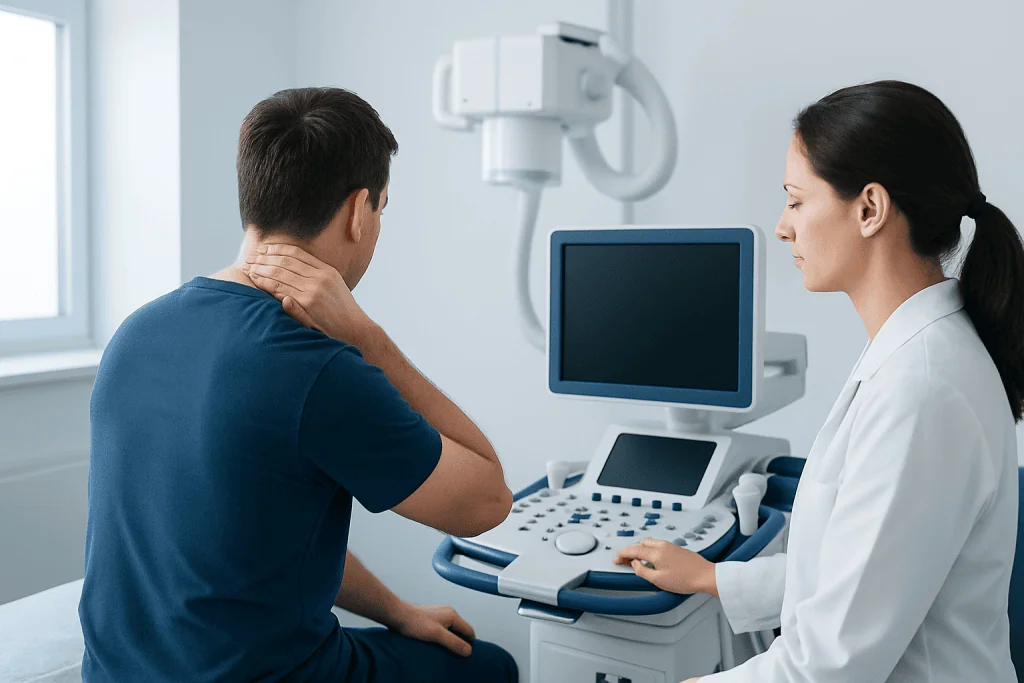
Back-of-neck discomfort may be mild and short-lived or more persistent. Some people feel a tight, band-like sensation across the neck and upper shoulders, while others describe sharp pain with certain movements, especially when turning the head or looking up.
Many people also notice stiffness, reduced range of motion, or tenderness in the muscles beside the spine. Tension-type headaches can begin at the base of the skull and spread upward. Pain may also extend into the shoulders or upper back, especially after repetitive activity or poor posture.
If a nerve is irritated, symptoms can travel beyond the neck. These may include tingling, burning, numbness, or weakness in the shoulder, arm, or hand. In some cases, neck problems are related to a herniated disc or other cervical spine changes that place pressure on nearby nerves.
- Muscle tightness or spasm
- Difficulty turning the head
- Pain after computer or phone use
- Headache starting at the base of the skull
- Arm pain, tingling, or numbness
Causes and risk factors

Muscle strain is one of the leading causes of pain in the back of the neck. It can happen after sleeping in an awkward position, carrying a heavy bag, repetitive lifting, sports activity, or spending long periods with the head bent forward over a phone or laptop. Stress can also contribute by causing muscle tension in the neck and shoulder area.
Another common cause is wear and tear in the cervical spine. As people age, discs can lose hydration and joints can become less flexible, sometimes leading to pain, stiffness, or pinched nerves. Conditions such as neck hernia and cervical spondylosis may produce more persistent symptoms or pain that radiates into the arm.
Injuries such as whiplash from a vehicle accident can affect muscles, ligaments, joints, and nerves. Less common causes include inflammatory conditions, infection, fractures, and referred pain from other structures. Risk factors include desk-based work, poor ergonomics, previous neck injury, low physical activity, smoking, and aging.
How doctors diagnose back-of-neck pain
Diagnosis usually begins with a medical history and physical examination. A doctor will ask when the symptoms started, whether there was an injury, where the pain is located, and whether there are headaches, fever, numbness, weakness, or pain radiating into the arm. They will also ask what makes the pain better or worse.
During the examination, the doctor may check posture, range of motion, muscle tenderness, reflexes, strength, and sensation. This helps distinguish likely muscle strain from a nerve-related problem or another cause involving the spine or nervous system.
Not everyone needs imaging right away. X-rays may help evaluate alignment or degenerative changes, while MRI is more useful for discs, nerves, and soft tissues. If symptoms suggest a complex spine problem, doctors may consider spine surgery evaluation, although surgery is not needed for most cases of neck pain.
Sometimes additional tests are used if there are warning signs or a less common cause is suspected. These may include blood tests, nerve studies, or specialist assessment in orthopedics, neurology, rehabilitation, or pain medicine.
Treatment options and symptom relief
Most uncomplicated back-of-neck pain improves with conservative care. Early treatment often includes temporary activity modification rather than strict bed rest, gentle movement, heat or cold packs, and nonprescription pain relief if appropriate for the individual. A clinician may also recommend short-term muscle-relaxing or anti-inflammatory treatment depending on symptoms and medical history.
Physical therapy is a mainstay of treatment when symptoms persist or recur. It can focus on posture correction, stretching, strengthening of the neck and upper back, and ergonomic changes for work or home. These steps aim not only to reduce pain but also to lower the chance of repeat episodes.
If nerve compression is suspected, treatment may include targeted rehabilitation, image-guided pain procedures, or further specialist review. In selected cases, physical therapy and rehabilitation and pain management can be important parts of a broader care plan. If structural compression causes significant neurologic symptoms, doctors may discuss neurosurgery or other advanced spine treatments.
Self-care, posture, and prevention
Simple daily habits can make a meaningful difference. Keeping screens at eye level, using a chair that supports the upper back, taking movement breaks, and avoiding prolonged forward-head posture can reduce strain on the neck. Many people benefit from standing up and stretching every 30 to 60 minutes during desk work.
Sleep setup also matters. A pillow that keeps the neck in a neutral position may help, while sleeping face-down can worsen rotation and strain for some people. Gentle range-of-motion exercises and regular physical activity can support muscle endurance and joint mobility.
Stress management is often overlooked but relevant. Jaw clenching, shoulder elevation, and muscle tension during stressful periods can contribute to neck pain. Relaxation techniques, breathing exercises, and balanced routines may ease this pattern. Prevention is rarely about one single fix; it is usually a combination of ergonomics, movement, and general conditioning.
- Adjust phone and monitor height
- Take regular posture breaks
- Strengthen upper back and shoulder muscles
- Use safe lifting techniques
- Seek assessment for recurring or radiating pain
When to seek medical care
Medical review is advisable if neck pain lasts more than a few weeks, keeps returning, disrupts sleep, or limits daily activities. It is also reasonable to seek care earlier if symptoms follow an injury or if over-the-counter measures and rest are not helping.
Prompt medical attention is important if pain is severe or is accompanied by numbness, weakness, loss of coordination, problems with walking, or changes in bladder or bowel control. Fever, unexplained weight loss, severe headache, or neck pain after significant trauma should also be evaluated without delay.
Many causes of back-of-neck pain are manageable, especially when assessed early and matched with the right treatment plan. Near the end of the care pathway, patients who need specialist evaluation may benefit from a multidisciplinary approach; Acibadem International’s JCI-accredited hospitals provide diagnosis and treatment for international patients across spine, neurology, rehabilitation, and pain-related conditions.
Frequently asked questions
What does “my back neck” mean medically?
It usually refers to pain or stiffness at the back of the neck rather than a formal medical diagnosis. Doctors then look for the underlying cause, such as muscle strain, posture-related tension, arthritis, disc problems, or nerve irritation.
Is pain in the back of the neck usually serious?
In many cases, it is not serious and improves with time, posture changes, and conservative care. However, pain that is severe, persistent, follows trauma, or comes with numbness, weakness, fever, or balance problems should be assessed by a doctor.
Can poor posture really cause back-of-neck pain?
Yes. Long periods of forward-head posture during phone or computer use can overload the muscles and joints of the cervical spine. Over time, this can lead to stiffness, aching, headaches, and reduced range of motion.
How long does back-of-neck pain take to improve?
Mild strain may improve within days to a couple of weeks, especially with rest, gentle movement, and ergonomic adjustments. Recovery can take longer if pain is related to nerve irritation, arthritis, or a more significant injury.
Should imaging be done for every neck pain problem?
No. Many people do not need X-rays or MRI at the first visit, particularly when symptoms clearly suggest simple muscle strain. Imaging is more often used when pain persists, follows trauma, or includes neurologic warning signs.
What can help prevent neck pain from coming back?
Helpful steps include improving workstation setup, keeping screens at eye level, taking regular stretching breaks, and strengthening the neck, shoulder, and upper back muscles. Good sleep support and stress management can also reduce recurring tension in the area.
References
- National Institute of Neurological Disorders and Stroke
- American Academy of Orthopaedic Surgeons
- National Health Service
- MedlinePlus
- World Health Organization
This article is for general information only and is not a substitute for professional medical advice. Please consult a qualified doctor about your individual situation.
Joint and spine care in Turkey — expert assessment & treatment
JCI-accredited · board-certified surgeons · reply within 24h
Add us as a Preferred Source to see more of our trusted health content across Google Search, AI Overviews and Discover.

More from the Health Library

Heparin: A Complete Medical Guide for Patients

Msg Vetsin: What Patients Need to Know

Bleach for Genital Area: What Patients Need to Know

Hearing AIDS: A Complete Medical Overview

Contacts and Red Eyes: A Complete Medical Overview