Mycobacterium Avium Complex — Explained by Medical Evidence, Not Myths

Mycobacterium avium complex, or MAC, is a type of nontuberculous mycobacterial infection, not the same as tuberculosis. MAC most commonly affects the lungs, but it can also cause widespread infection in people with severely weakened immune systems.
Key Takeaways
- Mycobacterium avium complex, or MAC, is a type of nontuberculous mycobacterial infection, not the same as tuberculosis.
- MAC most commonly affects the lungs, but it can also cause widespread infection in people with severely weakened immune systems.
- Common symptoms include chronic cough, fatigue, weight loss, fever, and shortness of breath, though some people have mild or no symptoms at first.
- Diagnosis usually involves imaging, sputum testing, and laboratory culture because symptoms alone are not specific.
- Treatment often requires a combination of antibiotics taken for many months and close follow-up with a specialist.
- Airway clearance, nutrition, smoking avoidance, and management of underlying lung disease can support recovery and reduce recurrence risk.
Mycobacterium avium complex is a group of environmental bacteria that can live in water, soil, and dust and sometimes cause infection, most often in the lungs. In many people it is treatable, but diagnosis can take time because symptoms often develop gradually and may resemble other lung conditions.
Overview: what mycobacterium avium complex means
Mycobacterium avium complex refers to a group of related bacteria, most commonly Mycobacterium avium and Mycobacterium intracellulare. These organisms belong to the family of nontuberculous mycobacteria, often shortened to NTM. They are found naturally in the environment, including water systems, soil, and household dust, so exposure is common and does not necessarily lead to illness.
When infection happens, MAC most often affects the lungs. This is called pulmonary MAC disease. Less commonly, MAC can spread through the body in people whose immune systems are severely weakened. A positive test alone does not always mean active disease, which is why doctors interpret laboratory results together with symptoms and imaging findings.
A helpful point for patients is that MAC is different from tuberculosis. Although both are mycobacteria and may cause chronic lung symptoms, MAC is usually not considered contagious in the same way tuberculosis can be. The condition is best understood as an environmental infection that takes hold when the lungs or immune defenses are more vulnerable.
Symptoms and how MAC can affect the body
Symptoms of mycobacterium avium complex often begin gradually. In lung disease, the most common complaint is a chronic cough. Some people also produce sputum, notice increasing tiredness, lose weight without trying, or develop low-grade fever and night sweats. Shortness of breath and reduced exercise tolerance may appear over time, especially if there is underlying lung disease.
Not everyone feels unwell at the beginning. In some cases, MAC is first suspected because a chest scan done for another reason shows nodules, bronchiectasis, or cavitary changes. Others may have repeated chest infections that do not fully clear, prompting further evaluation. Because the symptoms overlap with many other respiratory conditions, diagnosis may be delayed unless testing is done carefully.
When MAC becomes disseminated, meaning it spreads beyond the lungs, symptoms can be more general. A person may have persistent fever, weight loss, diarrhea, abdominal pain, anemia, or marked weakness. This pattern is more likely in people with advanced immune suppression, including untreated HIV infection or certain other conditions that reduce immune function.
- Chronic cough
- Fatigue and weakness
- Unexplained weight loss
- Fever or night sweats
- Shortness of breath
- Chest discomfort or increased mucus production
Causes and risk factors

MAC does not usually come from another person. It is acquired from the environment, most likely through inhaling aerosolized water or dust particles or, less commonly, through ingestion. Everyday exposure is common, but active infection is much less common, which shows that host factors play an important role.
Several lung conditions can increase susceptibility. These include bronchiectasis, chronic obstructive pulmonary disease, prior tuberculosis-related lung damage, cystic fibrosis, and structural changes in the lungs from previous infections or inflammation. People being evaluated for chronic airway damage may also learn about related conditions such as bronchiectasis, which can make recurrent infections more likely.
Immune status is another major factor. People with advanced HIV infection, those receiving chemotherapy, long-term corticosteroids, immunosuppressive drugs after transplantation, or biologic therapies may be at higher risk. Age, low body weight, gastroesophageal reflux, and certain chest wall or connective tissue features have also been associated with pulmonary MAC in some patients.
Importantly, having a risk factor does not mean a person will definitely develop disease. MAC is better viewed as an interaction between environmental exposure, lung structure, mucus clearance, and immune response. This is one reason why treatment decisions are individualized rather than based on a lab result alone.
How doctors diagnose mycobacterium avium complex
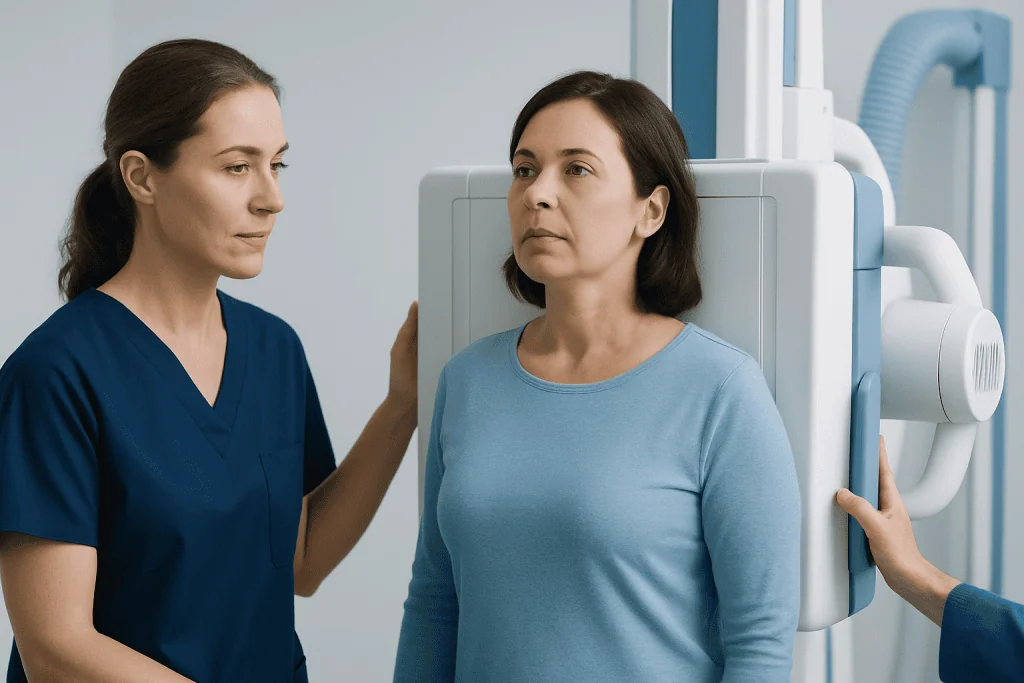
Diagnosis is based on a combination of clinical symptoms, imaging results, and microbiology testing. A doctor will usually begin with a medical history, physical examination, and chest imaging. A chest X-ray may suggest an abnormality, but a CT scan often gives much more detail by showing nodules, bronchiectasis, mucus plugging, or cavities in the lungs.
Sputum testing is central to diagnosis. Patients are often asked to provide more than one sputum sample because MAC can be intermittently present. The laboratory performs acid-fast staining and, more importantly, culture and species identification. Culture can take time because these bacteria grow slowly. In some cases, bronchoscopy may be recommended if sputum cannot be obtained or if the diagnosis remains unclear after initial tests. When needed, specialists may use bronchoscopy to collect airway samples for analysis.
Doctors also look for other explanations. Pulmonary MAC can resemble tuberculosis, fungal infection, chronic aspiration, and inflammatory lung disease. Careful testing helps distinguish it from tuberculosis and other causes of chronic cough. Blood tests may assess inflammation, nutritional status, liver function before treatment, and immune health, but blood work alone cannot confirm pulmonary MAC disease.
Because treatment is long and can have side effects, confirming true disease rather than simple colonization is important. A specialist in pulmonary medicine or infectious diseases often helps determine whether findings meet accepted diagnostic criteria and whether immediate treatment is the best next step.
Treatment options and what to expect
Treatment for mycobacterium avium complex depends on where the infection is, how severe it is, what the imaging shows, and the person’s overall health. Some patients with mild findings and few symptoms may be monitored closely at first rather than treated immediately. For active pulmonary disease, standard care usually involves a combination of antibiotics rather than a single drug, because multidrug therapy helps improve effectiveness and reduce resistance.
Common treatment plans include a macrolide antibiotic together with other medicines such as ethambutol and a rifamycin, though the exact regimen is chosen by the treating physician. Therapy often continues for many months, commonly until cultures remain negative for a prolonged period. Follow-up visits are important so the team can monitor symptoms, sputum cultures, imaging, hearing or vision where relevant, and possible medication side effects.
Some people with localized severe disease, complications, or treatment-resistant infection may need additional interventions. Management of underlying lung conditions is also a key part of care. Airway clearance techniques, inhaled therapies in selected cases, and pulmonary support can help people with chronic mucus retention or COPD. Specialists may also use respiratory therapy and pulmonary rehabilitation to improve breathing efficiency, exercise tolerance, and secretion clearance.
Disseminated MAC in immunocompromised patients also requires multidrug antibiotic therapy, along with treatment of the underlying immune problem whenever possible. In people with HIV, restoring immune function with appropriate HIV care is especially important. Near the end of the care pathway, some patients may benefit from coordinated follow-up in centers experienced in lung infections; Acibadem International’s multidisciplinary specialists in JCI-accredited hospitals diagnose and treat complex respiratory conditions for international patients.
Prevention and self-care
There is no single guaranteed way to prevent MAC because the bacteria are common in the environment. Still, practical measures may lower risk or support recovery. Avoiding smoking is one of the most important steps because smoke damages airway defenses and worsens chronic lung disease. Staying physically active within one’s limits and following a nutrition plan that supports healthy weight may also help overall resilience.
For people with bronchiectasis or chronic mucus problems, daily airway clearance can be very valuable. This may include breathing exercises, chest physiotherapy, or devices recommended by a clinician. Keeping vaccinations up to date, especially those that help reduce respiratory infections, can support lung health even though they do not specifically prevent MAC.
Home water and soil exposures are often discussed, but extreme avoidance is usually not practical and is not always necessary. Individual advice may be reasonable for higher-risk patients, such as reducing exposure to aerosol-generating water sources or wearing protection when handling soil. It is best to discuss these decisions with a doctor rather than making major lifestyle changes based on myths or fear.
Most importantly, patients should take treatment exactly as prescribed and attend follow-up appointments. Stopping medicines early or skipping monitoring can make management harder. Any new hearing changes, visual symptoms, severe stomach upset, rash, or worsening breathing should be reported promptly because they may reflect medication side effects or disease progression.
When to seek medical care
Medical evaluation is appropriate when a cough lasts several weeks, especially if it is accompanied by sputum, fatigue, fevers, shortness of breath, or unexplained weight loss. People with known bronchiectasis, COPD, prior lung infections, or immune suppression should be especially attentive to persistent respiratory symptoms.
Urgent care is needed for coughing up blood, chest pain, significant breathing difficulty, dehydration, confusion, or rapidly worsening weakness. Patients receiving treatment for MAC should also contact their doctor if they develop possible medication side effects or if symptoms are not improving as expected.
Because mycobacterium avium complex can resemble other conditions, early medical assessment helps avoid missed or delayed diagnosis. If needed, doctors may combine advanced imaging with procedures such as chest diseases diagnosis and treatment to clarify the cause and choose the safest management plan.
Frequently asked questions
Is mycobacterium avium complex the same as tuberculosis?
No. Mycobacterium avium complex and tuberculosis are caused by different types of mycobacteria. They can look similar on symptoms or imaging, but MAC is usually acquired from the environment and is not generally considered contagious in the same way tuberculosis can be.
Can a healthy person get MAC infection?
Yes, but it is more likely to cause disease in people with underlying lung problems or weakened immune systems. Many healthy people are exposed to MAC in daily life and never become ill.
Does every positive MAC sputum culture need treatment?
Not always. Doctors consider symptoms, CT findings, repeated culture results, and overall health before deciding on treatment. Sometimes MAC is present without causing active disease, and careful monitoring may be more appropriate than immediate antibiotics.
How long does treatment for pulmonary MAC usually last?
Treatment is often prolonged and may continue for many months. The exact duration depends on culture results, response to therapy, imaging findings, and tolerance of medications, so treatment plans are individualized.
Can MAC come back after treatment?
Yes, recurrence can happen, especially if underlying lung disease remains or new environmental exposure leads to reinfection. Regular follow-up and management of airway clearance and lung health may help lower the risk.
What specialist treats mycobacterium avium complex?
Pulmonologists and infectious disease specialists commonly manage MAC, often working together. Some patients also benefit from respiratory therapists, radiologists, nutrition professionals, and other clinicians depending on the severity and location of infection.
References
- Centers for Disease Control and Prevention
- American Thoracic Society
- Infectious Diseases Society of America
- National Institutes of Health
- World Health Organization
This article is for general information only and is not a substitute for professional medical advice. Please consult a qualified doctor about your individual situation.
Explore treatments in Turkey — costs, top hospitals & a free quote
JCI-accredited · board-certified surgeons · reply within 24h
Add us as a Preferred Source to see more of our trusted health content across Google Search, AI Overviews and Discover.

More from the Health Library

Lupus Life Expectancy: An Evidence-Based Guide for Patients

Subcutaneous Emphysema: An Evidence-Based Guide for Patients

Venous Reflux: A Complete Medical Overview

Meat Sweats: A Complete Medical Overview

Proliferative Endometrium — Explained by Medical Evidence, Not Myths