Naion Treatment: How It Works, Results and What to Expect

NAION is sudden optic nerve damage caused by reduced blood flow, usually affecting one eye at a time. New sudden vision loss needs urgent assessment because other causes, including giant cell arteritis, require different immediate treatment.
Key Takeaways
- NAION is sudden optic nerve damage caused by reduced blood flow, usually affecting one eye at a time.
- New sudden vision loss needs urgent assessment because other causes, including giant cell arteritis, require different immediate treatment.
- There is currently no universally proven treatment that reliably restores vision already lost from NAION.
- Managing blood pressure, diabetes, sleep apnea, cholesterol and smoking exposure may help reduce future vascular risk.
- Vision often stabilizes over weeks to months, and some people experience partial improvement.
- Regular follow-up with an ophthalmologist or neuro-ophthalmologist helps monitor vision and protect the unaffected eye.
NAION treatment involves prompt evaluation by an eye specialist, confirmation of the diagnosis, and management of health factors that may raise the risk to the other eye. Although no treatment has consistently been proven to reverse established vision loss, coordinated eye and medical care can support safety, recovery and long-term health.
NAION Treatment: What It Involves
NAION treatment begins with urgent assessment of sudden vision loss and careful testing to confirm non-arteritic anterior ischemic optic neuropathy (NAION). It aims to rule out conditions needing immediate treatment, identify contributing health factors and support the person in adapting to visual changes. At present, no medication, injection, operation or supplement has been shown consistently to restore vision that has already been lost from NAION.
NAION occurs when blood supply to the front part of the optic nerve is reduced. It commonly causes painless, sudden blurring or a missing area of vision in one eye, often noticed on waking. The condition is different from arteritic anterior ischemic optic neuropathy, which can be caused by giant cell arteritis and requires urgent corticosteroid treatment to help protect the other eye.
A person searching for “treatment NAI” or “nanion treatment” may encounter many proposed remedies online. It is important to discuss these with a qualified eye specialist, as evidence for many suggested therapies is limited or absent. The safest approach is an individualized plan that addresses eye findings and overall cardiovascular health.
How NAION Is Diagnosed and Why Timing Matters
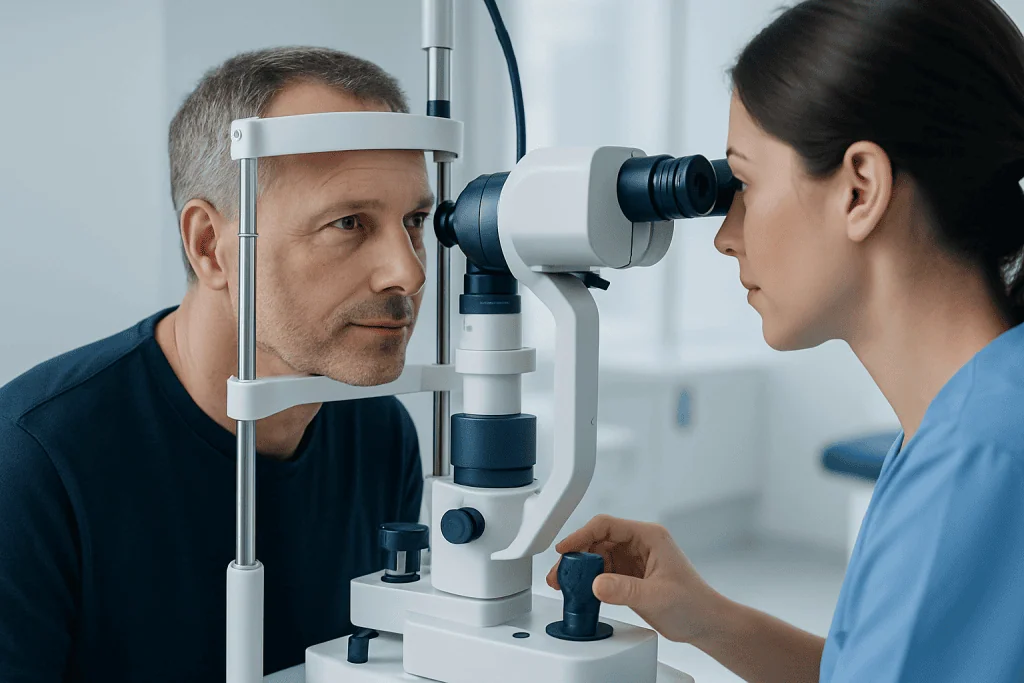
An ophthalmologist, often with neuro-ophthalmology input, reviews the pattern and timing of vision loss, medical history and medicines. The examination usually includes visual acuity, pupil responses, colour vision, visual field testing and a detailed examination of the optic nerve. In NAION, the optic nerve often appears swollen early in the condition.
Testing is selected according to the person’s symptoms and examination findings. Blood tests may be arranged urgently when giant cell arteritis is possible, particularly in older adults with new headache, scalp tenderness, jaw pain while chewing, fever, unexplained weight loss or muscle aching. Imaging such as MRI may be needed when the presentation is not typical or another optic nerve problem must be excluded.
Doctors also assess potentially relevant factors such as diabetes, high blood pressure, high cholesterol, anaemia, sleep apnea, smoking and cardiovascular disease. A medication review is valuable, because some medicines can affect blood pressure or circulation. This assessment does not mean a person caused NAION; it helps clinicians make a thoughtful plan for future health.
Who May Need Further Treatment and What the Care Plan Looks Like
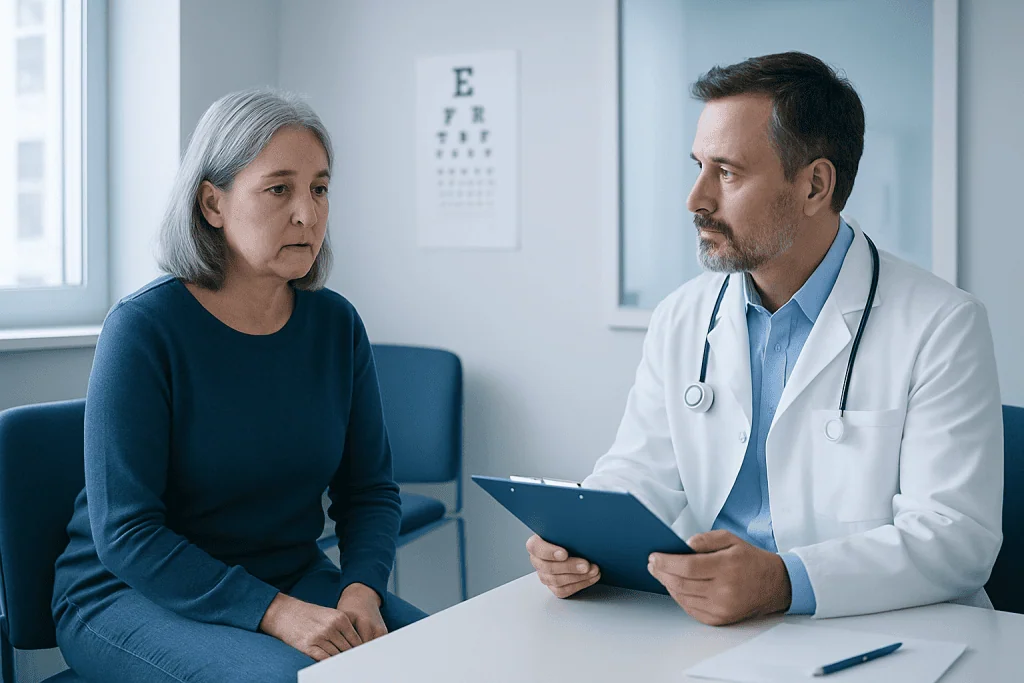
There is no single procedure for NAION. Most people do not need eye surgery for the condition itself. Instead, candidacy for particular interventions depends on what testing shows: treatment may be needed for newly identified sleep apnea, diabetes, high cholesterol, uncontrolled blood pressure or another condition affecting vascular health.
The care pathway typically starts with a same-day or urgent eye assessment for new symptoms. The clinician then performs an eye examination, arranges targeted blood tests or imaging when appropriate, and explains whether the findings fit NAION or point to another cause. Follow-up appointments measure visual function and monitor whether optic nerve swelling is resolving.
Management is often shared between an ophthalmologist, primary care clinician and, when indicated, specialists in neurology, sleep medicine, cardiology or endocrinology. Treating obstructive sleep apnea with sleep apnea treatment may be recommended when it is diagnosed. The purpose is to improve overall health and potentially reduce risks relevant to the unaffected eye, rather than to promise recovery of established visual loss.
Some people benefit from low-vision rehabilitation, including magnifiers, lighting adjustments, visual aids and occupational therapy strategies. These services can help with reading, work tasks, mobility and confidence while vision stabilizes.
Benefits, Risks and the Role of Steroids and Clinical Trials
The main benefit of prompt NAION care is accurate diagnosis. It allows urgent conditions to be excluded, supports management of modifiable risks and provides practical help for vision changes. Many people also find that clear follow-up plans reduce uncertainty while the eye recovers from the acute event.
Are steroids effective in treating NAION? Steroids are not established as a routine treatment for typical NAION. Some studies have explored whether they could reduce optic nerve swelling or improve outcomes in selected situations, but evidence has not shown a consistent enough benefit to support standard use. Steroids can also cause important side effects, including raised blood sugar, blood pressure changes, mood effects, infection risk and bone loss, so a specialist weighs them carefully.
This is distinct from suspected giant cell arteritis, where corticosteroids are started urgently because the condition can rapidly threaten vision in the other eye. People should not start, stop or change steroids on their own. The clinical context and test results matter.
NAION clinical trials continue to investigate possible neuroprotective treatments and other approaches. Participation may be an option for some eligible people, but an investigational treatment should be understood as research rather than proven care. A clinician can explain whether a trial is available and appropriate.
How Long Does It Take for NAION to Heal?
NAION does not “heal” in the same way as a surface eye injury because it involves damage to optic nerve fibres. The optic nerve swelling commonly improves over several weeks, often within about six to eight weeks, while vision changes may stabilize over the following months. The exact timeline varies from person to person.
Some people notice partial visual improvement in the first weeks or months, while others have a stable blind spot, dimness or reduced clarity. Once the initial phase has settled, major additional changes are less common, although each experience is individual. Follow-up visual field tests can provide a clearer picture of change over time.
Recovery also includes practical adjustment. Updating glasses if needed, improving home lighting, using contrast-enhancing tools and asking about low-vision services can make daily activities easier. Emotional responses to sudden visual loss are understandable, and discussing concerns with the care team can be helpful.
Does Vision Come Back After NAION? What Is the Prognosis for NAION Eye?
Does vision come back after NAION? Partial improvement is possible, especially during the first few months, but complete return to previous vision cannot be expected or guaranteed. The outcome depends on the location and extent of optic nerve injury, the degree of visual field loss at presentation and individual health factors.
What is the prognosis for NAION eye? For many people, vision becomes stable after the acute period. Central reading vision may remain relatively good in some cases even when part of the visual field is missing; in others, central vision is more affected. An eye specialist can explain the individual visual field pattern and discuss ways to maximize remaining vision.
NAION usually affects one eye initially. The chance of involvement in the other eye exists but is not certain, which is why attention to sleep apnea, blood sugar, cholesterol, smoking and cardiovascular health is meaningful. Medical care should focus on safe risk reduction rather than blame or unproven treatments.
Acibadem International’s multidisciplinary specialists and JCI-accredited hospitals can assess optic nerve conditions and coordinate ophthalmology care with relevant medical specialties for international patients.
When to Seek Medical Care
Sudden loss of vision, a new dark area in vision, marked dimming, double vision or a rapidly changing visual symptom should be assessed urgently, ideally the same day. Even if symptoms seem painless or limited to one eye, urgent evaluation is important because several eye, nerve and vascular conditions can look similar at first.
Emergency medical assessment is especially important if vision symptoms occur with a new severe headache, scalp tenderness, jaw pain while chewing, weakness, numbness, facial drooping, trouble speaking, loss of balance, chest pain or shortness of breath. These symptoms may indicate a condition other than typical NAION that needs immediate care.
After a NAION diagnosis, patients should attend planned follow-up visits and contact their clinician promptly if vision worsens, the other eye develops symptoms or medicine side effects occur. Continued communication with the eye specialist and primary care team helps ensure that health risks are addressed safely.
Frequently asked questions
How do you treat NAION in the eye?
Treatment starts with urgent eye assessment to confirm NAION and rule out other causes of sudden vision loss, especially giant cell arteritis. There is no proven therapy that reliably reverses vision loss from established NAION. Care usually includes management of related health factors, regular monitoring and low-vision support when needed.
Can NAION be cured?
There is currently no cure that can reliably repair optic nerve damage from NAION. However, the condition often stabilizes, and some people have partial improvement in vision. Treating sleep apnea and vascular risk factors is an important part of longer-term care.
Are steroids effective in treating NAION?
Steroids are not routinely recommended for typical NAION because evidence has not shown a consistent benefit that outweighs their risks. They are used urgently when giant cell arteritis is suspected, which is a different condition that can cause similar vision loss. A specialist should decide whether steroids are appropriate in any individual situation.
How long does it take for NAION to heal?
Optic nerve swelling often settles over several weeks, commonly around six to eight weeks, while visual changes may continue to stabilize for months. Some people experience partial improvement early on, while others have lasting changes. Follow-up testing helps track the individual course.
Does vision come back after NAION?
Some people regain part of their vision after NAION, particularly in the first few months, but recovery is variable. Full restoration of sight is not guaranteed because the optic nerve can be permanently affected. Low-vision aids and rehabilitation can help people make the best use of remaining vision.
What is the prognosis for NAION eye?
The visual outcome varies, but many people reach a stable level of vision after the acute phase. NAION can affect the other eye in some people, so managing diabetes, blood pressure, cholesterol, sleep apnea and smoking exposure is important. Regular ophthalmology follow-up supports early recognition of any new symptoms.
References
- American Academy of Ophthalmology
- National Eye Institute
- Mayo Clinic
- North American Neuro-Ophthalmology Society
- National Institutes of Health
This article is for general information only and is not a substitute for professional medical advice. Please consult a qualified doctor about your individual situation.
Explore treatments in Turkey — costs, top hospitals & a free quote
JCI-accredited · board-certified surgeons · reply within 24h
Add us as a Preferred Source to see more of our trusted health content across Google Search, AI Overviews and Discover.
Check your numbers in seconds
BMI, calories, due date, blood pressure and 30+ more clinical calculators — free, instant, doctor-reviewed ranges.