Nano 24 Cancer Treatment: How It Works, Results and What to Expect

“Nano 24” is not a standard term used in major cancer treatment guidelines or routine oncology care. Nanotechnology is an active area of cancer research, but most nanomedicine approaches are not nanobots and may not be appropriate for every cancer.
Key Takeaways
- “Nano 24” is not a standard term used in major cancer treatment guidelines or routine oncology care.
- Nanotechnology is an active area of cancer research, but most nanomedicine approaches are not nanobots and may not be appropriate for every cancer.
- Cancer treatment choices depend on the cancer type, stage, tumor biology, overall health and personal goals.
- Doctors monitor response using symptoms, examinations, blood tests, scans and sometimes repeat biopsies.
- Stage 4 cancer should be assessed promptly by an oncology team; some cancers can be controlled for long periods, but avoiding effective treatment can allow disease to progress.
Nano 24 cancer treatment is not a recognized, evidence-based name for a standard cancer procedure or medicine. People considering a treatment described this way should ask for its exact medical name, clinical-trial status, expected benefits, risks and alternatives before making decisions.
Overview: What Does Nano 24 Cancer Treatment Mean?
Nano 24 cancer treatment is not a standard name for a cancer medicine, procedure or guideline-supported treatment plan. The phrase may appear online in relation to nanotechnology, experimental products, complementary approaches, or claims that are not supported by high-quality clinical evidence. It is important not to assume that a treatment is proven simply because it sounds advanced or uses terms such as “nano,” “targeted,” or “precision.”
Nanotechnology refers to work with materials and devices at an extremely small scale. In cancer medicine, researchers are studying ways to use nanoparticles to carry medicines, improve imaging, release a drug under certain conditions, or help direct treatment toward tumors. Some nanoparticle-based medicines are already used in selected settings, but their use is specific to the medicine, cancer type and individual treatment plan.
A person who has been offered something called Nano24 should request the exact product or procedure name, the active ingredients or device details, the intended purpose, and whether it is approved or being studied in a registered clinical trial. These details allow an oncologist to assess the evidence and discuss safer, established options where appropriate.
Can Nano24 Be Used to Treat Cancer?
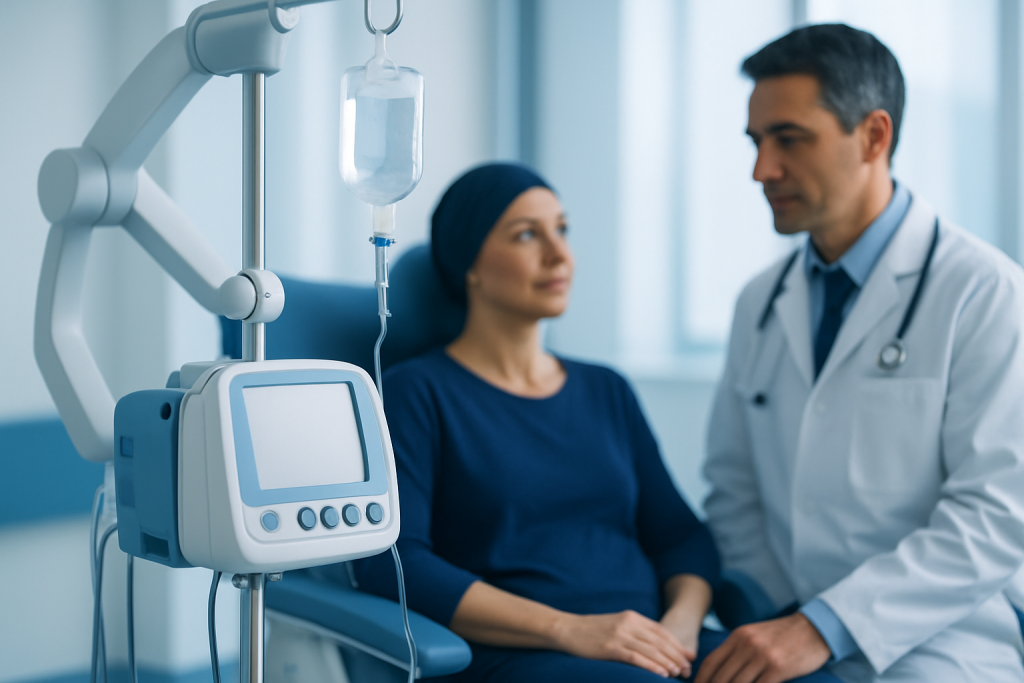
There is no established cancer treatment called Nano24 in major oncology guidelines. Therefore, it should not be viewed as a replacement for treatments recommended by a qualified cancer team. Established care may include surgery, radiation therapy, chemotherapy, immunotherapy, hormone therapy, targeted medicines, cellular therapies or supportive and palliative care, depending on the diagnosis.
Nanotechnology itself can have legitimate medical uses. For example, certain medicines use very small carrier particles to change how a drug travels in the body. However, this does not mean that every “nano” product treats cancer, reaches only tumor cells, or is free from side effects. A treatment must be tested carefully in clinical trials for a particular cancer before its benefits and risks can be understood.
Before considering an unfamiliar option, patients can ask whether it has been evaluated in peer-reviewed research, approved by the relevant health authority, or offered through an ethically supervised clinical trial. A second opinion from a medical oncologist can be particularly helpful if a proposed treatment requires stopping or delaying standard care.
How Cancer Treatment Is Selected and Delivered

Cancer treatment is planned around the specific diagnosis rather than a single treatment name. The care team considers where the cancer started, its stage, imaging findings, pathology results, molecular or genetic features when relevant, prior treatments, other medical conditions and the person’s priorities. Many patients benefit from discussion at a multidisciplinary tumor board involving medical oncologists, surgeons, radiation oncologists, radiologists, pathologists and supportive-care specialists.
For many cancers, testing of the tumor can help identify treatments more likely to be useful. This may include receptor testing, biomarker analysis, or genomic profiling in selected cases. These tests do not guarantee a response, but they can guide a more individualized conversation about possible treatment options.
Treatment may be given with curative intent, to reduce the chance of recurrence after local treatment, to control advanced cancer, or to relieve symptoms and protect quality of life. Medical oncology care commonly includes planning systemic treatments and monitoring their effect over time. Supportive care can be provided alongside active treatment at every stage.
- Surgery may remove a tumor or relieve a complication.
- Radiation therapy uses focused radiation to treat a defined area.
- Systemic treatment travels through the bloodstream and may include chemotherapy, immunotherapy, targeted therapy or hormone therapy.
- Clinical trials may offer access to carefully monitored investigational approaches for eligible patients.
What to Expect: Evaluation, Treatment Steps and Recovery
The first step is usually a full evaluation. This may include review of biopsy results, imaging scans, blood tests, medical history and current symptoms. The oncology team explains the treatment goal, likely schedule, potential side effects, possible alternatives and what to do if new symptoms develop. Patients are encouraged to bring questions and, if desired, a family member or support person to appointments.
The treatment process differs greatly by treatment type. Surgery often involves pre-operative assessment, a procedure, observation in hospital or at home, and follow-up for wound healing and pathology results. Radiation therapy usually begins with planning scans and positioning before a series of outpatient sessions. Systemic therapy may be given by infusion, injection or tablets, with regular blood tests and clinical checks.
Recovery is also individual. Some people return quickly to usual activities, while others need weeks or longer to rebuild energy, manage side effects or recover after an operation. Fatigue, appetite changes, nausea, skin changes, pain, emotional strain and sleep disruption can occur with cancer or its treatment, but many can be eased with early support. Patients should report symptoms rather than trying to manage severe or persistent problems alone.
Acibadem International’s multidisciplinary specialists and JCI-accredited hospitals support international patients with cancer diagnosis, treatment planning and follow-up care. Care may also include radiation oncology or oncologic surgery when these treatments are suitable for the individual diagnosis.
How Do You Know Your Cancer Treatment Is Working?
Doctors assess whether cancer treatment is working by combining several types of information. Depending on the cancer, this may include changes in symptoms, physical examination, blood tests, tumor markers, imaging scans and, in some situations, repeat biopsy or molecular testing. A single result rarely tells the whole story, so trends over time are often more useful than one measurement.
Scans may show that tumors have shrunk, stayed stable or grown. In some cancers, stable disease can be a meaningful outcome, especially when treatment is controlling symptoms and preventing further spread. Tumor markers can be helpful for selected cancers, but they are not reliable for everyone and should be interpreted alongside clinical findings and imaging.
Response assessments are scheduled at intervals that match the treatment and cancer type. Some treatments, particularly immunotherapy, can produce complex scan patterns early on. For this reason, patients should not change or stop treatment based on a symptom, online claim or isolated test result without discussing it with their oncology team.
Can Nanobots Destroy Cancer Cells?
Nanobots that travel through the body, identify every cancer cell and destroy it independently are not part of routine cancer care. This idea is often presented in science fiction and promotional claims, but it does not reflect a clinically available treatment for most patients. Cancer is biologically complex, and tumors can vary between patients and even within different areas of the same tumor.
Researchers are developing nanoscale technologies, including particles that may carry medicines or respond to features of a tumor environment. These approaches are different from autonomous robots. They must still overcome important challenges, such as reaching the tumor in sufficient amounts, avoiding healthy tissue, clearing safely from the body and proving meaningful benefits in human studies.
Patients interested in emerging technologies can ask their oncologist about appropriate clinical trials. A legitimate study should explain its purpose, eligibility criteria, possible harms, alternatives, costs, consent process and oversight. Participation in research should be voluntary and should never depend on promises of a cure.
Benefits, Risks and Safe Decision-Making
The potential benefit of any cancer treatment depends on the treatment’s evidence for a specific diagnosis. A new or experimental approach may be reasonable within a properly designed clinical trial, especially when standard options have been considered. However, treatment claims that promise universal success, no side effects, or a cure without clear medical documentation should be approached cautiously.
Risks can arise both from an unproven product and from delaying effective cancer care. An unknown treatment may interact with prescribed medicines, affect liver or kidney function, increase bleeding risk, worsen nutritional status, or make it harder to evaluate what is causing new symptoms. “Natural” and “non-invasive” do not automatically mean safe.
Useful questions include:
- What is the exact diagnosis and treatment goal?
- What evidence supports this option for this cancer?
- Is it approved, or is it available only in a registered clinical trial?
- What side effects, interactions and follow-up are expected?
- What are the established alternatives if this treatment does not help?
Patients should tell their oncology team about all supplements, herbal products, injections and treatments being considered. Open discussion helps the team identify potential interactions and support informed choices.
Has Anyone Survived Stage 4 Cancer Without Treatment?
Some people with stage 4 cancer live longer than expected, and a small number may have unusually slow-growing disease. Rare individual stories, however, cannot predict what will happen for another person or show that declining treatment caused a favorable outcome. Stage 4 cancer means that cancer has spread to distant parts of the body, but its outlook varies widely by cancer type, biology, extent of spread and response to treatment.
For many people, treatment can slow cancer growth, reduce symptoms, prevent complications and extend life. In some advanced cancers, modern therapies can provide long periods of disease control. Even when cure is unlikely, active cancer treatment and palliative care can both play important roles in comfort, function and personal goals.
People who are uncertain about recommended treatment should ask for a detailed goals-of-care discussion and consider a second oncology opinion. Choosing not to receive anti-cancer treatment does not mean receiving no care: symptom management, emotional support, nutrition support and palliative care remain available and valuable.
When to Seek Medical Care
A person with a known or suspected cancer should contact a doctor promptly for new, worsening or persistent symptoms. This includes increasing pain, unexplained weight loss, ongoing vomiting, worsening breathlessness, new weakness or numbness, jaundice, a growing lump, or bleeding that is unusual for them. Prompt assessment can identify complications and help manage symptoms early.
Urgent medical attention is needed for severe shortness of breath, chest pain, confusion, fainting, seizures, uncontrolled bleeding, sudden weakness on one side of the body, a high fever during chemotherapy, or inability to keep fluids down. Patients receiving systemic treatment should follow the emergency instructions provided by their care team, as some symptoms require same-day assessment.
Anyone offered Nano24 or another unfamiliar cancer intervention should speak with a qualified oncologist before starting it or discontinuing prescribed treatment. Clear information, second opinions and shared decision-making can help patients choose care that fits both the evidence and their individual needs.
Frequently asked questions
Is Nano 24 cancer treatment an approved cancer therapy?
Nano 24 is not a standard name for an approved or guideline-based cancer treatment. Because names can be used inconsistently online, patients should ask for the exact product, drug, device or trial protocol and review it with an oncologist.
Are nanoparticle medicines used in cancer care?
Some cancer medicines use nanoparticle delivery systems in specific clinical situations. Their usefulness depends on the particular medicine and cancer diagnosis, and they are not the same as autonomous nanobots.
Can I use an experimental treatment alongside chemotherapy or immunotherapy?
Some complementary products or experimental interventions can interact with cancer medicines or affect treatment safety. Patients should discuss any treatment, supplement or injection with their oncology team before using it.
How often are scans done to check treatment response?
The timing depends on the cancer type, treatment and clinical situation. Oncology teams commonly schedule imaging after a planned number of treatment cycles or at intervals appropriate for the treatment plan.
What does stable disease mean in cancer treatment?
Stable disease generally means that cancer has not grown enough to meet criteria for progression and has not shrunk enough to be called a response. In advanced cancer, stable disease may be a useful treatment result when it is accompanied by acceptable side effects and symptom control.
Should a person with stage 4 cancer get a second opinion?
A second opinion can be useful, particularly when the diagnosis is uncommon, the treatment choices are complex, or a person is considering an unfamiliar therapy. It can confirm the diagnosis, review treatment options and help clarify personal goals of care.
References
- National Cancer Institute
- American Cancer Society
- European Society for Medical Oncology
- World Health Organization
- U.S. Food and Drug Administration
This article is for general information only and is not a substitute for professional medical advice. Please consult a qualified doctor about your individual situation.
Oncology care in Turkey — second opinion and treatment plan
JCI-accredited · board-certified surgeons · reply within 24h
Add us as a Preferred Source to see more of our trusted health content across Google Search, AI Overviews and Discover.

More from the Health Library



Related Specialists

Prof. Dr. Mustafa Öztürk
Radiology
Prof. Dr. Muazzez Çevik
Pediatric Surgery
Prof. Dr. Dilaver Özturan
Otorhinolaryngology
Dyt. Semra Pehlivan
Nutrition & Diet