

Nanotechnology Surgery: Procedure, Recovery and Results

Nanotechnology surgery describes several technologies rather than a single established surgical procedure. Some nano-enabled materials and tools are already used in selected medical settings, while many applications remain under clinical research.
Key Takeaways
- Nanotechnology surgery describes several technologies rather than a single established surgical procedure.
- Some nano-enabled materials and tools are already used in selected medical settings, while many applications remain under clinical research.
- Potential advantages include more targeted treatment, improved visualization, and reduced disruption to healthy tissue in appropriate cases.
- Recovery is determined mainly by the underlying procedure, the treatment area, and the person's overall health.
- All nano-enabled treatments have possible risks, including usual surgical risks and technology-specific uncertainties.
- A qualified specialist can explain whether an available nano-enabled approach is appropriate for an individual condition.
Nanotechnology surgery is an emerging area of medicine that uses extremely small-scale materials, sensors, imaging methods, or delivery systems to make surgery and related treatments more precise. It is not one standard operation: availability, benefits, recovery, and results depend on the condition being treated and the technology used.
Overview: What Is Nanotechnology Surgery?
Nanotechnology surgery refers to the use of technology engineered at a very small scale to assist with diagnosis, planning, treatment delivery, or surgery. A nanometer is one billionth of a meter. At this scale, materials can have properties that may be useful in medicine, such as carrying a medicine to a particular tissue, improving imaging contrast, responding to heat or light, or supporting tissue repair.
It is important to understand that nanotechnology surgery is not a single operation with one standard method or recovery plan. In some settings, nano-enabled products are used alongside established surgery, imaging, oncology care, or wound treatment. Other proposed uses, such as microscopic devices that travel through the bloodstream and perform surgery independently, are still experimental concepts rather than routine clinical care.
For patients, the most relevant question is usually whether a specific technology is approved, evidence-based, and available for their particular diagnosis. A surgical team should explain the purpose of the technology, the established alternatives, the expected benefit, and any uncertainties before treatment.
How Nano-Enabled Surgical Care Works
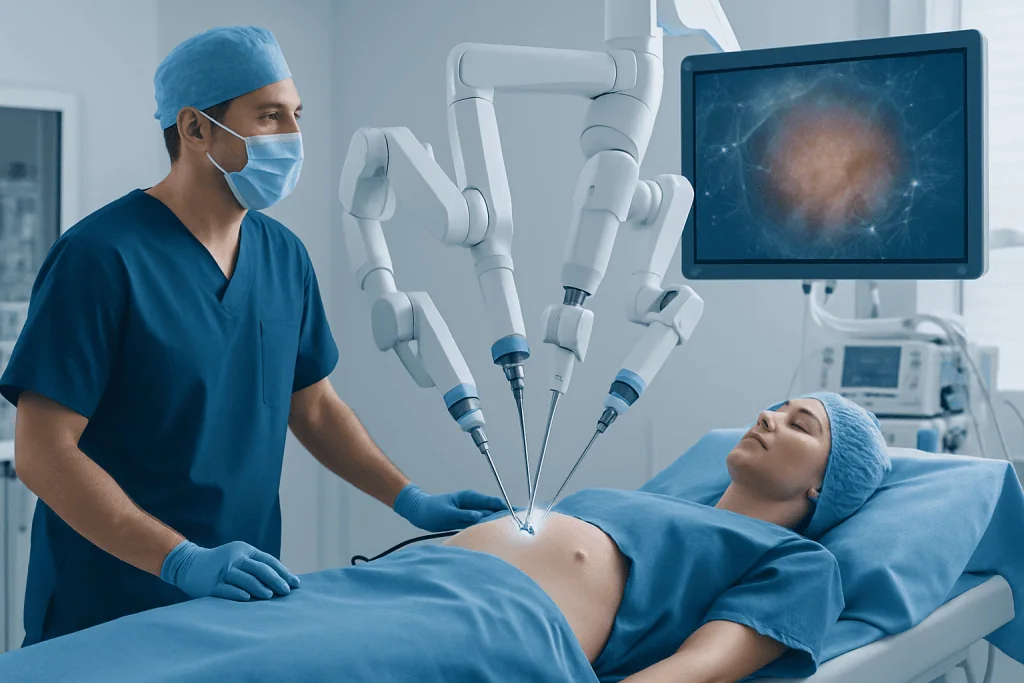
Nanotechnology may be incorporated into care in several ways. Nanoparticles can be designed to carry medication, heat, or imaging agents. Because their surface can be modified, they may be more likely to reach or remain in certain tissues than conventional formulations. In oncology, for example, nano-enabled approaches are being studied and used selectively to help visualize tumors, deliver treatment, or support image-guided procedures.
Some applications involve improved surgical materials rather than tiny devices. These may include antimicrobial surface coatings, specialized wound dressings, implant coatings, or materials intended to support healing. The clinical usefulness of each product depends on its design, regulatory status, and the situation in which it is used.
Nanoscale imaging and sensing technologies may also help surgeons identify tissue boundaries or monitor biological signals with greater detail. However, enhanced imaging does not replace a surgeon’s judgment, pathology results, or standard safety processes. It is generally one component of a broader treatment plan.
Care involving a nano-enabled technology should still follow familiar principles: a clear diagnosis, appropriate imaging and laboratory assessment, informed consent, sterile technique, anesthesia planning when needed, and follow-up based on the underlying procedure.
Who May Be a Candidate?

Candidacy depends on the medical condition, the treatment goal, and whether a relevant nano-enabled option is supported by clinical evidence. A person may be considered when the technology could improve visualization, enable targeted delivery, support reconstruction, or help address a specific treatment challenge that cannot be managed as effectively with standard methods alone.
Doctors assess the location and stage of disease, previous treatments, allergies, kidney and liver function where relevant, immune status, pregnancy status, medications, and overall ability to undergo a procedure. For cancer-related care, decisions are often made by a multidisciplinary team that may include surgeons, medical oncologists, radiation oncologists, radiologists, pathologists, and other specialists.
Not every patient benefits from the newest available technology. Standard surgery or established minimally invasive techniques may be safer, more accessible, or better supported by long-term evidence for many conditions. Patients should be cautious about claims that nanotechnology can universally replace surgery, cure disease, or guarantee a faster recovery.
When evaluating an option, it is reasonable to ask whether it is part of routine care or a clinical trial, what evidence supports it, what alternatives exist, and how outcomes will be monitored. A second opinion may be helpful when a proposed treatment is new, highly specialized, or complex.
What Happens During the Procedure?
The exact steps vary widely. Before treatment, the team confirms the diagnosis and treatment plan, reviews medical history and medications, discusses anesthesia or sedation where appropriate, and obtains consent. Pre-procedure tests may include blood tests, imaging, heart assessment, or other evaluations based on the planned intervention.
During a surgical procedure, the surgeon performs the established operation needed to remove, repair, reconstruct, or examine tissue. A nano-enabled agent or tool may be introduced before or during surgery to improve imaging, guide targeted treatment, support a material used in repair, or assist another defined purpose. It does not eliminate the need for normal operating-room safety standards.
If a nano-enabled medication or imaging product is used, clinicians monitor for reactions and for effects on vital signs. Tissue removed during surgery may still be sent for pathology, since microscopic examination remains central to diagnosing many diseases and confirming surgical margins.
Afterward, the team provides a recovery plan that covers pain control, incision care, movement, eating and drinking, activity restrictions, follow-up appointments, and symptoms that require prompt contact. The plan should be tailored to the operation rather than based only on the use of nanotechnology.
Benefits, Limits, and Possible Risks
The potential benefits of nano-enabled surgical care include more detailed visualization, delivery of treatment closer to a target, improved material performance, and the possibility of reducing exposure of healthy tissue in selected circumstances. These benefits are not automatic. They depend on the specific device, material, medicine, or imaging method and on the evidence supporting its use.
Risks include those of the underlying procedure, such as bleeding, infection, blood clots, anesthesia complications, pain, scarring, or damage to nearby structures. Depending on the technology, additional concerns can include allergic or inflammatory reactions, unexpected distribution of a material in the body, interactions with medicines, device malfunction, or uncertainty about long-term effects.
Regulatory approval and clinical experience differ among products and countries. A treatment offered through a research study may have potential value, but it can also involve unknowns and additional testing. Participation should be voluntary and based on a clear discussion of the study’s purpose, possible benefits, risks, alternatives, and follow-up requirements.
Results should be judged by meaningful clinical outcomes, such as symptom improvement, disease control, healing, function, and quality of life—not simply by the fact that a technology is new or highly advanced.
Recovery Timeline and Self-Care
Recovery after nanotechnology surgery is mainly shaped by the type and extent of surgery. A minor outpatient procedure may involve a short observation period and a return to light activities within days. Major surgery may require a hospital stay and recovery over several weeks or longer. The addition of a nano-enabled imaging or treatment component does not necessarily shorten recovery.
In the first days after surgery, patients may have temporary pain, fatigue, swelling, bruising, nausea, or reduced appetite. The care team will advise on taking prescribed medicines, keeping wounds clean and dry, bathing, diet, movement, driving, work, and lifting restrictions. Following these instructions helps support safe healing.
Follow-up may include wound checks, imaging, laboratory monitoring, physical rehabilitation, pathology review, or assessment of the response to treatment. Patients should attend all planned appointments, particularly if a specialized drug, implant, imaging agent, or investigational material has been used.
General self-care includes resting while gradually increasing activity as advised, drinking adequate fluids unless restricted, eating nutritious foods, avoiding tobacco products, and informing clinicians about all medicines and supplements. Patients should not add over-the-counter remedies or supplements without checking with their care team, especially after cancer treatment or major surgery.
When to Seek Medical Care
Patients should contact their surgical team promptly for worsening pain that is not relieved by the recommended plan, increasing redness or drainage from a wound, persistent vomiting, inability to drink fluids, new swelling, fever, or symptoms that concern them. The appropriate contact method and expected postoperative symptoms should be discussed before discharge.
Urgent medical assessment is needed for severe shortness of breath, chest pain, fainting, sudden confusion, uncontrolled bleeding, signs of a serious allergic reaction such as facial swelling or trouble breathing, or new weakness or difficulty speaking. These symptoms may be unrelated to nanotechnology itself but require immediate evaluation.
People considering a nano-enabled procedure should seek care from a qualified specialist who can discuss the diagnosis and evidence-based treatment options. Acibadem International’s multidisciplinary specialists and JCI-accredited hospitals diagnose and treat complex conditions for international patients, with treatment decisions guided by individual clinical needs.
For any planned procedure, patients can ask for written instructions and a clear explanation of the expected recovery pathway. Understanding what is routine, what is uncertain, and when to ask for help can make the treatment experience more manageable.
Frequently asked questions
Is nanotechnology surgery a real type of surgery?
Nanotechnology surgery is a broad term for using nanoscale materials, tools, imaging, or drug-delivery methods in surgical and related medical care. It is not one standardized operation. Some applications are used in selected settings, while others are still being researched.
Can nanotechnology replace conventional surgery?
In most cases, no. Nano-enabled technologies may support a conventional operation by improving imaging, delivering a treatment, or enhancing a medical material. Whether surgery can be avoided depends on the underlying condition and established treatment options.
Is nanotechnology surgery safe?
Safety depends on the particular product or procedure, the person's health, and how the technology is used. Approved technologies are evaluated for safety and effectiveness, but every procedure has risks. A specialist should explain both routine surgical risks and any technology-specific considerations.
How long does recovery take after nanotechnology surgery?
Recovery is based primarily on the surgery or treatment being performed, not on the term nanotechnology alone. Some procedures allow recovery in days, whereas major operations can require weeks or months. The surgical team can provide the most accurate timeline for an individual case.
Are nano-enabled treatments experimental?
Some are part of established care, such as certain drug formulations, imaging approaches, or specialized medical materials. Others are available only through clinical research. Patients should ask whether a recommended option is routine care, approved for the intended use, or part of a clinical trial.
What questions should patients ask before a nano-enabled procedure?
Patients can ask what the technology is intended to do, why it is recommended, what evidence supports it, and what alternatives are available. It is also useful to ask about expected recovery, known and unknown risks, follow-up needs, and who to contact if symptoms develop after treatment.
References
- World Health Organization
- United States Food and Drug Administration
- National Cancer Institute
- National Institutes of Health
- European Medicines Agency
This article is for general information only and is not a substitute for professional medical advice. Please consult a qualified doctor about your individual situation.
Explore treatments in Turkey — costs, top hospitals & a free quote
JCI-accredited · board-certified surgeons · reply within 24h
Add us as a Preferred Source to see more of our trusted health content across Google Search, AI Overviews and Discover.

More from the Health Library



Related Specialists

Prof. Dr. Can Çalışkan
Gastrointestinal Oncology Unit Clinical Service
Dr. Fatma Kutlusoy Güçlü
Gynecology & Obstetrics
Dr. Burcu Solmaz
Pediatrics
Assoc. Prof. Dr. Emrullah Hayta
Physical Medicine & Rehabilitation