Narcolepsy Type 2 — Explained by Medical Evidence, Not Myths

Narcolepsy type 2 causes excessive daytime sleepiness but does not include cataplexy. It is a neurologic sleep-wake disorder, not a sign of laziness or poor motivation.
Key Takeaways
- Narcolepsy type 2 causes excessive daytime sleepiness but does not include cataplexy.
- It is a neurologic sleep-wake disorder, not a sign of laziness or poor motivation.
- Diagnosis often involves overnight sleep testing and a multiple sleep latency test.
- Treatment may include lifestyle strategies, scheduled naps, and prescribed medicines.
- Other causes of sleepiness such as sleep apnea, insufficient sleep, and medication effects must be ruled out.
Narcolepsy type 2 is a chronic neurologic sleep disorder that causes excessive daytime sleepiness without cataplexy, the sudden muscle weakness seen in narcolepsy type 1. Diagnosis usually requires a careful sleep history and specialized sleep testing, and treatment focuses on improving alertness, daily function, and safety.
Overview: what narcolepsy type 2 means
Narcolepsy type 2 is a chronic disorder of sleep-wake regulation. In practical terms, it means a person feels persistently and often overwhelmingly sleepy during the day, even after what seems like a full night’s sleep. Unlike narcolepsy type 1, it does not include cataplexy, which is a sudden loss of muscle tone triggered by strong emotions such as laughter or surprise.
This condition is neurological rather than psychological. It reflects changes in how the brain controls alertness, REM sleep, and the boundaries between sleeping and waking. Because daytime sleepiness can be mistaken for stress, overwork, depression, or simply “not sleeping enough,” narcolepsy type 2 is sometimes recognized later than it should be.
Narcolepsy type 2 can affect school, work, driving, concentration, memory, and mood. Symptoms often fluctuate from day to day, and many people learn to compensate for a long time before seeking help. A clear diagnosis matters because effective treatment and practical coping strategies can make daily life safer and more manageable.
How symptoms can appear in daily life
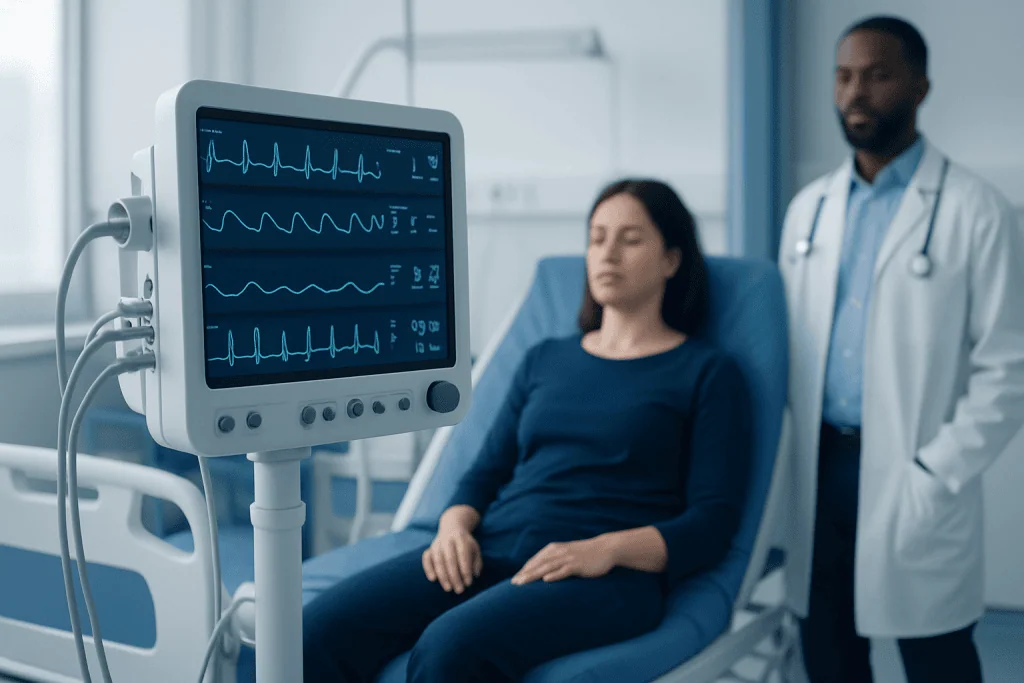
The hallmark symptom of narcolepsy type 2 is excessive daytime sleepiness. This is more than feeling tired after a poor night. People may struggle to stay awake in meetings, while reading, during conversations, or even while eating. Some experience sudden “sleep attacks,” while others describe a constant mental fog, heavy eyelids, and a strong need to nap.
Short naps may feel refreshing, but the sleepiness often returns. Concentration and attention can be affected, and automatic behaviors may occur. This means a person may continue a simple activity, such as writing or typing, with reduced awareness and then have little memory of it afterward.
Some people with narcolepsy type 2 also have vivid dream-like experiences as they are falling asleep or waking up, called hypnagogic or hypnopompic hallucinations. Sleep paralysis can also occur, causing a brief inability to move when waking or drifting off to sleep. These experiences can be unsettling, but they are related to REM sleep intruding into wakefulness and do not mean a person is losing touch with reality.
- Persistent daytime sleepiness
- Unplanned naps or sudden sleep episodes
- Difficulty concentrating or memory lapses
- Sleep paralysis
- Vivid dream-like experiences at sleep onset or awakening
- Fragmented nighttime sleep in some cases
How narcolepsy type 2 differs from type 1 and other sleep disorders

The most important difference between narcolepsy type 2 and narcolepsy type 1 is the absence of cataplexy. In type 1, a person has cataplexy and/or clear laboratory evidence of low hypocretin, a brain chemical involved in maintaining wakefulness. In type 2, cataplexy is not present, and hypocretin levels are usually normal or not measured.
Even so, the two conditions can look similar at first because both may cause disabling daytime sleepiness and REM-related symptoms. Sometimes a person first diagnosed with narcolepsy type 2 later develops cataplexy, and the diagnosis is then reclassified as type 1. For this reason, follow-up over time is important.
Doctors also need to distinguish narcolepsy type 2 from other common causes of sleepiness. These include sleep deprivation, shift work, insomnia, obstructive sleep apnea, depression, medication side effects, and idiopathic hypersomnia. A thorough evaluation helps avoid mislabeling and guides the right treatment path. If another sleep disorder is suspected, assessment through sleep apnea evaluation may be part of the workup.
Causes and risk factors
The exact cause of narcolepsy type 2 is not fully understood. Researchers believe it involves disruption in the brain systems that regulate wakefulness and REM sleep. However, unlike narcolepsy type 1, type 2 has not been linked as clearly to the loss of hypocretin-producing cells.
In some people, a genetic tendency may contribute, but genes alone usually do not explain the condition. Environmental factors, infections, immune-related mechanisms, or changes in sleep-wake signaling may also play a role, although these links are still being studied. Most patients have no single obvious cause that explains why symptoms started.
Risk factors are therefore better thought of as clues rather than direct causes. A family history of narcolepsy or other sleep disorders may matter in some cases. Symptoms often begin in adolescence or young adulthood, but they can appear at other ages as well. Because long-term sleep deprivation can mimic or worsen symptoms, doctors usually examine lifestyle and sleep patterns carefully before confirming the diagnosis.
How doctors diagnose narcolepsy type 2
Diagnosis begins with a detailed medical history. The doctor asks about daytime sleepiness, sleep habits, work schedule, medications, mental health, and any symptoms that suggest cataplexy, sleep apnea, restless legs syndrome, or other causes of poor sleep. A sleep diary and actigraphy, a wearable device that tracks rest and activity, may be used to document sleep patterns over one to two weeks.
The core diagnostic tests are usually an overnight polysomnogram followed the next day by a multiple sleep latency test, often called an MSLT. The overnight study checks for other sleep disorders and confirms that the person had enough opportunity to sleep. The MSLT measures how quickly someone falls asleep during scheduled daytime naps and whether REM sleep appears unusually early.
Doctors diagnose narcolepsy type 2 when excessive daytime sleepiness has persisted, cataplexy is absent, and sleep testing shows findings consistent with narcolepsy after other explanations have been ruled out. In selected situations, further neurologic or laboratory evaluation may be needed. A comprehensive sleep study and polysomnography is often central to confirming the diagnosis, and consultation in neurology care may help when symptoms overlap with other neurologic conditions.
Because test results can be affected by poor sleep, shift work, medicines, and untreated sleep disorders, preparation matters. A doctor may advise stopping certain medications when safe and ensuring a regular sleep schedule before testing. This careful approach helps improve accuracy and reduces the chance of a misleading result.
Treatment options and long-term management
There is no single cure for narcolepsy type 2, but treatment can significantly reduce symptoms and improve quality of life. Management usually combines behavioral strategies with prescription medicines chosen according to the person’s symptoms, age, daily responsibilities, and other health conditions. The goal is better daytime alertness, safer functioning, and more consistent daily routines.
Behavioral measures are an important foundation. Regular sleep and wake times, planned short naps, and good sleep hygiene can help reduce sleepiness. Limiting alcohol and discussing sedating medicines with a doctor may also make a meaningful difference. For people whose work or school demands are affected, practical accommodations such as scheduled breaks or flexible timing may be useful.
Medicines may be prescribed to improve wakefulness or reduce severe daytime sleepiness. The exact drug choice and monitoring plan should be individualized by a qualified clinician, especially because some medicines can affect blood pressure, mood, appetite, or nighttime sleep. Ongoing review is important since symptoms and response to treatment can change over time.
When sleepiness remains difficult to control or the diagnosis is uncertain, referral to a dedicated sleep disorders center can support more tailored care. Multidisciplinary follow-up may include sleep specialists, neurologists, and when needed, mental health professionals to address the broader impact of living with a chronic sleep disorder.
Self-care, safety, and living well with the condition
Daily habits can strongly influence how manageable narcolepsy type 2 feels. A consistent routine, sufficient nighttime sleep, and strategically timed naps often help patients function more predictably. Many people benefit from keeping a symptom journal to identify patterns related to meals, stress, medications, and work schedules.
Safety deserves special attention. Daytime sleepiness can raise the risk of accidents during driving, operating machinery, cooking, or climbing stairs. A person who feels drowsy should avoid driving or stop and rest, even if the trip seems short. Families, teachers, and employers may be more supportive when they understand that the problem is a medical disorder rather than lack of effort.
Mood changes, frustration, and social embarrassment can occur, especially before diagnosis. Support from healthcare professionals, trusted family members, or patient support groups may help reduce isolation. It may also help to learn about related conditions such as narcolepsy more broadly, while remembering that treatment should always be individualized to the exact type and symptom pattern.
Near the end of the care journey, some patients seek coordinated specialist review. Acibadem International’s multidisciplinary specialists in JCI-accredited hospitals diagnose and treat sleep-related neurologic conditions for international patients when advanced assessment is needed.
When to seek medical care
Medical evaluation is important when daytime sleepiness is persistent, interferes with school or work, or creates safety concerns. People should seek care if they fall asleep unintentionally, struggle to stay awake while driving, or experience episodes of sleep paralysis or vivid dream-like experiences that are becoming frequent or distressing.
Prompt assessment is also sensible when symptoms are new, worsening, or accompanied by snoring, pauses in breathing during sleep, leg discomfort, depression, or medication changes. These features may point to another treatable sleep problem or a combination of conditions rather than narcolepsy type 2 alone.
Emergency care is not usually needed for narcolepsy itself, but immediate medical attention is appropriate after a sleep-related accident or injury. A qualified doctor can decide whether symptoms fit narcolepsy type 2, another sleep disorder, or a different medical cause of fatigue and impaired alertness.
Frequently asked questions
What is narcolepsy type 2?
Narcolepsy type 2 is a chronic neurologic sleep disorder marked by excessive daytime sleepiness without cataplexy. It affects how the brain regulates wakefulness and REM sleep, so a person may feel sleepy even after adequate time in bed.
How is narcolepsy type 2 different from narcolepsy type 1?
The main difference is that narcolepsy type 1 includes cataplexy or evidence of low hypocretin, while type 2 does not. Both can cause severe daytime sleepiness, but the underlying biology and diagnostic criteria are not exactly the same.
Can narcolepsy type 2 be cured?
There is no confirmed cure at present, but symptoms can often be managed effectively. Treatment usually combines lifestyle measures, scheduled naps, and prescription medicines selected by a sleep specialist or neurologist.
Is narcolepsy type 2 rare?
It is considered uncommon, but it may be underdiagnosed because sleepiness is often blamed on stress, poor sleep habits, or other health issues. Proper testing is important because many conditions can look similar.
What tests are used to diagnose narcolepsy type 2?
Doctors typically use an overnight sleep study followed by a multiple sleep latency test the next day. They may also review a sleep diary, actigraphy data, medications, and other possible causes of excessive sleepiness.
Can someone with narcolepsy type 2 drive?
Some people can drive safely when symptoms are well controlled, but others may need restrictions or special precautions. Anyone who feels drowsy at the wheel should not drive and should discuss driving safety openly with their doctor.
References
- American Academy of Sleep Medicine
- National Institute of Neurological Disorders and Stroke
- National Heart, Lung, and Blood Institute
- MedlinePlus
- Mayo Clinic
This article is for general information only and is not a substitute for professional medical advice. Please consult a qualified doctor about your individual situation.
Narcolepsy in Turkey — costs, top hospitals & a free quote
JCI-accredited · board-certified surgeons · reply within 24h
Add us as a Preferred Source to see more of our trusted health content across Google Search, AI Overviews and Discover.