Narrow-complex Tachyarrhythmias: An Evidence-Based Guide for Patients

A narrow-complex tachyarrhythmia is identified on an ECG by a fast rhythm with narrow QRS complexes, usually indicating activation through the heart’s normal ventricular conduction system. Common forms include sinus tachycardia, atrial fibrillation, atrial flutter, atrial tachycardia, and re-entrant supraventricular tachycardia.
Key Takeaways
- A narrow-complex tachyarrhythmia is identified on an ECG by a fast rhythm with narrow QRS complexes, usually indicating activation through the heart’s normal ventricular conduction system.
- Common forms include sinus tachycardia, atrial fibrillation, atrial flutter, atrial tachycardia, and re-entrant supraventricular tachycardia.
- Symptoms may include palpitations, breathlessness, chest discomfort, dizziness, fatigue, or no symptoms at all.
- An ECG during symptoms is the main test for identifying the specific rhythm; wearable or ambulatory monitors may help when episodes come and go.
- Emergency care is needed for a fast heartbeat accompanied by fainting, severe shortness of breath, chest pressure, confusion, or signs of shock.
- Treatment ranges from addressing triggers and medicines to catheter ablation, depending on the exact rhythm and the person’s overall health.
Narrow-complex tachyarrhythmias are episodes of an abnormally fast heartbeat in which the electrical signal generally starts above the ventricles, the heart’s lower pumping chambers. Many are treatable and not immediately dangerous in otherwise stable people, but prompt assessment is important because the rhythm type, symptoms, and underlying heart health guide care.
Overview: What Are Narrow-Complex Tachyarrhythmias?
Narrow-complex tachyarrhythmias are fast heart rhythms seen on an electrocardiogram (ECG) with a narrow QRS complex, typically less than 120 milliseconds. The QRS complex reflects electrical activation of the ventricles. When it is narrow, the ventricles are usually being activated through the heart’s usual electrical pathways, even though the rhythm itself is faster than normal.
These rhythms most often begin in the atria, the upper chambers of the heart, or in the atrioventricular (AV) node, the electrical connection between the atria and ventricles. For this reason, many are described as supraventricular tachyarrhythmias. “Tachyarrhythmia” means both a rapid rate and an abnormal rhythm; however, a narrow-complex fast rhythm may also be a normal response to a physical stressor, such as fever, pain, dehydration, exercise, or anxiety.
The term describes an ECG pattern rather than one single diagnosis. Identifying the precise rhythm matters because the likely causes, need for blood-thinning medicine, urgency of treatment, and long-term options differ. A recording made while symptoms are occurring gives clinicians the most useful information.
The Main Rhythm Patterns and What They Mean
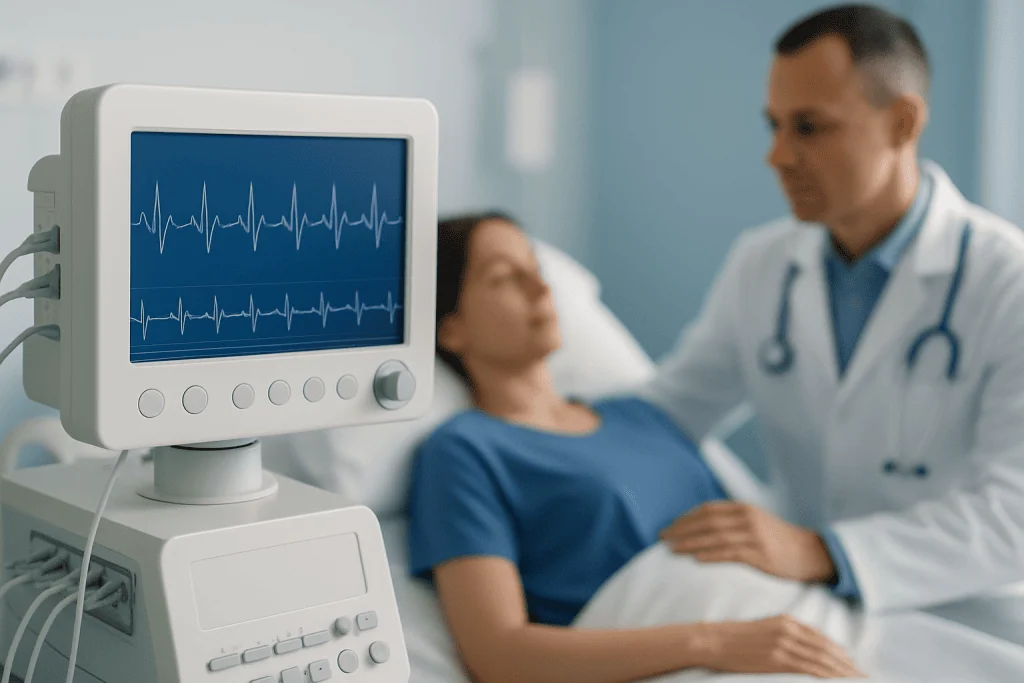
Sinus tachycardia is the most common narrow-complex fast rhythm. In this situation, the sinoatrial node—the heart’s normal natural pacemaker—appropriately or inappropriately sends signals faster than usual. It can occur with exercise, fever, infection, anemia, low blood pressure, dehydration, thyroid overactivity, stimulant use, or emotional stress. The key approach is to identify and manage the reason for the fast rate rather than simply suppressing it.
Supraventricular tachycardia (SVT) often refers to regular, sudden-onset rhythms caused by a small electrical circuit involving the AV node or an extra electrical connection. AV nodal re-entrant tachycardia and AV re-entrant tachycardia are common examples. Episodes may start and stop abruptly and can produce a rapid, regular pounding sensation in the chest. They are often manageable, although evaluation is still appropriate.
Atrial fibrillation causes chaotic electrical activity in the atria and an irregularly irregular pulse. Atrial flutter is caused by a rapid organized electrical circuit in an atrium and may produce a regular or irregular ventricular rate. Atrial tachycardia begins from a focused area in an atrium. These conditions may be intermittent or persistent, and atrial fibrillation and flutter can increase stroke risk in some people, making individualized assessment particularly important.
Occasionally, a rhythm that looks narrow on a single tracing can require further specialist interpretation. ECG features, the rate, rhythm regularity, visible atrial activity, medical history, and response to treatment all help clinicians distinguish between possibilities safely.
Symptoms and Day-to-Day Effects

Palpitations are a common symptom. A person may notice a racing, fluttering, pounding, skipping, or irregular heartbeat. The experience can be brief and mild, or it may be more noticeable during activity, at rest, or when lying down. A fast rhythm can also reduce the time available for the heart to fill between beats, which may temporarily affect how efficiently it pumps blood.
Other possible symptoms include shortness of breath, reduced exercise tolerance, lightheadedness, sweating, shakiness, tiredness, nausea, chest discomfort, or a sense of anxiety. Some people have no symptoms and learn of a fast or irregular rhythm through a routine examination, a home blood-pressure device, or a wearable monitor.
Symptoms alone cannot reliably identify the rhythm. For example, panic symptoms, thyroid conditions, anemia, and stimulant use can all cause palpitations or a fast pulse without an arrhythmia, while atrial fibrillation may cause few symptoms in another person. It is useful to note when episodes start, how long they last, whether the pulse feels regular, possible triggers, and associated symptoms to share with a clinician.
Causes and Factors That Can Increase Risk
Narrow-complex tachyarrhythmias can occur in people with or without known heart disease. Some re-entrant forms of SVT result from electrical pathways or circuit properties that a person is born with. Atrial fibrillation and atrial flutter become more common with age and are associated with conditions that affect the heart’s structure or electrical system.
Relevant health factors include high blood pressure, coronary artery disease, heart valve disease, heart failure, sleep apnea, diabetes, obesity, lung disease, kidney disease, thyroid disorders, and prior heart surgery. Family history can be relevant in selected rhythm disorders. Pregnancy may also make palpitations more noticeable and can be associated with faster heart rates, so symptoms should be discussed with the maternity care team or a doctor.
Temporary triggers can include alcohol, caffeine or energy drinks, nicotine, recreational drugs, certain cold or asthma medicines, stimulant medications, fever, infection, pain, poor sleep, dehydration, and electrolyte disturbances. Triggers do not affect everyone in the same way. A clinician should review all prescription medicines, over-the-counter products, supplements, and substances rather than assuming a single factor is responsible.
- Regular episodes beginning and ending suddenly can suggest a re-entrant SVT.
- An irregular pulse may occur with atrial fibrillation or other rhythms and should be assessed.
- A persistent fast resting pulse may signal an underlying medical condition that needs treatment.
How Doctors Diagnose the Rhythm
A 12-lead ECG is the central diagnostic test because it records the heart’s electrical activity and can identify whether a tachyarrhythmia is regular or irregular, narrow or wide, and likely to arise from above the ventricles. The best time to capture it is during symptoms. If an episode has ended before an appointment, the ECG between episodes may still provide useful clues.
For intermittent symptoms, a clinician may recommend a Holter monitor, event monitor, patch monitor, or other ambulatory ECG device. Depending on the situation, evaluation may also include blood tests for anemia, electrolyte levels, thyroid function, infection, or other contributors. An echocardiogram can assess heart structure, valve function, and pumping strength.
Doctors also consider pulse and blood pressure, medication use, personal and family history, and any evidence of heart or lung disease. In selected cases, an electrophysiology study maps the heart’s electrical pathways from inside the heart. This may help confirm a diagnosis and can sometimes be followed by treatment during the same procedure.
Consumer wearable devices can document a heart rate and may provide a single-lead rhythm tracing on some devices. These recordings can be helpful to show a clinician, but they do not replace a formal medical assessment or an ECG interpreted in clinical context.
Treatment Options and Longer-Term Management
Treatment depends on the exact rhythm, its duration, the person’s symptoms, blood pressure and overall stability, possible triggers, and the presence of structural heart disease. If sinus tachycardia is caused by a condition such as fever, dehydration, anemia, or thyroid disease, treatment focuses on that underlying cause. Clinicians also review medicines and lifestyle factors that may be contributing.
For stable episodes of certain regular SVTs, a clinician may guide vagal maneuvers, which are techniques designed to stimulate the vagus nerve and slow conduction through the AV node. These should be performed only as instructed, particularly for people with known vascular, eye, or heart conditions. In a monitored clinical setting, medicines may be used to slow or terminate specific rhythms. Some episodes require electrical cardioversion, a controlled procedure that restores normal rhythm.
For recurrent SVT, atrial flutter, or selected atrial tachycardias, catheter ablation may be considered. During this procedure, a cardiac electrophysiologist identifies and treats the small area or circuit responsible for the rhythm. It is not necessary for everyone, but it can be an important option when episodes are frequent, troublesome, poorly controlled with medicines, or when a person prefers a definitive rhythm-focused approach.
Atrial fibrillation and atrial flutter require individualized decisions about rate control, rhythm control, and stroke prevention. Some people may be advised to take anticoagulant medicine after a structured assessment of stroke and bleeding risks. Medicines should not be started, stopped, or borrowed without medical advice. Acibadem International’s multidisciplinary specialists at JCI-accredited hospitals evaluate and treat heart rhythm conditions for international patients.
Prevention, Self-Care, and Living Well
Not every narrow-complex tachyarrhythmia can be prevented, particularly when it is related to an inherited electrical pathway or another persistent heart condition. Still, addressing modifiable contributors can reduce episodes and support overall cardiovascular health. This may include managing blood pressure, diabetes, thyroid disease, sleep apnea, and other long-term conditions with a healthcare professional.
Helpful everyday measures include staying adequately hydrated when appropriate, getting regular sleep, limiting alcohol if it triggers symptoms, avoiding nicotine and recreational stimulants, and discussing caffeine intake if episodes seem related to it. A balanced eating pattern, gradual regular physical activity, and weight management may also help overall heart health. People with a known arrhythmia should ask their doctor what level of exercise is suitable for them.
Keeping a symptom diary can make appointments more productive. Record the date and time, estimated heart rate if available, regularity of the pulse, duration, activities before the episode, foods or substances consumed, and symptoms such as dizziness or chest discomfort. Bring recordings from validated home devices or wearables when available.
It is important not to dismiss recurrent palpitations as stress without assessment, but it is equally important to remember that many episodes have treatable causes. Clear information about the specific rhythm can help a person make informed choices and resume normal activities with appropriate medical guidance.
When to Seek Medical Care
Emergency medical care is needed if a fast or irregular heartbeat occurs with chest pressure or pain, severe shortness of breath, fainting, near-fainting, new confusion, marked weakness, blue or gray lips, or signs of poor circulation such as cold clammy skin. These symptoms may indicate that the heart rhythm or another condition is affecting blood flow and should not be managed at home.
Urgent medical advice is also appropriate for a new sustained rapid heartbeat, a very fast resting pulse that does not settle, palpitations after use of stimulants or recreational drugs, or symptoms in someone with known heart disease. People who are pregnant, have a history of stroke, or take heart-rhythm medicines should seek individualized advice promptly when new symptoms develop.
A non-emergency appointment should be arranged for recurrent palpitations, an irregular pulse, reduced exercise tolerance, unexplained fatigue, or episodes that are becoming more frequent or lasting longer. A clinician can determine whether monitoring, blood tests, medication review, or referral to a cardiologist or electrophysiologist is needed.
Frequently asked questions
Are narrow-complex tachyarrhythmias dangerous?
Their significance varies widely. Some are brief, treatable, and not life-threatening, while others may be associated with stroke risk, underlying heart disease, or reduced blood flow when very rapid. The exact rhythm and a person’s symptoms and medical history determine the level of concern.
Is narrow-complex tachyarrhythmia the same as SVT?
SVT is a common type of narrow-complex tachyarrhythmia, but the terms are not identical. Narrow-complex tachyarrhythmia describes an ECG pattern, while SVT usually refers to fast rhythms originating above the ventricles, often including AV nodal or accessory-pathway re-entry. Atrial fibrillation and atrial flutter can also present with narrow QRS complexes.
Can anxiety cause a narrow-complex fast heart rhythm?
Anxiety can raise the heart rate and commonly cause sinus tachycardia, which is a narrow-complex rhythm. Anxiety may also make palpitations more noticeable, but it should not be assumed to be the explanation for recurring or severe symptoms. An ECG assessment can help distinguish sinus tachycardia from another arrhythmia.
What is the difference between a regular and irregular fast pulse?
A regular fast pulse may occur with sinus tachycardia or many forms of re-entrant SVT. An irregular pulse may be seen with atrial fibrillation, though other rhythms can also be irregular. Pulse pattern is a useful observation, but an ECG is needed for a reliable diagnosis.
Can a smartwatch diagnose a narrow-complex tachyarrhythmia?
A smartwatch may identify a high heart rate or capture a rhythm tracing that is useful for a clinician to review. However, it cannot fully classify all tachyarrhythmias or determine their cause, and normal-looking recordings do not rule out intermittent rhythm problems. A medical ECG remains the standard test for diagnosis.
Will I need catheter ablation for SVT or another fast rhythm?
Not necessarily. Some people only need treatment of a trigger, observation, vagal maneuvers taught by a clinician, or medication. Catheter ablation may be discussed when a confirmed rhythm recurs, causes significant symptoms, does not respond well to other approaches, or when a person prefers a procedure-based option after specialist consultation.
This article is for general information only and is not a substitute for professional medical advice. Please consult a qualified doctor about your individual situation.
Explore treatments in Turkey — costs, top hospitals & a free quote
JCI-accredited · board-certified surgeons · reply within 24h
Add us as a Preferred Source to see more of our trusted health content across Google Search, AI Overviews and Discover.
Check your numbers in seconds
BMI, calories, due date, blood pressure and 30+ more clinical calculators — free, instant, doctor-reviewed ranges.

More from the Health Library

Skin Hurts to Touch: What Patients Need to Know

Brittle Hair: What Patients Need to Know

Pimple Inside Nose — Explained by Medical Evidence, Not Myths

Antiseptic for Cat Scratch — Explained by Medical Evidence, Not Myths

Cry It Out Method: What Patients Need to Know