

Nausea Sign of Period Explained: Common Triggers and Red Flags

Nausea around a period is common and may happen before or during menstruation. Hormone changes and prostaglandins can affect both the uterus and the digestive system.
Key Takeaways
- Nausea around a period is common and may happen before or during menstruation.
- Hormone changes and prostaglandins can affect both the uterus and the digestive system.
- Severe cramps, vomiting, fainting, heavy bleeding, or pain outside the usual pattern need medical attention.
- Tracking symptoms across several cycles can help identify triggers and guide treatment.
- Treatment depends on the cause and may include lifestyle steps, medicines, and evaluation for conditions such as endometriosis or PMS.
Nausea can be a sign of a period, especially in the days before bleeding starts or during the first days of menstruation. It is often related to hormone shifts, prostaglandins, pain, or associated conditions such as migraine or endometriosis, but sudden, severe, or persistent nausea should be evaluated.
Overview: Is Nausea a Sign of a Period?
Yes. Nausea can be a sign of a period, and many people notice it in the days before menstruation begins or during the first one to two days of bleeding. In many cases, this happens because of normal menstrual hormone changes and chemicals called prostaglandins, which can trigger cramps and also affect the stomach and intestines.
This symptom is usually not dangerous when it follows a familiar monthly pattern and improves as the period progresses. Some people feel only mild queasiness, while others may also have cramping, bloating, loose stools, headache, fatigue, or appetite changes.
At the same time, nausea is not specific to menstruation alone. It can also occur with pregnancy, gastrointestinal illness, migraine, side effects from medication, anxiety, or gynecologic conditions such as endometriosis. That is why the timing, severity, and associated symptoms matter.
A helpful way to think about period-related nausea is that it is common, but it should still make sense in the context of the menstrual cycle. If it is new, unusually severe, or different from the person’s usual pattern, a medical assessment may be appropriate.
How the Menstrual Cycle Can Cause Nausea
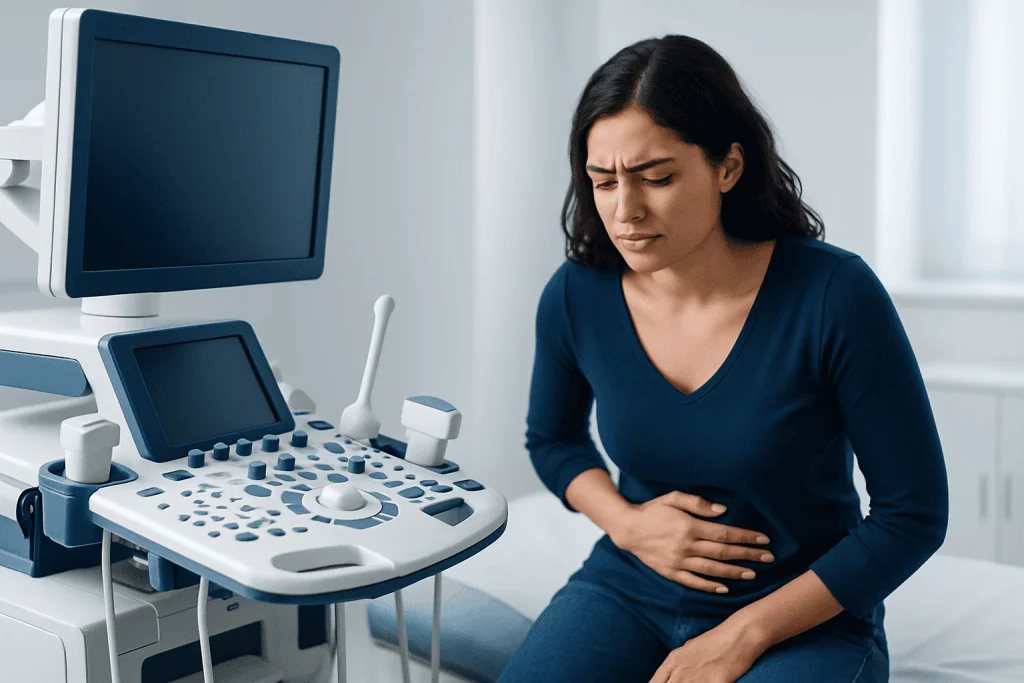
Before and during a period, levels of estrogen and progesterone change. These shifts can influence the brain, the digestive tract, and sensitivity to pain. Some people are more affected than others, which is why one person may have almost no symptoms while another may feel clearly unwell each month.
Another important factor is prostaglandins. These substances help the uterus contract so it can shed its lining. When prostaglandin levels are higher, cramps may be stronger, and nearby digestive symptoms such as nausea, diarrhea, or abdominal discomfort may also be more noticeable.
Pain itself can trigger nausea. Strong menstrual cramps may activate the body’s stress response, leading to sweating, dizziness, or a sick-to-the-stomach feeling. People who also have migraine around their period may experience nausea from the migraine rather than from the uterus directly.
For some, nausea is part of premenstrual syndrome, or premenstrual syndrome (PMS). In others, it is tied to an underlying pelvic condition. Looking at the full pattern across several cycles often helps clarify which mechanism is most likely.
Common Triggers and Related Symptoms

Period-related nausea can be triggered by several overlapping factors. It often appears with other menstrual symptoms rather than by itself. Paying attention to what happens before, during, and after the period can help narrow down the cause.
Common triggers and related symptoms include:
- Menstrual cramps: stronger uterine contractions can increase nausea and sometimes vomiting.
- PMS or PMDD-related changes: bloating, appetite shifts, fatigue, mood symptoms, and mild nausea may occur before bleeding starts.
- Hormonal migraine: nausea with headache, light sensitivity, or sound sensitivity around the period.
- Digestive sensitivity: loose stools, abdominal cramping, reflux, or reduced appetite can occur during menstruation.
- Heavy periods: significant blood loss may contribute to weakness, dizziness, or feeling unwell.
- Stress and poor sleep: these can lower nausea tolerance and make menstrual symptoms feel stronger.
Some people are more likely to experience nausea if they have painful periods, a personal history of migraine, a sensitive stomach, or conditions that increase pelvic pain. It is also important to remember that early pregnancy can sometimes be confused with period symptoms if bleeding is lighter or different than usual.
If nausea happens every cycle at about the same time and settles afterward, it is more likely to be hormonally related. If it happens randomly throughout the month, another explanation may be more likely.
When It May Point to Something More Than a Typical Period
Although nausea can be part of a normal period, sometimes it suggests a condition that deserves evaluation. One example is severe primary dysmenorrhea, meaning very painful periods without another pelvic disease. Another is secondary dysmenorrhea, where symptoms are caused by an underlying condition such as endometriosis, adenomyosis, fibroids, or pelvic inflammatory disease.
Endometriosis may be more likely if nausea comes with severe pelvic pain, pain during sex, bowel pain, painful urination during periods, or trouble with fertility. Heavy bleeding or pressure symptoms may suggest fibroids. If cycles are irregular, pain is worsening, or symptoms now interfere with school, work, sleep, or daily function, a gynecologic review is reasonable.
Non-gynecologic causes also matter. Nausea could be due to gastrointestinal infection, gastritis, acid reflux, medication side effects, migraine, or anxiety. Pregnancy should be considered if there is a possibility of conception, especially if the bleeding is lighter than usual or the period is late.
When symptoms are persistent or complex, a doctor may recommend further assessment and, if needed, tests or specialist care. In some situations, treatment of the underlying cause may involve gynecology evaluation and symptom-directed care rather than treating nausea alone.
How Doctors Evaluate Period-Related Nausea
Diagnosis starts with a detailed history. A clinician will usually ask when the nausea occurs in relation to the cycle, how long it lasts, whether there is vomiting, how painful the periods are, and what other symptoms occur. They may also ask about headaches, bowel symptoms, medications, sexual activity, pregnancy possibility, and family history of conditions such as endometriosis.
A symptom diary can be especially useful. Tracking the timing of nausea, pain, bleeding, bowel changes, headaches, and mood symptoms over two to three cycles may reveal a clear pattern. This often helps distinguish period-related nausea from stomach illness or other causes.
A physical examination may be recommended if symptoms are severe, changing, or linked with pelvic pain or heavy bleeding. Depending on the history, the doctor may consider pregnancy testing, blood tests for anemia, or imaging such as pelvic ultrasound to look for fibroids, ovarian cysts, or other structural causes.
Not everyone needs testing. If the pattern is typical, symptoms are mild, and there are no red flags, a clinician may diagnose period-related nausea clinically and suggest initial treatment. If symptoms do not improve, further assessment may be needed.
Treatment Options and Practical Relief
Treatment depends on the likely cause, the severity of symptoms, and how much they affect daily life. If nausea is linked to cramps, reducing menstrual pain may also reduce nausea. If it is tied to migraine, PMS, or an underlying gynecologic condition, treatment is adjusted accordingly.
General approaches may include anti-inflammatory pain relief recommended by a doctor, anti-nausea medication when appropriate, hormonal contraception to reduce ovulation-related hormone swings, or migraine-specific treatment if headaches are part of the pattern. Some patients with ongoing pelvic pain or suspected structural problems may need further review through obstetrics and gynecology care.
Simple self-care measures can also help. Many people do better with small frequent meals, bland foods, hydration, avoiding an overly empty stomach, and limiting individual food triggers. A heating pad for cramps, rest, and gentle movement may make symptoms easier to manage.
If a defined underlying condition is found, treatment should focus on that condition. Near the end of the care pathway, some people may benefit from multidisciplinary support; Acibadem International’s specialists in JCI-accredited hospitals diagnose and treat menstrual and pelvic health conditions for international patients.
Prevention, Self-Care, and Cycle Tracking
Because period nausea often follows a pattern, prevention can begin before symptoms peak. Keeping a calendar or app-based log of bleeding, cramps, headaches, bowel changes, and nausea can show whether symptoms start a day or two before the period or only on the heaviest days. This information can help a clinician tailor treatment.
Consistent sleep, regular meals, hydration, and stress management may reduce symptom intensity for some people. If migraine is part of the picture, avoiding known migraine triggers around menstruation may help. Gentle exercise and heat therapy are often useful for cramp-related discomfort.
It is also sensible to review medications and supplements with a healthcare professional, especially if nausea seems worse after taking pain relievers on an empty stomach. Taking prescribed or recommended medicines exactly as directed can improve symptom control and reduce side effects.
Self-care is helpful, but it has limits. If symptoms are repeatedly severe, becoming more frequent, or affecting normal activity, medical guidance is important rather than relying only on home remedies.
When to Seek Medical Care
Medical care should be sought if nausea is severe, accompanied by repeated vomiting, or prevents drinking fluids and eating enough. It is also important to get help if there is fainting, chest pain, shortness of breath, severe dehydration, or sudden one-sided pelvic pain.
A doctor should also evaluate nausea that is new, much worse than usual, or no longer clearly tied to the menstrual cycle. Heavy bleeding, large clots, fever, foul-smelling discharge, pain during sex, or pelvic pain between periods are also reasons to book an appointment.
If pregnancy is possible, testing is wise, especially if the bleeding is lighter, later, or otherwise different from the usual period. Ongoing severe cramps and nausea that disrupt work, school, sleep, or daily activities may point to a treatable underlying condition rather than a routine period symptom.
In short, a nausea sign of period can be normal, but it should fit a recognizable monthly pattern and respond to appropriate care. When it does not, a qualified clinician can help determine the cause and the best next step.
Frequently asked questions
Is nausea before a period normal?
Yes, nausea before a period can be normal. It is often related to hormone changes, PMS, or early cramping signals before bleeding begins.
Why does a period cause nausea?
A period can cause nausea because hormonal shifts and prostaglandins affect both the uterus and the digestive system. Pain, migraine, and bowel sensitivity can add to the feeling of nausea.
Can period nausea happen without cramps?
Yes. Some people feel nauseated mainly because of hormone changes, migraine, bloating, or digestive sensitivity rather than strong uterine pain. The overall timing in relation to the cycle is an important clue.
How can someone tell period nausea from pregnancy nausea?
Timing and pattern help, but symptoms can overlap. If there is any chance of pregnancy, especially with a late, lighter, or unusual period, a pregnancy test is the safest way to check.
What helps relieve nausea during a period?
Small frequent meals, fluids, rest, a heating pad for cramps, and doctor-recommended medicines may help. Relief is usually better when the main trigger, such as cramps or migraine, is also treated.
When is nausea during a period a red flag?
It is a red flag if there is repeated vomiting, dehydration, fainting, severe or sudden pain, fever, unusually heavy bleeding, or symptoms that are new and much worse than usual. These situations should be assessed by a healthcare professional.
References
- American College of Obstetricians and Gynecologists
- Office on Women's Health
- National Health Service
- Mayo Clinic
- World Health Organization
This article is for general information only and is not a substitute for professional medical advice. Please consult a qualified doctor about your individual situation.
Persistent digestive symptoms? Get evaluated in Turkey
JCI-accredited · board-certified surgeons · reply within 24h
Add us as a Preferred Source to see more of our trusted health content across Google Search, AI Overviews and Discover.

More from the Health Library



Related Specialists

Dr. Ferhat Erenler
Anesthesiology
Prof. Dr. Filiz Akyüz (m)
Gastroenterology
Prof. Dr. Arel Gereli
Orthopedic Surgery & Traumatology
Dr. Caner Çam
Internal Medicine