Nebulizer for Bronchitis: Symptoms, Causes, and Treatment Options

Most cases of acute bronchitis are caused by viruses and improve with time, rest, fluids, and symptom-focused care. Nebulizers are usually considered when bronchitis causes wheezing or bronchospasm, or when a person has asthma, COPD, or another airway condition.
Key Takeaways
- Most cases of acute bronchitis are caused by viruses and improve with time, rest, fluids, and symptom-focused care.
- Nebulizers are usually considered when bronchitis causes wheezing or bronchospasm, or when a person has asthma, COPD, or another airway condition.
- Antibiotics do not treat viral bronchitis and are only used when a clinician identifies or strongly suspects a bacterial cause or another condition.
- Correct cleaning and use of a nebulizer are important to reduce contamination and ensure medicine reaches the lungs.
- Urgent assessment is needed for severe breathing difficulty, chest pain, blue lips or face, confusion, or coughing up significant blood.
A nebulizer for bronchitis can deliver prescribed inhaled medicine directly to the lungs and may help some people with wheezing, shortness of breath, or narrowed airways. It is not routinely needed for every case of bronchitis, particularly uncomplicated viral acute bronchitis, and its use should be guided by a clinician.
What a nebulizer for bronchitis can and cannot do
A nebulizer for bronchitis is a device that turns liquid medication into a fine mist that can be breathed into the lungs through a mouthpiece or mask. When a clinician prescribes inhaled medicine, this method can be useful for people who are wheezing, feel chest tightness, or have difficulty using a handheld inhaler. The medicine works on the airways; the nebulizer itself does not treat the underlying cause of bronchitis.
For uncomplicated acute bronchitis, a nebulizer is not routinely necessary. Acute bronchitis is often caused by a virus, and the cough may take several weeks to fully settle even after the infection improves. If wheezing is present, a healthcare professional may assess whether a short-acting bronchodilator or another inhaled treatment is appropriate.
A nebulizer should not be used with leftover medications, essential oils, tap water, or medicines prescribed to another person. The choice of medication, device, and frequency depends on the individual’s symptoms, medical history, examination findings, and whether conditions such as asthma or chronic obstructive pulmonary disease (COPD) are also present.
Bronchitis and the symptoms it can cause
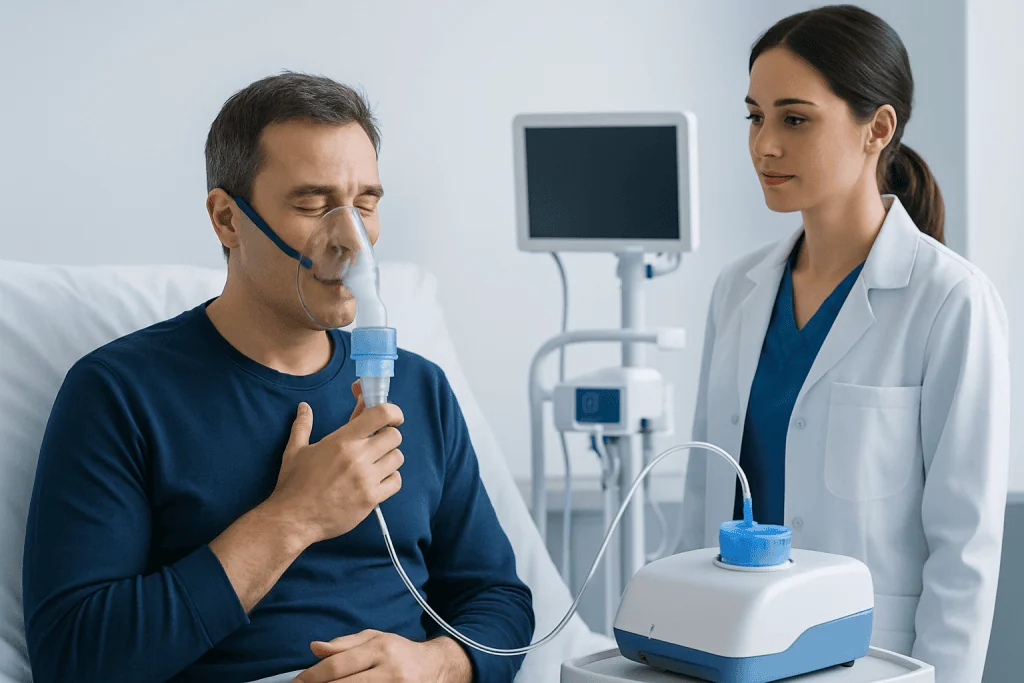
Bronchitis means inflammation of the bronchial tubes, the larger air passages that carry air to and from the lungs. Acute bronchitis develops over days and commonly follows a cold or other respiratory infection. It typically causes a persistent cough, which may be dry or may bring up mucus. Mucus color alone does not reliably show whether an infection is bacterial.
Other symptoms can include tiredness, sore throat, runny nose, mild fever, chest discomfort when coughing, and a feeling of congestion. Some people develop wheezing, a whistling sound during breathing, because inflammation and mucus can temporarily narrow the airways. This is one reason a clinician may consider inhaled treatment in selected cases.
Chronic bronchitis is different from a short-lived chest infection. It involves long-term airway irritation and productive cough and is commonly associated with COPD, often in relation to smoking or long-term exposure to lung irritants. Persistent respiratory symptoms should be evaluated because chronic obstructive pulmonary disease (COPD) and asthma may need ongoing care rather than treatment for a temporary infection alone.
Why bronchitis develops and who may need closer review
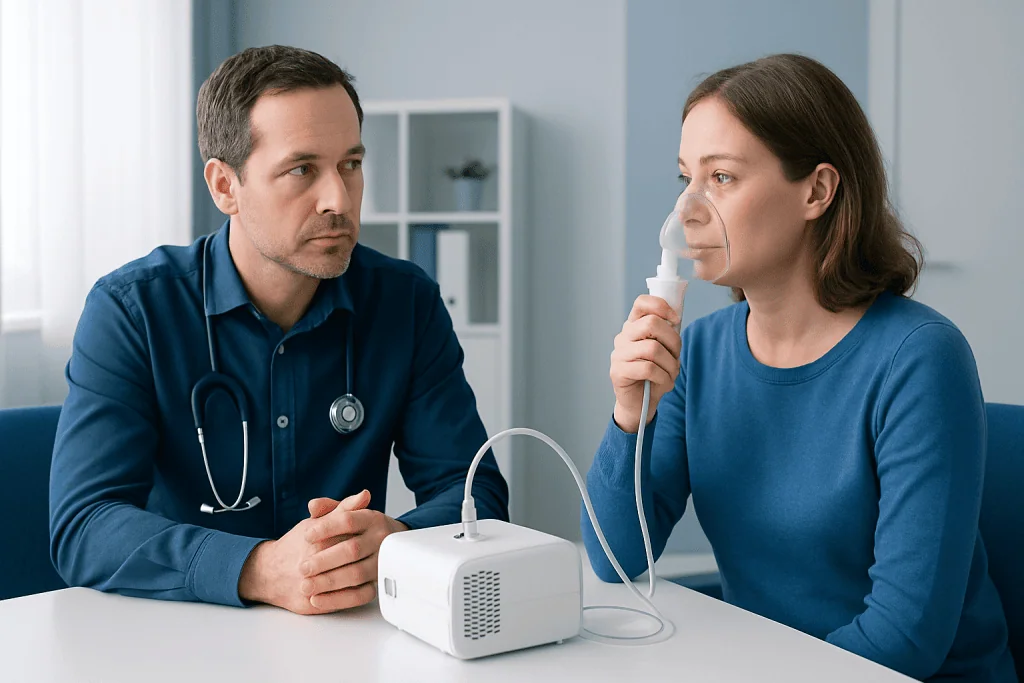
Viruses are the most frequent cause of acute bronchitis. They spread through respiratory droplets and contact with contaminated hands or surfaces, particularly during seasonal outbreaks of colds and influenza. Less often, irritation from tobacco smoke, vaping aerosols, air pollution, dust, or workplace chemicals can contribute to airway inflammation and cough.
People may be more likely to have prolonged or more troublesome symptoms if they smoke, have asthma or COPD, are exposed to respiratory irritants, or have reduced immune defenses. Infants, older adults, pregnant people, and those with significant heart or lung disease may also need earlier clinical advice when a respiratory illness develops.
Not every cough after a cold is bronchitis. Pneumonia, asthma flare-ups, COVID-19, influenza, heart conditions, allergies, reflux, and certain medications can also cause cough or breathlessness. A medical assessment helps distinguish these possibilities, especially when symptoms are severe, recurring, or not improving as expected.
- Smoking and secondhand smoke can worsen airway inflammation and prolong recovery.
- Asthma or COPD can make wheezing and breathlessness more likely during respiratory infections.
- Close contact with people who have respiratory infections raises the chance of viral illness.
- Occupational exposure to fumes, dust, or chemicals may cause or aggravate chronic airway symptoms.
How clinicians assess bronchitis and decide on nebulizer treatment
Clinicians usually diagnose acute bronchitis from the person’s symptoms, medical history, and chest examination. They will ask how long the cough has lasted, whether there is fever, mucus, wheezing, breathlessness, chest pain, recent illness exposure, smoking history, and any existing lung disease. Listening to the lungs can help identify wheeze, crackles, or reduced airflow.
Tests are not always needed for a typical mild case. However, a clinician may recommend a chest X-ray, oxygen measurement, viral testing, blood tests, or lung function testing when pneumonia, influenza, COVID-19, asthma, COPD, or another condition is suspected. These tests can also be considered if symptoms are persistent, recurrent, or unusually severe.
A nebulizer may be considered if examination suggests bronchospasm, meaning the airway muscles are tightening and narrowing. In this setting, a bronchodilator medicine may relax airway muscles and reduce wheezing or tightness. Nebulized medicines can also be used during a significant asthma or COPD exacerbation under a personalized treatment plan or medical supervision.
Antibiotics are not routinely prescribed for acute bronchitis because they do not work against viruses. A clinician may consider them only in particular circumstances, such as suspected pertussis or a confirmed or strongly suspected bacterial infection. Avoiding unnecessary antibiotics helps prevent side effects and antibiotic resistance.
Treatment options and safe nebulizer use
Supportive care is the main treatment for most acute bronchitis. Adequate rest, regular fluids, avoiding smoke and other irritants, and using warm drinks or humidified air may ease throat irritation and coughing for some people. Honey may help cough in adults and children older than one year, but it should never be given to infants under 12 months.
Depending on symptoms and medical history, a clinician may recommend fever or pain relief medication, an inhaler, or a prescribed nebulized bronchodilator. Inhaled corticosteroids are not generally used for routine viral bronchitis but may be appropriate for people with asthma or another inflammatory airway condition. People with diagnosed asthma should follow their written asthma plan and discuss any worsening symptoms promptly.
When a nebulizer is prescribed, the medication vial should be used exactly as directed. The person should sit upright, breathe slowly and normally through the mouthpiece or properly fitted mask, and complete the session according to the device instructions. They should not change the dose, mix medications, or increase treatment frequency without clinical advice.
After each use, the medication cup and mouthpiece or mask should be cleaned and air-dried as instructed by the manufacturer and care team. Regular disinfection and replacement of parts are also important. Poorly cleaned equipment can harbor germs and may increase the risk of infection. A clinician can explain whether an inhaler with a spacer may be an equally effective and more convenient alternative for the prescribed medicine.
Recovery, prevention, and self-care at home
Acute bronchitis often improves gradually, but coughing can continue after other symptoms resolve because irritated airways need time to recover. Activity can usually be resumed as energy returns, although strenuous exercise may be uncomfortable while coughing or breathless. Sleep with the head slightly elevated if coughing is worse when lying down, and choose fluids that are comfortable to drink.
It is important to avoid cigarettes, vaping products, and secondhand smoke during recovery and beyond. These exposures irritate the airways, can increase cough and mucus, and may contribute to chronic lung disease. People who would like to stop smoking can ask a healthcare professional about evidence-based cessation support.
Handwashing, covering coughs and sneezes, improving ventilation in shared indoor spaces, and staying home when unwell can reduce transmission of respiratory viruses. Vaccination against influenza and COVID-19, when recommended for the individual, can also lower the risk of some respiratory infections and complications. Pneumococcal vaccination may be advised for certain age groups and people with particular health conditions.
Persistent symptoms deserve follow-up rather than repeated self-treatment. A cough lasting more than a few weeks, recurring episodes of “bronchitis,” or repeated need for nebulized medication may point to asthma, COPD, allergies, reflux, or another issue requiring a targeted plan.
When to seek medical care
Medical advice is appropriate when cough, fever, wheezing, or breathlessness is worsening, when symptoms do not begin to improve, or when there is concern about a child, older adult, pregnancy, or an underlying heart or lung condition. A clinician should also assess a cough that persists beyond several weeks, repeatedly returns, or interferes substantially with sleep, work, or daily activities.
Urgent medical care is needed for severe or rapidly worsening breathing difficulty, chest pain or pressure, bluish or gray lips or face, fainting, new confusion, inability to keep fluids down, or coughing up more than small streaks of blood. These symptoms can indicate a more serious respiratory or cardiac problem and should not be managed with a nebulizer alone.
For international patients who need evaluation of ongoing respiratory symptoms, Acibadem International’s multidisciplinary specialists and JCI-accredited hospitals diagnose and treat respiratory conditions, including assessment of asthma, COPD, and infection-related breathing problems. A qualified clinician can determine whether nebulized treatment is appropriate and provide individualized instructions.
Frequently asked questions
Does a nebulizer help bronchitis?
A nebulizer can help if bronchitis is causing wheezing, chest tightness, or airway narrowing and a clinician has prescribed an inhaled medication. It does not cure bronchitis itself or shorten every viral cough. Many people with uncomplicated acute bronchitis do not need a nebulizer.
What medicine is used in a nebulizer for bronchitis?
The medicine depends on the reason for treatment. A clinician may prescribe a bronchodilator to relax narrowed airways when wheezing or bronchospasm is present, particularly in people with asthma or COPD. It is not safe to use another person’s medication or add unprescribed substances to a nebulizer.
Can a nebulizer break up mucus in the chest?
A nebulizer does not directly remove mucus from the lungs. Some prescribed treatments may improve airflow and make coughing more effective when airway narrowing is present. Hydration, avoiding smoke, and treating the underlying cause are also important.
Is acute bronchitis usually bacterial?
No. Acute bronchitis is most often caused by viruses, so antibiotics usually do not help. A healthcare professional may investigate other causes or consider specific treatment if symptoms suggest pneumonia, pertussis, or another condition.
How long does bronchitis coughing last?
The cough from acute bronchitis commonly lasts longer than other cold symptoms and may continue for several weeks while airway inflammation settles. It should gradually improve rather than become progressively worse. Medical review is advisable if it persists, recurs, or is accompanied by concerning symptoms.
Can a person use a nebulizer without seeing a doctor?
A person should use a nebulizer only with prescribed medication and instructions from a qualified healthcare professional. Wheezing and shortness of breath can have different causes, including asthma, COPD, pneumonia, or heart problems. Assessment helps ensure the right treatment is used and serious conditions are not missed.
References
- Centers for Disease Control and Prevention
- American Lung Association
- National Heart, Lung, and Blood Institute
- National Health Service
- World Health Organization
This article is for general information only and is not a substitute for professional medical advice. Please consult a qualified doctor about your individual situation.
Bronchitis in Turkey — costs, top hospitals & a free quote
JCI-accredited · board-certified surgeons · reply within 24h
Add us as a Preferred Source to see more of our trusted health content across Google Search, AI Overviews and Discover.