Nebulizer Machine: What Patients Need to Know
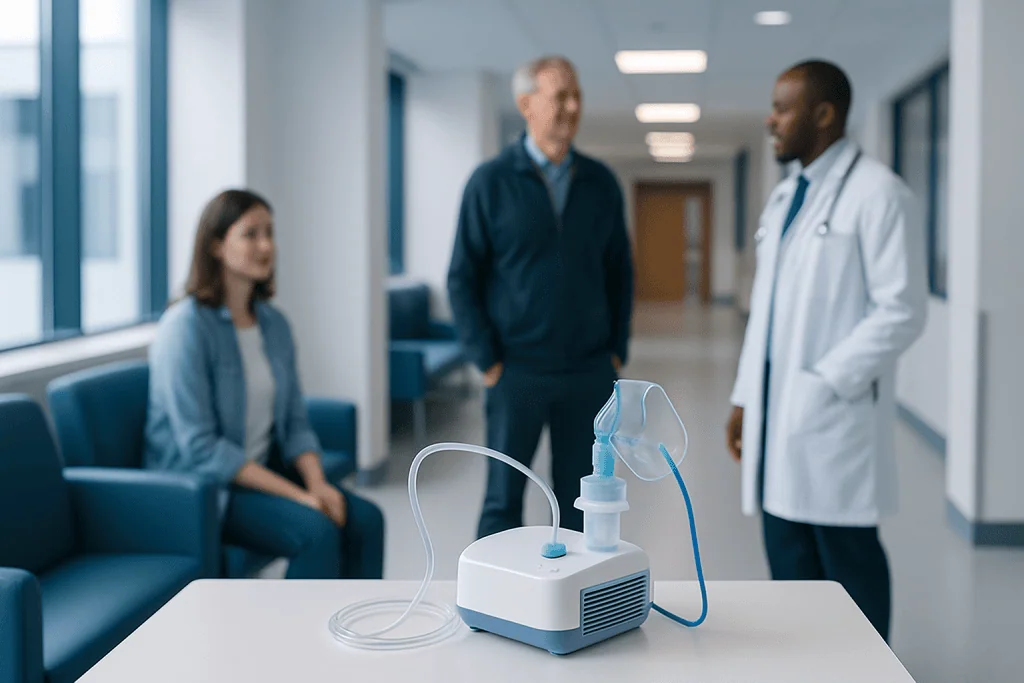
A nebulizer machine delivers medication as a mist that is breathed in through a mask or mouthpiece. It can help children, older adults, and others who struggle to coordinate inhaler use.
Key Takeaways
- A nebulizer machine delivers medication as a mist that is breathed in through a mask or mouthpiece.
- It can help children, older adults, and others who struggle to coordinate inhaler use.
- Good cleaning and drying are important to lower the risk of contamination and infection.
- A nebulizer is not automatically better than an inhaler; the best choice depends on the medicine and the patient’s needs.
- Medical advice is important if breathing symptoms are severe, worsening, or not improving with treatment.
A nebulizer machine is a device that changes liquid medicine into a fine mist so it can be inhaled into the lungs. It is commonly used for some breathing conditions, especially when a person has trouble using an inhaler or needs steady medication delivery over several minutes.
Overview: What a Nebulizer Machine Does
A nebulizer machine is a medical device that turns liquid medication into a fine mist, making it easier to breathe the medicine deep into the airways. It is often prescribed for people with breathing problems who need inhaled treatment but may find standard inhalers difficult to use correctly. In practical terms, it helps deliver medication slowly over several minutes through a mouthpiece or face mask.
Nebulizers are not a disease treatment by themselves; they are a delivery system for medicines prescribed by a doctor. Depending on the medication used, a nebulizer may help open narrowed airways, reduce airway inflammation, or loosen secretions. This can be helpful in conditions such as asthma, chronic obstructive pulmonary disease, and some respiratory infections when a clinician recommends inhaled therapy.
There are different types of nebulizer machines. Jet nebulizers use compressed air, ultrasonic nebulizers use high-frequency vibrations, and mesh nebulizers push medicine through a fine membrane. Each type has advantages and limitations related to portability, noise, speed, and compatibility with certain medications.
For many patients, the main question is whether a nebulizer is necessary. The answer depends on the person’s age, symptoms, diagnosis, the medicine being prescribed, and how well they can use an inhaler device. A clinician can help decide whether a nebulizer or another inhaled treatment option is the better fit.
Who May Need a Nebulizer Machine
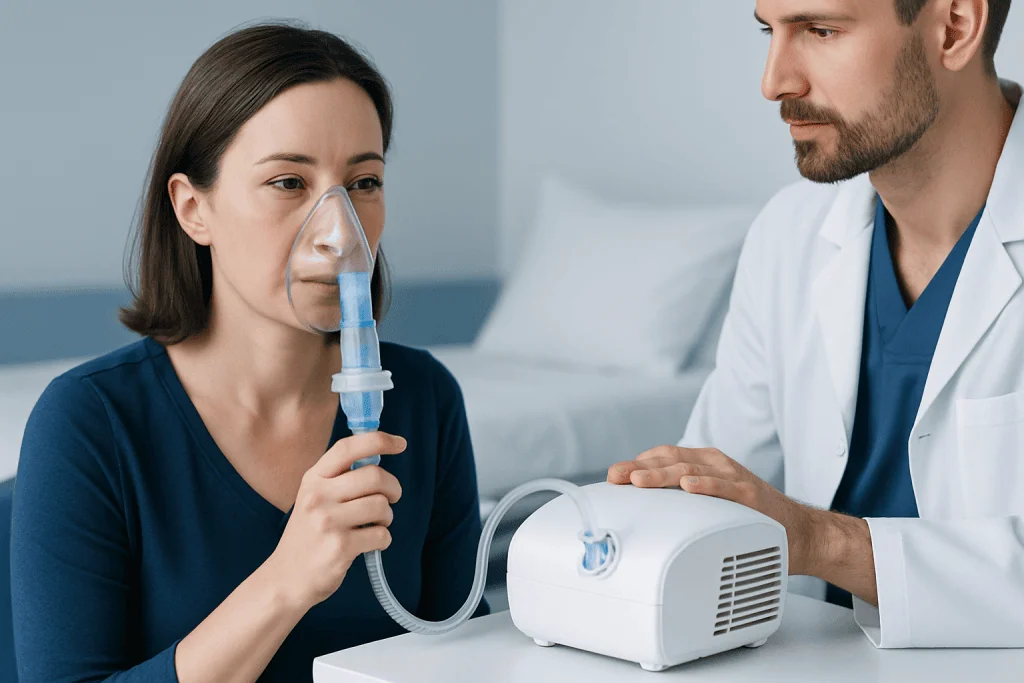
A nebulizer machine may be recommended for people who have difficulty taking medication with a handheld inhaler. This can include young children, older adults, people during a severe flare of breathing symptoms, or those with limited hand strength or coordination. Because the medicine is inhaled through normal breathing over several minutes, the technique can feel simpler for some users.
Doctors may prescribe nebulized medication for conditions such as asthma or chronic obstructive pulmonary disease. In some cases, it may also be used short term during an acute illness that causes wheezing or significant airway irritation. However, the device should be used only with medications and instructions provided by a qualified healthcare professional.
A nebulizer is also sometimes used in hospitals or clinics when symptoms are more intense and the person needs supervised treatment. At home, it can be part of an ongoing care plan for recurrent or chronic respiratory problems. This home use works best when patients and caregivers understand how to assemble, clean, and maintain the equipment properly.
- Children who cannot use an inhaler well
- Adults with severe shortness of breath during flare-ups
- People with limited coordination or weakness
- Patients who need certain medicines available in nebulized form
How It Is Used and What Treatment Feels Like
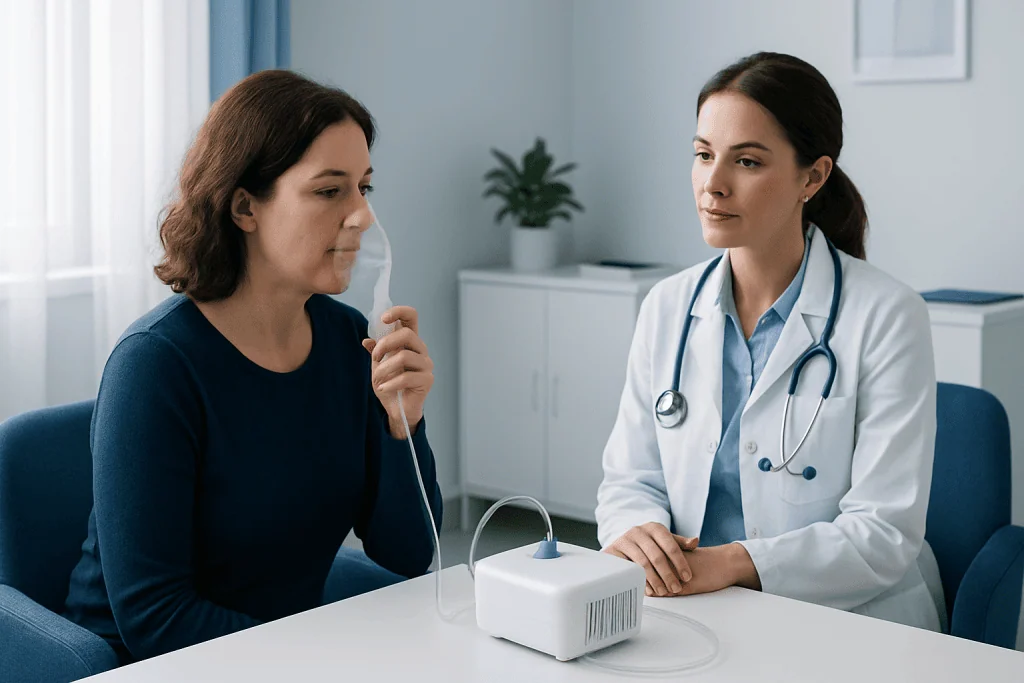
Using a nebulizer machine usually involves placing the prescribed liquid medicine into a medication cup, connecting the tubing, and attaching either a mouthpiece or a mask. Once the machine is turned on, it creates a mist that the patient breathes in slowly and normally. A typical session lasts several minutes, depending on the device and the amount of medication.
Patients often wonder what the treatment should feel like. In general, nebulizer therapy should not be painful. The mist may feel cool or slightly damp, and some medicines can leave a mild taste in the mouth. If a mask is used, a proper fit is important so the medicine reaches the lungs rather than escaping into the air.
Breathing calmly through the mouth often helps the medication reach the lower airways more effectively. Some people may be advised to occasionally take a deeper breath and hold it briefly, but the exact technique depends on the medicine and the patient’s age and condition. If symptoms become worse during treatment, medical advice should be sought promptly.
When a person needs specialist assessment for ongoing inhaled treatment, doctors may also evaluate broader respiratory care needs, including bronchoscopy in selected cases where the airway needs direct examination. This is not part of routine nebulizer use, but it may be relevant when symptoms are persistent or the diagnosis is unclear.
Common Medications Given Through a Nebulizer
A nebulizer machine can deliver different kinds of medication, depending on the problem being treated. One common group is bronchodilators, which help relax the muscles around the airways so breathing becomes easier. These are often used for wheezing, asthma flare-ups, or chronic lung disease exacerbations.
Another group includes inhaled corticosteroids, which help reduce inflammation in the airways over time. Some patients may also be prescribed saline solutions to help moisten the airways or loosen mucus. In certain settings, other medicines may be used, but they should never be placed in a nebulizer unless a doctor or pharmacist specifically says they are suitable for that device.
It is important not to assume that all inhaled medicines can be interchanged between inhalers and nebulizers. The dose form, preparation, and delivery instructions may differ. Patients should also avoid mixing medications in the nebulizer cup unless they have been clearly told that it is safe and appropriate.
For people with more complex respiratory symptoms, clinicians may investigate whether there is an underlying condition such as bronchitis or another airway disorder contributing to cough, mucus, or wheeze. The medication plan is then tailored to the diagnosis rather than the device alone.
Benefits, Limitations, and Possible Side Effects
The main benefit of a nebulizer machine is ease of medication delivery. It can be especially useful when a person is tired, very short of breath, very young, or unable to coordinate pressing and inhaling with a standard inhaler. Because treatment is delivered over several minutes of normal breathing, it may feel more manageable during some episodes of respiratory distress.
At the same time, nebulizers have limitations. They can be less portable than inhalers, may require a power source or batteries, and take longer to use. They also need careful cleaning after each use. For many medications, a properly used inhaler with a spacer can be just as effective, so a nebulizer is not always the first or best option.
Possible side effects usually come from the medication rather than the machine itself. Depending on the drug used, a person may notice shakiness, a faster heartbeat, dry mouth, throat irritation, or an unpleasant taste. Some inhaled steroids can increase the risk of oral irritation or thrush if the mouth is not rinsed afterward.
Patients should tell their doctor if they feel dizzy, develop chest pain, notice severe palpitations, or if symptoms worsen instead of improving. A review of the treatment plan may be needed, and in some cases specialists may recommend broader pulmonology care to adjust long-term management.
Cleaning, Storage, and Everyday Safety
Good cleaning habits are one of the most important parts of safe nebulizer use. Because the device comes into regular contact with moisture and medicine residue, it can become contaminated if it is not cleaned and dried properly. This may increase the risk of germs being breathed into the lungs.
After each use, the medication cup, mouthpiece, or mask is usually washed according to the manufacturer’s instructions and the care team’s advice. Parts should be thoroughly rinsed if instructed, then allowed to air-dry completely on a clean surface. Some components may need regular disinfection, while others may need periodic replacement.
Patients should never share a nebulizer mask, mouthpiece, or medication cup with another person. Medicines should be stored as directed, and expired or leftover solutions should not be used unless a pharmacist or doctor confirms they are still appropriate. Tubing and machine filters may also need routine checks and replacement.
Travel and daily life can affect treatment quality as well. Portable units may be useful for people who need treatment away from home, but all equipment should still be used exactly as directed. If a machine seems to be producing less mist than usual, making unusual noise, or not working at all, the equipment should be reviewed before the next treatment session.
When to Seek Medical Care
A nebulizer machine can support treatment, but it is not a substitute for medical evaluation when symptoms are serious. A person should seek prompt medical care if they have severe shortness of breath, bluish lips, chest pain, confusion, trouble speaking because of breathlessness, or symptoms that rapidly worsen. These can be signs of a breathing emergency.
Medical review is also important if a prescribed nebulizer treatment is not helping as expected, if relief is becoming shorter-lived, or if wheezing and coughing are happening more often. Children, older adults, and people with chronic lung or heart disease may need earlier assessment because they can become unwell more quickly.
Patients should contact their doctor if they are unsure whether they are using the device correctly, if side effects are troublesome, or if they are running out of medication sooner than expected. Ongoing respiratory symptoms may require testing, changes in medication, or evaluation for another condition. In selected cases, doctors may recommend respiratory function testing to better understand how the lungs are working.
Near the end of the care pathway, some patients may benefit from coordinated specialist support. Acibadem International’s multidisciplinary specialists and JCI-accredited hospitals diagnose and treat respiratory conditions for international patients when more detailed evaluation or treatment planning is needed.
Frequently asked questions
What is a nebulizer machine used for?
A nebulizer machine is used to deliver certain liquid medicines directly into the lungs as a mist. It is commonly prescribed for some breathing conditions, especially when inhalers are hard to use or during episodes of increased symptoms.
Is a nebulizer better than an inhaler?
Not always. A nebulizer can be easier for some people to use, but a well-used inhaler, sometimes with a spacer, can be just as effective for many medications. The best option depends on the person, the medicine, and the clinical situation.
How long does a nebulizer treatment usually take?
Most nebulizer treatments take several minutes, though the exact time varies by machine type and the amount of medication. A doctor, nurse, or pharmacist can explain what is typical for a specific prescription.
Can a nebulizer machine be used for children?
Yes, nebulizers are often used for children, especially those too young to use an inhaler properly. A mask may be used instead of a mouthpiece, and treatment should always follow a clinician’s instructions.
Do nebulizers have side effects?
The machine itself usually does not cause side effects, but the medication delivered through it can. Depending on the medicine, possible effects include shakiness, a fast heartbeat, throat irritation, or an unpleasant taste.
How often should a nebulizer be cleaned?
Cleaning should usually happen after each use, with deeper disinfection as recommended by the manufacturer or care team. Proper drying and replacement of worn parts are also important for safe use.
This article is for general information only and is not a substitute for professional medical advice. Please consult a qualified doctor about your individual situation.
Explore treatments in Turkey — costs, top hospitals & a free quote
JCI-accredited · board-certified surgeons · reply within 24h
Add us as a Preferred Source to see more of our trusted health content across Google Search, AI Overviews and Discover.

More from the Health Library

Fungus — Explained by Medical Evidence, Not Myths

Bulbourethral Gland: What Patients Need to Know

Mouth Swab Drug Test: An Evidence-Based Guide for Patients

Lice Shampoo: What Patients Need to Know

Nopalitos: A Complete Medical Overview