Neural Tube Abnormalities: A Complete Medical Overview

Neural tube abnormalities form in the first weeks of pregnancy, often before a person knows they are pregnant. The main types include spina bifida, anencephaly, and encephalocele.
Key Takeaways
- Neural tube abnormalities form in the first weeks of pregnancy, often before a person knows they are pregnant.
- The main types include spina bifida, anencephaly, and encephalocele.
- Adequate folic acid before conception and in early pregnancy can lower the risk of some neural tube defects.
- Diagnosis may involve prenatal ultrasound, blood tests, and, after birth, physical examination and imaging.
- Treatment varies widely and may include monitoring, rehabilitation, surgery, and long-term specialist care.
- Anyone planning pregnancy or receiving an abnormal prenatal result should speak with a qualified doctor promptly.
Neural tube abnormalities are congenital conditions that develop very early in pregnancy when the tissue that forms the brain and spinal cord does not close completely. They range from mild spinal defects to severe brain and spine disorders, and care depends on the type, severity, and timing of diagnosis.
Overview
Neural tube abnormalities are birth defects that happen when the neural tube, the early structure that develops into the brain and spinal cord, does not close properly during the first month of pregnancy. Because this process occurs so early, these conditions can develop before pregnancy is recognized. The effects can range from mild and manageable to severe and life-limiting, depending on which part of the neural tube is affected.
The term often overlaps with “neural tube defects,” and it includes conditions such as spina bifida, anencephaly, and encephalocele. In some babies, the spinal cord and surrounding tissues are affected. In others, the brain or skull does not form normally. Understanding the specific diagnosis is important because prognosis, treatment, and long-term support can differ greatly.
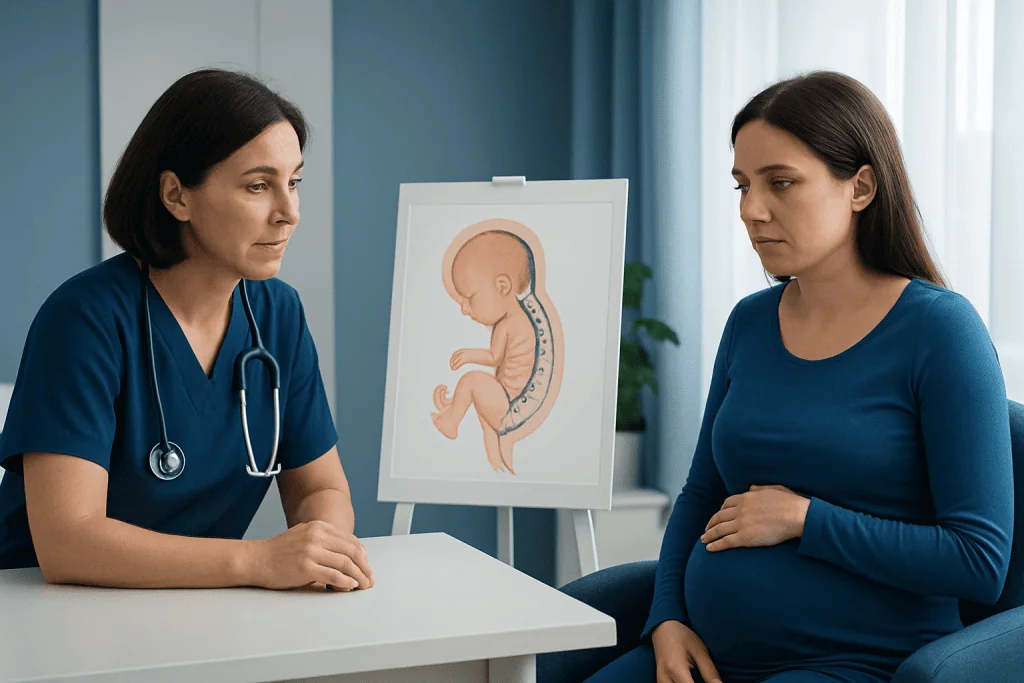
Families often feel overwhelmed when they hear this diagnosis. Clear, step-by-step evaluation can help explain what the abnormality means, what care may be needed, and what outcomes may be possible. In many cases, management involves a team that may include obstetricians, maternal-fetal medicine specialists, neonatologists, pediatric neurologists, neurosurgeons, rehabilitation specialists, and genetic counselors.
Types and how they differ
Neural tube abnormalities are not all the same. The best-known form is spina bifida, a condition in which the spine does not close completely. Spina bifida includes several forms. Spina bifida occulta is the mildest type and may cause few or no symptoms. Meningocele involves a fluid-filled sac protruding through an opening in the spine. Myelomeningocele is the most serious common form and involves spinal nerves and membranes extending through the opening.
Anencephaly is a severe abnormality in which major parts of the brain and skull do not develop fully. Encephalocele involves brain tissue and membranes protruding through an opening in the skull. These conditions can affect development, movement, bladder and bowel function, learning, feeding, and overall survival, depending on the area involved and the severity.
Doctors may also describe defects as open or closed. Open defects expose nerve tissue or leave it covered only by a thin membrane, while closed defects are covered by skin. This distinction matters because open defects are more likely to be detected before birth and may carry a higher risk of infection or nerve damage. The diagnosis should always be explained in plain language so families understand both the medical terms and the practical implications.
Symptoms and possible complications
Symptoms depend on the type of neural tube abnormality and whether it is identified before or after birth. Some are visible on prenatal imaging and may not cause symptoms to the pregnant person. After birth, a baby with a spinal defect may have a visible sac or opening on the back, weakness in the legs, abnormal foot position, or reduced movement. Some children have bladder or bowel control problems, hydrocephalus, or difficulties with growth and mobility.
Closed spinal abnormalities may be less obvious. In these cases, signs can include a small dimple, patch of hair, swelling, skin discoloration, or a fatty lump over the lower spine. As the child grows, symptoms may include leg weakness, changes in walking, back pain, or bladder and bowel dysfunction. Some children are diagnosed only after these later symptoms appear.
Possible complications vary by diagnosis but may include:
- Weakness or paralysis in the legs
- Problems with bladder or bowel function
- Hydrocephalus, which is extra fluid in the brain
- Orthopedic issues such as scoliosis or foot deformities
- Skin breakdown or infection around an exposed defect
- Learning, developmental, or coordination difficulties in some children
Not every child will have all of these problems. Early assessment helps identify treatable issues and supports planning for mobility, development, nutrition, and daily care.
Causes and risk factors
Neural tube abnormalities are thought to result from a combination of genetic, nutritional, and environmental factors. In many cases, there is no single identifiable cause. What is known is that the neural tube must close very early in embryonic development, and any disruption during this short period can affect the formation of the brain or spinal cord.
One of the most important modifiable risk factors is low folate status before conception and in early pregnancy. This is why folic acid supplementation is routinely recommended for people who may become pregnant. Even with good prenatal care, however, some neural tube abnormalities still occur, so a diagnosis does not necessarily mean that anyone did something wrong.
Other factors that may increase risk include:
- A previous pregnancy affected by a neural tube defect
- Certain anti-seizure medications and some other medicines that affect folate metabolism
- Pre-existing diabetes that is not well controlled
- Obesity
- High body temperature in early pregnancy, such as prolonged fever or frequent hot tub use
- Some genetic syndromes or chromosomal abnormalities
Because risk varies from person to person, preconception counseling can be helpful. A doctor may review medications, medical conditions, family history, and nutritional needs before pregnancy begins.
How neural tube abnormalities are diagnosed
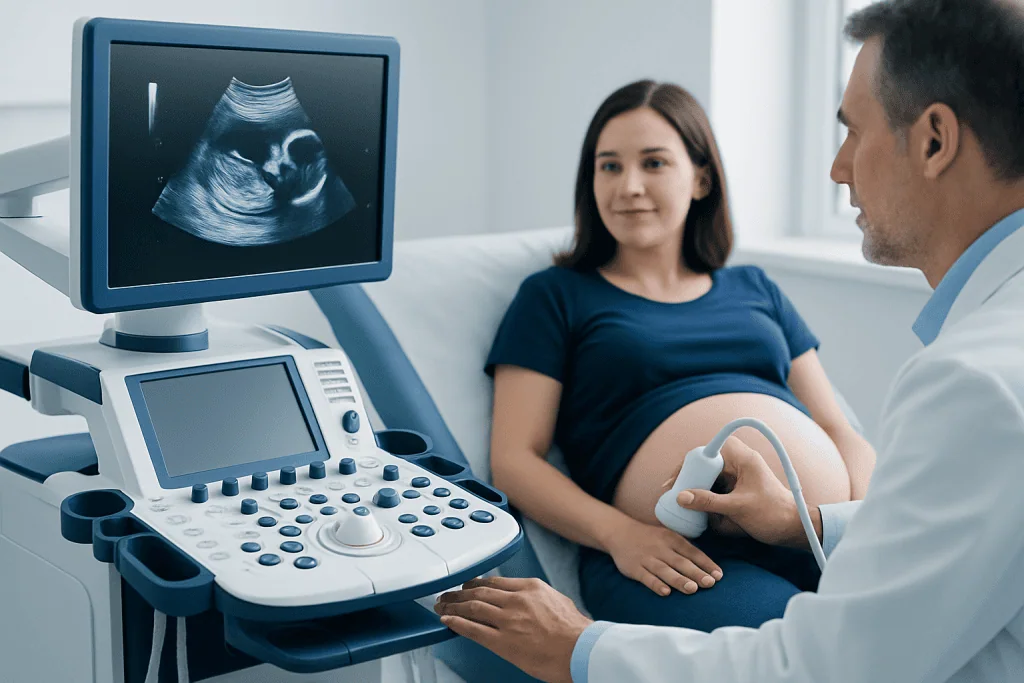
Many neural tube abnormalities are detected during pregnancy. Routine prenatal ultrasound can show changes in the skull, brain, or spine that suggest a defect. Maternal blood testing may also identify an elevated alpha-fetoprotein level, which can raise suspicion for an open neural tube defect. If screening suggests a problem, more detailed ultrasound and specialist evaluation are usually recommended.
In selected cases, doctors may discuss amniocentesis to look for markers in the amniotic fluid or to assess for genetic conditions. These tests do not serve the same purpose in every pregnancy, so the choice depends on the suspected diagnosis and the information needed for planning. Counseling is an important part of this process because families may need time to understand the findings and options.
After birth, diagnosis may begin with a physical examination and then continue with imaging such as ultrasound, MRI, or CT, depending on the body area involved. If a spinal lesion is present, the medical team will also check leg movement, reflexes, hip stability, and bladder and bowel function. Some babies need urgent assessment by specialists in neurosurgery or neonatal care to protect exposed tissue and reduce the risk of complications.
Treatment and long-term care
Treatment depends on the exact abnormality, its severity, and whether it is diagnosed before or after birth. Some mild forms, such as spina bifida occulta, may only need observation. More complex defects may require surgery soon after birth to close an opening in the spine or skull, protect the nervous system, and reduce infection risk. Prenatal surgery may be considered in carefully selected cases of myelomeningocele at specialized centers, though it is not suitable for everyone.
Supportive care is often just as important as surgery. A child may need help from pediatric neurology, urology, orthopedics, rehabilitation medicine, physical therapy, and developmental specialists. Hydrocephalus, when present, may require treatment to drain excess fluid from the brain. Mobility aids, bladder care strategies, skin care, and regular follow-up can greatly improve comfort and daily function.
In some situations, a doctor may recommend imaging-guided follow-up or complex planning across several specialties. Depending on the child’s needs, care may involve pediatric neurosurgery, physical therapy and rehabilitation, or prenatal diagnosis and treatment. The goals are to protect nerve function where possible, prevent complications, and support development and quality of life over time.
Near the end of the care pathway, families may benefit from centers experienced in multidisciplinary coordination. Acibadem International’s multidisciplinary specialists and JCI-accredited hospitals diagnose and treat neural tube abnormalities for international patients, with care plans tailored to the child’s or pregnancy’s clinical needs.
Prevention and self-care planning
Not all neural tube abnormalities can be prevented, but risk can be reduced in some cases. The most widely recommended step is to take folic acid before conception and during early pregnancy, because the neural tube closes before many people know they are pregnant. A doctor can advise on the amount that is appropriate, especially for those with a previous affected pregnancy or other higher-risk factors.
Preconception care is also important. This may include reviewing prescription and over-the-counter medicines, optimizing diabetes control, discussing weight management, and treating fever promptly in early pregnancy. People planning pregnancy should ask a doctor before stopping or changing any medication, especially seizure medicines, because both the medication and the underlying condition need careful management.
For families already living with a diagnosis, self-care planning focuses on routine follow-up and practical daily support. This may include skin checks, bowel and bladder care routines, physical therapy exercises, nutritional guidance, and developmental monitoring. Parents and caregivers should feel comfortable asking for written care instructions and knowing which symptoms require urgent review.
When to seek medical care
Medical advice should be sought promptly if a prenatal screening test is abnormal, if an ultrasound suggests a spine or brain problem, or if there is a family history of neural tube defects and a pregnancy is planned. Early specialist input can help clarify the diagnosis and support decisions about testing, monitoring, delivery planning, and newborn care.
After birth, urgent medical assessment is needed if a baby has an open lesion on the back or scalp, leakage of fluid from a sac, fever, poor feeding, unusual sleepiness, vomiting, trouble moving the legs, or signs of increasing head size. Even subtle skin changes over the lower back should be discussed with a pediatrician if there are also bowel, bladder, or walking concerns.
For older infants and children, new weakness, worsening balance, back pain, changes in continence, repeated urinary infections, or skin breakdown are all reasons to contact a doctor. Timely evaluation can identify treatable complications and help protect function over the long term.
Frequently asked questions
What are neural tube abnormalities?
Neural tube abnormalities are congenital conditions that occur when the early structure that becomes the brain and spinal cord does not close properly in early pregnancy. They include disorders such as spina bifida, anencephaly, and encephalocele.
Are neural tube abnormalities the same as spina bifida?
Not exactly. Spina bifida is one type of neural tube abnormality, but the term also includes defects affecting the brain and skull, such as anencephaly and encephalocele. The outlook and treatment vary depending on the specific diagnosis.
Can folic acid prevent neural tube abnormalities?
Folic acid can lower the risk of some neural tube defects, especially when taken before conception and in early pregnancy. However, it does not prevent every case, because these conditions can also involve genetic and other environmental factors.
How are neural tube abnormalities found during pregnancy?
They are often detected through routine prenatal ultrasound and sometimes through maternal blood screening, such as alpha-fetoprotein testing. If a screening result is abnormal, doctors may recommend more detailed imaging and specialist counseling.
Do all babies with neural tube abnormalities need surgery?
No. Some mild forms may only need monitoring, while others require surgery soon after birth or, in selected cases, before birth. The decision depends on the location of the defect, whether nerve tissue is involved, and the baby's overall condition.
What is the long-term outlook for a child with a neural tube abnormality?
The outlook depends on the type and severity of the defect and on whether complications such as hydrocephalus or bladder dysfunction are present. Many children benefit from ongoing specialist care, rehabilitation, and educational support, and some lead active lives with the right accommodations.
References
- World Health Organization
- Centers for Disease Control and Prevention
- National Institute of Neurological Disorders and Stroke
- American College of Obstetricians and Gynecologists
- March of Dimes
This article is for general information only and is not a substitute for professional medical advice. Please consult a qualified doctor about your individual situation.
Joint and spine care in Turkey — expert assessment & treatment
JCI-accredited · board-certified surgeons · reply within 24h
Add us as a Preferred Source to see more of our trusted health content across Google Search, AI Overviews and Discover.