

Neuro-Otology Tests for Dizziness: What They Show and How to Prepare

Neuro-otology tests assess balance, eye movements, hearing, and vestibular function to find the cause of dizziness. Testing is tailored to the person’s symptoms and may include bedside exams, hearing tests, positional testing, and vestibular laboratory studies.
Key Takeaways
- Neuro-otology tests assess balance, eye movements, hearing, and vestibular function to find the cause of dizziness.
- Testing is tailored to the person’s symptoms and may include bedside exams, hearing tests, positional testing, and vestibular laboratory studies.
- Many dizziness causes are treatable, including benign positional vertigo, vestibular neuritis, migraine-related dizziness, and some balance disorders.
- Preparation may include checking medication instructions, avoiding alcohol, and arranging help with transportation if symptoms may worsen temporarily.
- Urgent medical care is needed if dizziness occurs with weakness, severe headache, trouble speaking, chest pain, or fainting.
Neuro-otology tests for dizziness help doctors understand whether symptoms come from the inner ear, the balance nerve, the brain, vision, or more than one system at once. These tests do not just confirm that dizziness is real—they help explain why it is happening and which treatments may help most.
Overview: Why Neuro-Otology Tests Are Used
Neuro-otology is the area of medicine that evaluates dizziness, vertigo, imbalance, and related symptoms that may involve the inner ear, hearing pathways, balance nerves, eye movements, and parts of the brain that coordinate balance. Because balance depends on several body systems working together, dizziness can have many different causes. Neuro-otology tests help separate these causes in a structured way.
People often use the words dizziness and vertigo interchangeably, but they do not always mean the same thing. Vertigo usually describes a spinning or motion sensation, while dizziness may refer to lightheadedness, unsteadiness, floating, swaying, or difficulty focusing during movement. A careful description of symptoms is an important part of testing because different patterns point to different diagnoses.
These tests are not all done for every patient. A specialist chooses them based on symptom triggers, duration, hearing changes, headache history, neurological symptoms, and physical examination findings. In many cases, the goal is to determine whether the problem is most likely peripheral, meaning related to the inner ear or vestibular nerve, or central, meaning related to the brain and its connections.
Neuro-otology testing can also help confirm common causes such as vertigo, benign positional dizziness, vestibular migraine, or imbalance after an ear infection. For some people, the results are also useful for planning vestibular rehabilitation or deciding whether imaging or specialist referral is needed.
Symptoms That May Lead to Testing
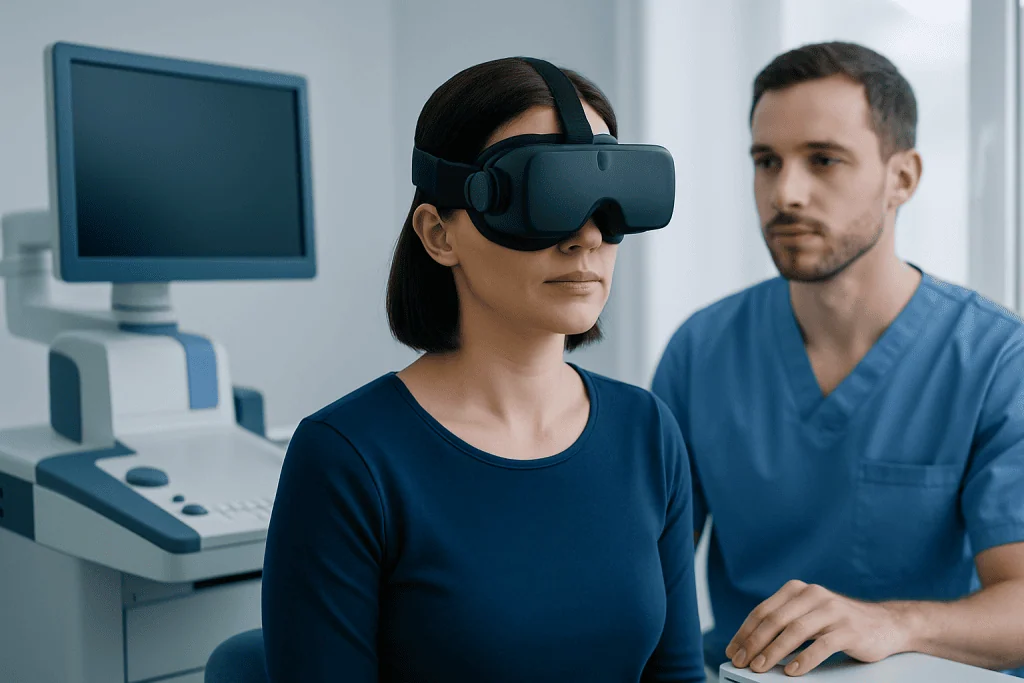
Doctors may recommend neuro-otology tests when dizziness is frequent, severe, unexplained, or disruptive to daily life. Testing is especially helpful when symptoms happen with head movement, turning in bed, walking in busy environments, nausea, hearing changes, ringing in the ears, motion sensitivity, or falls. Some people feel fine when sitting still but become unsteady when moving, which can suggest a vestibular problem.
Balance disorders can also affect vision. When the vestibular system is not working well, the eyes may have trouble staying steady during movement. This can cause blurred vision, difficulty reading signs while walking, or a sense that the world is bouncing. Because of this close connection between eye movements and balance, neuro-otology assessment often includes detailed eye movement testing.
Symptoms that may prompt evaluation include:
- Spinning, tilting, rocking, swaying, or floating sensations
- Unsteadiness when walking or standing
- Nausea or vomiting linked to movement
- Brief attacks triggered by rolling over, looking up, or bending down
- Dizziness with headaches, light sensitivity, or sound sensitivity
- Hearing loss, ear fullness, or tinnitus
- Difficulty focusing the eyes during movement
Testing may also be recommended after a viral illness, concussion, sudden hearing change, or repeated unexplained falls. When dizziness comes with hearing symptoms, doctors may combine vestibular testing with hearing testing to see whether the auditory and balance systems are both involved.
What Neuro-Otology Tests Can Show

Neuro-otology tests do not look for just one disease. Instead, they measure how well the balance system works and how the brain responds to balance information. This can help show whether one inner ear is weaker than the other, whether symptoms are triggered by position changes, whether abnormal eye movements are present, or whether another condition may be affecting balance.
One common group of tests examines eye movements because the inner ear and brain use coordinated eye reflexes to keep vision stable. A specialist may look for nystagmus, which is an involuntary eye movement that can suggest a vestibular or neurological cause. Positional tests, such as moving the head and body into certain positions, can reveal benign paroxysmal positional vertigo, often called BPPV.
Depending on the clinical picture, testing may include videonystagmography or electronystagmography, head impulse testing, caloric testing, rotary chair testing, vestibular evoked myogenic potentials, posturography, hearing tests, and imaging when needed. Each test adds different information. For example, one test may show a weakness in one vestibular nerve, while another may show how the brain compensates for that weakness over time.
In some situations, dizziness may overlap with disorders such as migraine, anxiety, low blood pressure, neuropathy, medication side effects, or eye movement disorders. That is why results are interpreted together with the patient’s history, examination, and sometimes imaging such as MRI. Testing is most useful when it answers a specific clinical question rather than being ordered as a checklist.
Common Tests: What to Expect
Most neuro-otology testing is outpatient and noninvasive. The first step is usually a detailed history and physical examination. The doctor may ask when symptoms started, how long they last, what triggers them, whether hearing changes are present, and whether there is headache, visual disturbance, or a recent infection. During the exam, they may observe eye movements, gait, balance, and how symptoms change with head position.
Positional testing is commonly used when brief spinning occurs with rolling over in bed, bending, or looking upward. During these maneuvers, the specialist gently moves the head and upper body while watching the eyes. If BPPV is present, symptoms and a characteristic eye movement pattern may appear. In many cases, the same visit may include a repositioning maneuver such as the Epley maneuver to treat it.
Laboratory vestibular tests may involve wearing goggles that record eye movements while following lights, changing head positions, or stimulating the balance organs. Caloric testing uses warm and cool air or water in the ear canal to compare the response of each inner ear. Rotary chair testing evaluates the vestibulo-ocular reflex during controlled movement. Vestibular evoked myogenic potentials assess specific parts of the inner ear and vestibular nerve using sound or vibration.
Hearing tests are often included because dizziness and hearing symptoms can occur together in conditions such as Ménière-related disorders, labyrinthitis, or other inner ear problems. Some patients also need imaging or neurological evaluation if symptoms suggest a central cause, if the examination is atypical, or if there are red flags such as double vision, weakness, or severe new headache.
How to Prepare for Dizziness Testing
Preparation depends on the exact test, so it is important to follow the instructions provided by the clinic. Patients are often advised to ask in advance whether they should temporarily avoid certain medications that may affect test accuracy, such as vestibular suppressants, sedatives, or some anti-nausea medicines. This should only be done if the treating clinician says it is safe. No one should stop prescription medication on their own.
Many centers recommend avoiding alcohol for at least a day before testing and limiting heavy meals, caffeine, or smoking for several hours beforehand, depending on the study planned. Comfortable clothing is helpful, especially if the test includes movement, standing, or a harness system. Eye makeup, facial lotions, or thick creams may need to be avoided when sensors or goggles are used.
Because some tests can briefly trigger dizziness, nausea, or fatigue, it is often wise to arrange transportation home, especially for people who are very symptomatic. Patients may also be asked to bring a list of medications, details about prior ear disease, hearing tests, imaging reports, or notes on symptom triggers and duration. A simple diary of when dizziness happens can be very useful.
It can help to know that feeling dizzy during testing does not mean anything is going wrong. In fact, provoking symptoms in a controlled setting often helps the specialist identify the cause more accurately. Most symptoms settle soon after the test, though some people feel off-balance for a few hours and prefer to rest afterward.
Understanding Results and Treatment Options
Results are interpreted in context. An abnormal test does not always mean a serious disease, and a normal test does not mean symptoms are imagined. Some vestibular disorders are intermittent, and the brain can partially compensate for inner ear weakness over time. That is why doctors combine test findings with the story of the symptoms and the examination.
If testing shows BPPV, treatment often involves repositioning maneuvers rather than medication. If one inner ear is weaker after vestibular neuritis or labyrinthitis, vestibular rehabilitation may help the brain adapt. When hearing loss or ear pressure is present, the care plan may also involve ENT follow-up. If symptoms fit migraine-related dizziness, treatment may focus on trigger management, sleep, hydration, and preventive strategies guided by a clinician.
Some patients need more than one type of treatment. This may include balance therapy, hearing assessment, medication review, hydration advice, fall prevention, treatment of underlying neurological or cardiovascular conditions, or imaging when the pattern suggests a central cause. The most effective plan depends on the diagnosis, symptom frequency, and how much daily function is affected.
Near the end of the evaluation process, the specialist usually explains whether the findings point to a peripheral vestibular disorder, a central nervous system issue, a mixed picture, or a non-vestibular cause of dizziness. For international patients who need coordinated assessment, Acibadem International’s multidisciplinary specialists and JCI-accredited hospitals evaluate and treat dizziness-related conditions with individualized care planning.
When to Seek Medical Care
Many causes of dizziness are not emergencies, but some symptoms need prompt assessment. A person should seek urgent medical care if dizziness comes with sudden weakness, numbness, trouble speaking, severe new headache, double vision, fainting, chest pain, shortness of breath, or difficulty walking that is sudden and severe. These features can suggest problems outside the inner ear, including stroke or heart-related conditions.
Medical review is also important when dizziness lasts for days, returns repeatedly, leads to falls, follows head injury, or occurs with sudden hearing loss. Sudden hearing loss together with vertigo deserves timely attention because early treatment may be important. Persistent vomiting, dehydration, or inability to function normally are also reasons to contact a doctor.
Even when symptoms are not urgent, recurrent dizziness should not be ignored. Many people assume they simply have to live with it, but accurate diagnosis can often lead to effective treatment and better confidence with walking, travel, work, and daily activities. Keeping a symptom log and seeking care from a qualified clinician are practical first steps.
For ongoing self-care, patients can reduce risk by moving carefully during active episodes, using handrails, staying hydrated, getting adequate sleep, and following the treatment plan provided after testing. If exercises are prescribed, they should be done exactly as instructed, since balance rehabilitation works best when it is targeted to the diagnosed problem.
Frequently asked questions
What is the difference between dizziness and vertigo?
Dizziness is a broad term that can mean lightheadedness, floating, unsteadiness, or feeling off balance. Vertigo is a specific type of dizziness in which a person feels spinning, tilting, or motion when there is none. This distinction helps doctors choose the most useful tests.
Are neuro-otology tests painful?
Most neuro-otology tests are not painful, but some can briefly bring on dizziness or nausea because they intentionally stimulate the balance system. These sensations usually pass quickly after the test ends. The team will explain each step and help the patient stay as comfortable as possible.
How long does dizziness testing take?
The length of testing depends on how many studies are needed. A focused visit with examination and positional testing may be relatively short, while a full vestibular laboratory evaluation can take longer. The clinic can usually provide a time estimate in advance.
Should medications be stopped before vestibular testing?
Sometimes, but only if the testing center or prescribing doctor advises it. Certain medicines can affect balance responses and make results harder to interpret. Patients should never stop prescription medication on their own before testing.
Can test results be normal even if dizziness is real?
Yes. Some dizziness disorders happen in episodes, and test results may be normal between attacks. Results must be interpreted along with the medical history and examination, which is why a specialist evaluation remains important.
What conditions can neuro-otology tests help diagnose?
These tests can help identify inner ear and balance disorders such as BPPV, vestibular neuritis, labyrinthitis, Ménière-related problems, vestibular migraine, and some nerve or brain-based causes of imbalance. They can also help rule out certain vestibular causes and guide further investigations. The exact diagnosis depends on the pattern of symptoms and the full clinical picture.
References
- National Institute on Deafness and Other Communication Disorders
- National Institute of Neurological Disorders and Stroke
- American Academy of Otolaryngology–Head and Neck Surgery
- American Academy of Neurology
- Vestibular Disorders Association
This article is for general information only and is not a substitute for professional medical advice. Please consult a qualified doctor about your individual situation.
Explore treatments in Turkey — costs, top hospitals & a free quote
JCI-accredited · board-certified surgeons · reply within 24h
Add us as a Preferred Source to see more of our trusted health content across Google Search, AI Overviews and Discover.
Check your numbers in seconds
BMI, calories, due date, blood pressure and 30+ more clinical calculators — free, instant, doctor-reviewed ranges.

More from the Health Library



Related Specialists

Dr. Meltem Hüner
Infectious Diseases & Clinical Microbiology
Dt. Ayça Aydın Kilavuz
Oral & Dental Health
Dr. Fadil Havas
Intensive Care
Prof. Dr. Faruk Buyru
Gynecology & Obstetrics