Neurobiological Conditions: When Brain Changes Lead to Progressive Disease

Neurobiological conditions involve changes in the nervous system that can affect movement, memory, mood, speech, or sensation. Not all neurobiological conditions are progressive, but some neurodegenerative diseases slowly worsen over time.
Key Takeaways
- Neurobiological conditions involve changes in the nervous system that can affect movement, memory, mood, speech, or sensation.
- Not all neurobiological conditions are progressive, but some neurodegenerative diseases slowly worsen over time.
- Early evaluation can help identify treatable causes, clarify the diagnosis, and guide symptom management.
- Diagnosis often includes a neurological exam, brain imaging, laboratory tests, and sometimes cognitive or genetic testing.
- Treatment usually focuses on symptom control, rehabilitation, safety, and long-term support for the patient and family.
Neurobiological conditions are disorders linked to changes in the brain, spinal cord, or nerves that may slowly affect how a person moves, thinks, feels, or functions. Some are progressive, meaning symptoms can worsen over time, but early diagnosis and supportive care can help people manage health and quality of life.
Overview
Neurobiological conditions are health disorders caused by changes in the structure or function of the brain, spinal cord, or peripheral nerves. These changes may affect communication between nerve cells, damage important brain regions, or alter the way the nervous system controls movement, memory, mood, speech, and sensation. The term is broad and can include developmental, inflammatory, genetic, and degenerative disorders.
When these brain or nerve changes lead to ongoing loss of nerve cell function, the condition may become progressive. This means symptoms tend to develop gradually and may worsen over months or years. Progressive disorders do not affect everyone in the same way, and the pace of change can vary greatly from one person to another.
Examples of progressive neurobiological conditions include Alzheimer’s disease, Parkinson’s disease, motor neuron diseases, Huntington’s disease, and some forms of atypical dementia. Some symptoms overlap with other conditions, so a person should not assume that memory loss, tremor, weakness, or balance problems automatically mean a degenerative disease.
Understanding the underlying cause is important because some conditions can be treated, slowed, or better managed when identified early. Even when a disease cannot be cured, specialist care can support daily function, reduce complications, and help patients and families plan ahead with confidence.
Symptoms and How They May Progress
Symptoms of neurobiological conditions depend on which parts of the nervous system are affected. Changes in the brain’s memory centers may lead to forgetfulness, confusion, or difficulty finding words. Changes in movement-related pathways may cause tremor, stiffness, slowness, poor balance, or falls. If nerves controlling muscles are involved, a person may develop weakness, muscle wasting, or problems with swallowing and speech.
Some people first notice subtle changes, such as trouble concentrating, a reduced sense of smell, small handwriting, mood changes, or unusual sleep behaviors. Others may experience more obvious symptoms, including frequent stumbling, shaking, personality changes, vision problems, or numbness. Because these symptoms can have many causes, proper medical assessment is important.
Progression can be slow and uneven. A person may remain stable for a period and then notice new limitations. Symptoms may also affect emotional well-being, leading to frustration, anxiety, depression, or social withdrawal. Family members often notice changes in daily routines, judgment, communication, or independence before the patient fully recognizes them.
- Movement symptoms: tremor, stiffness, slowness, poor coordination, falls
- Cognitive symptoms: memory loss, poor attention, language difficulty, reduced judgment
- Behavioral or mood symptoms: apathy, irritability, depression, anxiety, personality change
- Physical symptoms: weakness, swallowing difficulty, fatigue, sleep disturbance, sensory changes
Causes and Risk Factors

Neurobiological conditions can develop for many reasons. In some diseases, abnormal proteins build up inside or around nerve cells, interfering with normal brain function. In others, genetic changes affect how the nervous system develops or repairs itself. Reduced blood flow, inflammation, immune system activity, repeated head injury, infections, or exposure to certain toxins may also contribute in selected cases.
Age is one of the most important risk factors for many neurodegenerative diseases, but these disorders are not considered a normal part of aging. Family history may raise the likelihood of some conditions, especially those with a known inherited pattern. Still, many people diagnosed with a progressive neurological disease have no close relatives with the same problem.
Lifestyle and general health may also influence brain resilience. Conditions such as high blood pressure, diabetes, poor sleep, hearing loss, smoking, heavy alcohol use, and low physical activity can worsen cognitive or neurological health over time. Managing vascular risk factors may help protect brain function and reduce the burden of other treatable contributors.
It is also important to remember that symptoms similar to a progressive brain disease can result from reversible problems such as vitamin deficiency, thyroid disease, medication side effects, <a href="https://acibademinternational.com/diseases/normal-pressure-hydrocephalus/”>normal pressure hydrocephalus, depression, or infection. A careful workup helps distinguish a primary neurodegenerative disorder from these other causes.
How Doctors Diagnose Neurobiological Conditions
Diagnosis usually begins with a detailed medical history and neurological examination. The doctor asks when symptoms started, how they have changed, which daily activities are affected, and whether there is a family history of neurological disease. The examination may assess strength, reflexes, eye movements, walking, coordination, memory, speech, and behavior.
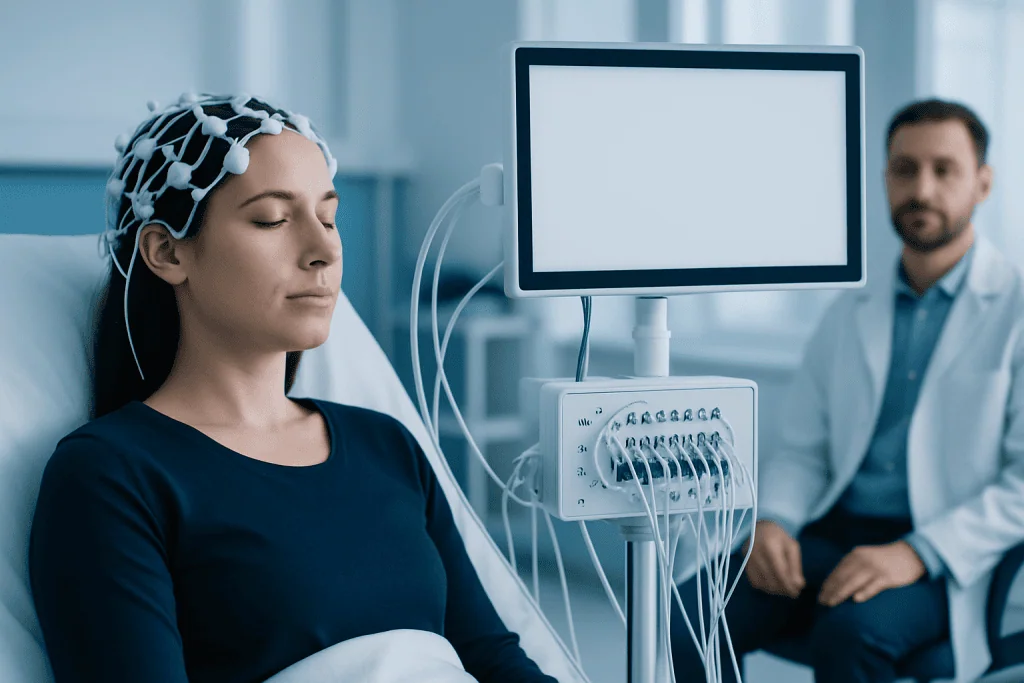
Brain imaging often plays an important role. Magnetic resonance imaging can help identify patterns of brain shrinkage, stroke, inflammation, tumors, or structural changes that may explain symptoms. Depending on the case, doctors may also use advanced imaging, nerve conduction studies, electroencephalography, or specialized cognitive assessments. If a movement disorder is suspected, evaluation may overlap with conditions such as Parkinson’s disease.
Blood tests are commonly used to look for treatable causes, including vitamin deficiencies, infection, metabolic problems, thyroid disorders, liver or kidney disease, and autoimmune conditions. In selected patients, cerebrospinal fluid analysis, sleep studies, or genetic testing may help clarify the diagnosis. Genetic counseling may be recommended when an inherited condition is suspected.
Because symptoms can overlap across diseases, diagnosis may take time and sometimes requires follow-up visits. A multidisciplinary team can be especially helpful, including neurologists, neuropsychologists, rehabilitation specialists, speech and language therapists, and mental health professionals. The goal is not only to name the condition, but also to understand its impact and guide practical care.
Treatment Options and Long-Term Management
Treatment depends on the specific diagnosis, symptom pattern, and stage of disease. For some neurobiological conditions, medicines may improve symptoms such as tremor, muscle stiffness, memory problems, mood changes, or sleep disturbance. In some cases, treatment also targets an underlying cause, such as inflammation, vitamin deficiency, infection, or hormone imbalance. Care plans are usually individualized and adjusted over time.
Rehabilitation is a central part of management. Physical therapy can support strength, balance, posture, and mobility. Occupational therapy may help with dressing, eating, bathing, and home safety. Speech and language therapy can be useful for communication or swallowing difficulties. For selected movement disorders, advanced options such as deep brain stimulation may be discussed when symptoms are not well controlled with medication.
Cognitive and emotional symptoms also deserve attention. Memory aids, structured routines, caregiver education, and neuropsychological support can make daily life more manageable. Counseling and appropriate psychiatric care may help with depression, anxiety, agitation, or behavior change. If dementia is present, care may relate to broader evaluation and support strategies used in Alzheimer’s disease and other dementias.
As disease progresses, supportive care becomes increasingly important. This may include nutrition guidance, fall prevention, swallowing assessment, assistive devices, home adaptations, and advance care planning. In complex cases, treatments such as physical therapy and rehabilitation or neurology care can be part of coordinated long-term management. Near the end of the care pathway, Acibadem International’s multidisciplinary specialists and JCI-accredited hospitals also provide diagnostic and treatment support for international patients with complex neurological conditions.
Prevention and Self-care
Not all progressive neurobiological conditions can be prevented, especially when genetics play a major role. However, healthy habits may support brain health and reduce the impact of other conditions that can worsen neurological symptoms. These steps are worthwhile for the general population as well as for people already living with a neurological diagnosis.
Regular physical activity, balanced nutrition, good sleep, social engagement, and mental stimulation can help maintain overall brain and body function. Managing hearing and vision problems may also improve communication, orientation, and safety. For people at risk of falls, an exercise plan and a home safety review can be very valuable.
General medical care matters too. Controlling blood pressure, cholesterol, and blood sugar supports blood vessel health in the brain. Avoiding smoking, limiting alcohol, reviewing medications regularly, and treating depression or sleep apnea may reduce additional strain on brain function. Vaccination and infection prevention are also important for medically vulnerable adults.
- Stay physically active within a doctor’s advice
- Follow a nutritious, balanced eating pattern
- Keep regular sleep and daily routines
- Manage chronic conditions and attend follow-up visits
- Use memory tools, calendars, labels, or reminders when helpful
- Ask for support early rather than waiting for a crisis
When to See a Doctor
A person should seek medical advice if new neurological symptoms appear or if existing symptoms gradually worsen. Warning signs include persistent memory problems, confusion, repeated falls, tremor, weakness, speech difficulty, swallowing problems, vision changes, unusual behavior, or a clear decline in day-to-day function. Early evaluation can identify serious but treatable causes and help start supportive care sooner.
Urgent medical attention is needed for sudden symptoms such as abrupt weakness, facial drooping, severe confusion, sudden vision loss, a new seizure, or difficulty speaking that begins suddenly. These symptoms may point to a stroke or another emergency rather than a slowly progressive disorder. Immediate assessment is essential in these situations.
Family members and caregivers should also speak up if they notice concerning changes. People with cognitive or behavioral symptoms may not fully recognize what is happening. A written record of changes in memory, walking, mood, sleep, or safety can be very helpful during the appointment.
Although a diagnosis of progressive neurological disease can feel overwhelming, many people benefit from specialist care, symptom-focused treatment, rehabilitation, and practical planning. Timely support can improve comfort, independence, and quality of life for both the patient and loved ones.
Frequently asked questions
What are neurobiological conditions?
Neurobiological conditions are disorders that affect the brain, spinal cord, or nerves through changes in structure, chemistry, or function. They can influence movement, memory, mood, speech, sensation, or behavior, depending on the area involved.
Are all neurobiological conditions progressive?
No. Some neurobiological conditions are stable, treatable, or temporary, while others are progressive and tend to worsen over time. A full medical evaluation is needed to understand the likely cause and expected course.
What symptoms should not be ignored?
Ongoing memory decline, tremor, repeated falls, weakness, speech changes, swallowing difficulty, confusion, and behavior changes should be assessed by a doctor. Sudden symptoms, such as abrupt weakness or trouble speaking, need urgent emergency evaluation.
How are progressive brain diseases diagnosed?
Doctors usually combine a medical history, neurological examination, brain imaging, and blood tests. Some people may also need cognitive testing, nerve studies, cerebrospinal fluid analysis, or genetic testing, depending on the suspected condition.
Can neurobiological conditions be treated?
Many can be treated symptomatically, and some have therapies that address part of the underlying cause. Even when a cure is not available, medication, rehabilitation, counseling, assistive devices, and caregiver support can make a meaningful difference.
Can lifestyle changes help?
Healthy habits cannot prevent every neurological disease, but they can support overall brain health and daily function. Regular exercise, good sleep, balanced nutrition, social engagement, and management of blood pressure, diabetes, and other chronic conditions are all helpful.
References
- World Health Organization
- National Institute of Neurological Disorders and Stroke
- National Institute on Aging
- Alzheimer's Association
- Parkinson's Foundation
This article is for general information only and is not a substitute for professional medical advice. Please consult a qualified doctor about your individual situation.
Joint and spine care in Turkey — expert assessment & treatment
JCI-accredited · board-certified surgeons · reply within 24h
Add us as a Preferred Source to see more of our trusted health content across Google Search, AI Overviews and Discover.
Check your numbers in seconds
BMI, calories, due date, blood pressure and 30+ more clinical calculators — free, instant, doctor-reviewed ranges.