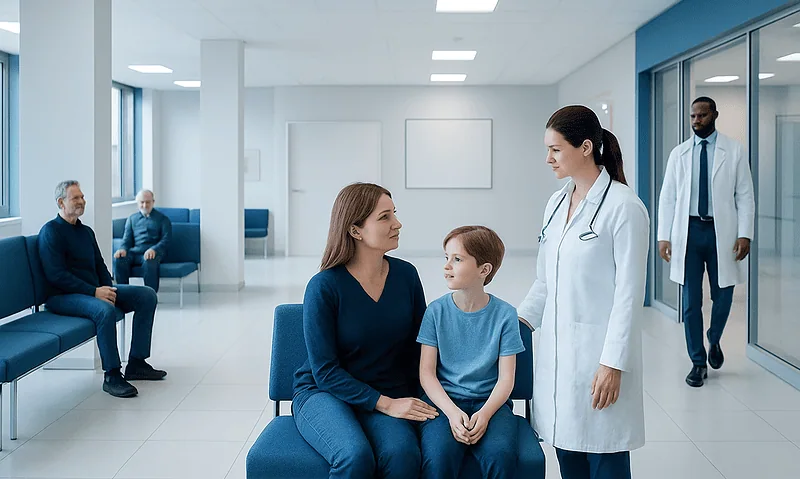
Neuroblastoma Surgery: Procedure, Recovery and Results
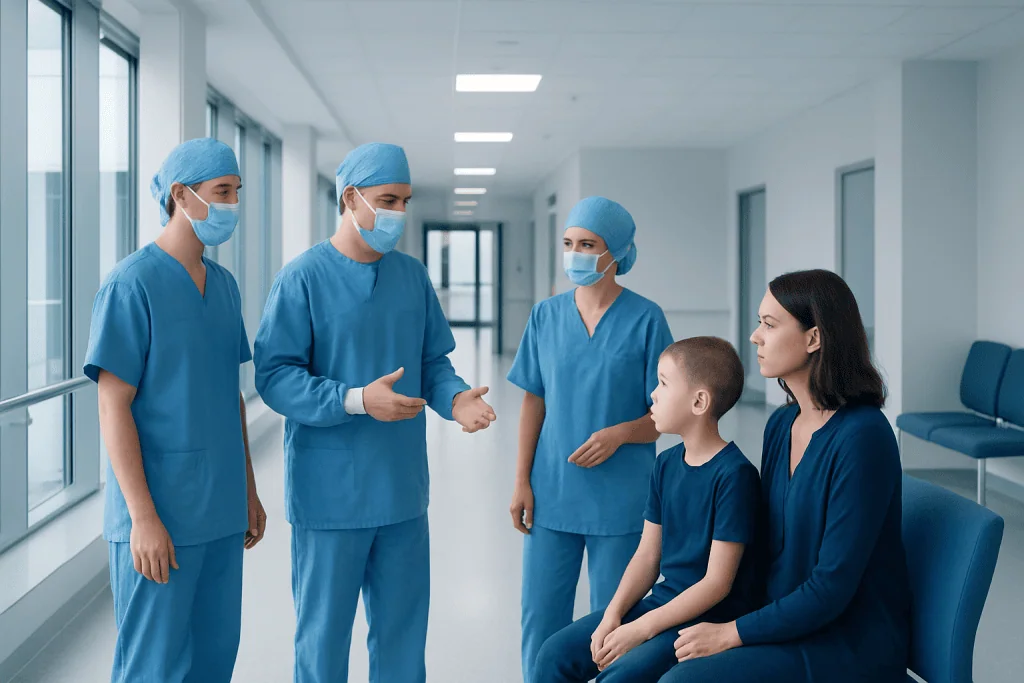
The purpose of neuroblastoma surgery is to remove as much tumor as can be removed safely. A child may have surgery before, during, or after chemotherapy depending on the tumor’s risk group and location.
Key Takeaways
- The purpose of neuroblastoma surgery is to remove as much tumor as can be removed safely.
- A child may have surgery before, during, or after chemotherapy depending on the tumor’s risk group and location.
- The operation is performed under general anesthesia and can last several hours for complex tumors.
- Recovery depends on the surgical site, extent of resection, and whether other treatments are needed.
- Long-term outcomes vary greatly with age, stage, tumor biology, and response to treatment.
Neuroblastoma surgery is an operation to remove all or part of a neuroblastoma tumor while protecting nearby organs, blood vessels, and nerves. It is usually one part of an individualized treatment plan, particularly when the tumor is large, has spread, or surrounds important structures.
Neuroblastoma Surgery: What It Is and Why It Is Used
Neuroblastoma surgery is a procedure used to remove a tumor that develops from immature nerve cells. Neuroblastoma most often occurs in young children and commonly starts in the adrenal glands, which sit above the kidneys. It can also arise along nerve tissue in the abdomen, chest, neck, or pelvis.
The surgical goal is not always complete tumor removal. A surgeon aims to remove as much cancer as is safely possible without causing avoidable injury to major blood vessels, nerves, the spinal cord, kidneys, liver, bowel, or other nearby structures. This approach is called neuroblastoma surgical resection or neuroblastoma resection.
Surgery may help confirm the diagnosis, obtain tissue for detailed testing, remove a localized tumor, reduce the amount of remaining disease, or address symptoms caused by pressure on nearby organs. For many children, surgery is combined with chemotherapy and, when appropriate, radiation therapy, stem cell transplant, immunotherapy, or other treatments.
Who May Be a Candidate for Neuroblastoma Resection?
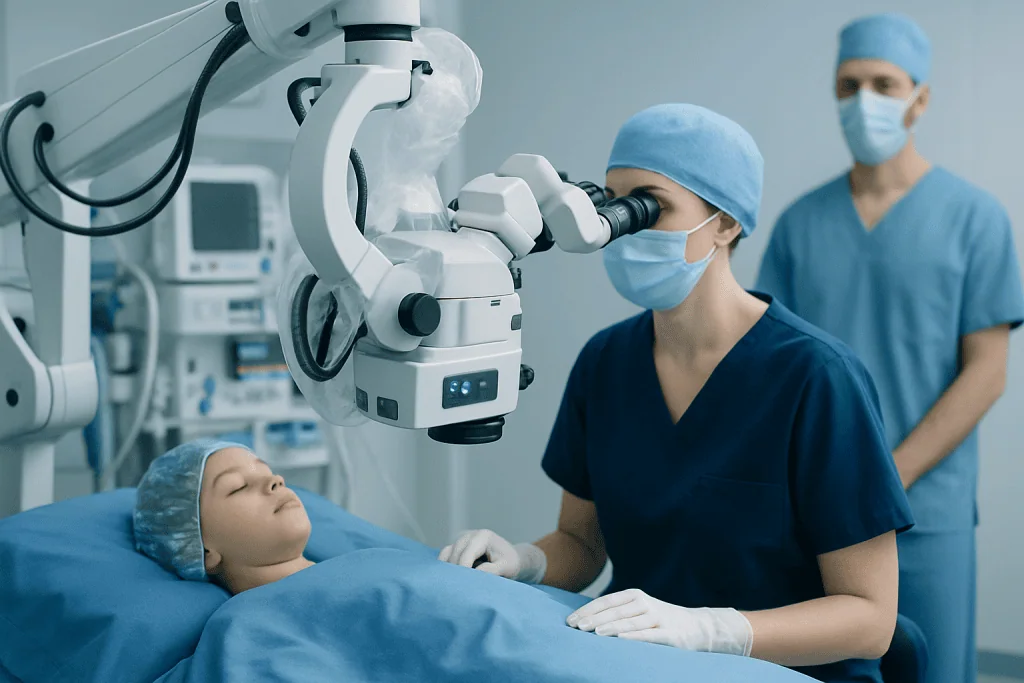
Whether surgery is appropriate depends on the child’s overall health, the tumor’s location and size, whether it has spread, and its biological features. The care team also considers whether the tumor involves major vessels or nerves, and whether it is likely to become easier and safer to remove after chemotherapy.
Some low-risk tumors can be removed with surgery alone. In selected infants with small tumors and favorable features, careful monitoring may be considered instead of immediate surgery. By contrast, high-risk neuroblastoma often needs several forms of treatment, and surgery is usually scheduled after initial chemotherapy has shrunk or stabilized the tumor.
Before treatment, a multidisciplinary pediatric oncology team reviews imaging, biopsy findings, laboratory tests, and staging results. Planning may involve pediatric surgical oncologists, pediatric oncologists, anesthesiologists, radiologists, pathologists, intensive care specialists, and rehabilitation professionals. This coordinated review helps balance the benefits of resection with the risks of operating near critical anatomy.
How Neuroblastoma Surgery Works: Step by Step

Before surgery, the child has preoperative assessments that may include blood tests, heart and kidney evaluation, and detailed imaging such as MRI or CT. The surgical team uses these images to map the tumor’s relationship to organs and blood vessels. Parents or caregivers are given instructions about fasting, regular medicines, arrival time, and what to expect after the operation.
Neuroblastoma resection anesthesia is general anesthesia, meaning the child is fully asleep, closely monitored, and does not feel pain during the procedure. The anesthesiology team may place intravenous lines, an arterial line for continuous blood-pressure monitoring, a urinary catheter, and other temporary devices as needed for a major operation.
The surgeon makes an incision that provides safe access to the tumor. Abdominal neuroblastomas commonly require an abdominal incision, while tumors in the chest or neck require an approach suited to that location. The team carefully separates the tumor from surrounding tissues, removes it fully or partially, controls bleeding, and sends tissue to pathology for analysis.
Neuroblastoma surgery time varies considerably. A smaller, well-defined tumor may take a few hours, while a complex tumor close to large blood vessels or several organs can take longer. After the procedure, the child is observed in a recovery area and may need care in a pediatric intensive care unit, especially after extensive surgery.
Recovery Timeline After Neuroblastoma Surgery
Immediately after surgery, the care team monitors breathing, blood pressure, pain, fluid balance, and signs of bleeding or infection. Some children need temporary breathing support, particularly after lengthy abdominal or chest surgery. Pain control is planned carefully and may include intravenous medicines at first, followed by oral medicines as recovery progresses.
During the first few days, the child may have a drain near the surgical area, intravenous fluids, and a urinary catheter. Eating and drinking resume gradually once bowel function returns, especially after abdominal surgery. Nurses and rehabilitation staff encourage age-appropriate movement as soon as it is safe, which supports lung function, circulation, strength, and recovery.
Hospital stay can range from several days to longer for extensive operations or if complications occur. At home, caregivers receive instructions on incision care, activity, bathing, medicines, nutrition, school or daycare return, and follow-up appointments. Tiredness, reduced appetite, and temporary discomfort are common while healing.
Follow-up imaging and oncology visits are essential because surgery is only one part of treatment and because the team needs to assess healing and response. If further therapy is planned, its timing depends on surgical recovery, pathology results, and the overall treatment protocol.
Benefits and Possible Neuroblastoma Surgery Complications
When appropriate, neuroblastoma surgery can remove the main tumor, reduce tumor burden, relieve pressure-related symptoms, and provide tissue that guides treatment decisions. The pathology report may identify tumor features that help the oncology team estimate risk and tailor the next stages of care.
As with any major operation, there are potential neuroblastoma surgery complications. These include bleeding, infection, blood clots, reactions to anesthesia, pain, wound problems, and injury to nearby organs. Depending on the tumor site, there may also be risks involving the kidneys, bowel, liver, pancreas, lungs, blood vessels, spinal nerves, or hormone-producing adrenal tissue.
Some tumors wrap around important blood vessels or nerves. In these situations, leaving a small amount of tumor behind can be safer than attempting a complete removal that could cause serious harm. Additional chemotherapy, radiation, or other therapies may then be used to treat residual disease.
Families should ask the surgical team about the expected goals of surgery, the likely extent of removal, alternatives, possible short- and long-term effects, and the recovery plan. Individual risks cannot be determined from stage alone; they depend greatly on the tumor’s anatomy and the child’s condition.
Outlook and Survival Questions
Outcome after neuroblastoma depends on several factors, including the child’s age at diagnosis, disease stage, tumor genetics and biology, tumor location, spread to other parts of the body, and response to treatment. Risk groups are more informative than surgery alone when discussing prognosis. The child’s oncology team is best placed to explain what the available results mean for that individual child.
Has any child survived neuroblastoma? Yes. Many children survive neuroblastoma, particularly those with lower-risk disease, and treatment advances have improved outcomes for some children with higher-risk disease as well. However, neuroblastoma is a diverse condition, so each child’s outlook needs to be discussed using their own risk classification and treatment response.
Is it possible for neuroblastoma to relapse after 5 years? Yes, relapse can occur more than five years after treatment, although the chance and timing differ between risk groups. Long-term follow-up remains important after treatment ends, both to monitor for recurrence and to identify possible late effects of prior therapy.
What is the survival rate for adults with Stage 4 neuroblastoma? Adult Stage 4 neuroblastoma is very rare, and reliable survival estimates are limited because most research focuses on children. Adults may have different tumor characteristics and treatment needs, so prognosis should be discussed with an oncology team experienced in neuroblastoma and rare cancers.
What is the survival rate for neuroblastoma? There is no single survival rate that applies to everyone with neuroblastoma. Lower-risk disease often has a favorable outlook, whereas high-risk neuroblastoma is more difficult to treat and requires intensive, long-term care. Published estimates also vary by country, treatment era, and the group of patients studied.
When to Seek Medical Care
A child should be assessed promptly by a doctor for persistent or unexplained symptoms such as an abdominal lump or swelling, ongoing abdominal pain, unexplained bruising around the eyes, bone pain or limping, persistent fever, reduced appetite, weight loss, unusual tiredness, or changes in bowel or bladder function. These symptoms can have many causes, and most are not caused by neuroblastoma, but medical review is important when symptoms persist or worsen.
Following neuroblastoma surgery, caregivers should contact the surgical or oncology team urgently for fever, increasing redness or drainage from the wound, uncontrolled pain, persistent vomiting, a swollen abdomen, breathing difficulty, reduced urine output, unusual sleepiness, or any concern that the child is becoming unwell. Emergency care is appropriate for severe breathing problems, heavy bleeding, fainting, or sudden severe symptoms.
Acibadem International’s multidisciplinary specialists and JCI-accredited hospitals provide evaluation and treatment planning for international patients with neuroblastoma. Families considering surgery should seek care from a pediatric oncology and surgical team with experience in complex childhood tumors.
Frequently asked questions
Can neuroblastoma be removed completely with surgery?
Some localized tumors can be completely removed. However, complete removal is not always safe or necessary, especially when a tumor surrounds major blood vessels, nerves, or organs. The team may recommend partial removal followed by other treatments.
How long does neuroblastoma surgery take?
Neuroblastoma surgery time depends on the tumor’s size, site, and relationship to nearby structures. It may take a few hours, while complex resections can take longer. The surgeon can provide a more individualized estimate after reviewing imaging.
Is general anesthesia used for neuroblastoma surgery?
Yes. Neuroblastoma resection is performed under general anesthesia, so the child is asleep and does not feel pain during the operation. A pediatric anesthesia team continuously monitors vital functions throughout surgery and recovery.
Will a child need chemotherapy after neuroblastoma surgery?
That depends on the neuroblastoma risk group, stage, pathology findings, and completeness of tumor removal. Some low-risk tumors may be managed with surgery alone, while intermediate- and high-risk disease commonly needs chemotherapy and sometimes additional therapies.
Can neuroblastoma return after surgery?
Yes, neuroblastoma can recur after surgery, particularly when the disease has higher-risk features. Surgery reduces or removes tumor where possible, but it does not eliminate the need for scheduled oncology follow-up and, when recommended, additional treatment.
What should parents expect after the child goes home?
Parents should expect gradual improvement in energy, appetite, and comfort over the following weeks. They should follow wound-care and activity instructions, attend follow-up appointments, and contact the care team if there are signs of infection, persistent vomiting, worsening pain, or other concerns.
References
- National Cancer Institute
- American Cancer Society
- Children's Oncology Group
- St. Jude Children's Research Hospital
- World Health Organization
This article is for general information only and is not a substitute for professional medical advice. Please consult a qualified doctor about your individual situation.
Oncology care in Turkey — second opinion and treatment plan
JCI-accredited · board-certified surgeons · reply within 24h
Add us as a Preferred Source to see more of our trusted health content across Google Search, AI Overviews and Discover.
Check your numbers in seconds
BMI, calories, due date, blood pressure and 30+ more clinical calculators — free, instant, doctor-reviewed ranges.