Neuroblastoma Treatment: How It Works, Results and What to Expect
Neuroblastoma treatment is individualized according to risk classification, not one treatment plan for every child. Some low-risk tumors can be safely monitored or treated with surgery alone, while higher-risk disease usually needs several therapies.
Key Takeaways
- Neuroblastoma treatment is individualized according to risk classification, not one treatment plan for every child.
- Some low-risk tumors can be safely monitored or treated with surgery alone, while higher-risk disease usually needs several therapies.
- Treatment commonly occurs in phases, including initial tumor control, surgery, intensive therapy when needed, and relapse-prevention treatment.
- Side effects depend on the therapies used and are monitored closely by pediatric oncology specialists.
- Follow-up care is important for detecting recurrence, supporting recovery and monitoring possible late effects.
Neuroblastoma treatment is tailored to the child’s age, tumor location, cancer stage, tumor biology and risk group. Care may include close monitoring, surgery, chemotherapy, radiation therapy, stem cell transplant and immunotherapy, often delivered in planned phases by a pediatric cancer team.
Overview: How neuroblastoma treatment works
Neuroblastoma treatment aims to remove or control the tumor, treat cancer cells that may have spread, and reduce the chance of the disease returning. The best approach depends on the child’s individual risk group. This classification considers factors such as the child’s age, where the tumor began, whether it has spread, how the tumor looks under the microscope, and specific genetic and biological features.
Neuroblastoma is a cancer that develops from immature nerve cells, most often in the adrenal glands above the kidneys, although it can arise anywhere along the sympathetic nervous system. It is primarily diagnosed in infants and young children. Families can learn more about the condition through neuroblastoma information.
For some children, especially those with low-risk disease, the tumor may shrink naturally or require only observation and surgery. Intermediate- and high-risk neuroblastoma generally need combined treatment. A multidisciplinary team may include pediatric oncologists, surgeons, radiation oncologists, transplant specialists, pathologists, radiologists, nurses, psychologists and rehabilitation professionals.
Who is a candidate for each treatment approach?
Every child with neuroblastoma should be assessed by an experienced pediatric oncology team before treatment begins. Testing helps establish the diagnosis, define the stage, identify the primary tumor and any spread, and examine tumor genetics. This information enables the team to assign a risk group and discuss the expected benefits and burdens of each treatment option.
Children with low-risk neuroblastoma may be candidates for careful observation, surgery, or limited chemotherapy. Observation may be considered in selected infants or children with small tumors that are not causing symptoms or threatening nearby organs. It is an active plan involving regular scans, examinations and laboratory tests—not a decision to ignore the tumor.
Intermediate-risk neuroblastoma is commonly treated with surgery and chemotherapy. High-risk neuroblastoma usually requires a more intensive sequence of treatments, often including induction chemotherapy, surgery, high-dose chemotherapy with autologous stem cell rescue, radiation therapy and immunotherapy. The plan can be adjusted if the tumor responds differently than expected or if the child experiences significant treatment effects.
Diagnosis and planning before treatment
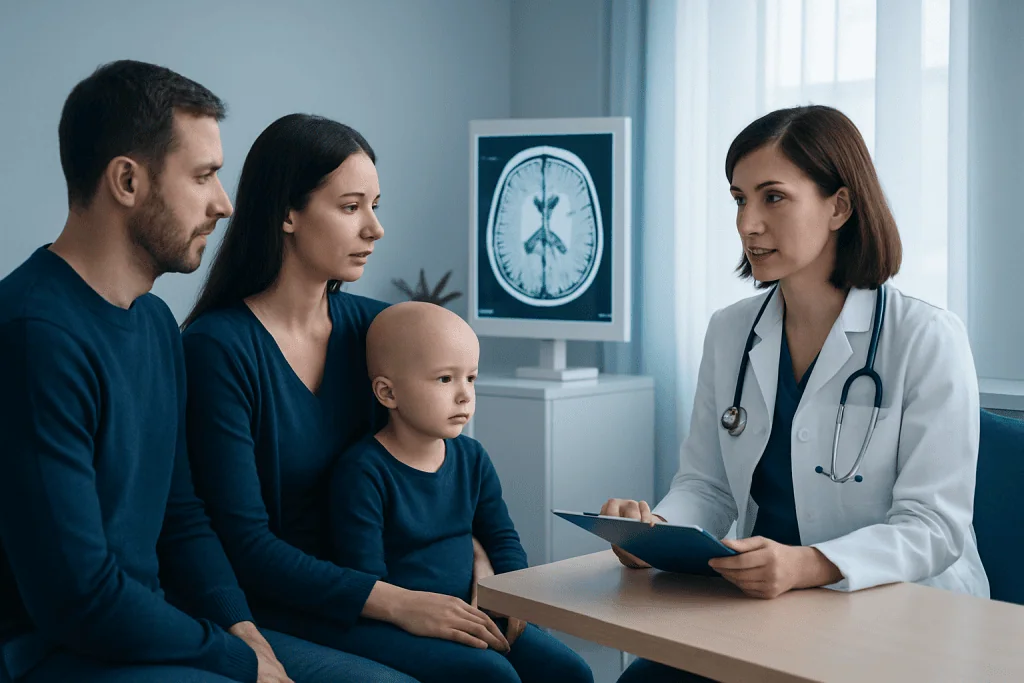
Before treatment, doctors usually confirm neuroblastoma with a tumor biopsy or, in certain situations, analysis of bone marrow and specialized urine tests. Imaging may include ultrasound, CT, MRI, an MIBG scan or another functional scan, depending on the tumor’s characteristics. These tests show where the tumor is located and whether it has spread to lymph nodes, bones, bone marrow, liver or other areas.
Laboratory testing may measure substances made by neuroblastoma cells, including catecholamine metabolites in the urine. Tumor samples are also assessed for biological features that affect risk and treatment intensity, such as MYCN amplification and chromosome changes. The team may test heart, kidney, liver, hearing and lung function before certain therapies to establish a safe baseline.
Treatment planning includes practical support for the family. The team discusses central venous access, infection prevention, nutrition, fertility preservation when appropriate, school arrangements and emotional care. Parents or caregivers are encouraged to ask how each phase will be monitored, what symptoms require urgent contact, and how treatment may affect daily routines.
Treatment steps: surgery, medicines, transplant and radiation
Neuroblastoma treatment is often delivered in stages. For tumors that can be removed safely, surgery may be performed early. In other cases, chemotherapy is given first to shrink the tumor and make surgery safer. The surgeon’s priority is to remove as much tumor as possible without causing unacceptable harm to nearby nerves, blood vessels or organs. Complete removal is not always necessary or safe, particularly when additional treatments are planned.
Chemotherapy uses cancer medicines that circulate through the bloodstream to target rapidly dividing cells. It may be given in cycles, with rest periods that allow the body to recover. Chemotherapy can reduce the primary tumor and treat microscopic disease elsewhere in the body. Depending on the protocol, it may be used before surgery, after surgery, or as part of intensive treatment for high-risk disease.
For many children with high-risk neuroblastoma, stem cells are collected from the child’s blood after initial chemotherapy. High-dose chemotherapy is then used to treat remaining cancer cells, but it also temporarily suppresses bone marrow function. The stored cells are returned afterward in an autologous stem cell transplant to help blood cell production recover. This is not a donor transplant; it uses the child’s own previously collected cells.
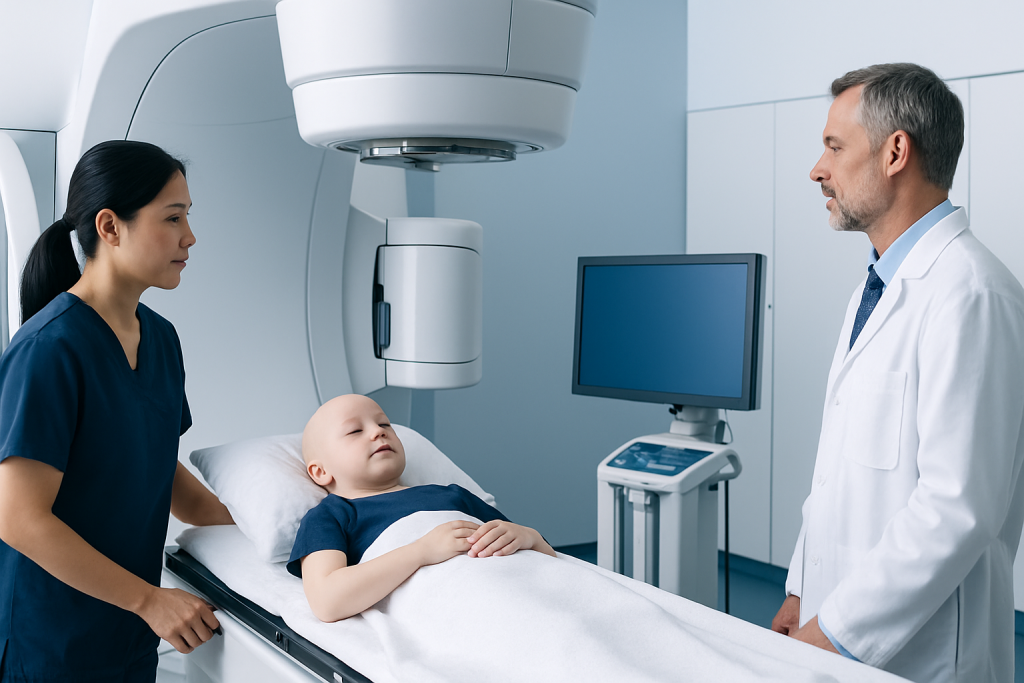
Radiation therapy may be used to treat the primary tumor area after surgery or to control certain metastatic sites. It is carefully planned to limit exposure to healthy tissue. Immunotherapy may follow intensive treatment in high-risk disease. These medicines help the immune system recognize and attack neuroblastoma cells, and they are often combined with medications that support immune activity. Some treatment plans also include differentiation therapy with a retinoid medicine to help reduce the likelihood of recurrence.
Benefits, risks and possible side effects
The potential benefit of neuroblastoma treatment is disease control or cure, while preserving the child’s long-term health as much as possible. For low-risk disease, treatment can often be less intensive. For high-risk disease, combined therapy offers the strongest available approach to controlling cancer that has spread or has features associated with a higher chance of return.
Side effects vary by treatment and by child. Surgery can involve bleeding, infection, pain, scarring or effects related to the tumor’s location. Chemotherapy may cause tiredness, nausea, vomiting, mouth sores, hair loss, constipation or diarrhea, and low blood counts. Low blood counts can increase the risk of infections, bruising and anemia, so blood tests and supportive care are important throughout treatment.
High-dose chemotherapy and stem cell rescue require a period of close monitoring, often in hospital, because infection, bleeding, mucositis, poor appetite and organ-related side effects can occur while blood counts are low. Radiation can cause skin changes and fatigue in the short term, with possible longer-term effects depending on the area treated. Immunotherapy can cause pain, fever, allergic-type reactions, low blood pressure or inflammation, which is why it is administered under careful medical supervision.
Some children may experience late effects months or years after treatment, such as hearing changes, growth or hormone concerns, kidney or heart effects, learning difficulties, fertility issues or a small risk of later cancers. Long-term follow-up helps identify and manage these concerns early. The care team can explain which late effects are most relevant to the therapies a child has received.
Recovery timeline and supportive care
Recovery timelines differ widely. A child recovering from surgery alone may return gradually to usual activities over days to weeks, depending on the operation and overall health. Chemotherapy is usually delivered over several months, and children may have days when they feel relatively well between cycles as well as periods of fatigue and increased infection risk.
For high-risk neuroblastoma, treatment commonly extends over many months and can include hospital stays during intensive chemotherapy and stem cell rescue. Recovery after stem cell infusion begins as the bone marrow starts making new blood cells, but the immune system may remain vulnerable for longer. The team provides guidance on infection precautions, food safety, vaccinations, school attendance and visitors based on the child’s stage of recovery.
Supportive care is part of treatment rather than an optional extra. It may include anti-nausea medicines, pain relief, blood or platelet transfusions, antibiotics when needed, nutritional support, physiotherapy and psychological care. Parents and caregivers should tell the team about changes in eating, sleep, mood, bowel habits, pain or energy levels, since these can often be addressed.
After active treatment, follow-up visits include physical examinations, imaging and laboratory tests at intervals determined by the child’s risk group and treatment history. These appointments monitor for recurrence and help manage growth, development and other long-term health needs.
When to seek medical care
Parents or caregivers should contact the child’s oncology team promptly if the child develops a fever, chills, difficulty breathing, unusual sleepiness, severe pain, persistent vomiting, signs of dehydration, uncontrolled diarrhea, bleeding, widespread bruising or a new rash. During chemotherapy or after stem cell treatment, fever can be an urgent concern because the child may have low infection-fighting white blood cell levels.
Urgent medical assessment is also needed for symptoms such as sudden weakness, confusion, a seizure, severe headache, markedly reduced urine output, or an inability to keep fluids down. Families should use the emergency contact instructions provided by their treatment center rather than waiting for the next scheduled visit.
For children not yet diagnosed, a persistent abdominal lump or swelling, unexplained bone pain or limp, bruising around the eyes, ongoing fever, weight loss, or changes in movement should be assessed by a qualified clinician. These symptoms can have many causes, but timely evaluation is appropriate when they persist or worsen.
Prevention, follow-up and care coordination
There is no known way to prevent most cases of neuroblastoma. It is not caused by something a parent or child did, and it is usually not inherited. Rarely, a family history or specific genetic finding may lead the medical team to recommend genetic counseling or testing for relatives.
During and after treatment, families can support recovery by following the medical team’s advice about medicines, appointments, nutrition, activity and infection precautions. It is helpful to keep an updated treatment summary listing diagnoses, operations, medicines, radiation details and transplant information. This document supports coordinated care as the child grows and sees different healthcare professionals.
Acibadem International’s multidisciplinary specialists and JCI-accredited hospitals provide diagnosis and treatment planning for international pediatric oncology patients, including coordinated pediatric oncology care. Families should discuss all treatment choices, clinical trial availability and follow-up needs with the child’s treating team.
Frequently asked questions
What is the main treatment for neuroblastoma?
There is no single main treatment for every child with neuroblastoma. Low-risk disease may need observation or surgery, while higher-risk disease often requires a combination of chemotherapy, surgery, stem cell rescue, radiation therapy and immunotherapy. The treatment plan is based on the child’s risk classification.
Can neuroblastoma be cured?
Many children with neuroblastoma can be successfully treated, particularly when the disease has favorable features or is classified as low risk. Outcomes vary substantially according to age, stage, tumor biology and response to treatment. The child’s oncology team is best placed to explain the outlook for an individual situation.
How long does neuroblastoma treatment take?
Treatment duration depends on the risk group and therapies needed. Surgery-only care may involve a shorter recovery period, whereas intensive treatment for high-risk neuroblastoma can continue for many months. Follow-up monitoring continues after active treatment is complete.
Will a child need a stem cell transplant for neuroblastoma?
Not every child needs a stem cell transplant. Autologous stem cell rescue is most often used as part of intensive treatment for high-risk neuroblastoma after high-dose chemotherapy. It uses stem cells collected from the child rather than stem cells from a donor.
What happens if neuroblastoma returns?
If neuroblastoma returns, the care team reassesses the tumor with imaging, laboratory tests and sometimes a biopsy. Treatment may include chemotherapy, surgery, radiation, targeted or immune-based therapies, or enrollment in an appropriate clinical trial. The recommended approach depends on where and when the disease recurs and which treatments were previously used.
Can neuroblastoma treatment affect a child later in life?
Some treatments may have long-term effects, but the risks vary according to the medicines, radiation exposure, surgery and transplant care received. Follow-up clinics monitor growth, hearing, heart health, kidney function, hormones, learning and emotional well-being. Early recognition allows many late effects to be managed effectively.
References
- National Cancer Institute
- American Cancer Society
- Children’s Oncology Group
- European Society for Paediatric Oncology
- National Health Service
This article is for general information only and is not a substitute for professional medical advice. Please consult a qualified doctor about your individual situation.
Oncology care in Turkey — second opinion and treatment plan
JCI-accredited · board-certified surgeons · reply within 24h
Add us as a Preferred Source to see more of our trusted health content across Google Search, AI Overviews and Discover.