Neurodegeneration Treatment: How It Works, Results and What to Expect

Neurodegeneration treatment depends on the underlying diagnosis, symptoms, stage of illness and individual goals. Most neurodegenerative diseases are long-term conditions, but many symptoms can be managed effectively.
Key Takeaways
- Neurodegeneration treatment depends on the underlying diagnosis, symptoms, stage of illness and individual goals.
- Most neurodegenerative diseases are long-term conditions, but many symptoms can be managed effectively.
- Care commonly combines neurology, rehabilitation, mental health, nutrition and social support.
- Early assessment can identify treatable causes of symptoms and enable timely planning.
- Urgent new weakness, severe confusion, sudden speech difficulty or loss of consciousness needs prompt medical assessment.
Neurodegeneration treatment is individualized care for conditions in which nerve cells gradually lose function. While most neurodegenerative diseases cannot yet be cured, medicines, rehabilitation, lifestyle support and selected procedures can reduce symptoms, maintain independence and improve day-to-day wellbeing.
Neurodegeneration Treatment: How It Works
Neurodegeneration treatment refers to the medical and supportive care used for diseases in which nerve cells in the brain, spinal cord or peripheral nerves progressively lose their normal function. The aim is usually not a single procedure that reverses the condition. Instead, treatment is designed to address the specific disease process where possible, relieve symptoms, protect function, prevent complications and help the person continue meaningful daily activities.
Because neurodegenerative diseases affect different parts of the nervous system, treatment plans vary widely. A person with Parkinson’s disease may need treatment for movement symptoms, while someone with Alzheimer’s disease may need support for memory, safety and behavioral changes. People with motor neuron disease may benefit from respiratory, nutrition and communication support. A careful diagnosis is therefore the foundation of useful treatment.
Modern care is often multidisciplinary. Neurologists may work with physiotherapists, occupational therapists, speech and language therapists, neuropsychologists, dietitians, specialist nurses, psychiatrists and social workers. The plan is reviewed regularly because symptoms, needs and personal priorities can change over time.
Some symptoms that resemble neurodegeneration can have other causes, including medication effects, vitamin deficiencies, thyroid disorders, sleep problems, depression or vascular disease. Identifying these conditions matters because some are treatable or reversible.
What Are the Top 3 Neurodegenerative Diseases?
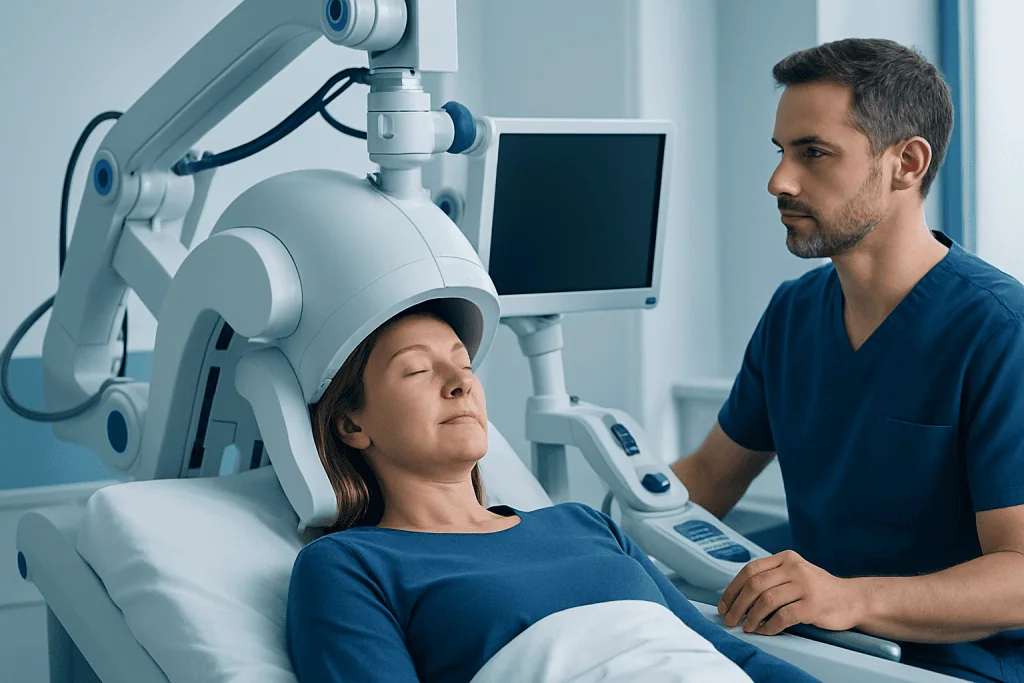
The three neurodegenerative diseases most often discussed in general health information are Alzheimer’s disease, Parkinson’s disease and amyotrophic lateral sclerosis (ALS), also called motor neuron disease. They are all progressive neurological conditions, but they affect different nerve networks and therefore cause different symptoms and care needs.
Alzheimer’s disease primarily affects memory, thinking, orientation and the ability to manage everyday tasks. Parkinson’s disease mainly affects movement and may cause slowness, tremor, stiffness and balance difficulties, although it can also affect sleep, mood and cognition. ALS damages motor neurons, leading to progressive muscle weakness and problems with movement, speech, swallowing or breathing.
Other important neurodegenerative conditions include frontotemporal dementia, Lewy body dementia, Huntington’s disease, multiple system atrophy and progressive supranuclear palsy. Some conditions have overlapping symptoms, particularly early on. Specialist assessment helps distinguish them and guides the most appropriate neurodegeneration treatment plan.
Not every condition causing memory loss, tremor, poor balance or weakness is neurodegenerative. A clinician will consider the full history, examination findings and appropriate tests before confirming a diagnosis.
Who May Be a Candidate for Neurodegeneration Treatment?

Anyone with a confirmed or suspected neurodegenerative disorder may benefit from a tailored care plan. Treatment is appropriate at every stage, including soon after diagnosis, because early interventions may help manage symptoms, establish a baseline, improve safety and prepare for future needs. The goals may include maintaining mobility, supporting communication, improving sleep, managing pain or reducing the burden on family caregivers.
Before recommending treatment, the clinical team considers the person’s diagnosis, symptom pattern, medical history, current medicines, mobility, cognition, mood, nutrition and home support. It is also important to understand what matters most to the individual, such as continuing work, walking safely, communicating clearly or remaining independent at home.
Some people may be eligible for disease-specific medicines, advanced therapies or clinical research studies, depending on their diagnosis and local availability. Others may benefit most from rehabilitation and symptom-directed support. A treatment recommendation should balance likely benefits with possible side effects, practical demands and the individual’s values.
Family members or trusted supporters are often invited to participate, with the patient’s permission. Their observations can help identify changes in function and make it easier to implement plans for medications, appointments, exercise, nutrition and home safety.
What Happens During Assessment and Treatment Planning?
There is no one-size-fits-all neurodegeneration procedure. The process usually begins with a detailed consultation. The clinician asks about symptoms, when they began, how they have changed, current health conditions, medications and family history. A neurological examination may assess movement, strength, coordination, sensation, reflexes, speech, memory and thinking.
Depending on the concern, testing may include blood tests, cognitive assessment, brain or spinal imaging, nerve and muscle testing, sleep evaluation or genetic counseling and testing. These assessments are selected to clarify the diagnosis and to rule out other causes of symptoms. Results are interpreted alongside the clinical history rather than in isolation.
After assessment, the team explains the diagnosis or likely diagnosis, expected course and treatment priorities. A plan may include medication review, rehabilitation referrals, symptom-specific treatment, psychological support and practical safety advice. Follow-up appointments allow the plan to be adjusted as symptoms and goals evolve.
For patients seeking coordinated specialist care, Acibadem International’s multidisciplinary specialists and JCI-accredited hospitals diagnose and treat neurological conditions for international patients. The focus should remain on an individualized plan developed with a qualified medical team.
Treatment Options, Benefits and Possible Risks
Medication may help particular symptoms or, for some conditions, influence aspects of disease progression. Examples include treatments for movement symptoms, memory-related symptoms, mood changes, sleep difficulties, spasticity, pain or excessive saliva. Medicines are chosen carefully and monitored for effectiveness, interactions and side effects, especially when several health conditions are present.
Rehabilitation is a central part of neurodegeneration treatment. Physiotherapy can support strength, flexibility, balance, walking and falls prevention. Occupational therapy can recommend strategies and equipment for dressing, bathing, cooking and other daily tasks. Speech and language therapy may help with speech, communication and swallowing, while dietetic support can address weight change, hydration and safe nutrition.
Selected patients may be considered for advanced therapies, such as device-assisted treatments or neurosurgical procedures for specific movement disorders. These options are not suitable for everyone and require detailed assessment by specialists. Their potential benefit must be weighed against procedural risks, anesthesia considerations, infection, bleeding, device-related issues and the possibility that symptoms may continue to progress.
Benefits of well-coordinated care may include better symptom control, improved safety, more confidence with daily activities and earlier support for emotional and practical challenges. Risks differ by treatment, but may include medication side effects, treatment burden or injury during periods of impaired balance or swallowing. Clinicians should discuss expected benefits and limitations openly before care decisions are made.
Recovery Timeline, Daily Support and Self-Care
Neurodegenerative diseases usually do not have a conventional recovery timeline because they are often long-term and progressive. However, people can experience meaningful improvements after adjustments to medication, targeted rehabilitation, treatment of sleep or mood problems, use of mobility aids or changes to the home environment. The response to treatment may be assessed over days to weeks for some symptoms and over longer periods for functional goals.
Regular, appropriate physical activity is often encouraged because it can support mobility, strength, mood, sleep and cardiovascular health. The safest type and intensity depend on the person’s condition, fall risk and other health needs. A physiotherapist can adapt activity plans and recommend safe exercises, assistive devices or strategies for fatigue.
Daily self-care also includes taking medications as prescribed, attending follow-up visits, maintaining regular meals and fluids, prioritizing sleep and staying socially connected where possible. Home changes such as better lighting, removing trip hazards, adding bathroom supports and organizing frequently used items within easy reach can reduce risk and conserve energy.
Caregivers need support as well. Respite care, education, counseling and local patient organizations can help families manage practical responsibilities and emotional stress. Advance care planning, discussed at an appropriate time, allows patients to communicate their preferences while they are able to do so.
Can a Neurodegenerative Disease Be Cured?
Most neurodegenerative diseases cannot currently be cured. In many cases, damaged nerve cells cannot be fully restored, and available treatments do not stop every aspect of disease progression. Research is active, and treatment options continue to develop, but claims of a universal cure should be approached cautiously.
Even without a cure, treatment can make an important difference. Many symptoms can be reduced, complications can sometimes be prevented or delayed, and rehabilitation can help people adapt to changes in movement, thinking, speech or swallowing. Supportive care is active, personalized medical care rather than an absence of treatment.
It is especially important to seek medical advice before trying supplements, restrictive diets, unproven stem cell interventions or online treatments that claim to cure neurodegeneration. These approaches may be ineffective, costly or unsafe, and they can delay established care.
A neurologist can explain whether there are disease-specific treatments, symptom therapies, clinical trials or specialist services that may be relevant to an individual diagnosis.
How Long Can You Live With Neurodegenerative Disease?
Life expectancy with a neurodegenerative disease varies greatly. It depends on the specific diagnosis, age at onset, rate of symptom progression, overall health, complications, response to treatment and access to supportive care. Some people live for many years or decades with conditions such as Parkinson’s disease or certain dementias, while other diseases may progress more rapidly.
Population averages cannot predict an individual person’s experience. Two people with the same diagnosis may have very different symptom patterns and timelines. A treating neurologist is best placed to discuss prognosis after considering the person’s health, functional abilities and clinical findings over time.
Proactive management of falls, swallowing difficulties, nutrition, respiratory symptoms, infections, mood and sleep can support quality of life and may reduce preventable complications. Palliative care can also be introduced alongside neurological treatment at any stage to help manage symptoms and support patients and families.
Conversations about prognosis can be difficult, but they can also help people make informed choices about work, finances, family support and future care. These discussions should be paced according to the patient’s preferences and revisited as needed.
What Are Early Signs of Neurodegenerative Disease and When to Seek Medical Care?
Early signs of neurodegenerative disease vary by condition. They may include gradually worsening memory or planning difficulties, changes in personality or behavior, tremor, stiffness, slowed movement, repeated falls, reduced coordination, persistent changes in speech, swallowing difficulty, unexplained muscle weakness, altered sense of smell or sleep behaviors such as acting out dreams. Having one of these symptoms does not necessarily mean a person has a neurodegenerative condition.
A medical appointment is advisable when symptoms are persistent, progressive, interfere with everyday activities or are noticed by family members. Early assessment can identify reversible causes and, if a neurological condition is present, allow timely treatment, rehabilitation and support planning.
Urgent medical care is needed for sudden weakness or numbness on one side, sudden speech or vision changes, a severe sudden headache, new loss of consciousness, seizure activity, abrupt confusion or a rapid deterioration in breathing or swallowing. These symptoms can indicate an emergency such as stroke and should not be assumed to be part of a chronic neurological condition.
Keeping a brief record of symptoms, timing, triggers, medications and functional changes can be useful for the consultation. Bringing a family member or trusted person may also help provide a clearer picture of changes over time.
Frequently asked questions
What is neurodegeneration treatment?
Neurodegeneration treatment is individualized care for diseases in which nerve cells progressively lose function. It may include medicines, rehabilitation, nutrition and swallowing support, mental health care, assistive devices and planning for changing needs.
Can neurodegeneration be reversed?
Most established neurodegenerative diseases cannot currently be reversed. However, treatment can often improve specific symptoms, preserve function and address other medical issues that may worsen neurological symptoms.
Is neurodegenerative disease hereditary?
Some neurodegenerative diseases have an inherited component, but many occur without a known family pattern. Genetic counseling may be helpful when there is a strong family history, unusually early symptoms or a condition known to have genetic forms.
What doctor treats neurodegenerative diseases?
A neurologist usually leads diagnosis and treatment. Depending on symptoms, care may also involve movement-disorder specialists, geriatricians, rehabilitation professionals, speech and language therapists, dietitians, psychologists and palliative care clinicians.
Can exercise help neurodegenerative disease?
Appropriate exercise may support mobility, strength, balance, sleep and mood for many people. The plan should be tailored by a healthcare professional, particularly when there is a risk of falls, severe fatigue, heart disease or swallowing and breathing difficulties.
When should memory loss be checked by a doctor?
Memory changes should be assessed when they are new, progressively worsening, affecting safety or daily tasks, or causing concern to the person or family. Sudden confusion requires urgent medical assessment because it can have causes other than dementia.
References
- World Health Organization
- National Institute of Neurological Disorders and Stroke
- Alzheimer’s Association
- Parkinson’s Foundation
- Motor Neurone Disease Association
This article is for general information only and is not a substitute for professional medical advice. Please consult a qualified doctor about your individual situation.
Joint and spine care in Turkey — expert assessment & treatment
JCI-accredited · board-certified surgeons · reply within 24h
Add us as a Preferred Source to see more of our trusted health content across Google Search, AI Overviews and Discover.