Neurodivergent: What Patients Need to Know

Neurodivergent is a descriptive term, not a medical diagnosis. It refers to natural variation in how the brain works, learns, communicates, and responds.
Key Takeaways
- Neurodivergent is a descriptive term, not a medical diagnosis.
- It refers to natural variation in how the brain works, learns, communicates, and responds.
- Some neurodivergent people benefit from formal evaluation, accommodations, therapy, or medical care.
- Support should be individualized and based on daily functioning, strengths, and specific challenges.
- A healthcare professional can help distinguish neurodivergence from other medical or mental health concerns.
Neurodivergent is a broad term for people whose brain processes information, attention, learning, movement, or social interaction in ways that differ from what is considered typical. It is not a diagnosis on its own, but it can describe experiences seen in conditions such as autism, ADHD, dyslexia, tic disorders, and other neurodevelopmental differences.
Overview: what neurodivergent means
Neurodivergent is an umbrella term used when a person’s brain processes information, attention, language, learning, sensory input, movement, or social communication differently from what is commonly expected. In everyday use, it often includes autism spectrum disorder, attention-deficit/hyperactivity disorder (ADHD), dyslexia, dyspraxia, tic disorders, and some other developmental or cognitive differences. The term is descriptive rather than diagnostic, and many people use it to explain their lived experience in a respectful, nonjudgmental way.
Importantly, being neurodivergent does not automatically mean a person is ill. Some people experience mainly differences, while others also face challenges that affect school, work, relationships, or daily living. Needs vary widely from one person to another. One person may need sensory adjustments and communication support, while another may need help with focus, organization, reading, or emotional regulation.
The idea behind neurodiversity is that human brains naturally vary. This perspective does not deny that some people may need treatment or therapy. Instead, it encourages care that recognizes both strengths and difficulties. A balanced, patient-centered approach looks at function, wellbeing, and quality of life rather than defining a person only by deficits.
How neurodivergence may present in daily life
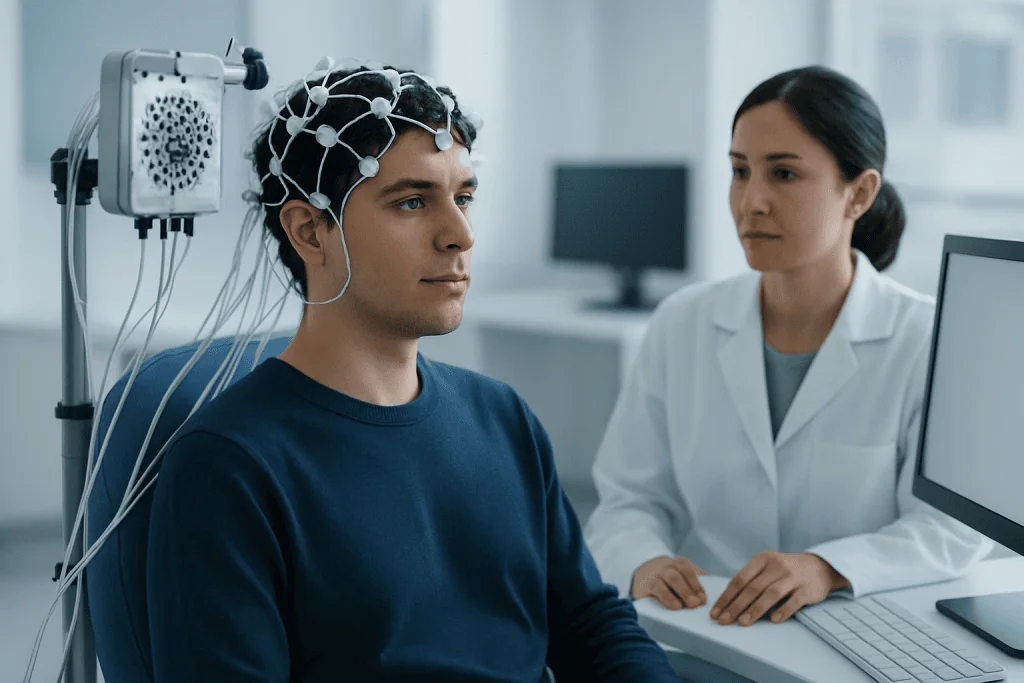
Neurodivergence can show up in many different ways, and there is no single pattern. Some people notice differences in attention, planning, memory, or time management. Others may have unique communication styles, prefer routines, process language differently, or react strongly to noise, light, textures, or crowds. These traits may be present from childhood, although they are not always recognized early.
Common day-to-day experiences can include difficulty staying organized, becoming overwhelmed in busy environments, focusing intensely on specific interests, feeling exhausted after social interaction, or needing clear routines to manage change. For some people, reading, writing, coordination, or sensory processing are the main concerns. For others, the biggest issue is that their strengths and struggles are misunderstood by family, teachers, or employers.
Neurodivergent traits can also be associated with valuable abilities. Some people show strong pattern recognition, creativity, deep focus, honesty, memory for detail, problem-solving, or original thinking. Looking at both strengths and challenges helps create practical support plans. If a person’s traits are causing distress or interfering with daily life, a formal assessment may be helpful.
- Attention and concentration differences
- Social communication differences
- Sensory sensitivities or sensory seeking
- Learning differences such as reading or writing difficulties
- Motor coordination challenges
- Need for routine, predictability, or structure
Associated conditions and possible causes
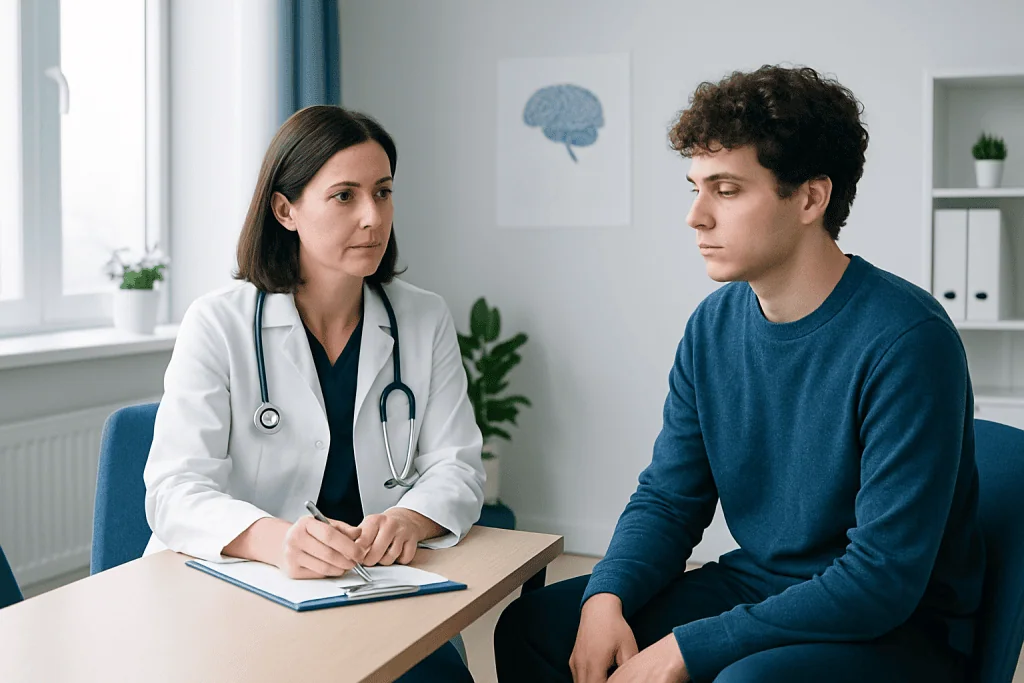
Neurodivergent is not one diagnosis and does not have one single cause. It is often used in relation to neurodevelopmental conditions, which are differences in brain development that begin early in life. Examples include autism spectrum disorder and ADHD. Other people may identify as neurodivergent because of learning differences such as dyslexia, developmental coordination disorder, tic disorders, or certain communication differences.
Current evidence suggests that neurodevelopmental differences usually arise from a combination of genetic and biological factors. Family history can play an important role. Brain development before and after birth, environmental influences, and individual developmental pathways may also contribute. In many cases, there is no single identifiable reason.
Neurodivergent traits can coexist with other health concerns. Anxiety, depression, sleep problems, epilepsy, gastrointestinal symptoms, and sensory processing difficulties may occur alongside neurodevelopmental conditions in some people. This is one reason a careful medical and developmental assessment can be useful. It helps clarify what is part of a person’s neurotype and what may be a separate, treatable concern.
Because the term is broad, it should not be used to assume that all neurodivergent people share the same needs. Two people with the same diagnosis may function very differently. Individualized evaluation remains the best way to understand strengths, support needs, and any coexisting medical or mental health issues.
How evaluation and diagnosis work
A person does not need a medical diagnosis to use the word neurodivergent, but formal evaluation can be helpful when there are concerns about learning, behavior, communication, attention, mood, work performance, or daily functioning. Assessment usually begins with a detailed history. Clinicians ask about childhood development, school or work experiences, sensory issues, social communication, mental health, sleep, and family history.
Depending on the concern, evaluation may involve a pediatrician, psychiatrist, neurologist, psychologist, speech-language therapist, occupational therapist, or educational specialist. Standardized questionnaires, interviews, behavioral observations, and neuropsychological testing may be used. The goal is not simply to assign a label, but to understand how the person thinks, learns, communicates, and copes in daily life.
Doctors may also look for other explanations for symptoms. For example, poor concentration can be related to anxiety, depression, sleep disorders, thyroid disease, medication effects, hearing or vision problems, or stress. Language and social differences may need to be distinguished from hearing impairment, intellectual disability, trauma-related responses, or other conditions. This careful approach helps make support more accurate and useful.
Some patients also benefit from imaging or specialist review when neurological symptoms are present, such as seizures, developmental regression, unusual movements, significant headaches, or a sudden change in function. In selected cases, teams may coordinate with services such as neurology evaluation or neuropsychological assessment to guide diagnosis and support planning.
Support, treatment, and accommodations
Support for neurodivergent people should be tailored to the individual. Because neurodivergent is not a single medical condition, there is no one treatment plan for everyone. Some people do not want treatment for their neurotype itself, but may want help for related challenges such as anxiety, sleep difficulties, attention problems, emotional regulation, communication barriers, or school and workplace stress.
Practical support can include educational accommodations, workplace adjustments, therapy, coaching, sensory strategies, and skill-building. Depending on needs, this may involve speech and language therapy, occupational therapy, behavioral support, counseling, or medication for a specific diagnosed condition. For example, a person with ADHD may benefit from structured routines, behavioral strategies, and sometimes medical treatment, while an autistic person may benefit from communication support and sensory accommodations.
Family education is often important. When relatives, teachers, and employers understand how a person processes information and what environments help them function well, everyday life often becomes easier. Supportive changes may include quieter spaces, written instructions, flexible scheduling, extra processing time, predictable routines, or assistive technology for reading and organization.
If there are coexisting emotional difficulties, mental health care can be valuable. A patient may be referred for psychiatric evaluation or counseling when anxiety, depression, burnout, or severe stress are affecting wellbeing. Near the end of the care pathway, a multidisciplinary team can help coordinate medical, psychological, and educational recommendations. Acibadem International’s multidisciplinary specialists in JCI-accredited hospitals also assess and treat neurodevelopmental and related concerns for international patients when further evaluation is needed.
Self-care, communication, and everyday strategies
Many neurodivergent people benefit from understanding their own patterns. Identifying triggers for overload, noticing when focus is best, and recognizing sensory preferences can make daily life more manageable. Keeping routines predictable, using reminders, breaking tasks into steps, and allowing recovery time after intense social or sensory situations may reduce stress.
Self-advocacy is another useful skill. This can mean explaining communication preferences, asking for written instructions, requesting a quieter setting, or discussing reasonable adjustments at school or work. For children, parents and caregivers often play a central role in advocating for support and helping create routines that fit the child’s strengths and needs.
Healthy lifestyle habits also matter. Good sleep, regular physical activity, balanced meals, and attention to stress can improve concentration and emotional regulation for many people. Screen use, caffeine, irregular sleep schedules, and constant multitasking may worsen overwhelm in some individuals. If symptoms are increasing rather than improving, a clinician can help decide whether there is an additional medical or mental health issue involved.
- Use calendars, alarms, and visual schedules
- Create low-sensory spaces for rest or focus
- Ask for clear, direct instructions when needed
- Build transitions into the day to reduce overwhelm
- Track sleep, stress, and sensory triggers
When to seek medical care
Medical advice is appropriate when attention, behavior, communication, learning, mood, or sensory issues are causing distress or interfering with school, work, relationships, or safety. Parents may want an evaluation if a child has delayed speech, limited social interaction, repetitive behaviors, strong sensory reactions, major difficulty with attention, or a sudden decline in development or functioning. Adults may seek help if they have long-standing challenges that are affecting employment, self-care, or mental health.
Urgent medical care is needed if there are signs that suggest a different or more serious problem. These include sudden confusion, loss of skills, seizures, fainting, new weakness, severe headache, self-harm thoughts, or a major change in behavior that appears abrupt. These symptoms are not explained by neurodivergence alone and should be assessed promptly.
A healthcare professional can help determine whether concerns are related to neurodevelopment, a mental health condition, a neurological disorder, or a combination of factors. Early evaluation can lead to clearer answers, more appropriate support, and practical steps that improve day-to-day life.
Frequently asked questions
Is neurodivergent a medical diagnosis?
No. Neurodivergent is a broad descriptive term, not a formal medical diagnosis. A clinician may diagnose a specific condition such as autism, ADHD, or a learning disorder if assessment criteria are met.
Does being neurodivergent mean a person has a disease?
Not necessarily. Neurodivergence refers to differences in how the brain functions or develops, and many people view it as natural variation. However, some neurodivergent people also have symptoms or coexisting conditions that benefit from medical care or therapy.
What conditions are commonly included under neurodivergent?
The term often includes autism, ADHD, dyslexia, dyspraxia, tic disorders, and some other developmental or cognitive differences. The exact use can vary, so it is best understood as an umbrella concept rather than a fixed medical category.
Can adults find out they are neurodivergent later in life?
Yes. Some adults seek assessment after recognizing long-standing patterns in attention, sensory processing, communication, or learning. A formal evaluation can help explain these experiences and identify useful supports.
Should every neurodivergent person get treatment?
Not always. Treatment is based on a person’s needs, goals, and level of difficulty in daily life. Some people mainly benefit from accommodations and self-understanding, while others may need therapy, educational support, or care for a diagnosed condition.
How can families support a neurodivergent child or adult?
Support usually works best when it is practical and individualized. Families can listen without judgment, learn about the person’s strengths and triggers, help create predictable routines, and seek professional advice if school, work, mood, or safety is affected.
This article is for general information only and is not a substitute for professional medical advice. Please consult a qualified doctor about your individual situation.
Explore treatments in Turkey — costs, top hospitals & a free quote
JCI-accredited · board-certified surgeons · reply within 24h
Add us as a Preferred Source to see more of our trusted health content across Google Search, AI Overviews and Discover.

More from the Health Library

Corneal Erosion — Explained by Medical Evidence, Not Myths

103 Fever — Explained by Medical Evidence, Not Myths

Western Blot Test: What Patients Need to Know

Imdur: A Complete Medical Overview
Osteomas: A Complete Medical Overview